
Search results for: “cell lab”
-
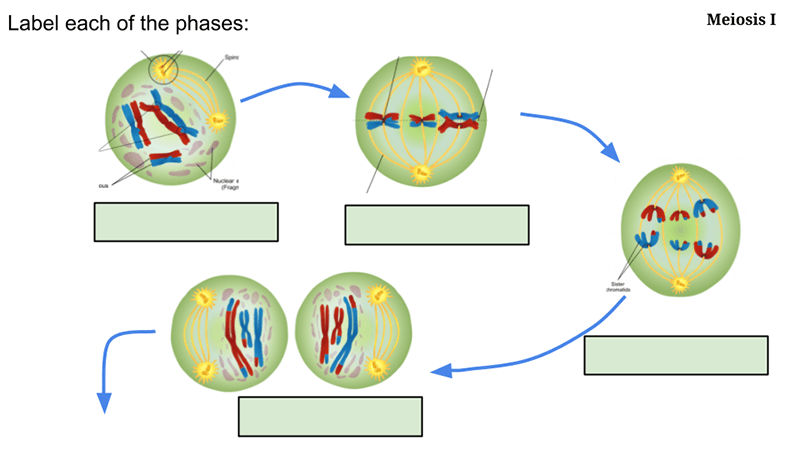
Modeling Meiosis and Independent Assorting Using Slides
Meiosis is a difficult topic for beginning biology students. There’s a lot going on in the cell to ensure that each new gamete receives half the DNA of the parent cell. In addition, each new cell is completely unique. This is the result of independent assortment and crossing over. Lessons on meiosis generally involve labeling…
-
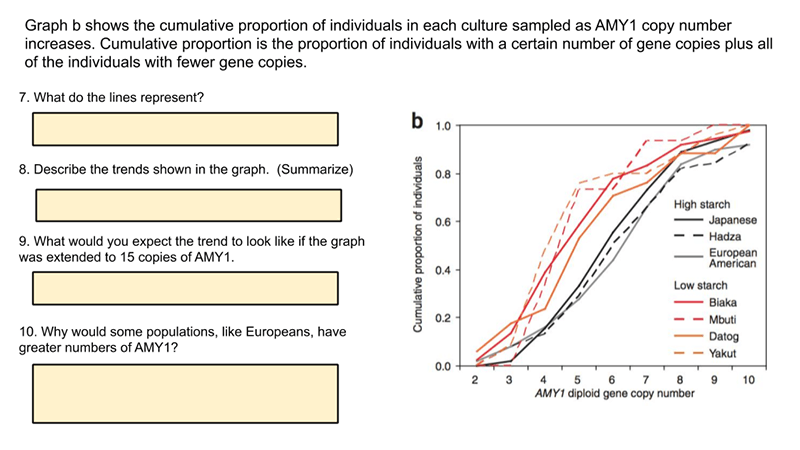
Amylase Enzyme and Copy Number Variant
This activity explores a data set on the frequency of copy number variants in the gene AMY1 that codes for amylase activity in the saliva. Amylase is an enzyme that breaks down starch into sugar. The activity builds on the HHMI data point showing how presence of multiple copies of the gene correlate to populations…
-
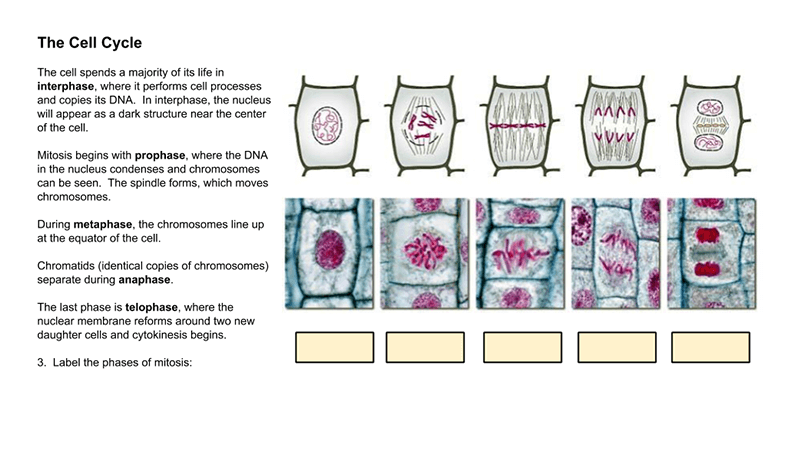
Investigation: Mitosis
This mitosis investigation was created during the 2020 pandemic for remote learning. In previous years, biology students would view slides in the lab and analyze data on cancer and mitotic index. This at-home activity only looks at the mitosis of onion cells and I plan to add cancer and mitotic index as a separate activity.…
-
Body Tissues Review
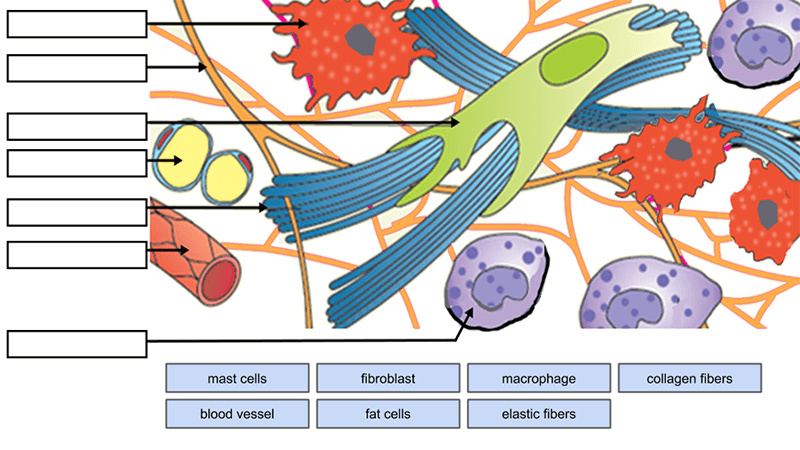
This remote learning exercise was made for anatomy students studying body tissues. The review uses Google slides for students to drag labels to the different types of epithelial cells and label the connective tissue matrix. Another slide has photos of tissue for students to identify which is the epithelial, connective, nervous, and muscle tissue. Fun…
-
Case Study – Mitosis, Cancer, and the HPV Vaccine
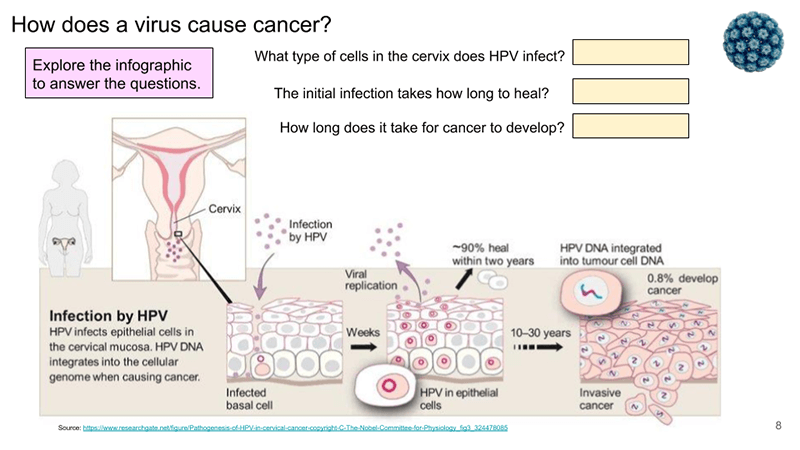
Students in my anatomy class get a quick review of the cell and mitosis. This activity on HPV shows how the cell cycle relates to overall health. In fact, many of the chapters in anatomy have anchoring phenomena on diseases and health. For example, cystic fibrosis is a cellular transport problem, but has serious effects…
-
Osmosis Practice with Slides
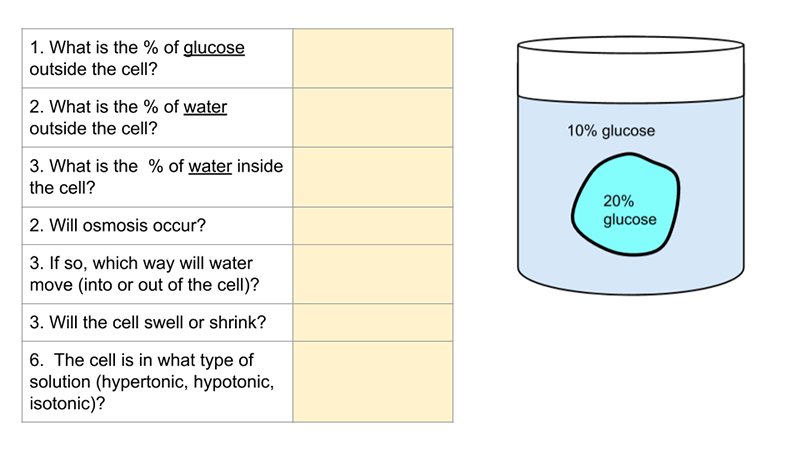
Practice identifying hypotonic and hypertonic solutions and determining which direction water will flow with these slides. You can assign this activity on Google Classroom, and students can complete the activity on their own or in groups. The activity features 4 slides with cells in various solutions of glucose or glucose + sodium. Next to each…
-
Mitosis Drag & Drop
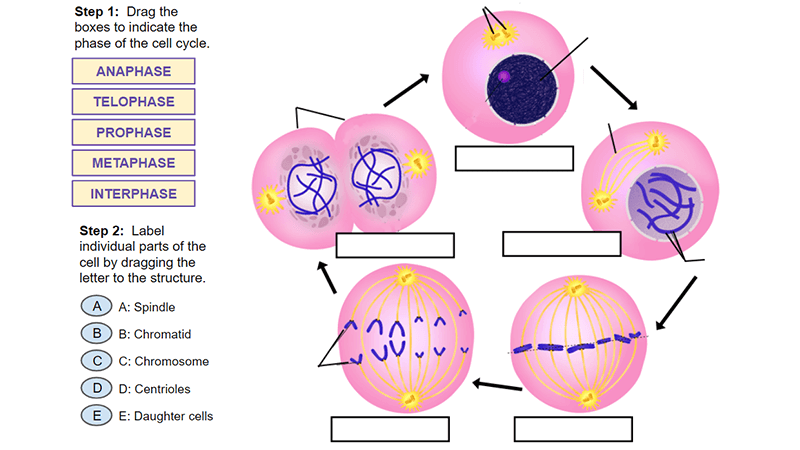
If you have used the cell cycle label (mitosis) in class, this version will work for assigning on Google Classroom. The image of the cell cycle includes interphase, prophase, metaphase, anaphase and telophase, plus several structures associated with the process. Students can drag the labels to the image on Google slides and then complete a…
-
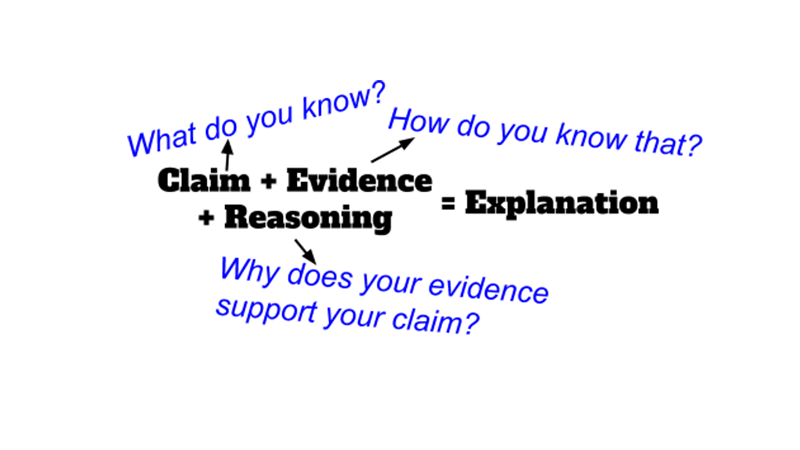
CER and Data Analysis
CER introduction to scientific argumentation (claim, evidence, reasoning), Analyze a graph showing ACE2 receptors by age group.
-
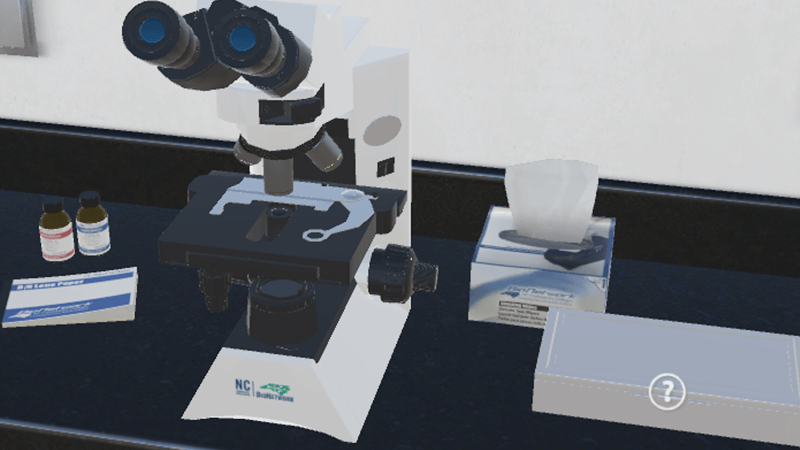
Virtual Microscope
This worksheet can be used with the Virtual Microscope where students can place specimens on a stage and use coarse and fine adjustment knobs to magnify up to 100x. Generally, I have my students practice with real microscopes, starting with a basic tutorial lab where they focus on the letter “e.” This virtual lab also…
-

Jim Allison: Breakthrough
The film, “Jim Allison: Breakthrough” can be streamed through online platforms, like PBS or from Amazon Prime Video. Teachers can sign up for a free license at https://www.breakthroughdoc.com/for-educators The film is 1 1/2 hours long, which is longer than most class periods, and many teen attention spans, so I split the worksheet into two halves.…
-

Investigation: Villi Height
Use a Netlogo simulation to observe how different heights of villi within the intestine affect absorption rate. Change the height of villi or size of food.
-
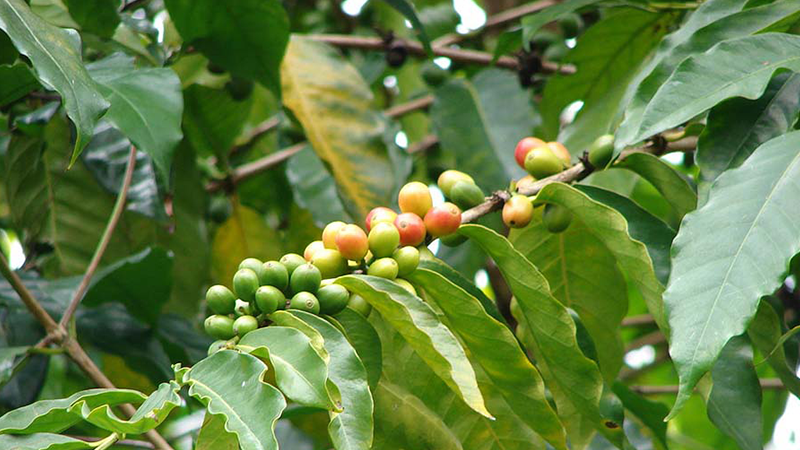
Evolution of Caffeine
In this activity, students access a database called UniProt that provides information about protein sequences derived from genome sequencing. Students search for the protein sequences of three plants that produce caffeine, Camellia sinensis, Coffea arabica, and Theobroma cacao (tea, coffee, and cocoa). They compare the protein sequences to determine if the gene to create caffeine arose independently…
-

The Calvin Cycle
TED-ED video on the Calvin Cycle explains how the cycle works to create glucose. Students complete questions and label a diagram of the Calvin Cycle.
-
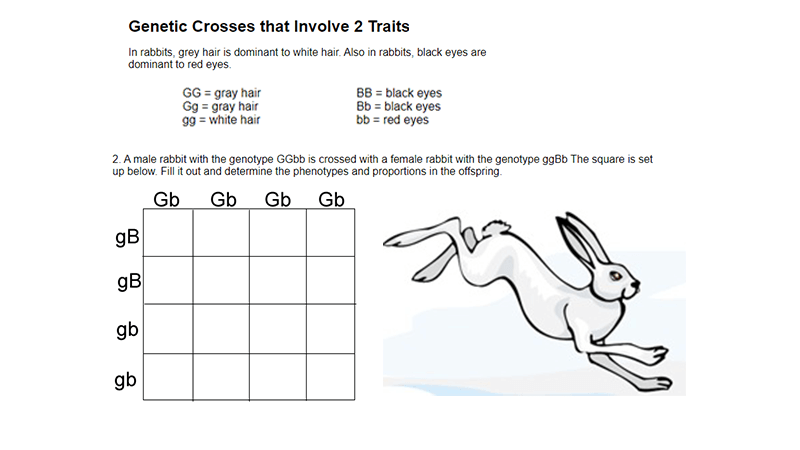
Genetic Crosses – 2 Traits
This worksheet was designed for freshman learning dihybrid crosses. Students struggle with setting up Punnet squares, so the squares are set up for them at first. Students only need to fill in the letters of the genotype can determine the phenotype proportions. A final task requires students to set up their own 4×4 square when…
-
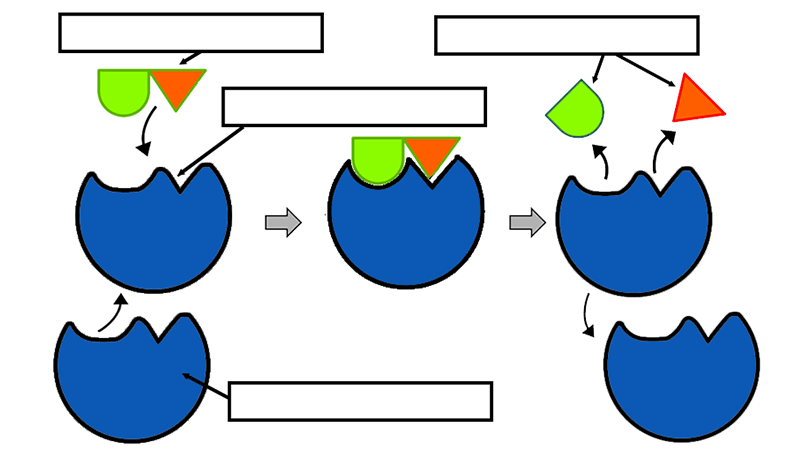
Exploring Enzymes by Analyzing Graphics
Students examine several images related to enzymes and answer questions. Worksheet covers how enzymes act on substrates, how they lower the activation energy of a reaction, how they have optimal temperature and pH, and how they can be inhibited.