
Category: Cell Biology
-
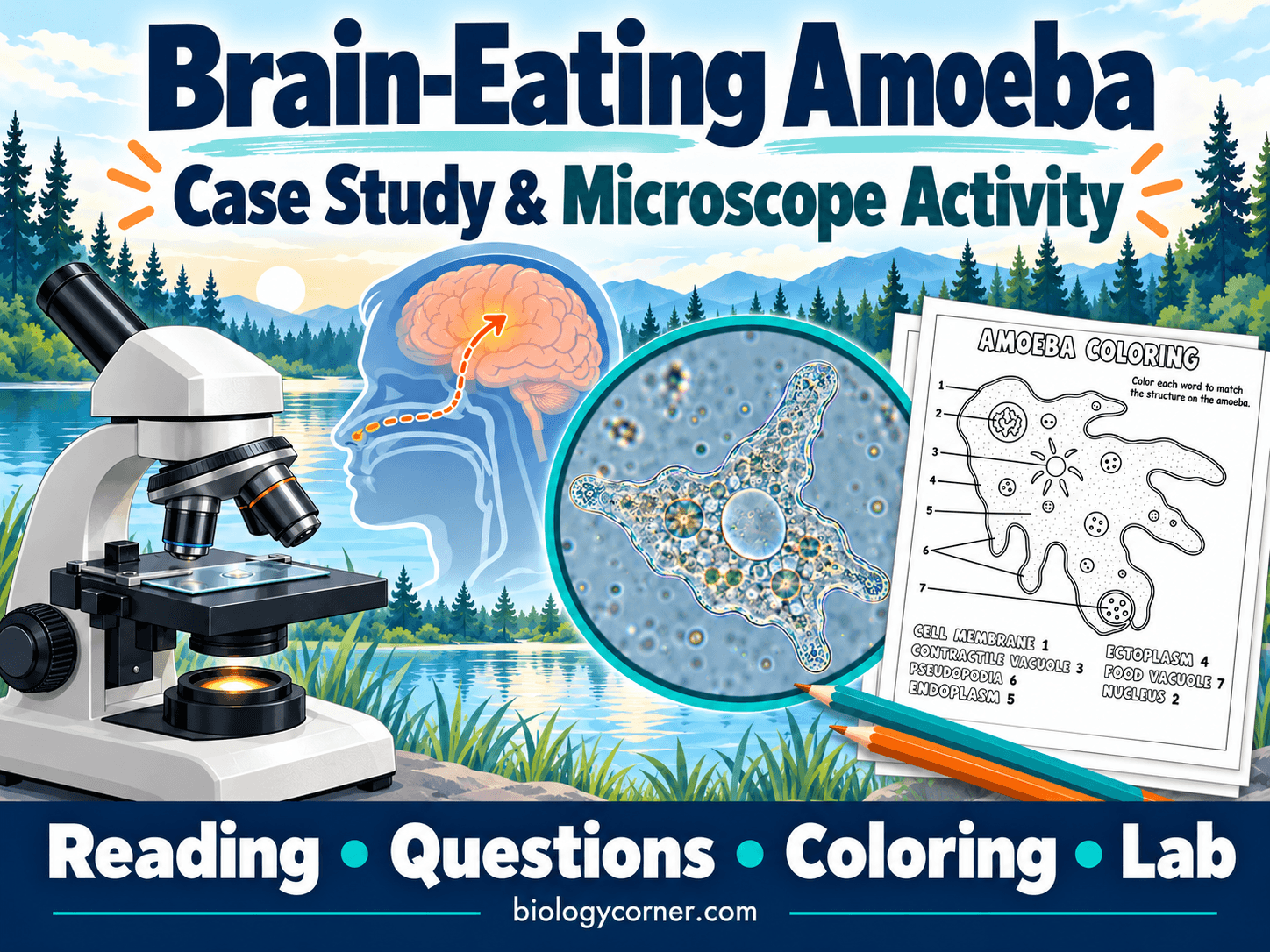
Explore the Microscope with a Brain-Eating Amoeba Case
A summer swim turns into a medical mystery in this activity about amoebas. Students begin with a short case study about Naegleria fowleri, often called the “brain-eating amoeba.” Then they examine a preserved amoeba under the microscope. The lesson connects a real event with cell structures students can observe and additional practice with the microscope.…
-
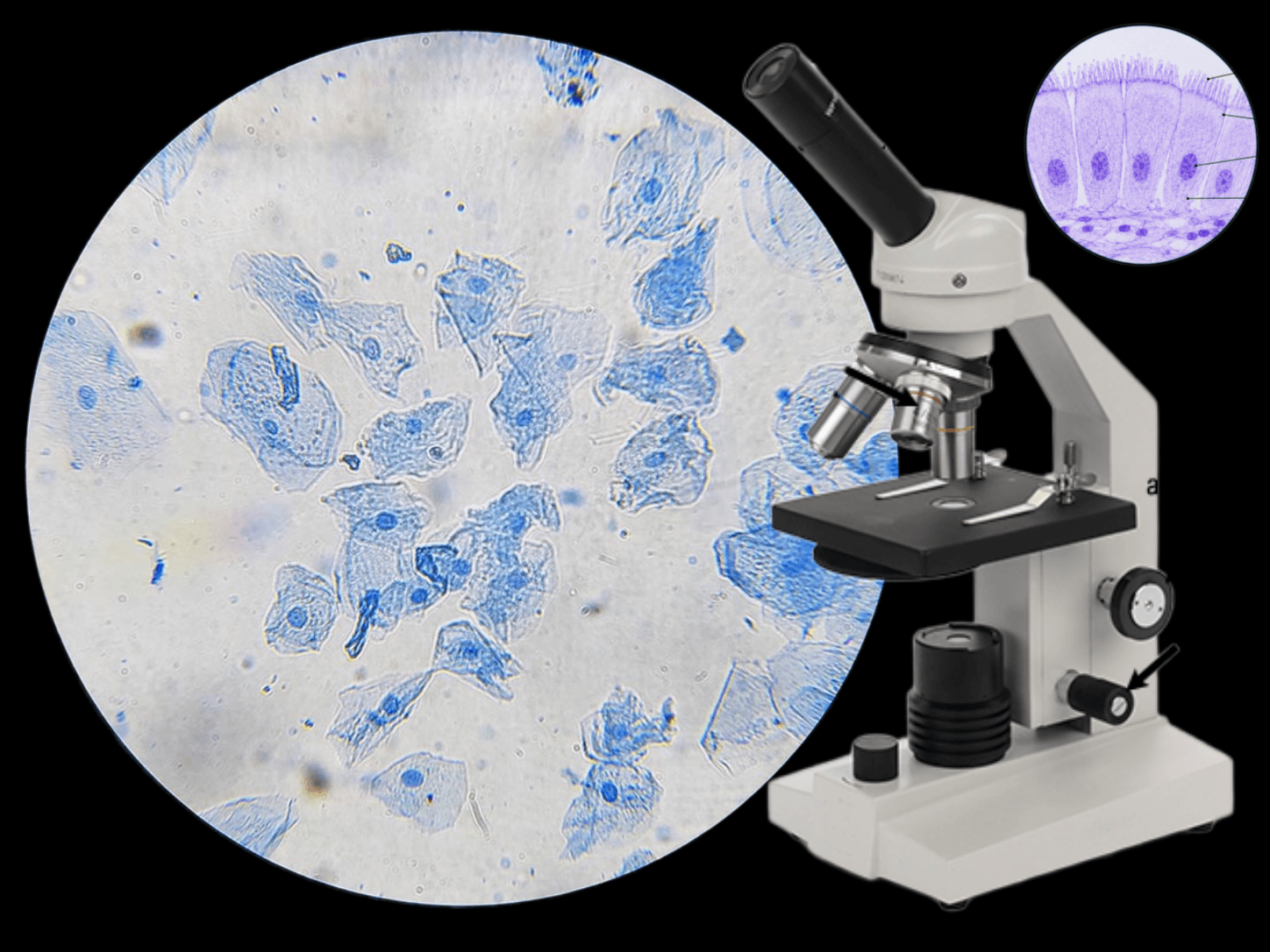
Investigation: Human Cheek Cells and Body Cells
This cell activity introduces students to cell size, scale, and specialization through a hands-on microscope investigation. Students prepare and observe a slide of their own cheek cells with simple laboratory instructions. Basically, students use a toothpick to gently scrape the inside of their mouth. Then, they swirl the toothpick in a drop of methylene blue…
-
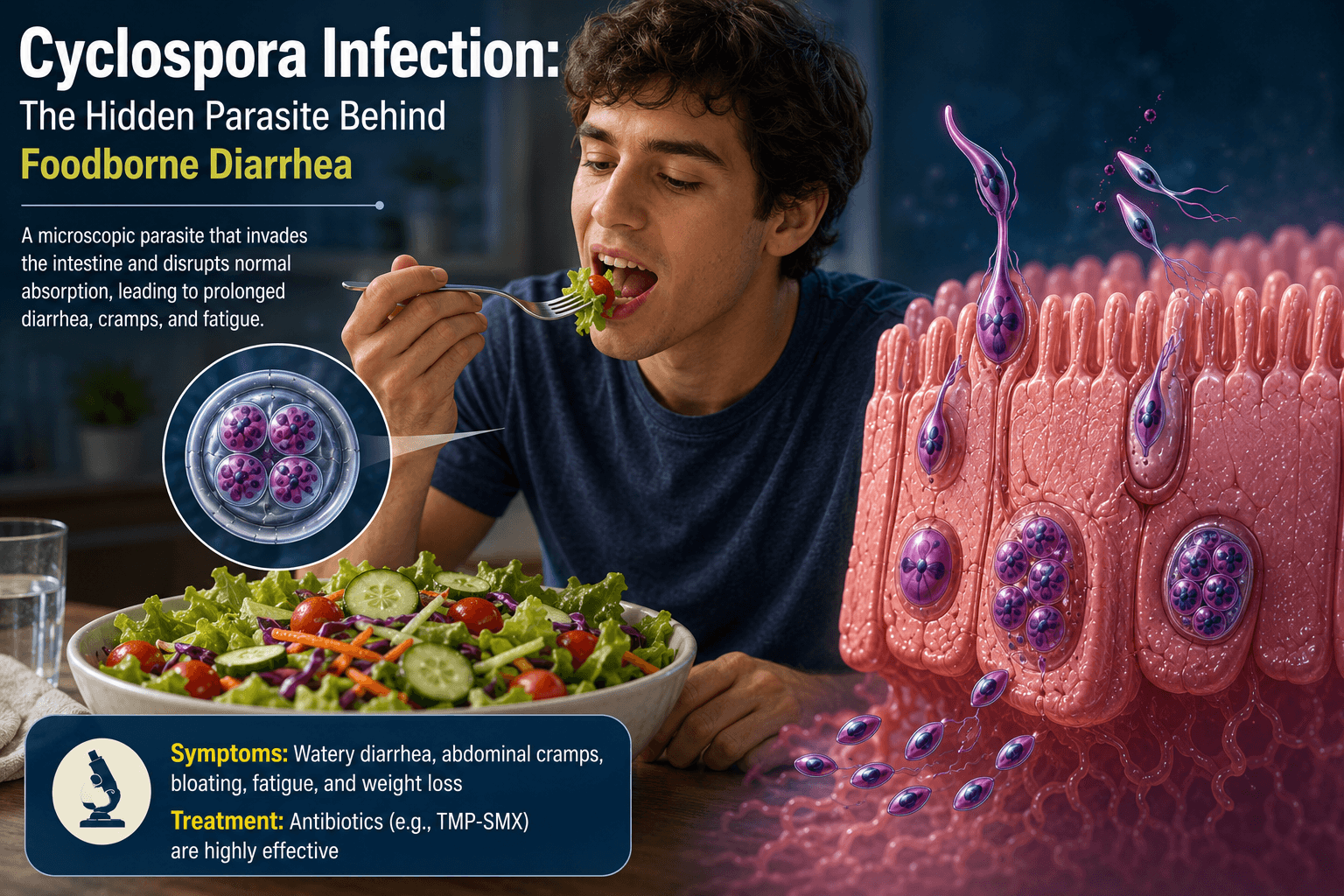
Case Study: Understanding Cyclospora Infection
Inspired by the ongoing 2026 Cyclospora outbreaks linked to contaminated fresh produce. Foodborne illnesses often make headlines, but students rarely get the opportunity to explore the biology behind these outbreaks. This Cyclospora Case Study uses a current food safety event to help students connect microbiology, anatomy, physiology, and public health through the story of a…
-
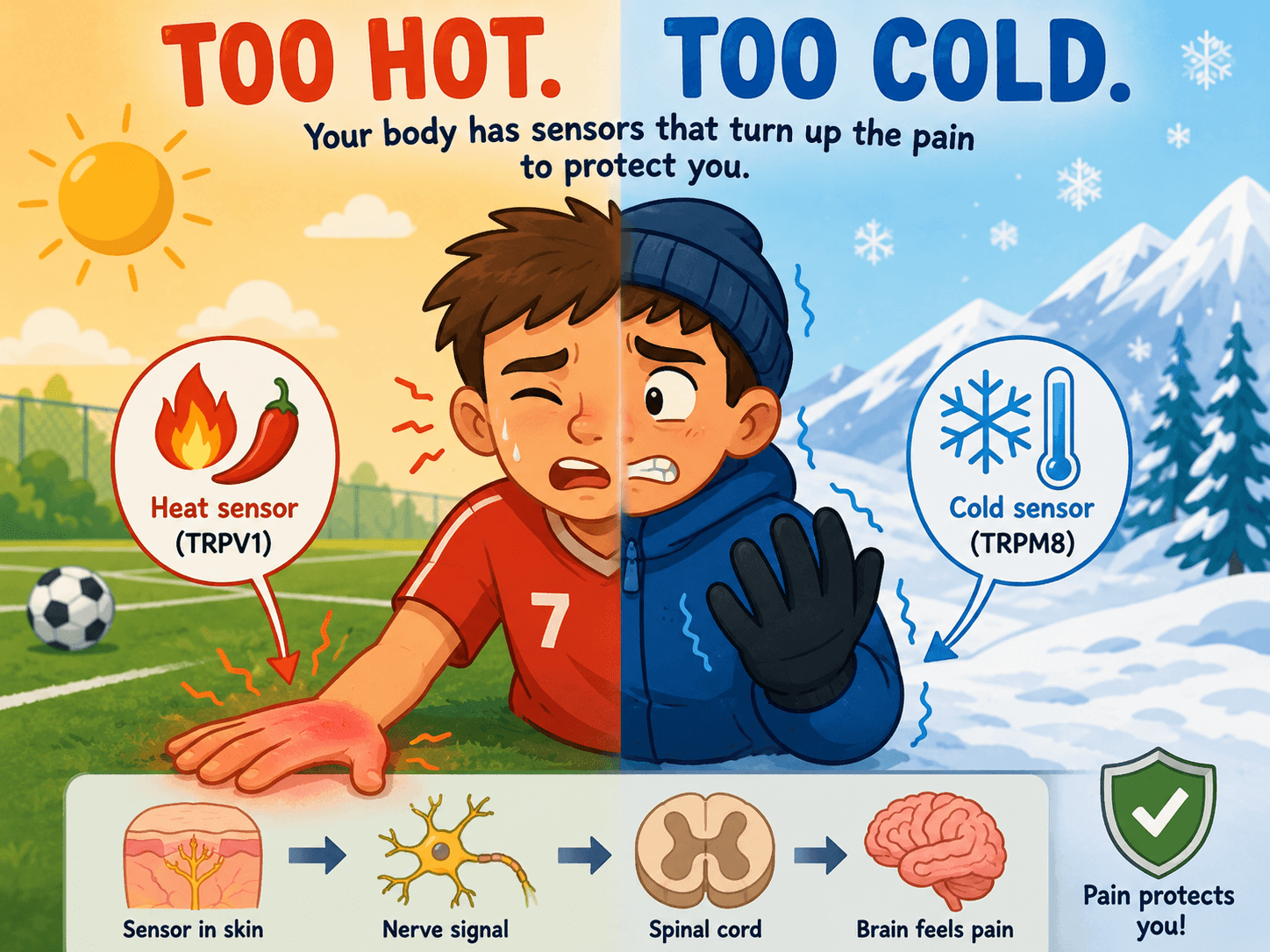
Mini-Case: Thermoreceptors and Nociceptors
Help students explore the fascinating biology behind pain with this engaging case study on thermoreceptors, nociceptors, and homeostasis. Students follow the story of a teenage athlete who trains in both scorching summer heat and freezing winter. Readers will investigate why extreme temperatures trigger pain and how the nervous system protects the body from injury. The…
-
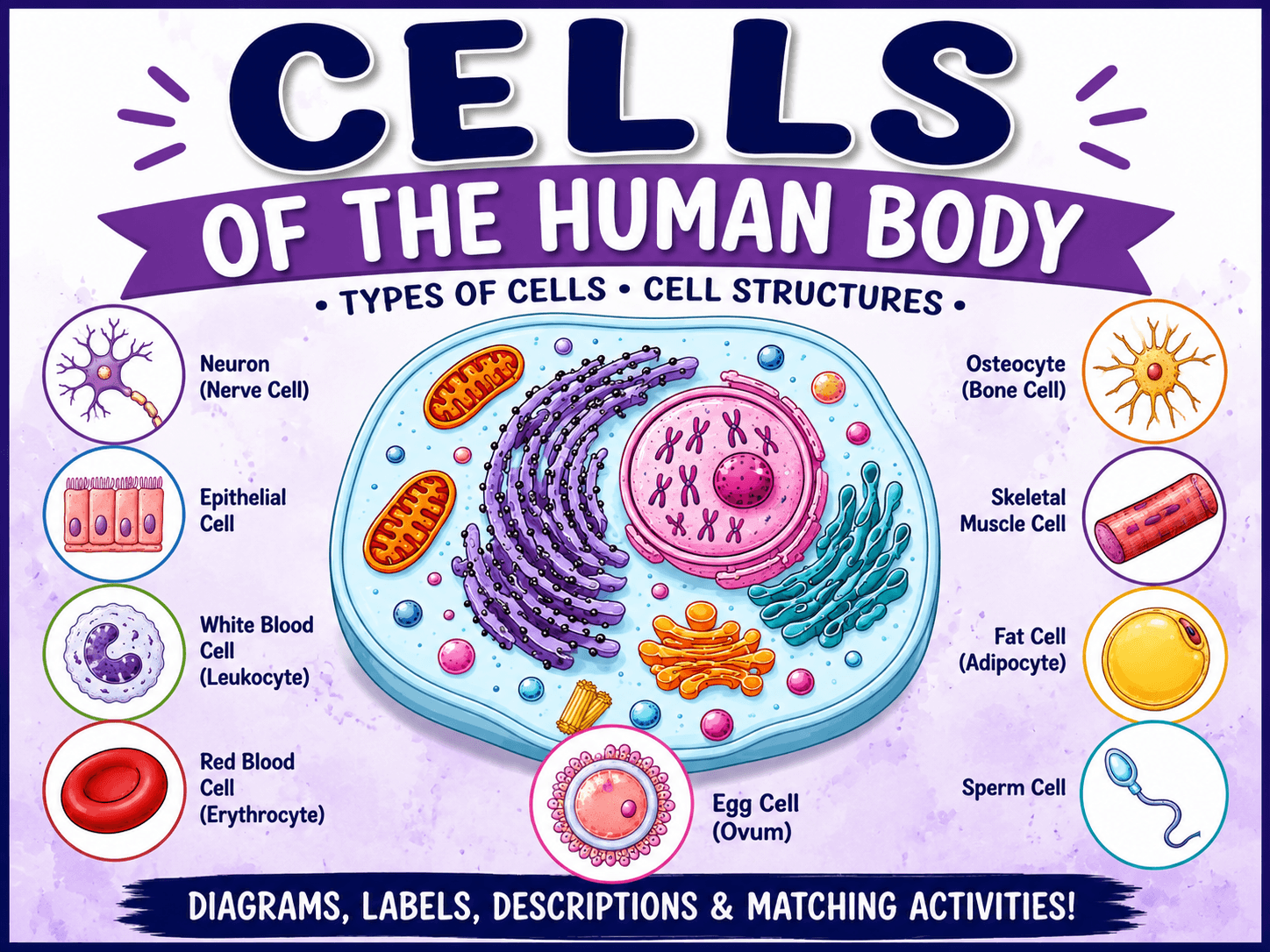
Types of Cells Coloring and Matching Activity
Every living organism is made of cells, but not all cells look—or function—the same. One of the biggest challenges for students in biology and anatomy is understanding how a single basic cell plan can be modified into hundreds of specialized cell types. This Cells of the Human Body Coloring and Matching Activity helps students make…
-
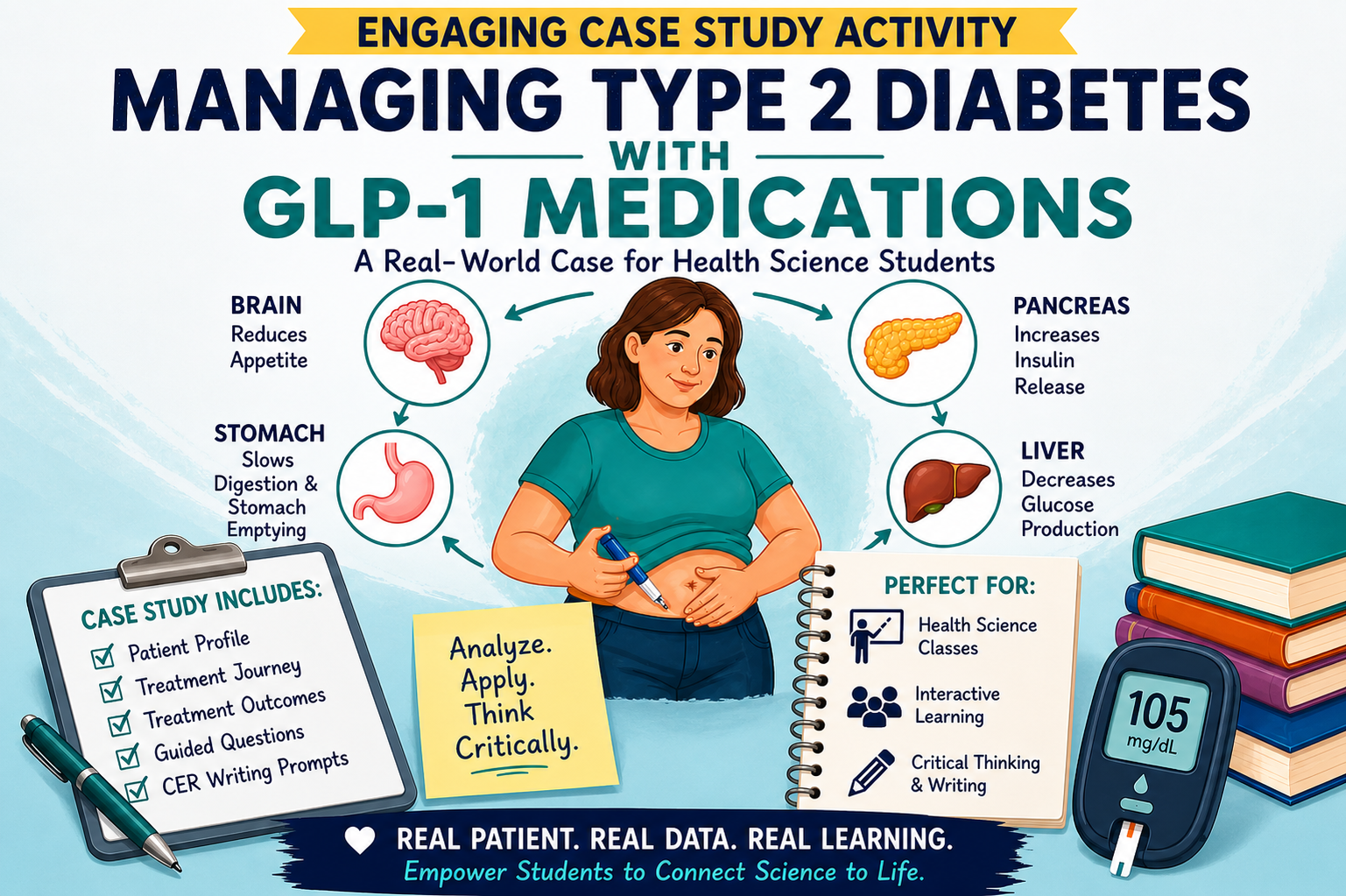
Case Study – Managing Diabetes with GLP-1
If you’re looking for a meaningful way to connect biology concepts to real life, check out this case study on managing Type 2 Diabetes. Students focus on how GLP-1 medications help the body maintain blood sugar levels. One of the most fascinating aspects of this activity is how it highlights the role of Glucagon-like peptide-1…
-
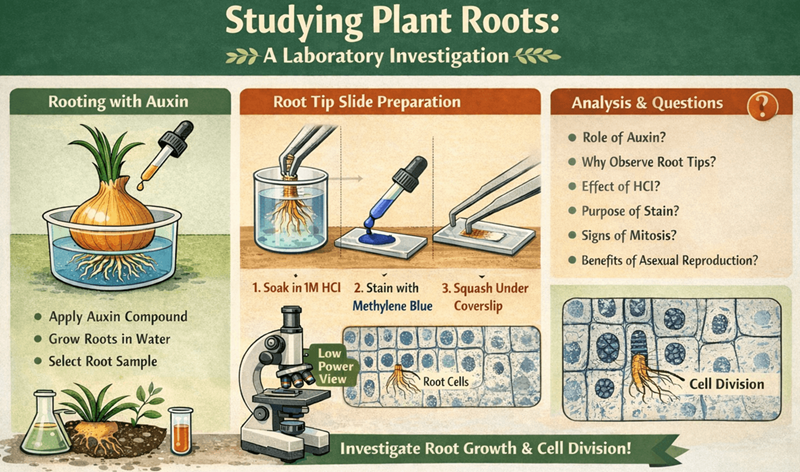
Investigation – Root Growth and Cell Division
Understanding plant hormones becomes much clearer for students when they connect hormone function directly to visible growth patterns, especially in roots of actively dividing tissues. In this classroom activity, students explore how auxin promotes root initiation, then view the dividing cells with a microscope. The introductory text explains how plant hormones work to stimulate root…
-
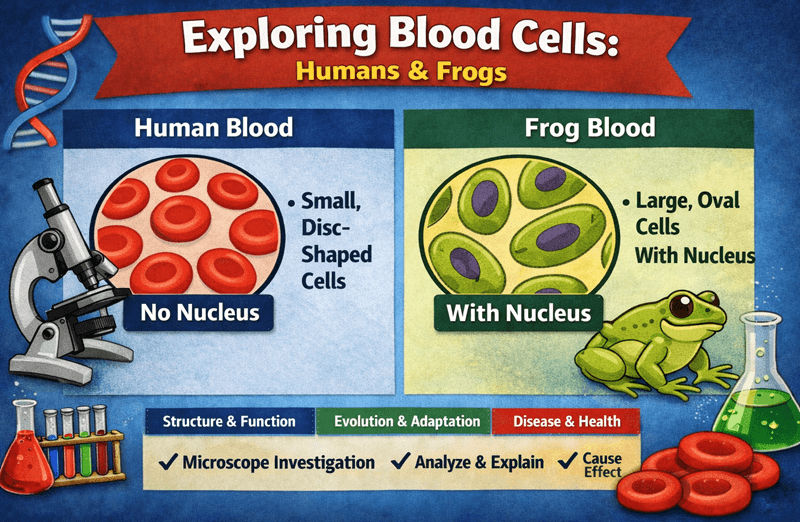
Lab – Comparing Human and Frog Blood Cells
In this hands-on microscopy lab, students investigate how blood cell structure varies across species by comparing human blood and frog blood. Using prepared blood slides, students observe red blood cells under the microscope. They document key differences in size, shape, and internal structures. Human red blood cells are small, circular, and lack a nucleus, an…
-
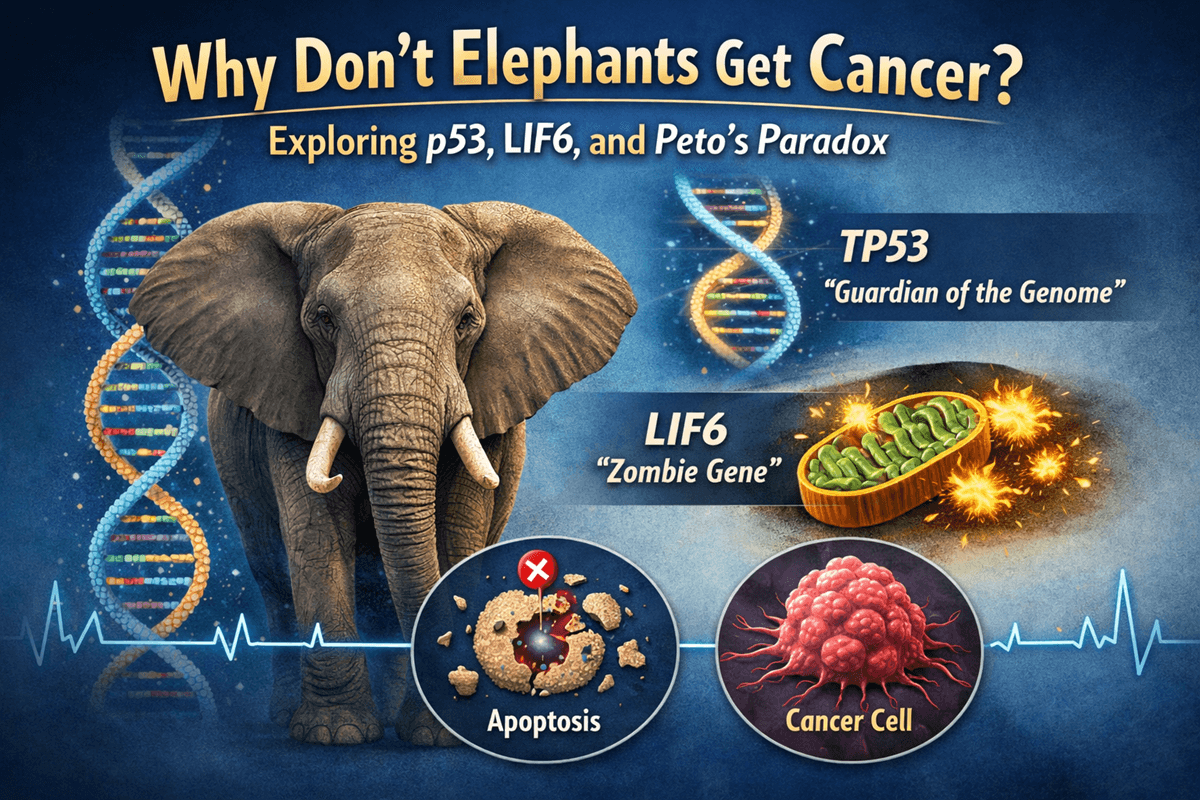
Why Don’t Elephants Get Cancer? – Peto’s Paradox
Looking for an engaging, real-world way to teach genetics, cancer biology, and evolution? This student-friendly article on why elephants rarely get cancer is a ready-to-use resource that brings abstract concepts to life using a fascinating biological mystery. This lesson centers on two powerful genes, TP53 (p53) and LIF6. Students explore how gene regulation, apoptosis, and…