
Category: Ecology
-
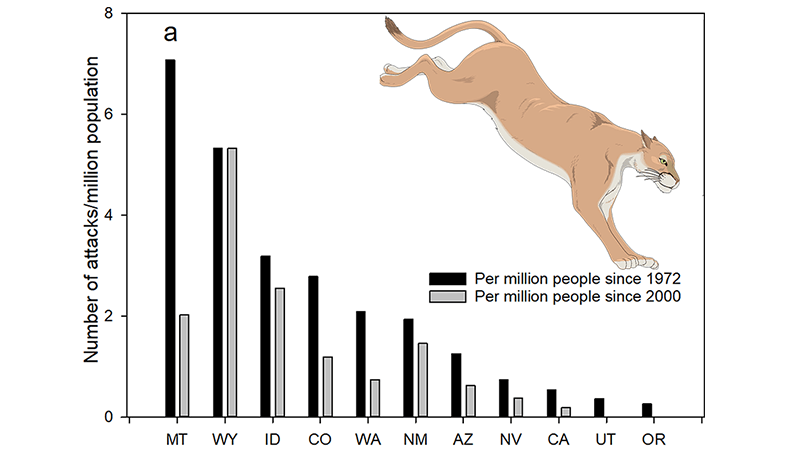
Can Sport Hunting Control Predator Populations?
Examine data that compares states that allow trophy hunting of pumas to California which does not allow hunting.
-
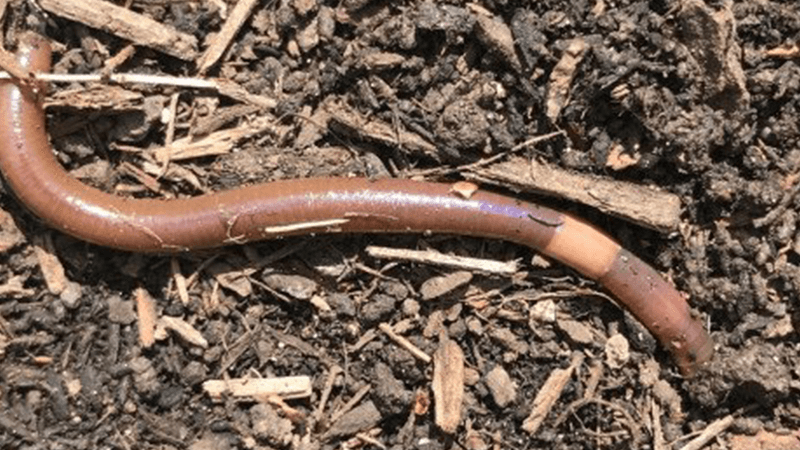
Data Analysis – Invasion of the Jumping Worms
Lesson plan uses the 5E model to explore the invasive Asian Jumping Worm and its impact on soil and forests; includes data analysis.
-
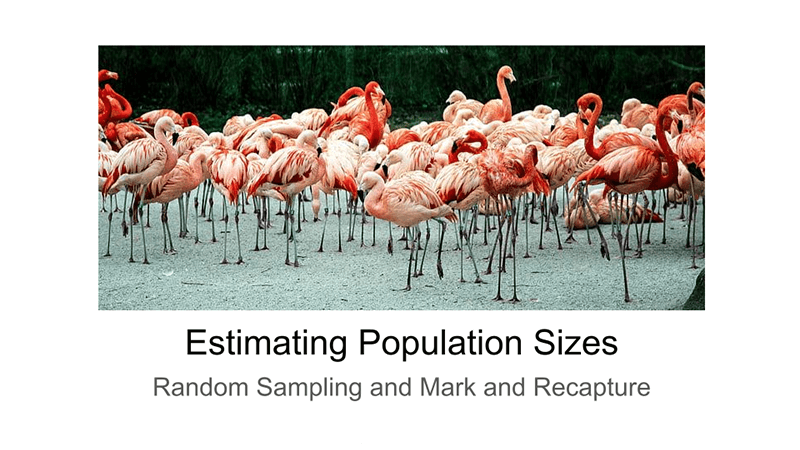
Estimating Population Size – Remote Learning Unit
Population growth studies are a common element to studies in ecology in my basic biology class. Students learn about exponential and logistic growth the impacts populations have on the environment. As part of this unit, I have had students simulate techniques used to estimate the size of a populations. I have toys packed in bags…
-
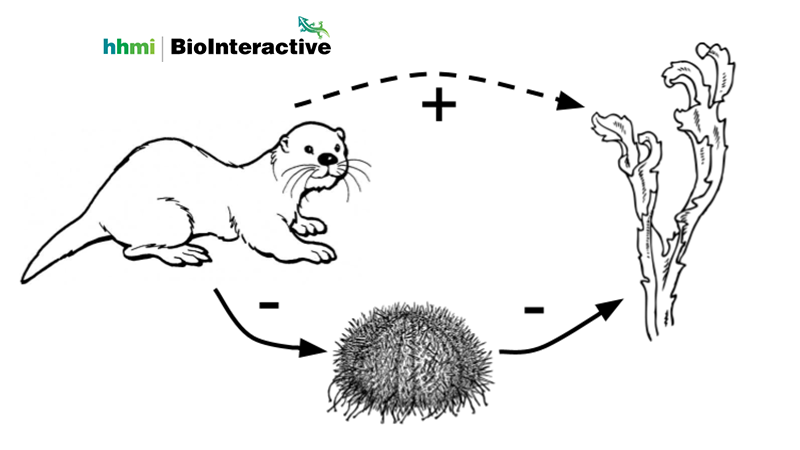
Trophic Cascades at Biointeractive
This worksheet is designed for the Interactive Activity on Trophic Cascades at HHMI Biointeractive . Students learn how the loss or addition of a species, like a fox, can affect other organisms in the system. Students complete the worksheet by answering questions as they explore the interactive activity. The activity illustrates a trophic cascade in…
-
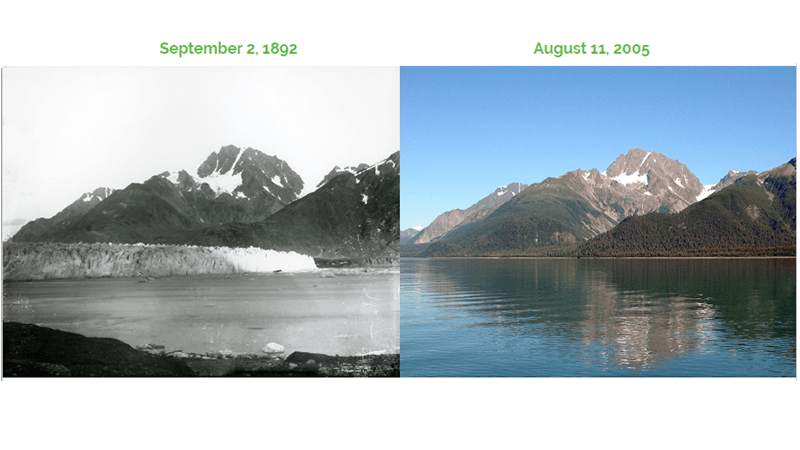
Human Population Growth
This activity was designed for home school during the Covid-19 pandemic. Students were completing a unit on ecology and had already done activities on trophic cascades. In this activity, students explore an interactive map and timeline that showcases major events in human history that impacted human populations, events like plagues or the development of new…
-

Saving a Fussy Predator, the Lynx
Read an article about the reintroduction of the lynx in Europe. A lynx is a type of feline. They are specialists, meaning that is has a very specific diet, the rabbit. Introducing the lynx poses challenges, but many people welcome its return. They are large cats, and can also pose a danger to livestock and…
-
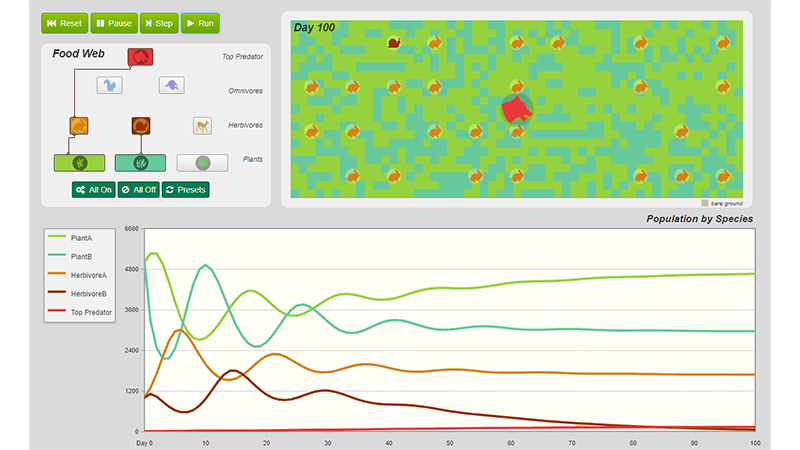
Predator Prey Simulation
Interactive program allows students to manipulate the type of organisms within a system and what they eat.
-
The Tardigrade Project
This project was created for AP Biology students where they scrape lichens from trees near campus and filter them over night so that tardigrades and other microorganisms can be collected from the water.
-
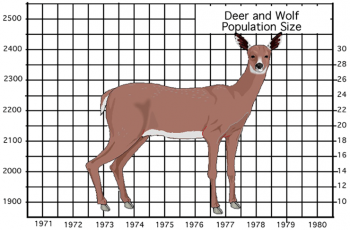
Deer: Predation or Starvation?
This activity asks students to calculate the population change (births – deaths) and then graph the number of deer and the number of wolves.
-

Measuring Biodiversity Using Beans
Students analyze a community of beans (pinto, lima, navy) to determine the richness, abundance, and biodiversity index of two communities.
-
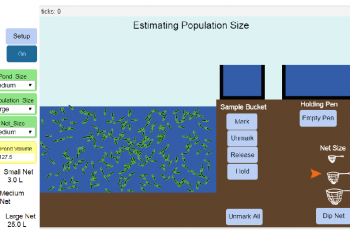
Estimating Population Size: A Netlogo Simulation
Students learn how the “mark and recapture” technique can be used to estimate population sizes by using a netlogo simulation that allows students to alter variables such as population size, and number of individuals marked.
-
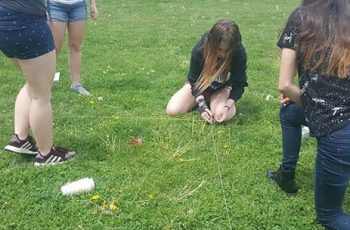
Random Sampling
Students model how field biologists would use a sampling technique to estimate the number of sunflowers in a field. First, they choose 10 plots at random by choosing paper slips, then take the average of those plots. The worksheet walks them through the steps of then using the average and the overall size of the…
-
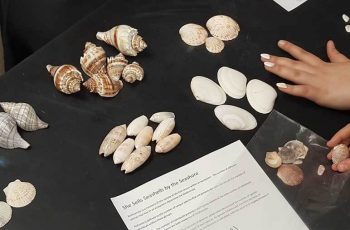
Calculate the Biodiversity Index of a Beach
This activity asks students to sort seashells and calculate the Simpson’s biodiversity index. The calculation is based on the number species in an area, dependent upon richness (number of unique species) and abundance (number of individual species).
-
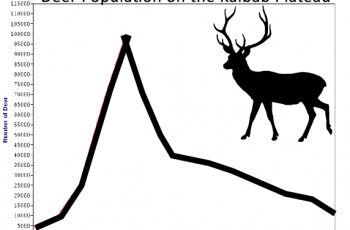
The Lesson of the Kaibab
This activity asks students to graph the number of kaibab deer on the plateau after predators were removed, then analyze data and develop a better plan.
-
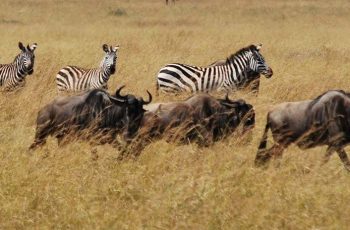
Niche Partitioning – Gorongosa Phenomenon
Explore niche partitioning in Gorongosa with this interactive graph and activity.