
Tag: lab
-
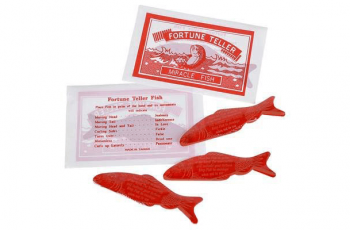
Fortune Telling Fish
This activity is perfect for a first day or as an introduction to the scientific method. Though there isn’t quite as much cooperation as the “Saving Sam” activity, the fortune telling fish allows students to explore the nature of science together. The handout linked can be given to students, or you can also project them…
-
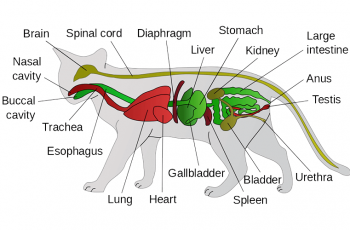
Complete Cat Dissection Student Guide
Cat dissection manual for anatomy and physiology students. A cat dissection is not usually performed in biology and reserved for upper level anatomy or college students. My anatomy class is only available for juniors and seniors. Some students may have ethical issues with dissections, and I refer them to an alternate version for the dissection…
-
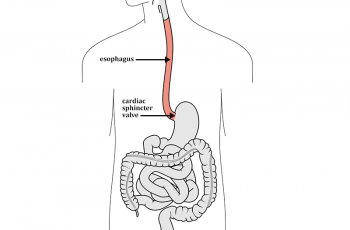
Investigation: Esophagus
This activity was designed for high school anatomy students, though it could easily be used in biology or even elementary school classes. The goal is for students to determine if water moves down the esophagus by gravity or by the action of the muscles, peristalsis. First, students measure the length of the esophagus with ruler…
-
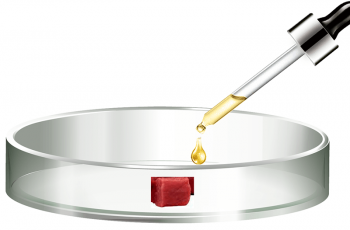
StoryLab: How Enzymes Work
This story lab aligns to an investigations students do with enzymes where they put hydrogen peroxide on liver and observe bubbles produced from the reaction with catalase. This investigation has several versions for different levels of biology (regular track, intro, and AP) though the story lab was intended for the intro track students who do…
-
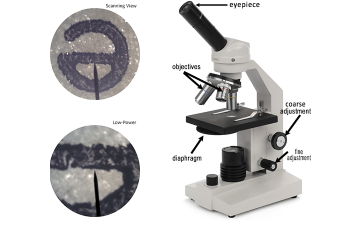
StoryLab – Microscope “E”
This Storylab aligns with a basic microscope lab where students learn the parts of the microscope and locate the letter “e’ on a prepared slide.
-
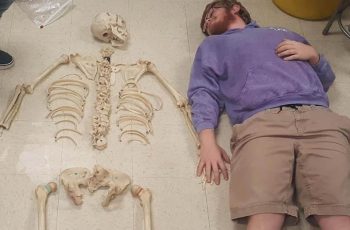
Estimate a Person’s Height from the Bones
In this activity, students use tape measures to estimate the length of their femur, ulna, and tibia. These lengths are then with an equation to estimate their height which can then be prepared to their actual height.
-
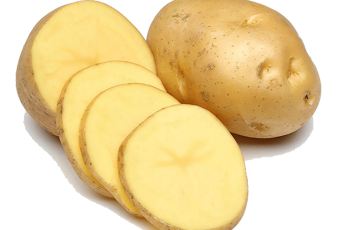
Investigation: The Effect of Salt on a Potato
Students observe how the mass of a potato slice changes when soaked overnight in salt water. The activity is intended to be done as part of a lesson on osmosis and hypertonic and hypotonic solutions. Students will need about 15 minutes to set up their cups, weigh their slices and make predictions about what they…
-
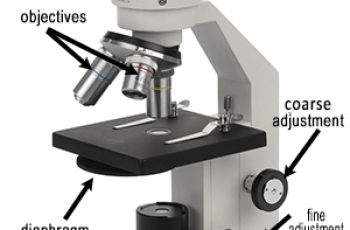
Microscope Introduction – Basic “e” Lab
This lab is similar to the “e” lab used with freshman biology, but designed for students in the vocational track. It has less reading and more detailed steps for using the microscope as well as a larger font and bigger spacing.
-
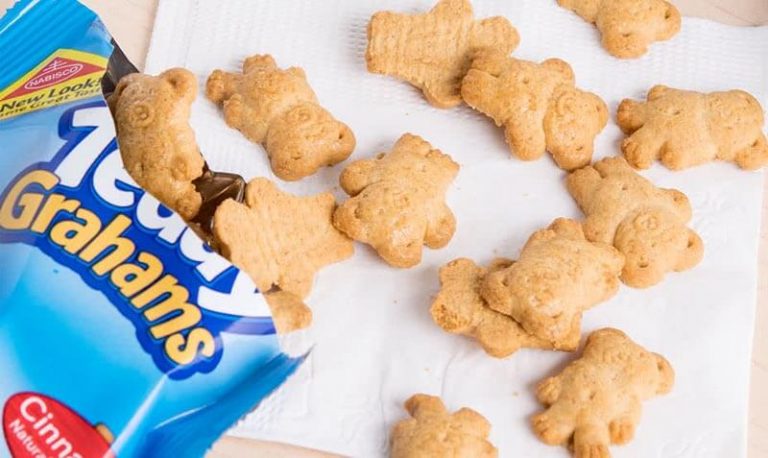
Teddy Graham Lab Modeling HW Equilibrium
Model Hardy Weinberg equilibrium using Teddy Grahams. Compare happy bears to sad bears.
-
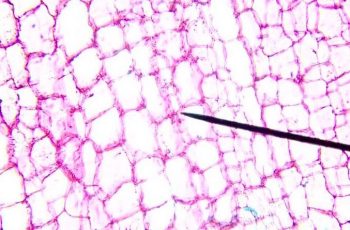
Investigation: Exploring Cells
While biologists might find the history of the cell theory fascinating, I notice that many of my students seem to tune-out when you bring up the history of scientific discoveries. In order to save time and improve engagement, I created this lab to include a short history of the cell theory as students explore prepared…
-
Investigation: How Do Enzymes Work?
This lab is fairly basic, but when given with guided instruction how enzymes catalyze reactions, students can have a hands-on experience into how proteins are related to function.
-
Using Anchoring Phenomenon with Lessons
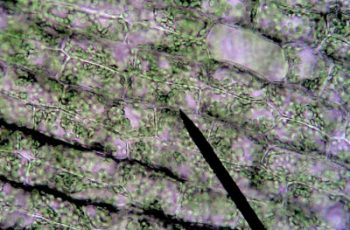
Start lessons on osmosis with an activity and anchoring phenomenon. View cells exposed to salt and observe how they change!
-
Penny Lab: Soap and Surface Tension
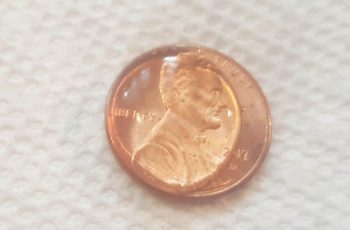
Most science classes begin the year with an exercise on the scientific method. It can be difficult to plan a short activity that will reinforce the main ideas of developing and testing a hypothesis. This lab is simple and doesn’t require much in the way of materials: pennies, water, and pipettes (and paper towels for…
-
Comparing the Ameba to the Paramecium
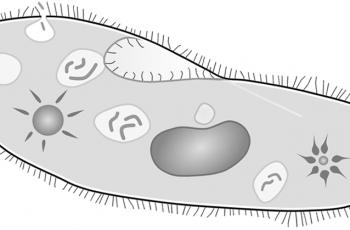
With the adoption of NGSS, I’ve had to make cuts to some of the lessons that biology classes of the past enjoyed. I was sad to see it go, but we no longer do a unit on the Kingdom Protista, but I still manage to fit a microscope lab into other sections.
-
Urine Luck! – A Urinalysis Simulation
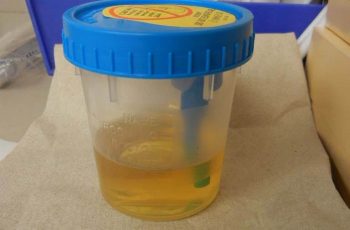
Examine urine samples from patients and suggest a diagnosis and treatment plan based on test results. Simulated urine, can be made with basic materials and models basic tests done on real urine.