
Search results for: “science graph”
-

Case Study – A Tiny Heart (old version)
Students examine the symptoms of a newborn baby who has a problem with his heart and suggest treatment options.
-

Student Activities on the Importance of Observation
This activity combines literature with science as a fun way to show students how important it is to make good observations in science.
-

Stickleback Fish – An Evolution Story
Students to examine two lakes and compare the types of fish in each. They learn how lakes form, and why spines may be an advantage for some populations.
-
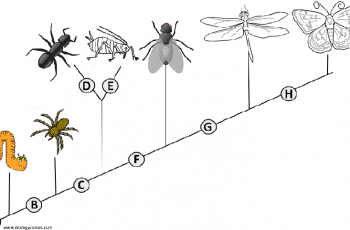
Cladogram Analysis
A short explanation of phylogeny and using cladograms, where students analyze a diagram, identify derived characters, and then construct their own cladogram.
-
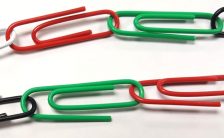
How Can DNA Replication Be Modeled?
Hands-on activity uses colored paperclips to model DNA double helix and show how semi-conservative replication takes place.
-
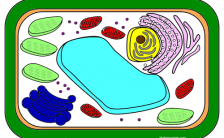
Color a Plant Cell and Identify Functions
Students learn the structures found in a plant cell by coloring them according to directions.
-
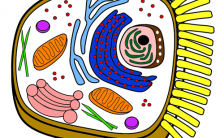
Color a Typical Animal Cell
This worksheet requires students to color a drawing of animal cell according to directions, intended as practice or reinforcement for a unit on cell biology.
-
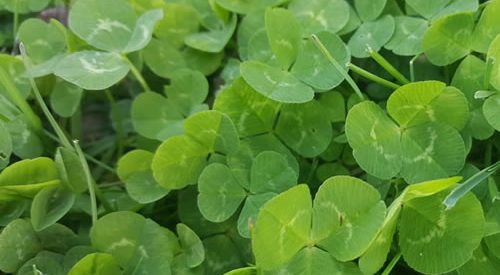
Case Study – Evolution and White Striped Clovers
The production of cyanide by clovers with white stripes is an evolutionary advantage is some environments, but not others.
-
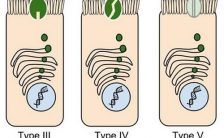
Case Study – Cystic Fibrosis
This case study explores the relationship between the cell membrane and breathing difficulties that occur as a result of the genetic disorder cystic fibrosis.
-
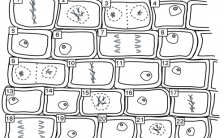
Mitosis in an Onion Cell
Graphic shows an image of the cells in an onion root tip in various stages of mitosis.
-
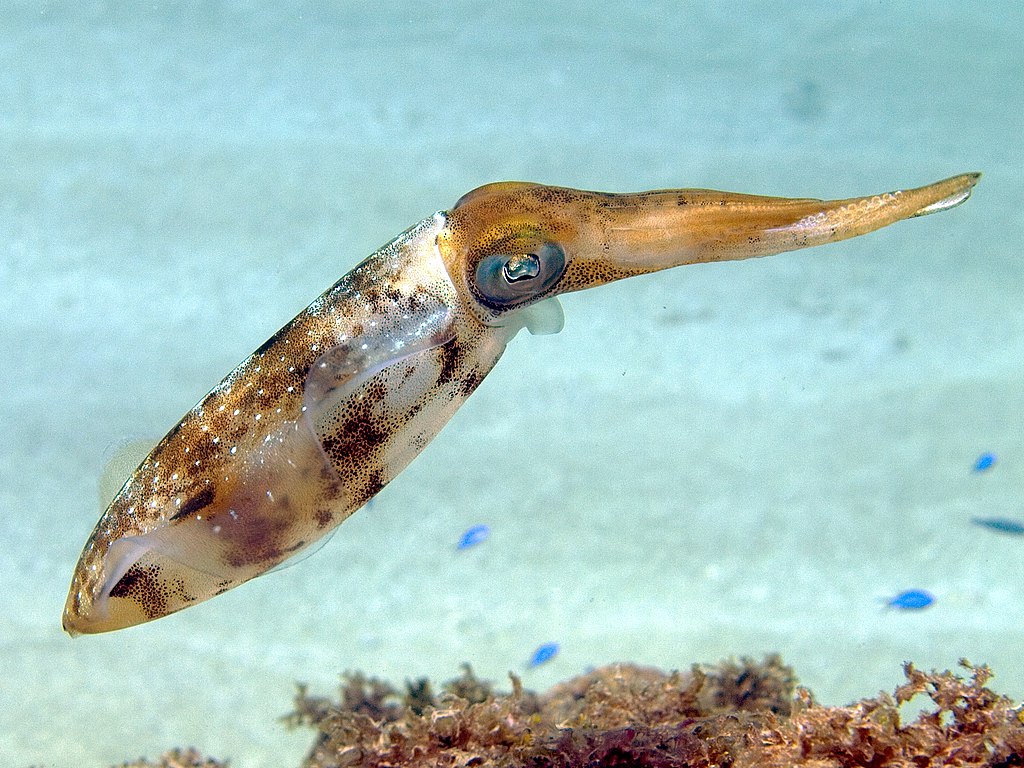
Squid Dissection for Beginners
External and internal anatomy of the squid with directions for dissection and identifying structures.
-
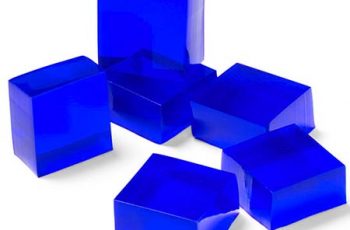
Investigation: Modeling Diffusion
This inquiry investigation requires students to cut agar into 3 shapes (small, medium, large) and compare the rates of diffusion.
-
Comparing Plant Cells
Students observe onion cells and elodea cells using the light microscope. Students compare structures found in each type of cell and create drawings.
-

Observing Human Cheek Cells with a Microscope
In this lab, students use a toothpick to get a sample of cells from the insides of their cheek, stained with methylene blue.
-
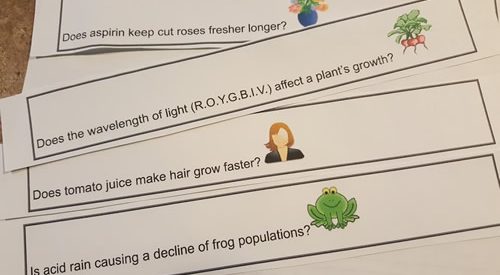
Scientific Method Scenarios
students work in groups to develop an experiment that answers a question. Students design the experiment, and must also identify the a control group and the independent and dependent variables in their experiment.