
Category: Worksheets
-
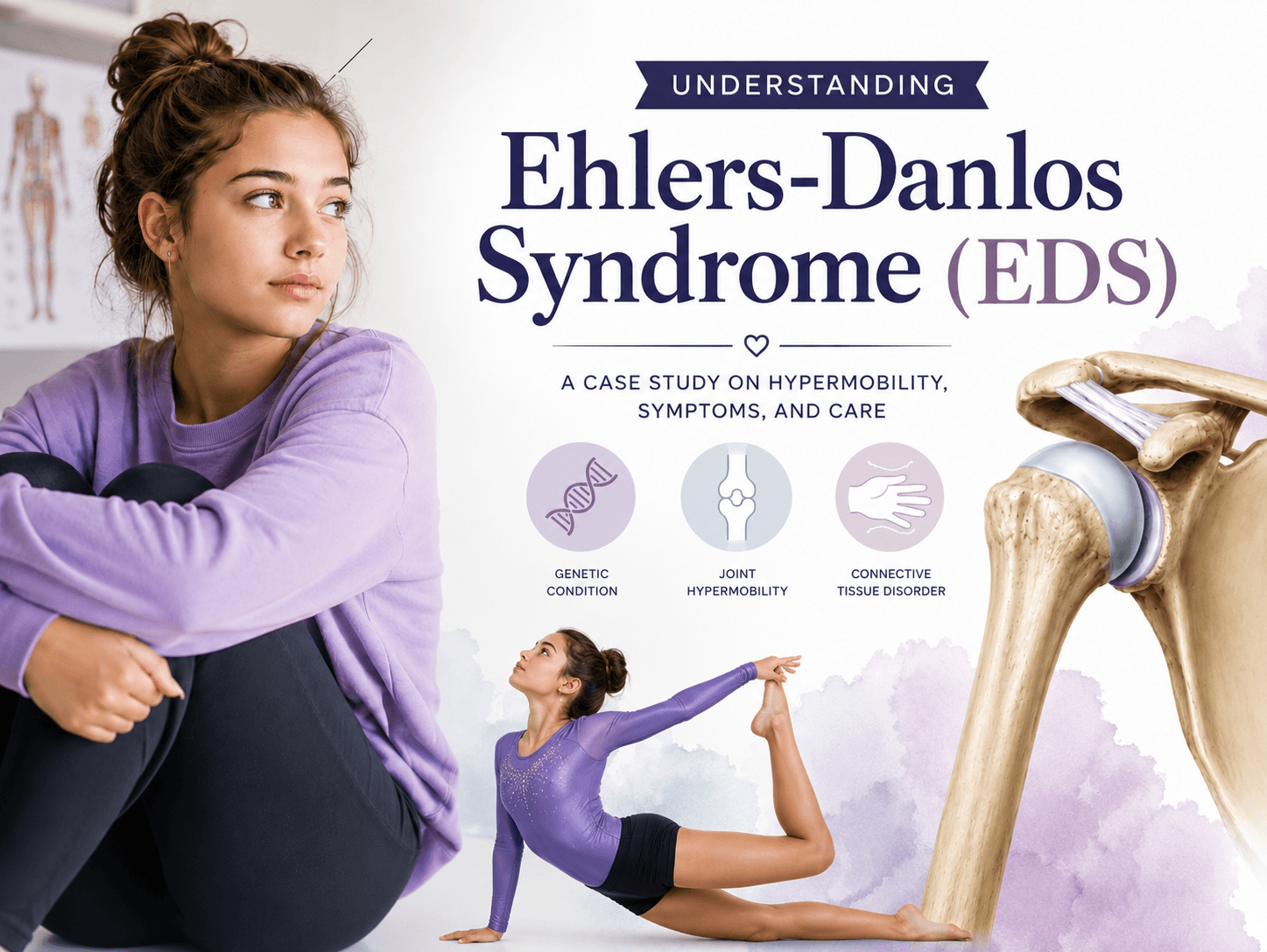
Case Study: Ehlers-Danlos Syndrome
One of the best ways to help students understand anatomy is to connect body systems to real people. This Ehlers-Danlos Syndrome (EDS) Case Study introduces students to a teenage girl whose unusual flexibility turns out to be more than a talent. EDS is the result of a connective tissue disorder that affects the entire body.…
-
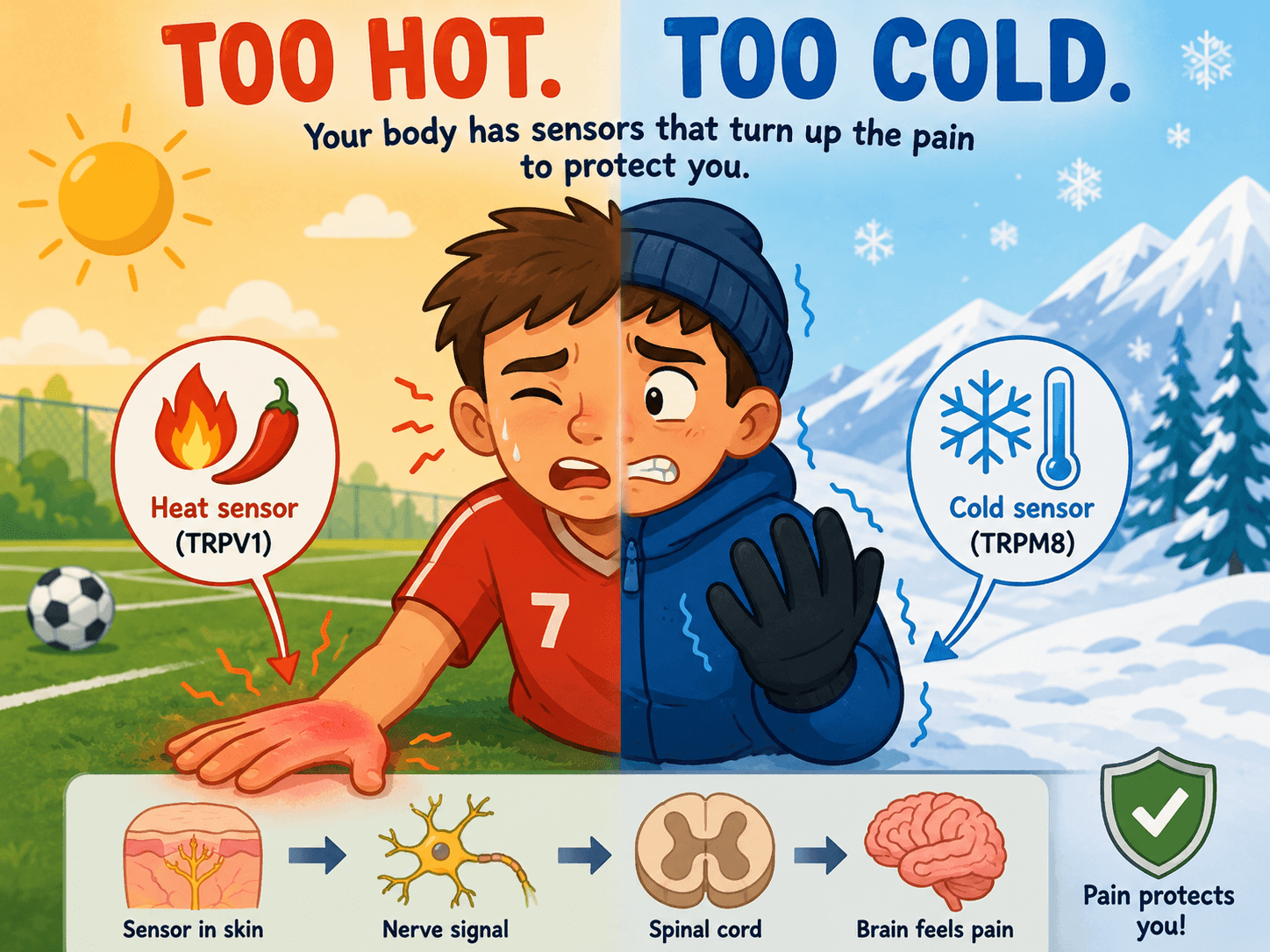
Mini-Case: Thermoreceptors and Nociceptors
Help students explore the fascinating biology behind pain with this engaging case study on thermoreceptors, nociceptors, and homeostasis. Students follow the story of a teenage athlete who trains in both scorching summer heat and freezing winter. Readers will investigate why extreme temperatures trigger pain and how the nervous system protects the body from injury. The…
-
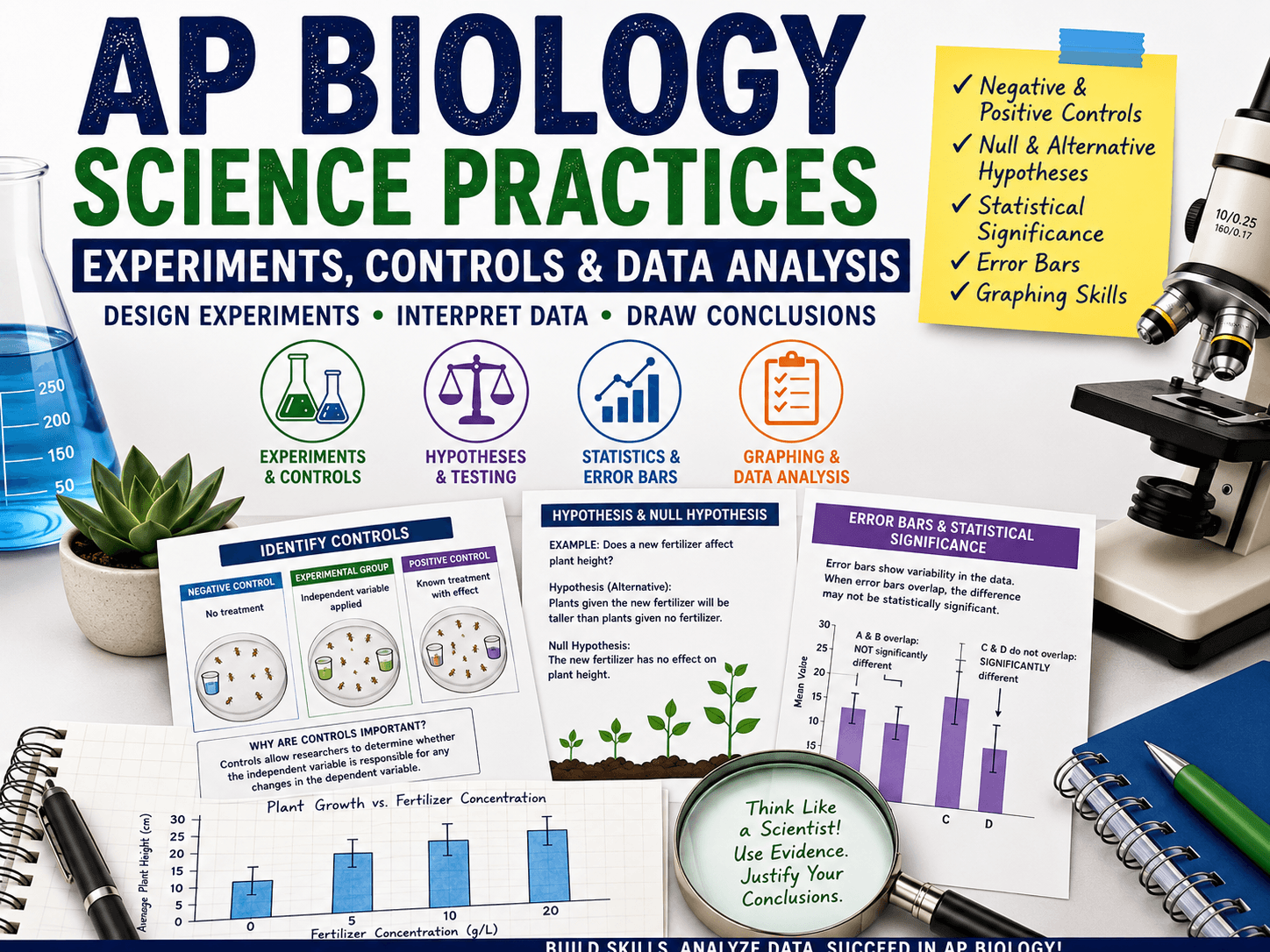
AP Bio Science Practices – Analyzing and Graphing Data
Success in AP Biology requires much more than memorizing biological concepts. The AP Biology exam emphasizes scientific thinking, the ability to design experiments, interpret data, evaluate evidence, and communicate scientific conclusions. This worksheet gives students targeted practice with the quantitative reasoning and experimental design skills that appear throughout the course and on the AP exam.…
-
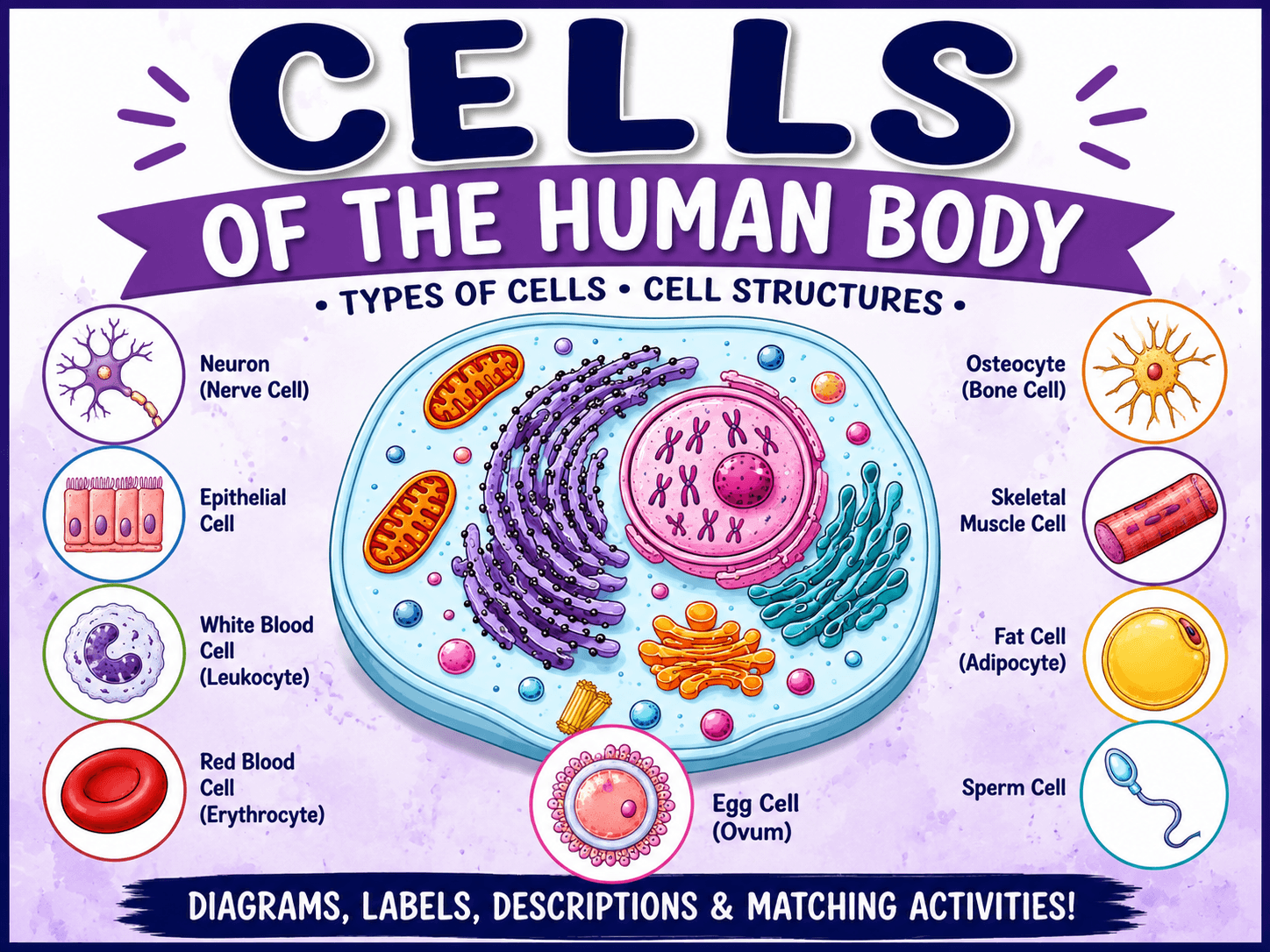
Types of Cells Coloring and Matching Activity
Every living organism is made of cells, but not all cells look—or function—the same. One of the biggest challenges for students in biology and anatomy is understanding how a single basic cell plan can be modified into hundreds of specialized cell types. This Cells of the Human Body Coloring and Matching Activity helps students make…
-
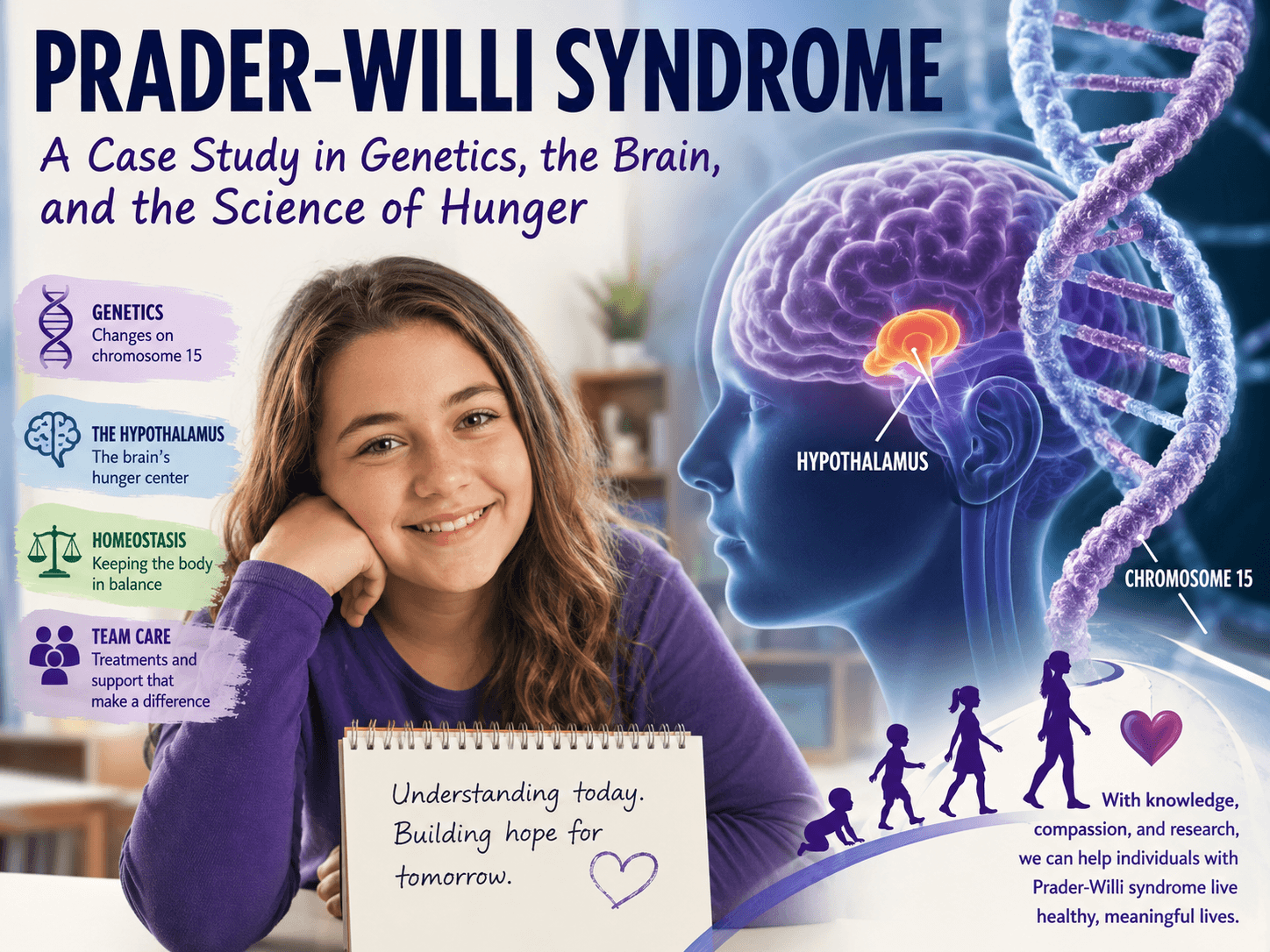
Case Study – Understanding Prader-Willi Syndrome
Rare genetic disorders provide some of the best opportunities for students to see how multiple body systems work together. While many lessons teach genetics, the nervous system, or the endocrine system separately, Prader-Willi syndrome (PWS) demonstrates how a single genetic change can affect nearly every aspect of human physiology. This case study follows Ella, an…
-
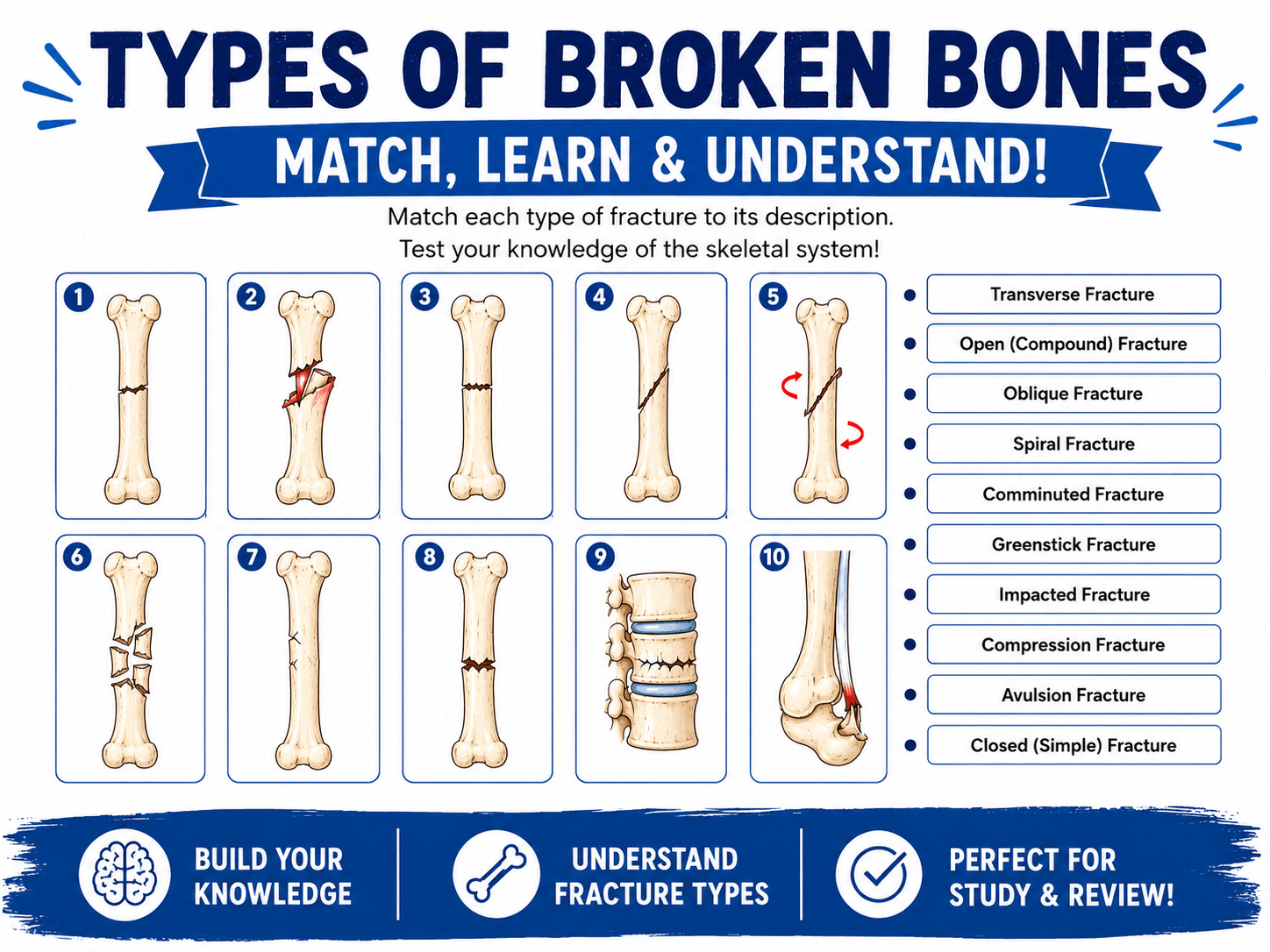
Types of Broken Bones – A Matching Activity
A broken bone might sound simple, but fractures can occur in many different ways. Some bones crack straight across, others break at an angle, and some may even shatter into several pieces. In this bone fracture matching activity, students explore the different types of fractures by examining graphics and matching each image to a written…
-
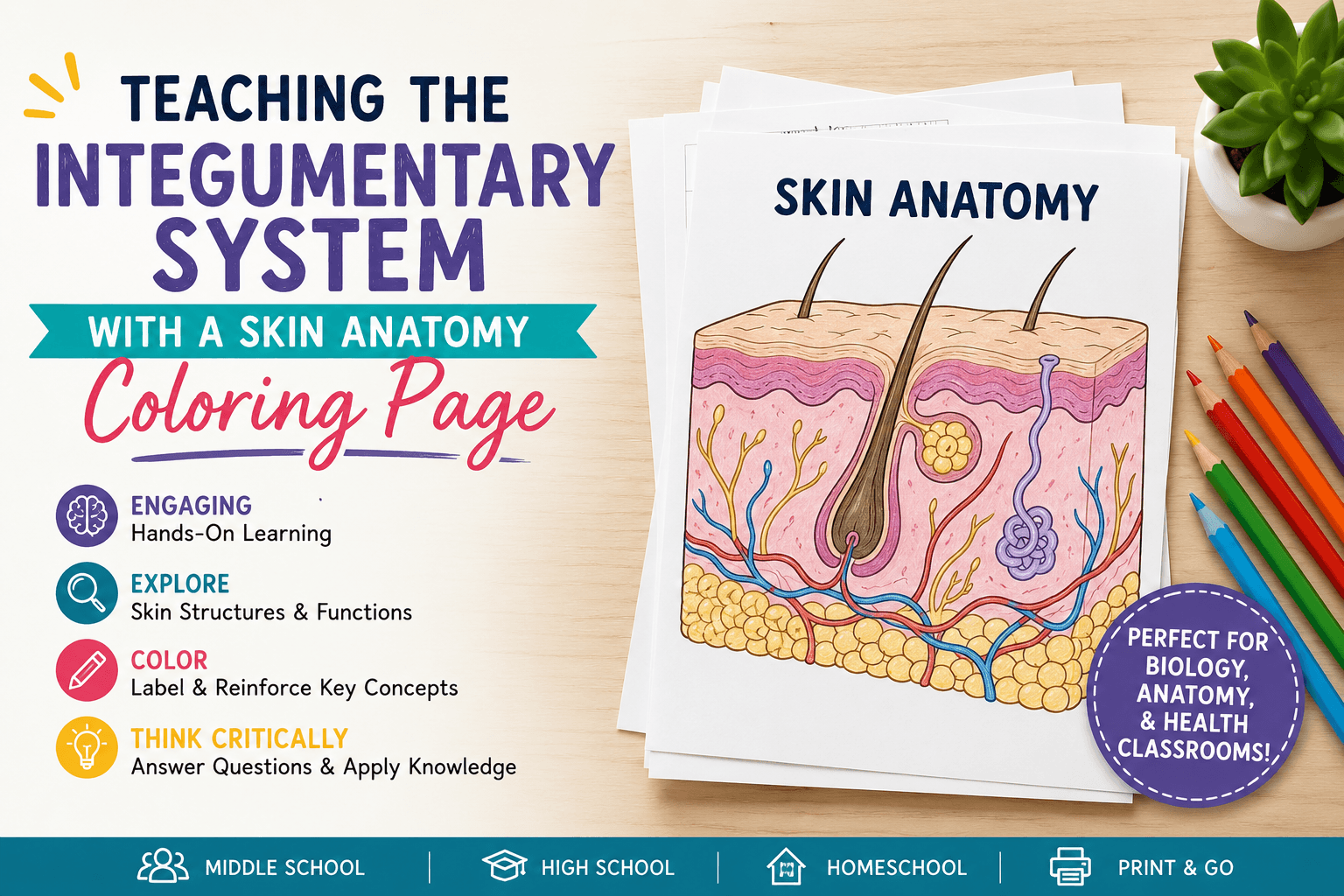
Integumentary System – Color the Layers of the Skin
When students think about the human body, they often focus on organs like the heart, lungs, or brain. Yet the body’s largest organ is something they see every day—the skin. Despite its importance, students frequently underestimate the complexity of the integumentary system and the many structures working beneath the surface. This Skin Anatomy Coloring Page…
-
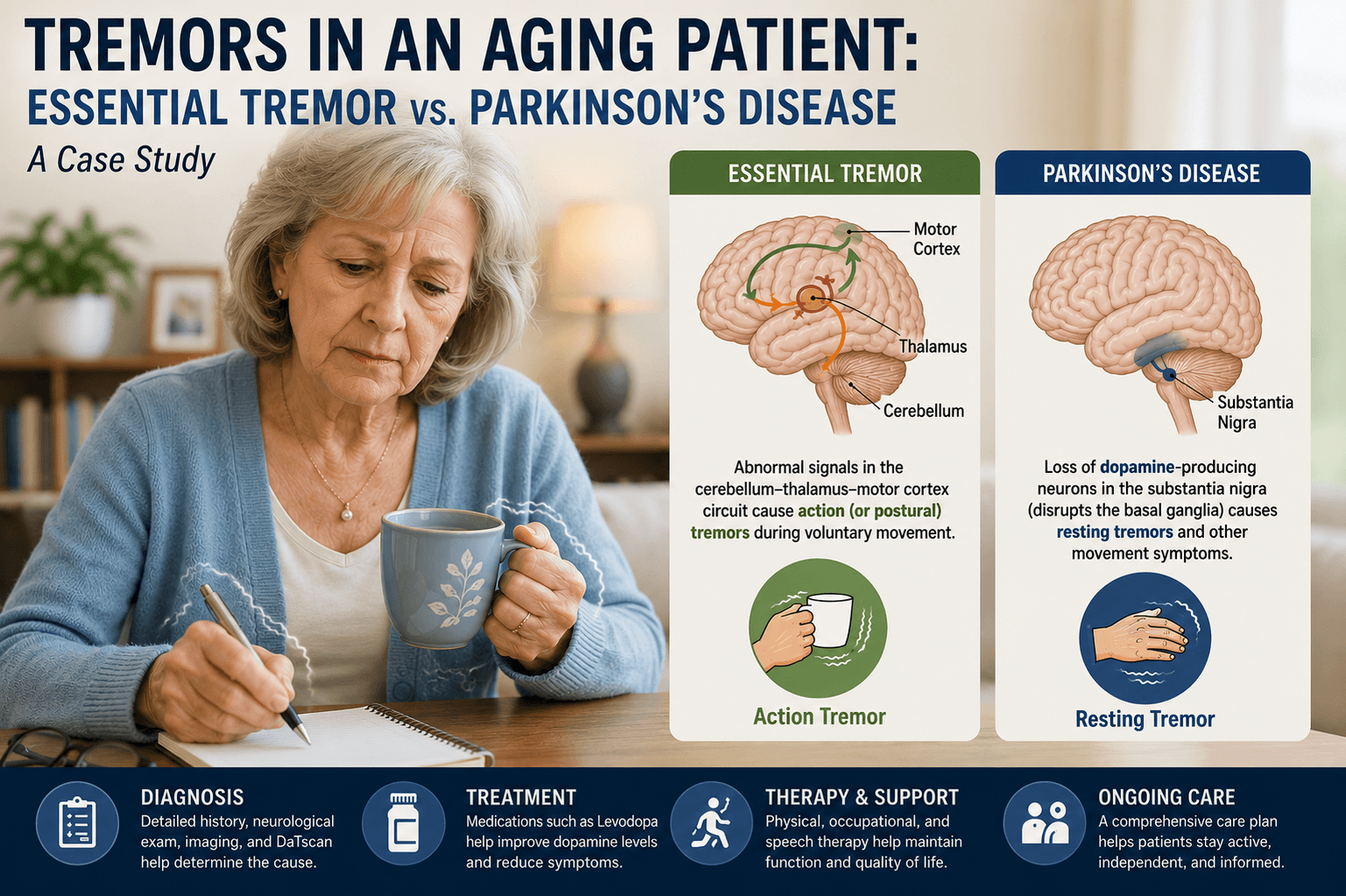
Case Study – Essential Tremor or Parkinson’s Disease?
Many students have seen a grandparent, neighbor, or older family member whose hands shake while holding a cup of coffee, writing a note, or eating a meal. These tremors are often easy to notice, but understanding why they occur can be much more complicated. This case study introduces students to June, a retired teacher who…
-
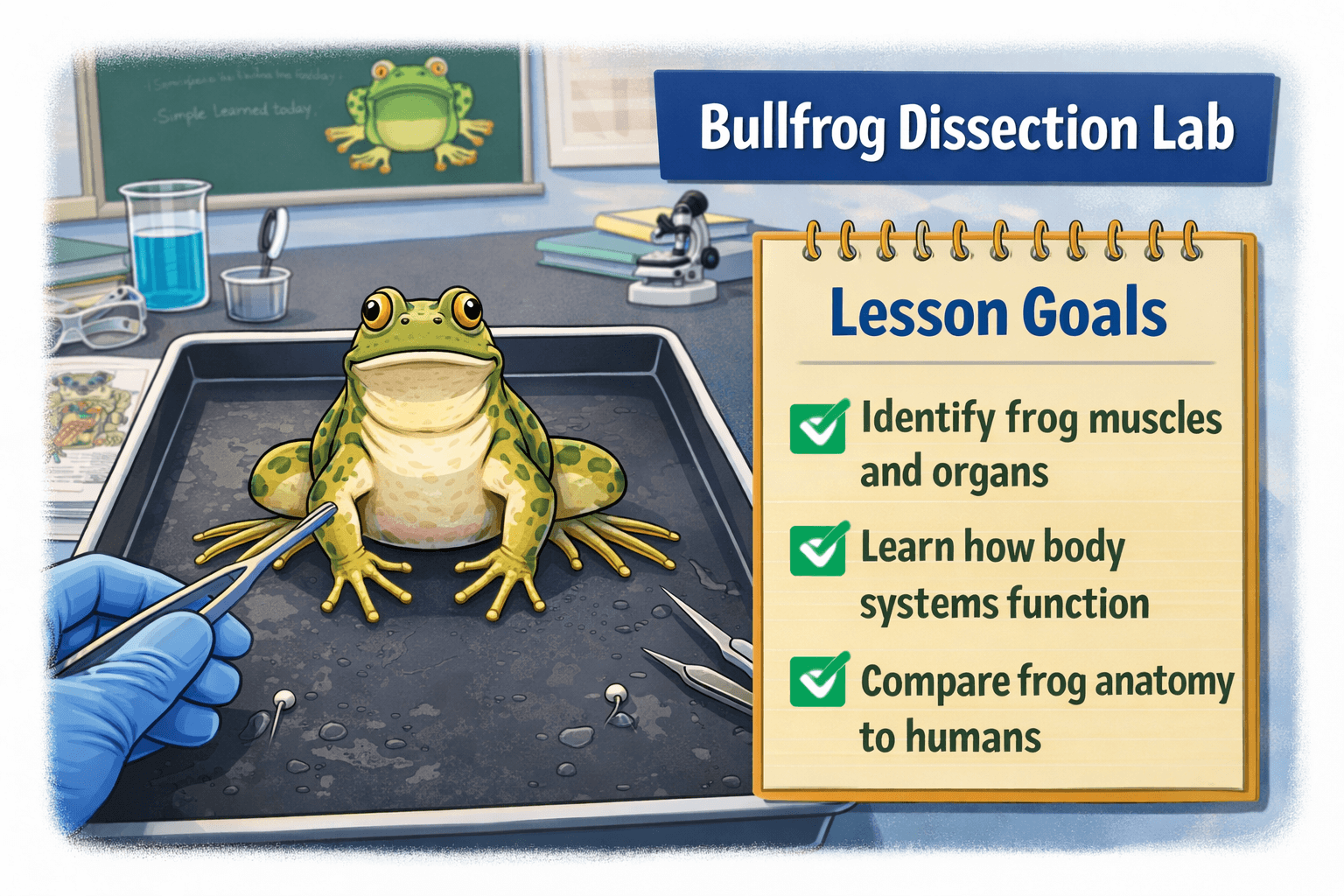
Bullfrog Dissection for AP Biology Students
Dissections have long been a cornerstone of biology education because they provide students with a unique opportunity to explore the structure and function of living organisms in a hands-on way. While diagrams and models are valuable learning tools, nothing compares to observing actual organs, tissues, and body systems as they are arranged within an organism.…