
Category: Worksheets
-
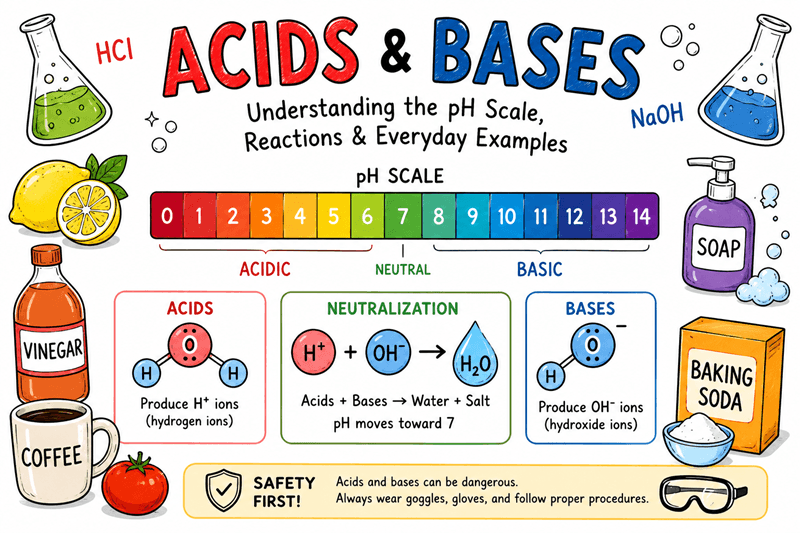
Acids, Bases, and pH Scale: A Coloring Worksheet
Teaching acids and bases can be challenging because many of the concepts are invisible. Students can’t see hydrogen ions, hydroxide ions, or the chemical reactions happening in a solution. That’s why visual learning tools are so valuable. Acidity and alkalinity are usually covered in chemistry, which is a prerequisite for AP biology, but students will…
-

Bamboo Bioplastic – An Ecofriendly Alternative
Looking for a meaningful way to connect cell biology, polymers, environmental science, and biotechnology in your classroom? This free classroom resource adapts a recent scientific research study into a student-friendly reading passage designed specifically for high school biology students. Students often hear about plastic pollution, but rarely get to explore how scientists are actively developing…
-
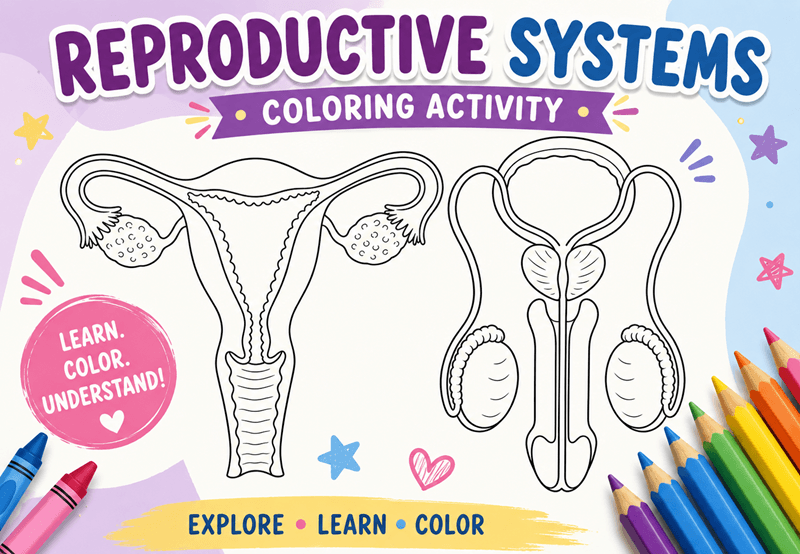
Color the Male and Female Reproductive System
Teaching anatomy can be challenging, especially when students are learning complex internal structures for the first time. One way to make anatomy lessons more engaging and memorable is through coloring activities. These male and female reproductive system coloring worksheets combine visual learning with hands-on interaction, helping students identify important structures while reinforcing anatomical terminology. Coloring…
-
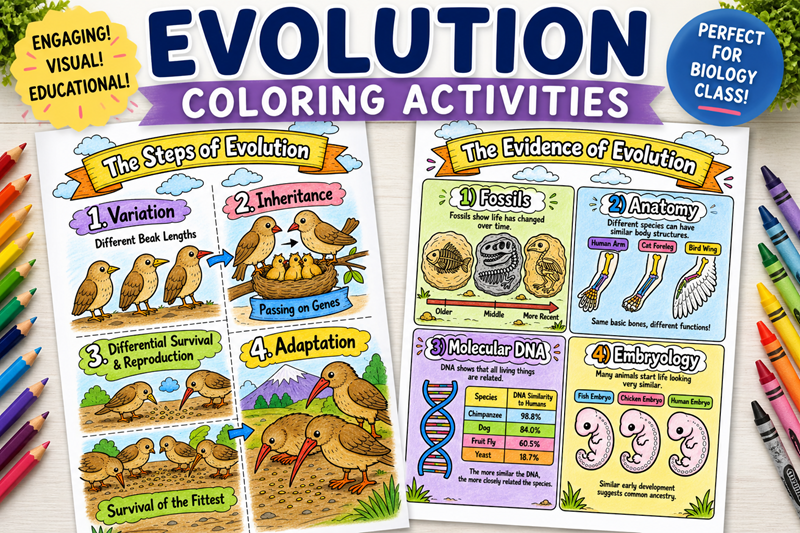
Evolution Coloring Sheets
Teaching evolution can be challenging, especially when students are trying to connect abstract concepts to real-world examples. These two engaging coloring worksheets can make evolution more accessible, interactive, and memorable for students. I designed these as “extra” assignments, to go with the unit on evolution for my freshman biology students. You can access the complete…
-
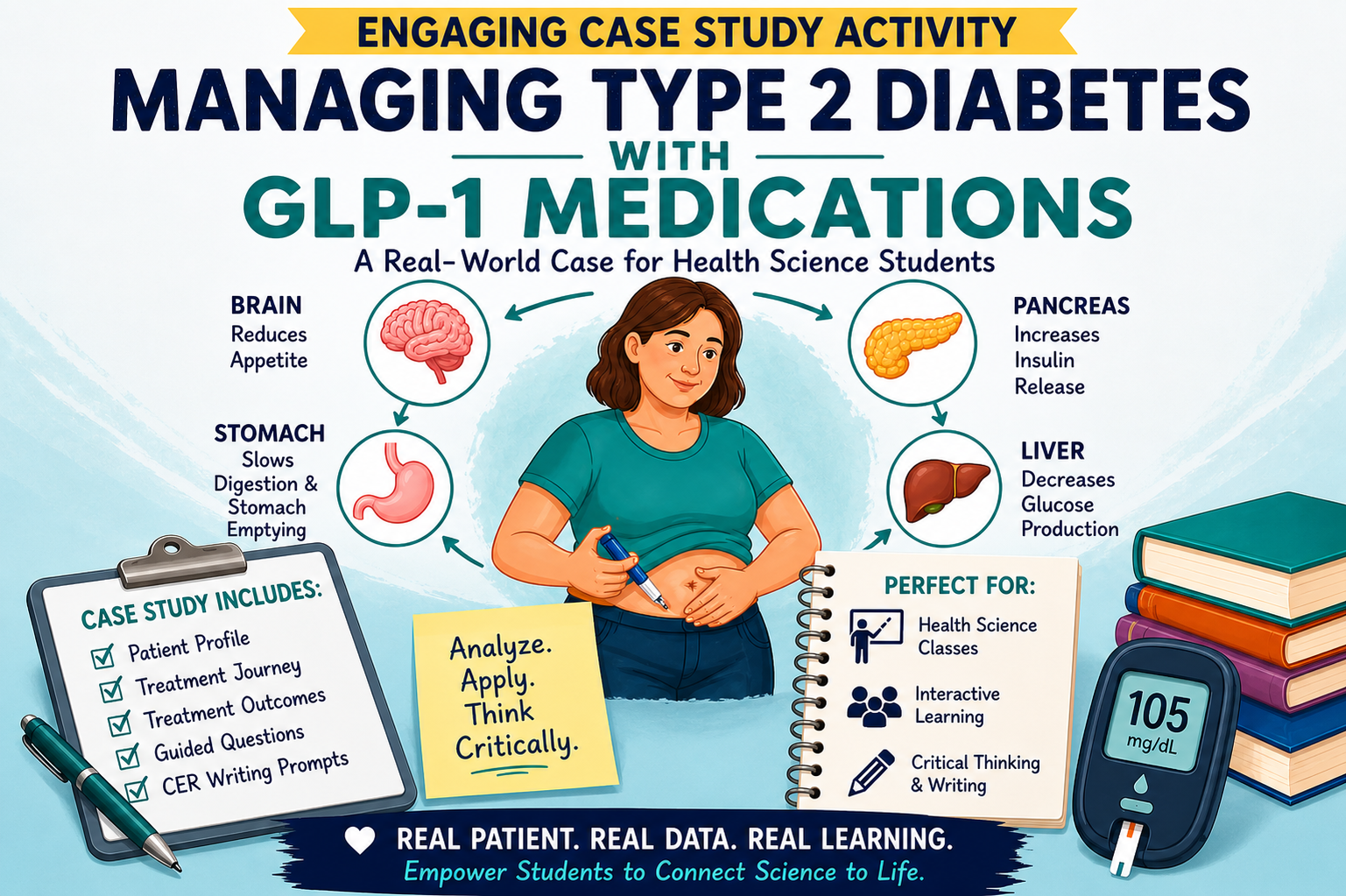
Case Study – Managing Diabetes with GLP-1
If you’re looking for a meaningful way to connect biology concepts to real life, check out this case study on managing Type 2 Diabetes. Students focus on how GLP-1 medications help the body maintain blood sugar levels. One of the most fascinating aspects of this activity is how it highlights the role of Glucagon-like peptide-1…
-
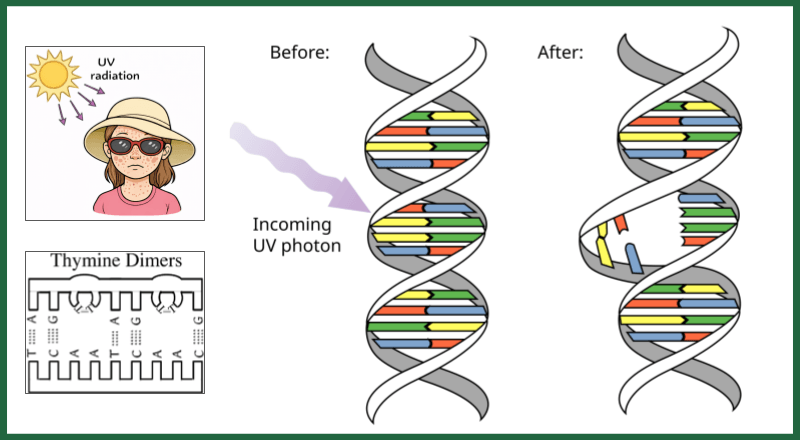
Thymine Dimers & DNA Repair
Teaching DNA damage and repair can feel abstract for students, until they can clearly visualize and apply it. This classroom-ready activity helps students understand thymine dimers and nucleotide excision repair (NER) through diagram analysis, structured questions, and real-world connections. By focusing on how DNA is damaged by UV radiation and how cells fix that damage,…
-
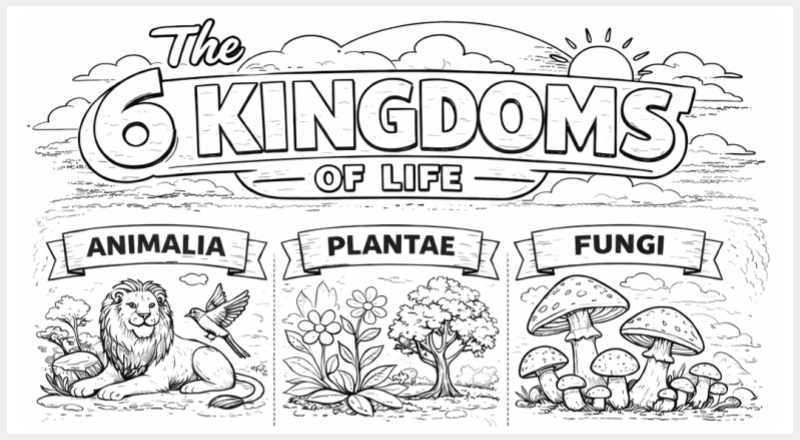
The Six Kingdoms – Coloring and Graphic Organizer
Students often learn about biodiversity and taxonomy prior to learning the animal systems. We spend several days going over why animals need to be organized into groups. They learn about the taxonomic structure: Kingdom, Phylum, Class, Order, Family, Genus, Species. To help remember the list, a helpful mnemonic is: “King Philip Came Over For Great…
-
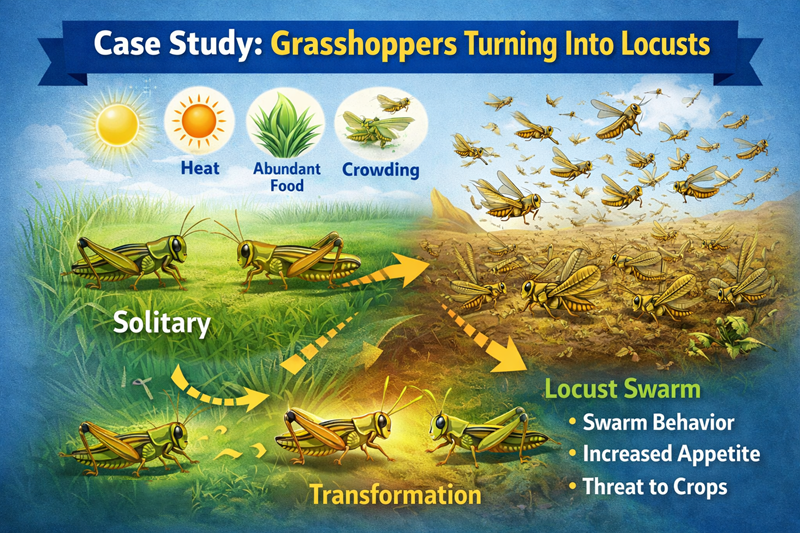
Case Study – When Grasshoppers Become Locusts
What if your students could explore one of the most dramatic transformations in the natural world, where a harmless insect suddenly becomes part of a swarm capable of destroying entire ecosystems? The lesson opens with a vivid, story-driven scenario of a locust swarm descending on farmland, instantly pulling students into the phenomenon. Instead of starting…
-
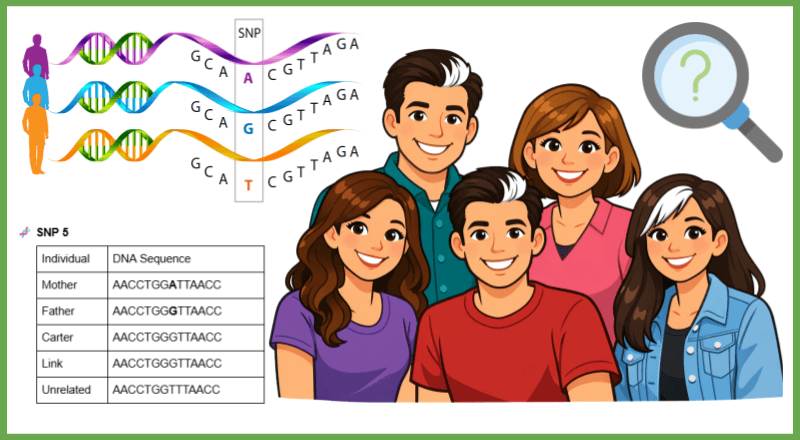
The Case of the Finch Flair: A DNA Mystery
Looking for an engaging way to introduce students to DNA variation, inheritance, and genetic evidence? The Case of the Finch Flair is a classroom investigation that combines SNP analysis, pedigrees, and Punnett squares into a fun genetics mystery your students will enjoy solving. In this activity, students investigate whether a mysterious individual could be related…