
Category: Worksheets
-
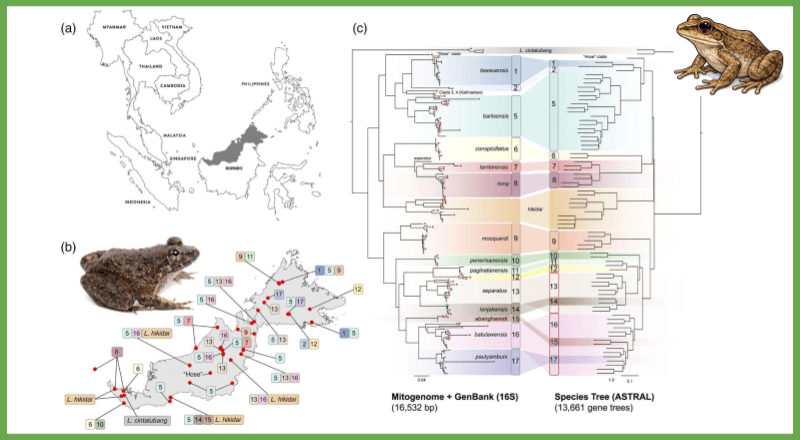
Teaching Evolution: The Case of the Fanged Frog
Helping students understand evolution, gene flow, and speciation can be challenging because these processes often occur over long periods of time and involve complex genetic evidence. One effective way to make these concepts more engaging is to use real scientific research simplified for classroom use. The Fanged Frog Genomics Study activity introduces students to modern…
-
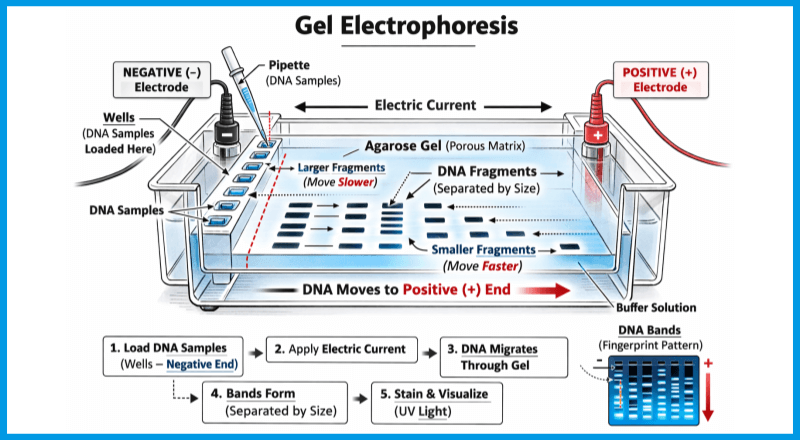
Who Ate the Cheese? A Gel Electrophoresis Simulation
If you’re teaching genetics, biotechnology, or forensic science this year, try 🧀 “Who Ate the Cheese?” This is a student-friendly way to model gel electrophoresis and DNA fingerprinting without expensive lab equipment. This is great for freshman classes who are just learning about biotechnology (and maybe not ready to use expensive equipment.) This activity puts…
-
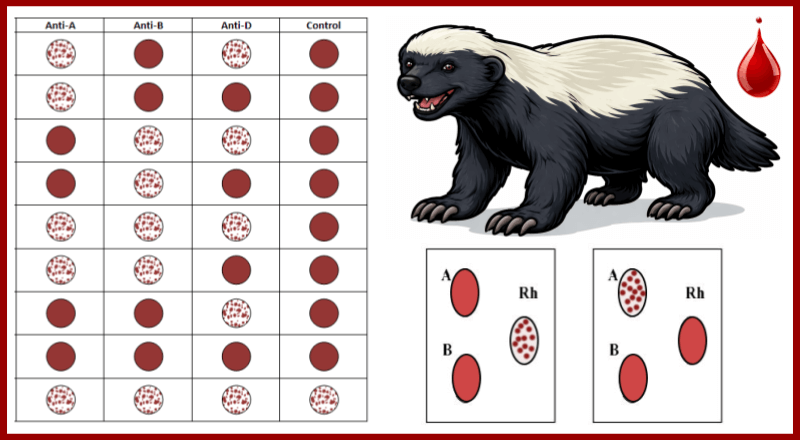
The Honey Badger Heist – Blood and Forensics
What happens when a honey badger goes missing and investigators find a mysterious blood sample at the scene? In this engaging, story-driven lab, students become forensic scientists tasked with solving the Honey Badger Kidnapping Case using simulated blood samples and ABO blood typing techniques. This hands-on investigation blends biology, critical thinking, and just the right…
-
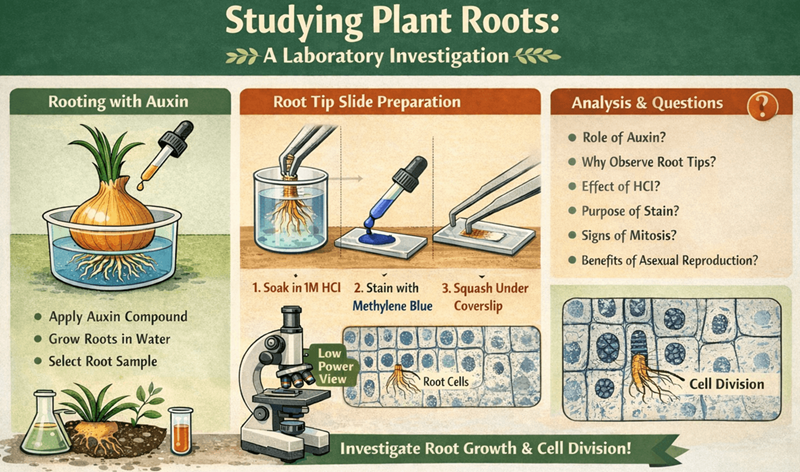
Investigation – Root Growth and Cell Division
Understanding plant hormones becomes much clearer for students when they connect hormone function directly to visible growth patterns, especially in roots of actively dividing tissues. In this classroom activity, students explore how auxin promotes root initiation, then view the dividing cells with a microscope. The introductory text explains how plant hormones work to stimulate root…
-
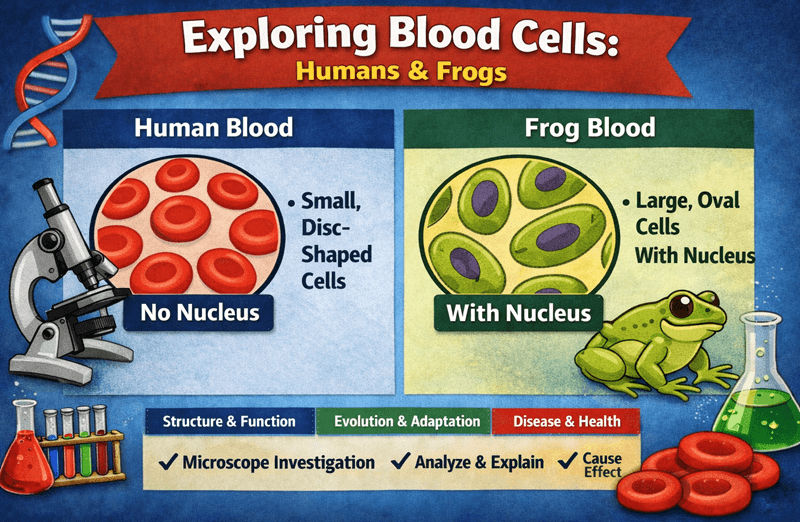
Lab – Comparing Human and Frog Blood Cells
In this hands-on microscopy lab, students investigate how blood cell structure varies across species by comparing human blood and frog blood. Using prepared blood slides, students observe red blood cells under the microscope. They document key differences in size, shape, and internal structures. Human red blood cells are small, circular, and lack a nucleus, an…
-
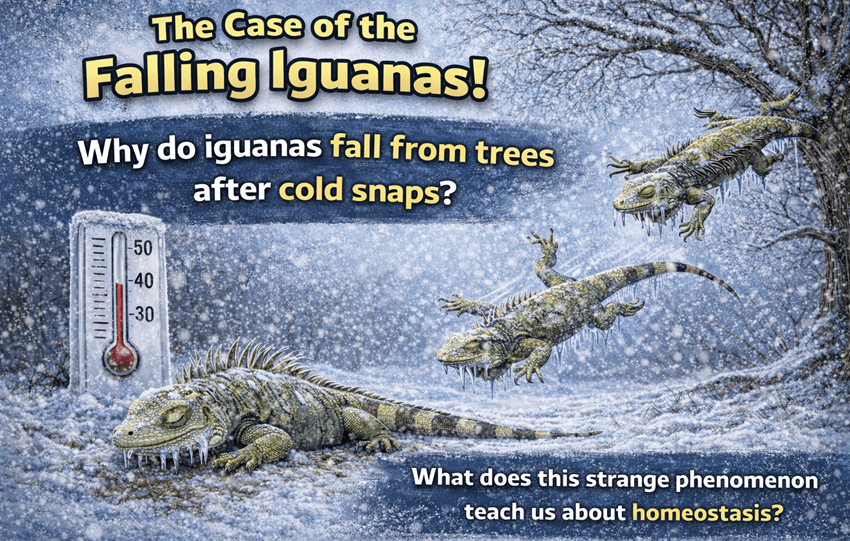
A Chilling Case Study – Raining Iguanas
Engage your students with a real-world, biology-based phenomenon: Florida’s “raining iguanas.” During sudden cold snaps, iguanas lose muscle control and fall from trees, providing a dramatic example of ectothermy, torpor, and homeostasis. This case study combines observation, data interpretation, and critical thinking to help students connect behavior, physiology, and environmental influences. Students can complete this…
-
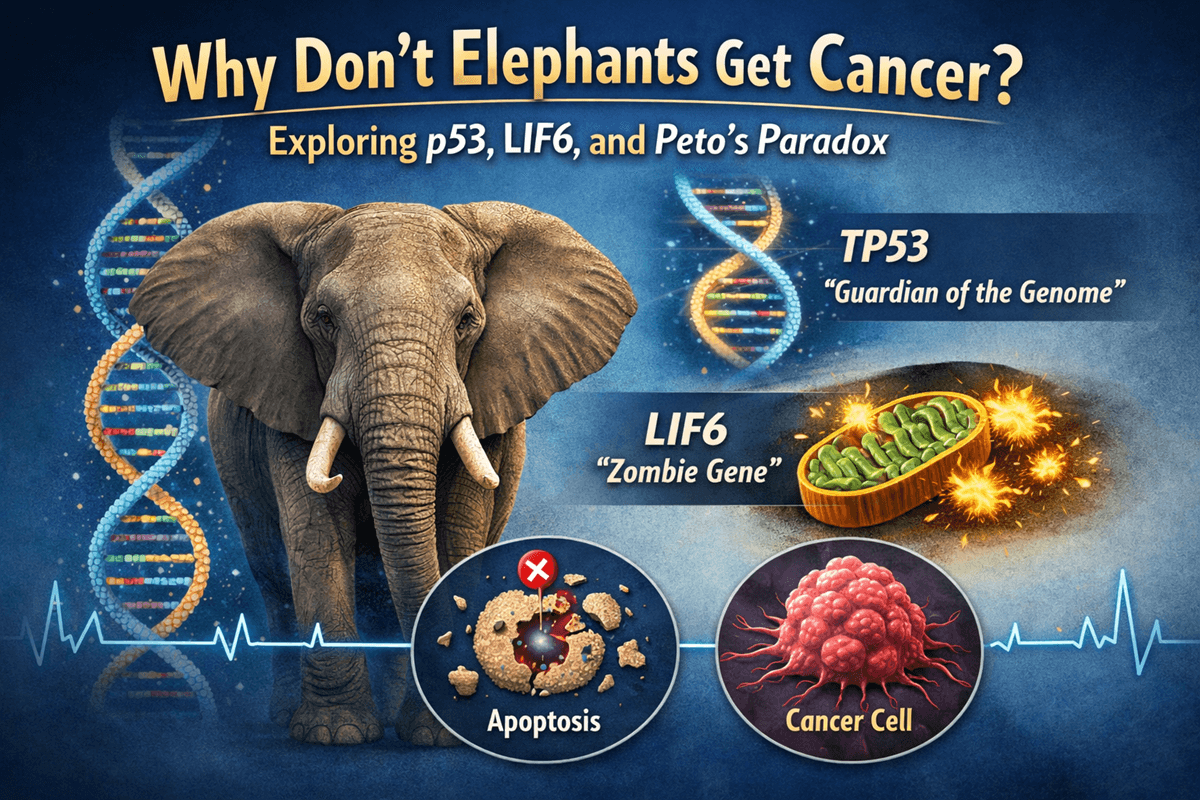
Why Don’t Elephants Get Cancer? – Peto’s Paradox
Looking for an engaging, real-world way to teach genetics, cancer biology, and evolution? This student-friendly article on why elephants rarely get cancer is a ready-to-use resource that brings abstract concepts to life using a fascinating biological mystery. This lesson centers on two powerful genes, TP53 (p53) and LIF6. Students explore how gene regulation, apoptosis, and…
-
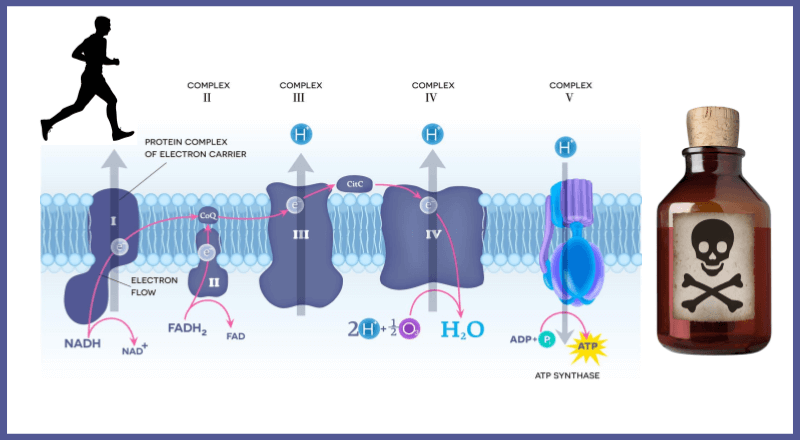
Cyanide: The Poison That Shuts Down ATP
If you’re looking for a high-engagement way to teach the electron transport chain, this case-study activity is a perfect fit. Instead of memorizing steps in isolation, students learn how cellular respiration works by investigating what happens when it stops. Follow the dramatic scenario of a runner who collapses after accidental cyanide exposure. The story hooks…
-

The Ultimate Lab Report Guide for Biology Students
Teaching students to write a formal lab report can feel… ambitious. Many of them are used to worksheets, short answers, and quick reflections, not multi-page scientific writing. But helping students learn to communicate like scientists is one of the most important skills we can give them. A well-written lab report shows not just what they…