
Category: Anatomy
-
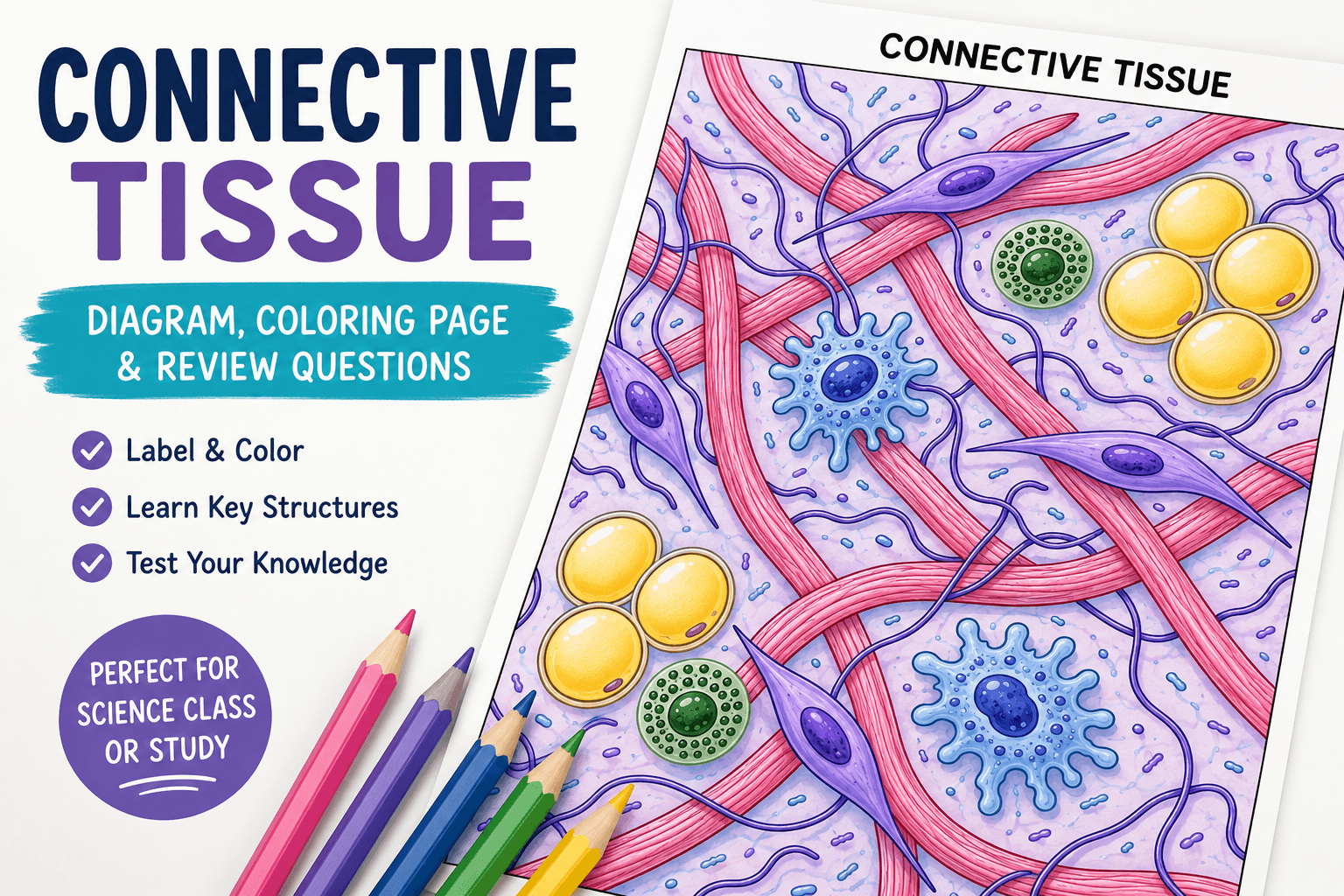
Color the Connective Tissue Matrix
This worksheet was designed for anatomy and physiology students to compliment a lesson on the body tissues. This coloring exercise is not intended to take very long and is mostly to help students gain an appreciation for the complexity of the matrix. The entire unit, which includes google slides and other resources can be seen…
-
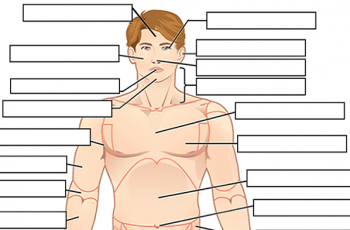
Label the Body Regions
This worksheet is used with a beginning anatomy unit that discusses anatomical terminology and body regions.
-
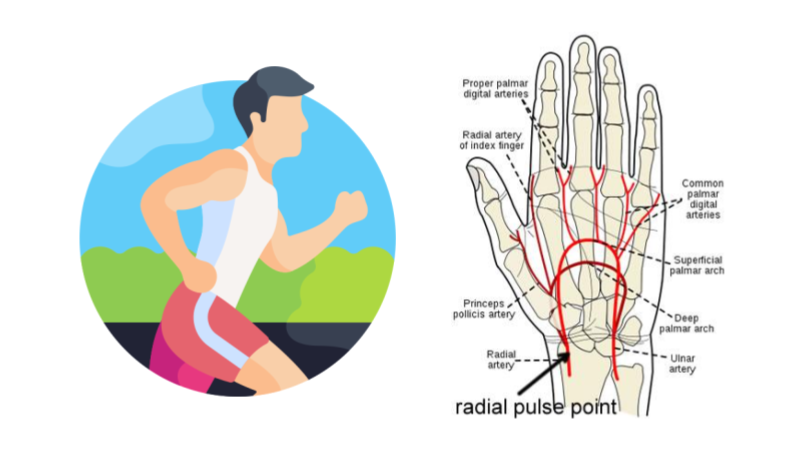
Investigation: How Does Exercise Affect Heart Rate
Design and conduct an experiment to measure the effect of exercise on heart rate. Aligned to NGSS standard on feedback mechanisms.
-

Body Systems Graphic Organizer
Graphic of the body systems where students fill in blanks about structures within the organ system and their functions. This concept map can be used as a review or as a way to organize notes over the body systems.
-
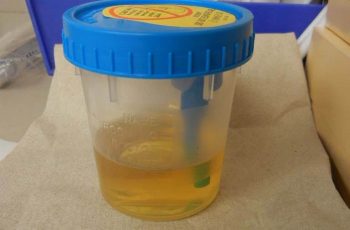
Urine Luck! – A Urinalysis Simulation
Examine urine samples from patients and suggest a diagnosis and treatment plan based on test results. Simulated urine, can be made with basic materials and models basic tests done on real urine.
-
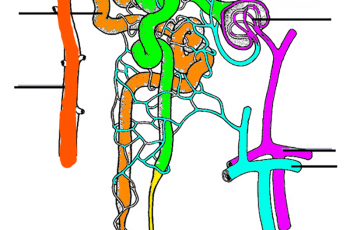
Color and Label the Nephron
Practice labeling the nephron with this reinforcement activity. Students can also color the image to identify the major structures of the nephron: glomerulus, bowman’s capsule, proximal and distal tubules, loop of Henle, collecting duct and capillaries. This was designed to go with a larger unit on how the urinary system and kidneys help the body…
-
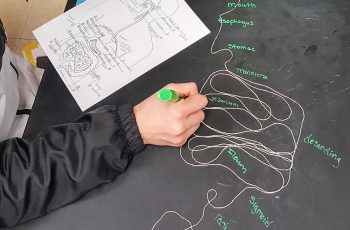
Modeling the Alimentary Canal
In this activity, students use string to model the gastrointestinal tract as a scale model. I’ve noticed that students do have difficulty with the concept of scaling, which is one of the crosscutting concepts listed in the NGSS. The directions give students measurements for a 1/3 scale model, the human alimentary canal is about 9…
-
Case Study: How Do Tibetans Survive High Altitudes
Based on the Berkeley website: Understanding Evolution, this version focuses on the how the body maintains homeostasis at high altitudes. This involves increased production of red blood cells to improve oxygen supplies to tissues. Tibetan populations have adapted to high altitudes by producing fewer red blood cells which improves fetal mortality rates. Case looks…
-
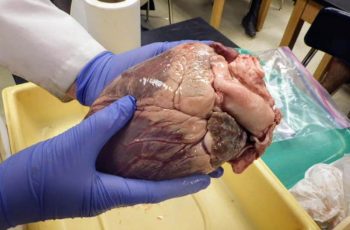
Sheep Heart Dissection
Students use this dissection guide to learn the anatomy of the heart, using a sheep as a model. The sheep heart is similar to a human, and students can identify the major vessels: aorta, pulmonary artery, pulmonary vein, and the vena cava. The guide includes instructions on how to determine which side of the heart…