
Category: Anatomy
-
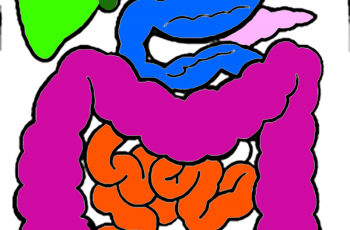
Model the Digestive System with Coloring
The digestive system is a series of organs that work together to break down food into nutrients that the body can use. The digestive system includes the mouth, esophagus, stomach, small intestine, large intestine, rectum, and anus. Coloring activities can be helpful to give students a chance to model the organ systems. I short, coloring…
-
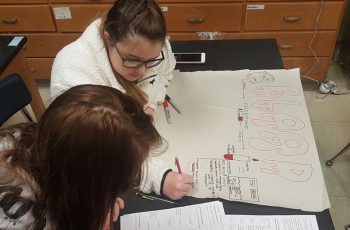
Concept Map on Blood
Students studying blood and the lymphatic students can get overwhelmed with the terminology used to describe blood and how blood is categorized. This project is designed to help students organize these difficult terms by creating a large concept map which groups related ideas together and connects them to other ideas – a concept map! …
-
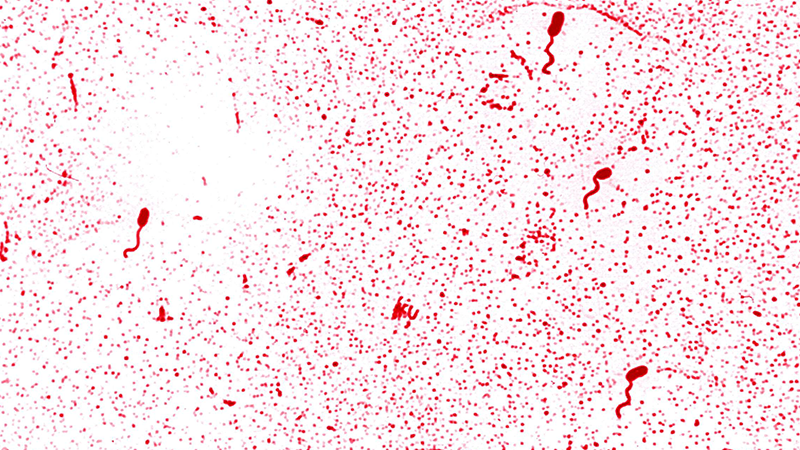
Case Study: How to Survive a Cholera Epidemic
In this case, students explore how cholera is spread and how it affects the body. The case is divided into four sections, with the first part focusing on the role of clean water supplies and the spread of bacteria. In the second part, the affects of the bacteria are examined, with attention on how the…
-
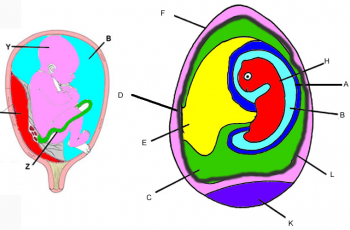
Comparing the Amniote Egg to the Placenta – Coloring
Color the amniote egg of a chicken and compare to the development of a human embryo.
-
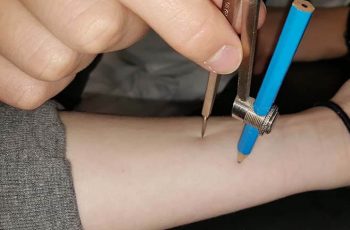
Investigation: Two Point Discrimination Test
Students investigate the sensitivity of different areas of the skin using a mathematical compass to stimulate mechanoreceptors. The procedure asks students to place the points of the compass on different areas, such as the forearm and the palm and have a test subject report whether one point is being felt or two points. The compass…
-
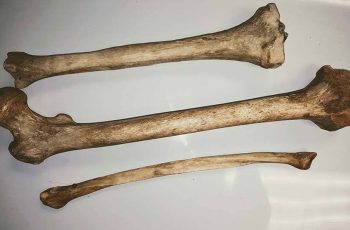
Data Analysis – Stature and Bone Length
Does the length of a person’s legs and arm bones correlate to the height of the person? The following graph shows a scatterplot of lengths of the humerus, tibia, femur and tibia. Examine the graphs shown below. What CLAIMS can be made to answer the question? Summarize the EVIDENCE shown in the graphs. Develop a…
-

Case Study – The Tired Swimmer
This case study was modified from the National Center for Case Study Teaching in Science so that it is more appropriate for basic high school students in anatomy and physiology. This case is intended to be used during the chapter on muscles as it requires students to examine how the neurotransmitter, acetylcholine is used…
-
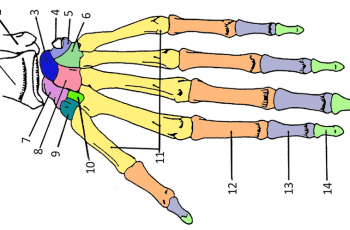
Explore Anatomy – Color the Bones of the Hand
Learning anatomy can feel daunting, but there are plenty of ways to make it more engaging and interactive. One great way to help students understand the structure of the human hand is through a hands-on (pun intended!) coloring exercise. By coloring the bones of the hand, students can reinforce their understanding of how these structures…
-
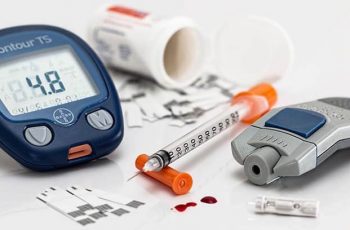
Case Study: Can a Virus Cause Diabetes?
This case asks students to examine data on children diagnosed with Type 1 Diabetes after reading a short story about a young girl who was losing weight and feeling thirsty. The content looks at a possible connection between diabetes and infection by the coxsackie virus, a virus that is responsible for “hand, foot, and mouth”…