
Category: Anatomy
-
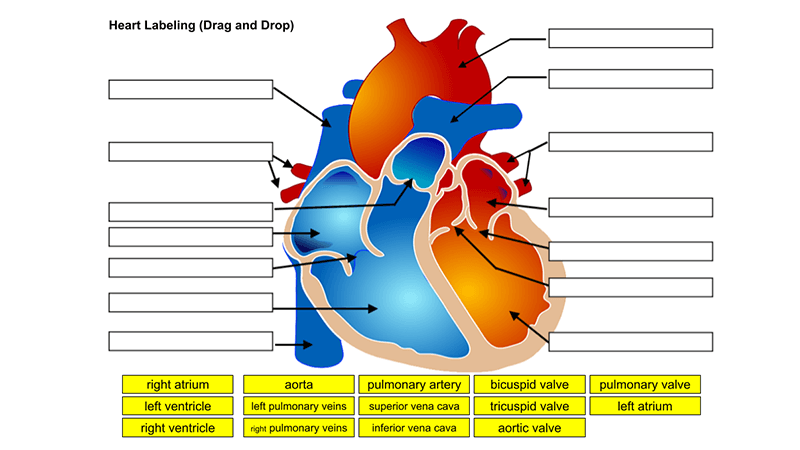
Heart Anatomy for Remote Learners
Students learn about the heart with these activities designed for remote learners. Label the heart with a drag-and-drop activity or a printed one.
-
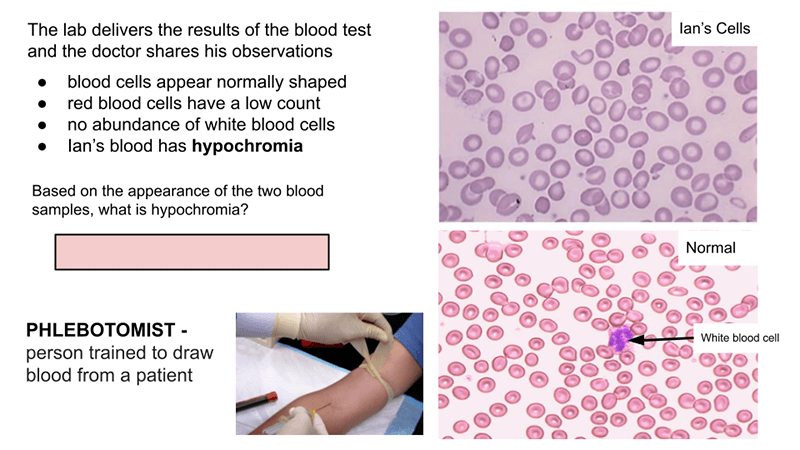
Interactive Slides: Blood
These interactive slides on blood were created for pandemic teaching in 2021. Slides can be posted on Google Classroom or other learning management systems. My class are hybrid, where I have a mix of students watching from home and those in class. Students all have Chromebook and as we go through the slides, I’m explaining…
-
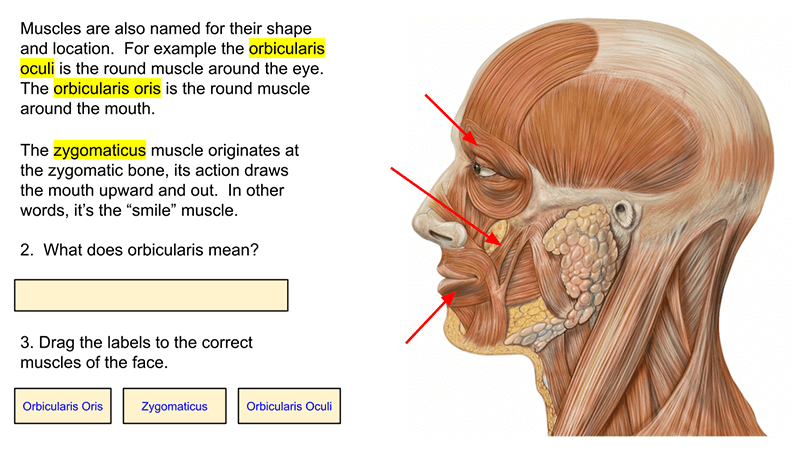
Muscles: Guided Learning
This activity was created for distance learning during the 2020 pandemic as a substitution for traditional dissections and lessons that involve identifying the muscles and their function. Each slide has descriptions and images with a task for students to perform, such as labeling a diagram (based on the description) or answering questions about the muscles.…
-
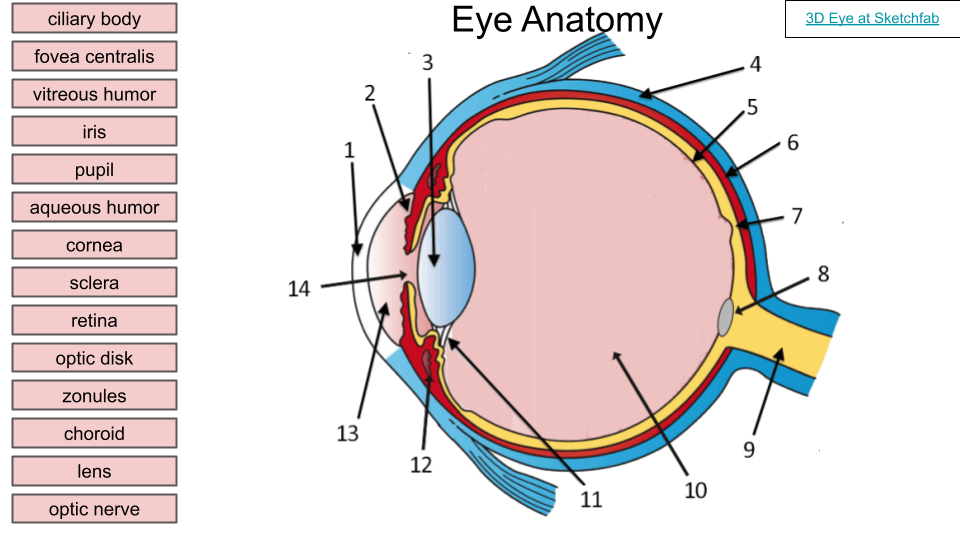
Learn the Anatomy of the Eye
This labeling activity was designed for remote learners so that students can practice identifying the anatomical structures of the eye. The activity was made with Google slides so that students can move the text boxes to the numbers on the labels. The image of the eye shows major structures, like the cornea, lens, fovea centralis,…
-
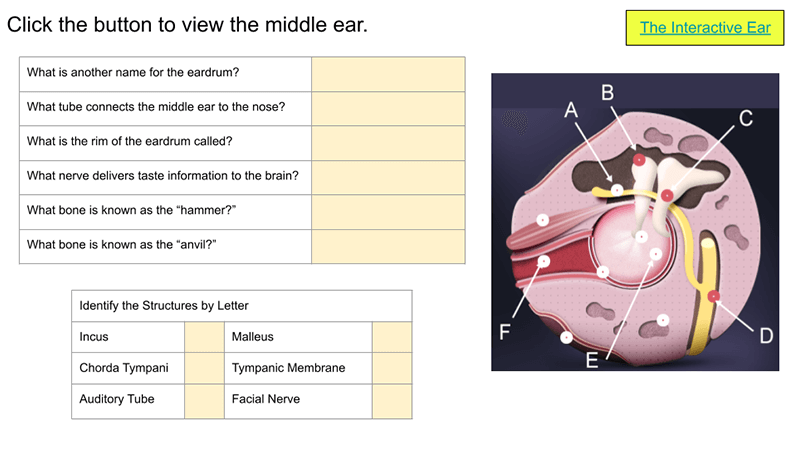
Learn the Anatomy of the Ear
In this activity, students learn about the ear by exploring google slides and going to an interactive site that explores how the ear works. Students use a simulation called “The Interactive Ear” which guides them though the outer, middle, and inner ear while explaining what each structure does. Students click through the virtual ear to…
-
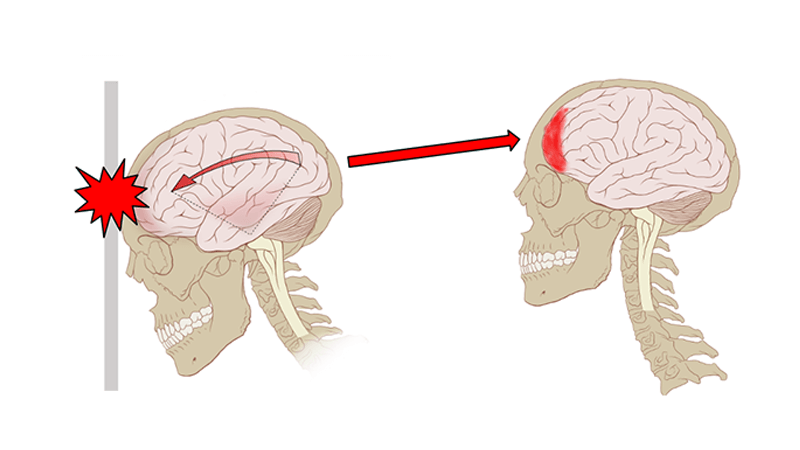
Investigation: Concussions
This investigation is completed by watching videos and analyzing data on concussions. Students first watch a Ted-Ed video on what happens when you have a concussion. The digital handout contains questions from the video. Students then visit neuroanatomy.ca where they view coronal brain slices. Then they label an image and compare a normal brain versus…
-
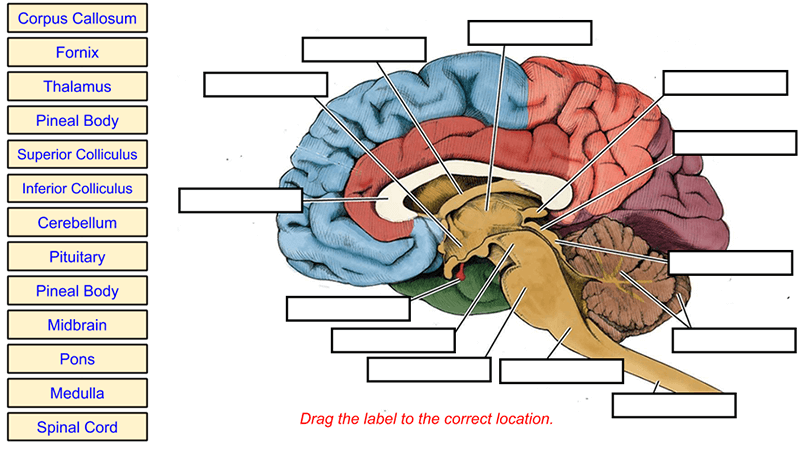
Brain Label (Remote)
This brain labeling activity was created for remote learners as an alternative to the labeling and coloring worksheet we would traditionally do in class. Instead of coloring and labeling on printouts, students use google slides to drag labels to the images or type the answers into text boxes. The slides do not have labeled diagrams…
-
Brain Dissection – Virtual Version
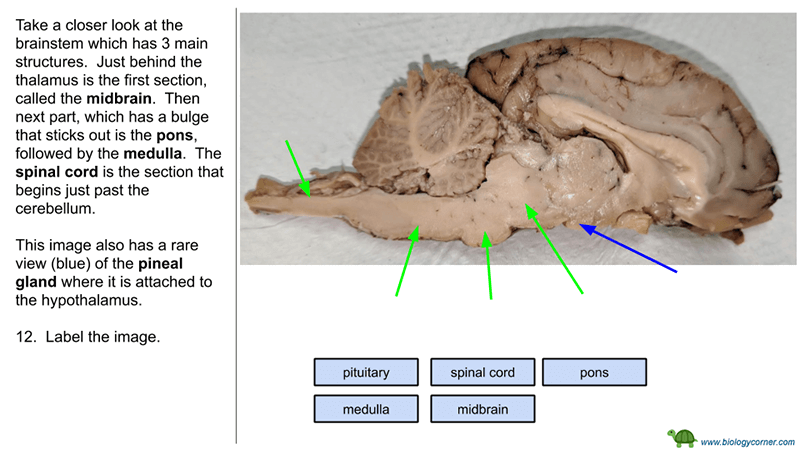
Don’t have time or the resources to do a dissection in the classroom? Try this virtual version to supplement your lessons on the brain! In a traditional anatomy class, students dissect a sheep brain using the Sheep Brain Dissection Guide which walks them through identifying first external features of the brain and then internal features.…
-
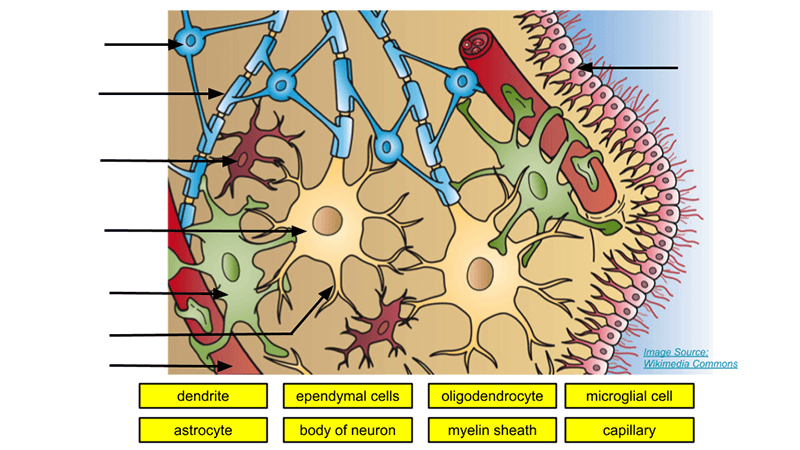
Neuroglia Labeling with Google Slides
Save paper by assigning labeling worksheets on Google Classroom. Instead of writing in labels, students drag and drop the labels to the appropriate area on the image. The labeling focuses on the neuron and supporting neuroglia (or glial) cells. These cells provide provide physical and metabolic support to neurons. Neuroglia cells are different from nerve…