
Tag: dissection
-
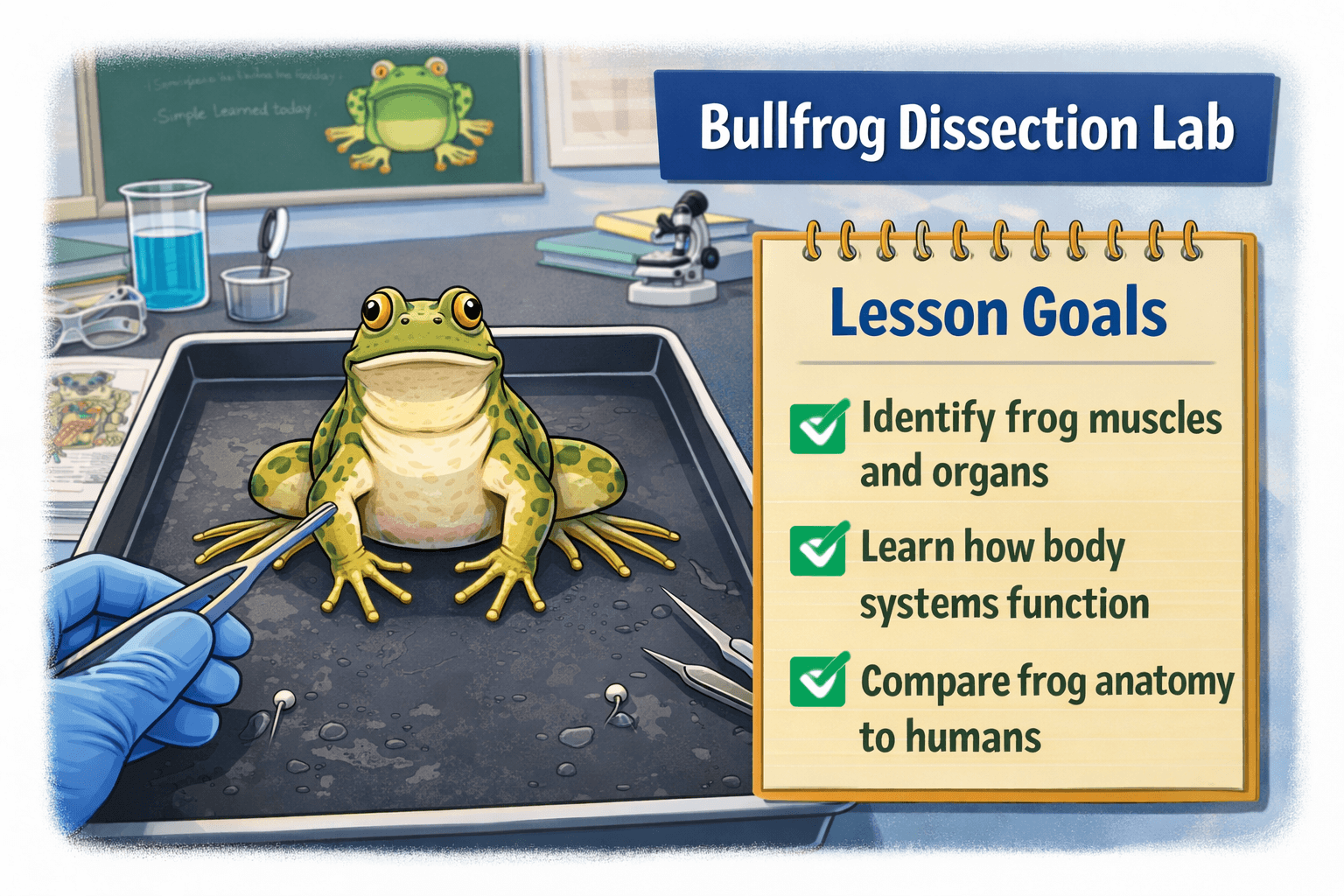
Bullfrog Dissection for AP Biology Students
Dissections have long been a cornerstone of biology education because they provide students with a unique opportunity to explore the structure and function of living organisms in a hands-on way. While diagrams and models are valuable learning tools, nothing compares to observing actual organs, tissues, and body systems as they are arranged within an organism.…
-
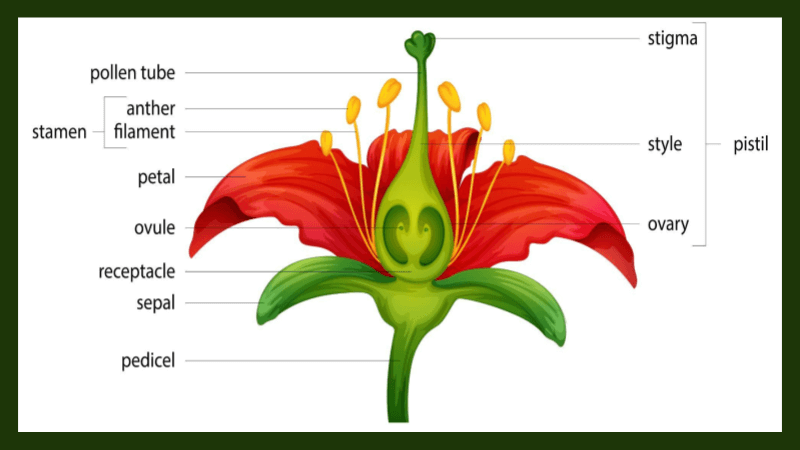
Learn Flower Anatomy with Dissection
Flowers are not just beautiful to look at; they are also fascinating biological structures with distinct parts that play vital roles in the life cycle of plants. Understanding the anatomy of a flower is a fundamental part of any biology curriculum, and what better way to teach it than with a hands-on activity? Students will…
-
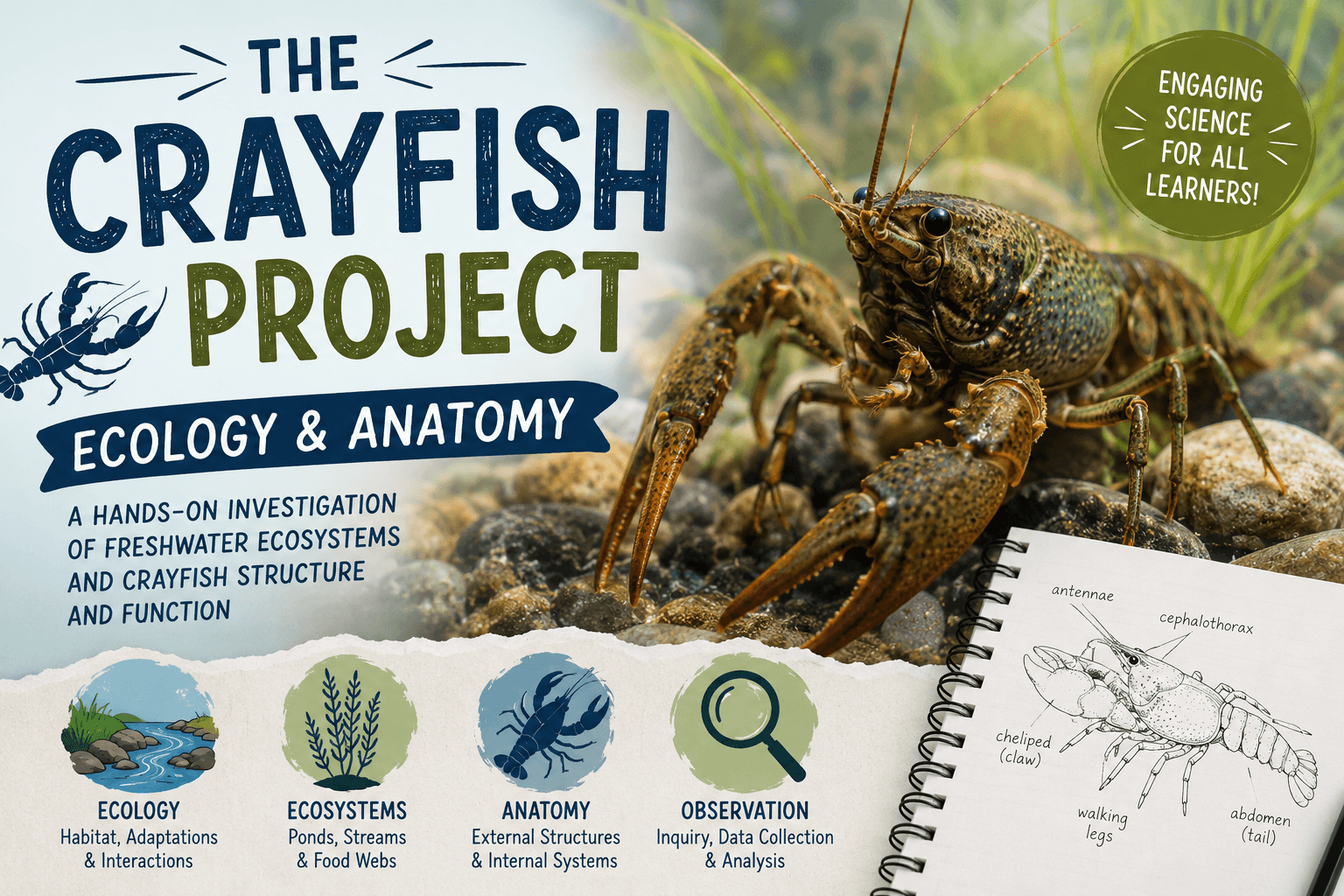
The Crayfish Project – Ecology and Anatomy
Student project on crayfish which includes learning about crayfish ecology, invasive species, and food webs. Dissect a crayfish specimen to learn anatomy!
-
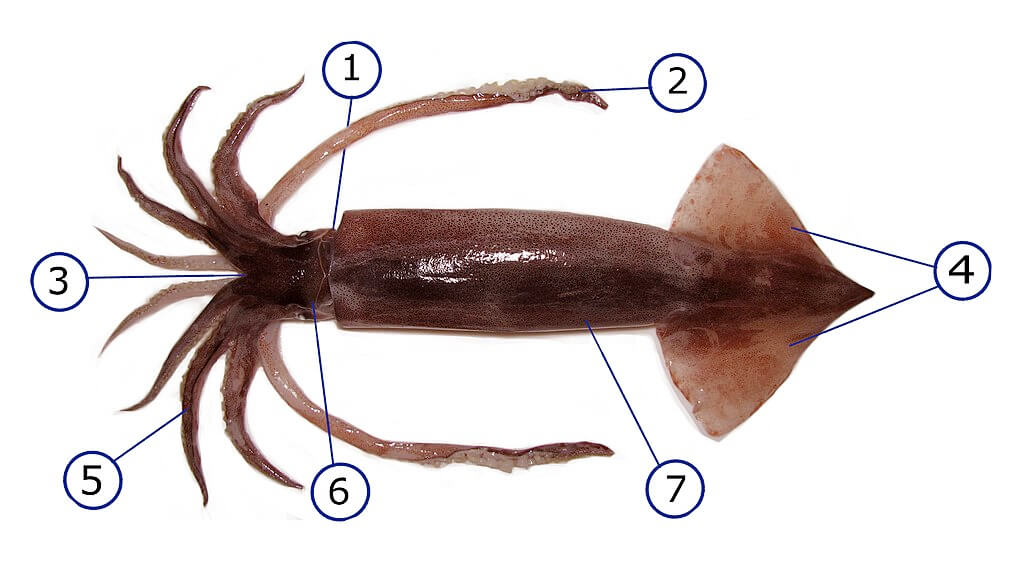
Exploring the Anatomy of a Squid
Explore internal and external anatomy of the squid with this hands-on guide perfect for educators and students, with detailed instructions and images.
-
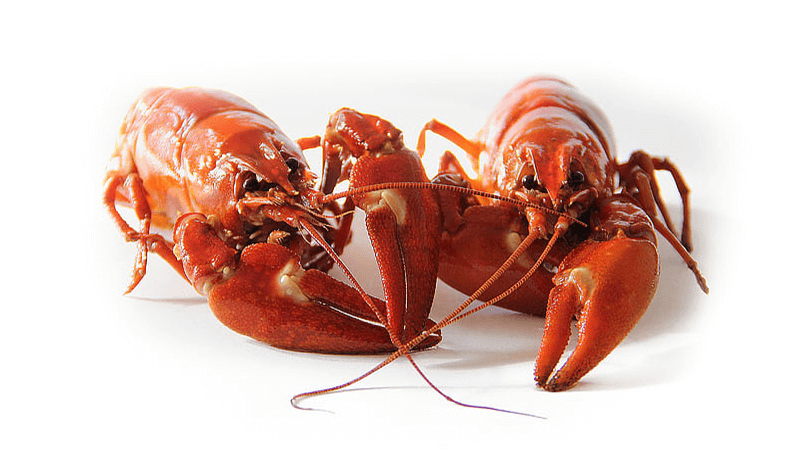
Investigation: Explore the Anatomy of a Crayfish
Students examine the external anatomy of a crayfish, focusing on the body plan, mouthparts, and the appendages. Includes instructions and labeling.
-
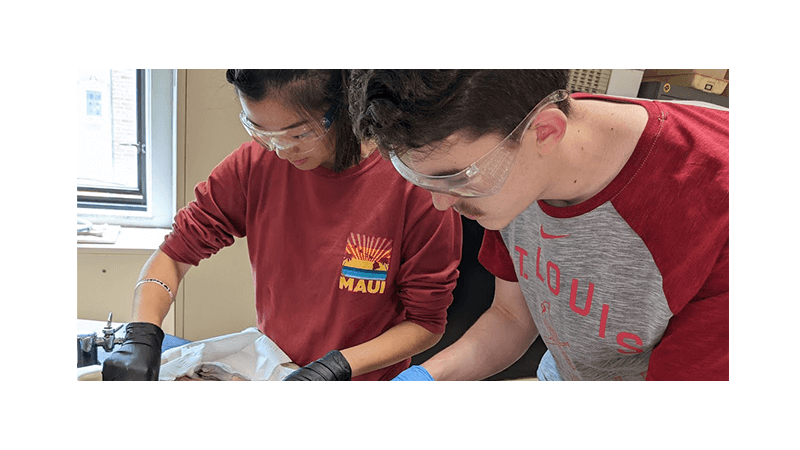
Complete Cat Dissection Guide with Assessment
A complete guide to dissecting the cat which includes student tasks, student worksheet, and link to assessments and other resources.
-
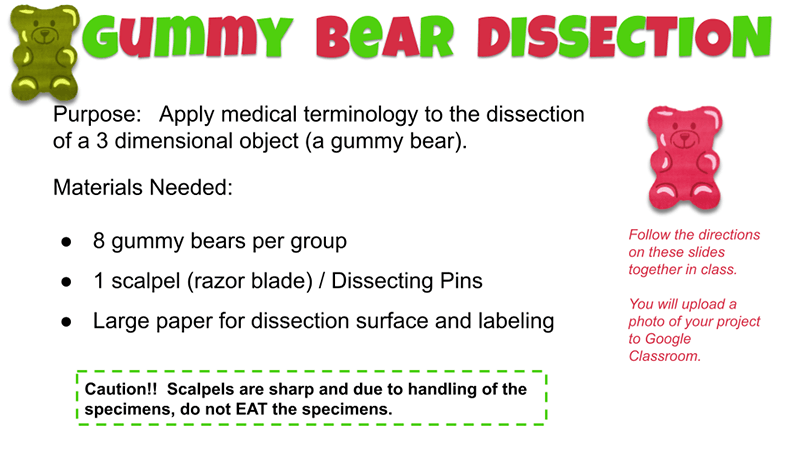
Dissect a Gummy Bear to Learn Anatomy Terms
Students use a gummy bear and scalpels to demonstrate their knowledge of anatomical terminology.
-

Frog Dissection – Virtual for Remote Learners
Students usually end the comparative anatomy unit with a dissection of a frog specimen. Though some schools have decided to opt out of this project, it remains one of the most remembered activities of the school year. I can understand why this project may seem like a relic, but it is still in our curriculum.…
-
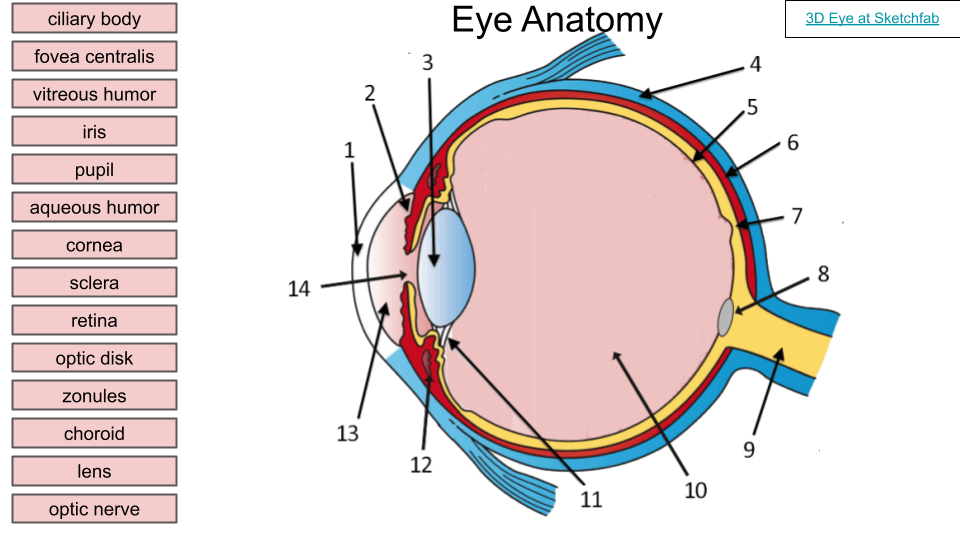
Learn the Anatomy of the Eye
This labeling activity was designed for remote learners so that students can practice identifying the anatomical structures of the eye. The activity was made with Google slides so that students can move the text boxes to the numbers on the labels. The image of the eye shows major structures, like the cornea, lens, fovea centralis,…