
Search results for: “teacher”
-
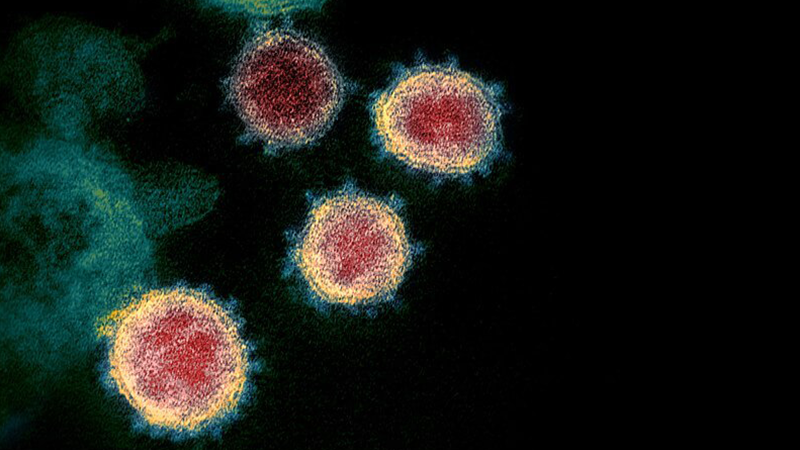
Vaccines: Nasal or Shot?
Students read a short article about nasal vaccines and intramuscular vaccines with a focus on the development of a vaccine for coronavirus. Students can listen to or read the article on NPR: Shots about how a nasal vaccine might be more effective in preventing the spread of coronavirus. You can play the podcast version in…
-
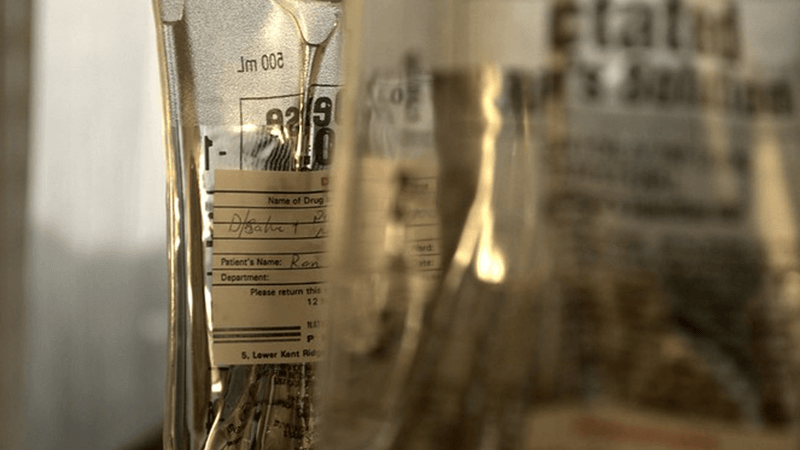
Medical Errors – Don’t Use Pure Water Intravenously
I created this mini case study from a story about a patient given sterile water instead of saline in an intravenous drip solution. Students should probably have a learned about tonicity (hypertonic, hypotonic, and isotonic) before attempting this activity. The worksheet describes a scenario where a patient was hyperglycemic and the doctor ordered water be…
-
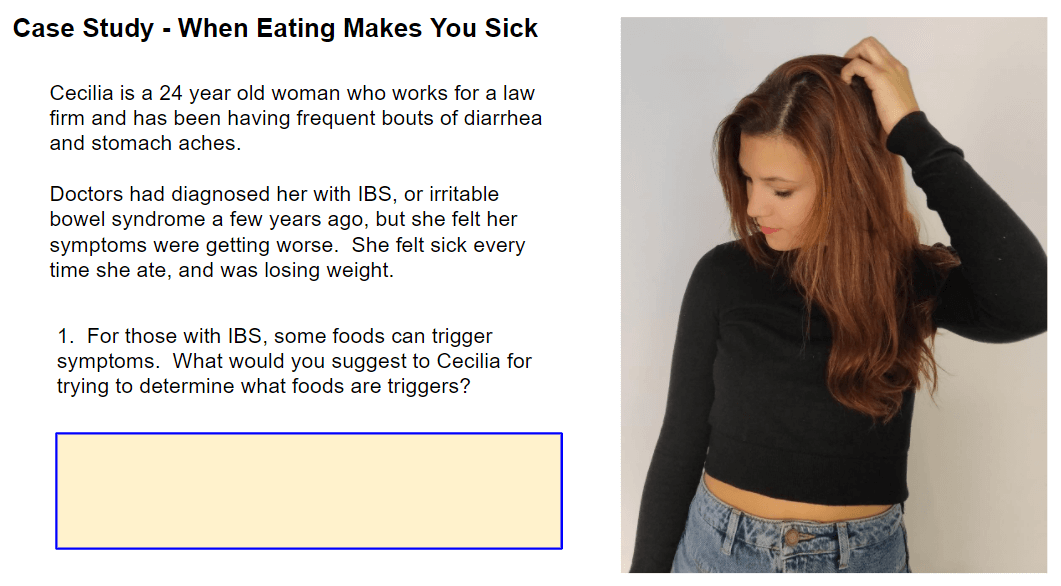
Case Study – Gluten
This case study was created for distance learning and is a short exploration of how celiac disease affects the digestive system. This is not a long case, and should probably only take 20-30 minutes to complete. I plan to use it with breakout groups working together over Zoom or Google Classroom. The activity is presented…
-
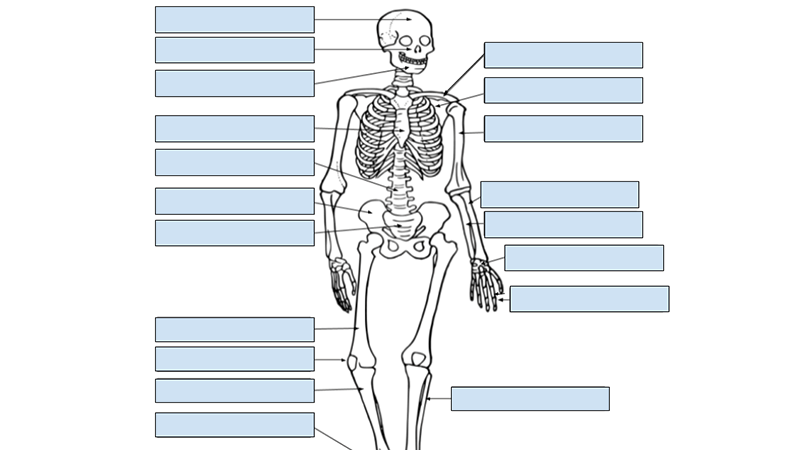
Skeleton Label Using Slides
Many students in health, anatomy, and biology classes learn the bones of the skeleton. To introduce the topic with my anatomy students, I usually lay random bones on the tables. Students guess where the bone is found in the body. Some are easy, like the femur. The scapula usually stumps them. It can be a…
-
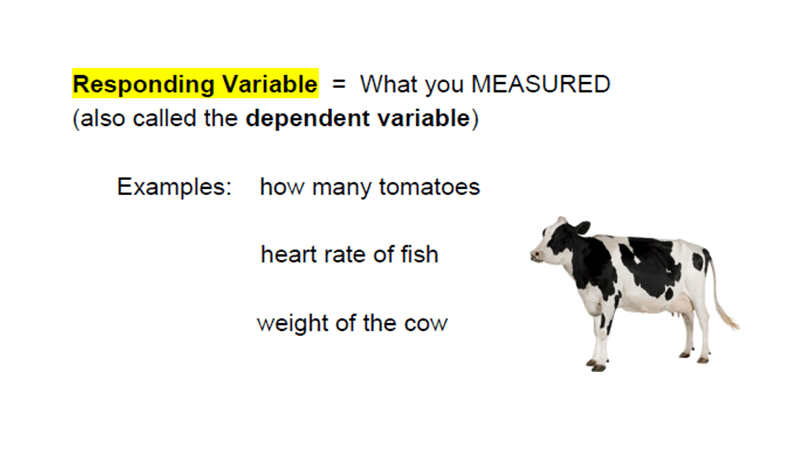
Highlight the Manipulated and Responding Variables
This worksheet describes the difference between an independent (manipulated) and dependent (responding) variable and then asks students to practice by identifying variables in short sentences.
-

My Remote Toolbox
My school announced that the fall school year will start as remote learning due to wide scale community spread of Covid-19. I would much rather teach and person, but I do understand the concerns of parents, teachers, staff, and other community stakeholders. Note: Many of the activities I created for remote learning I still use…
-
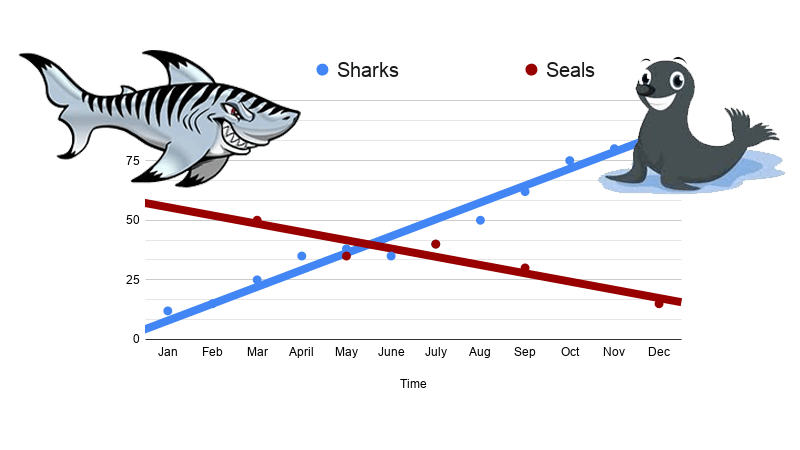
CER – Data Analysis with Sharks
Shark data by month where students make a LINE graph to show how the population changes over time. Students complete a CER to discuss results.
-
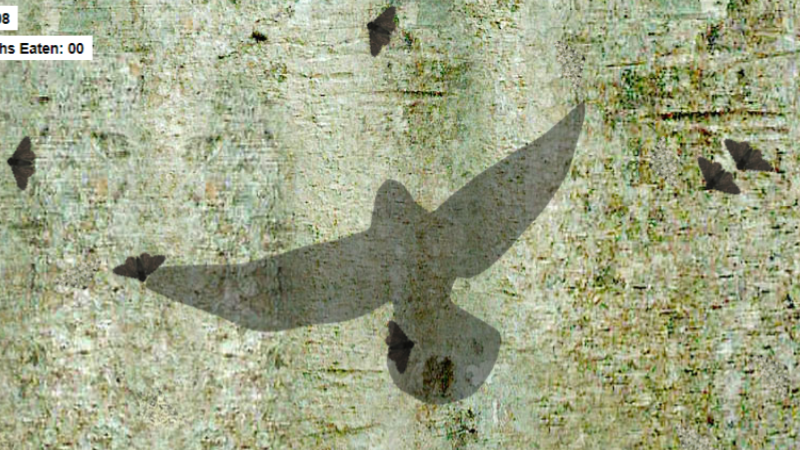
Evolution and the Peppered Moth Game
Based on experiments showing moths evolve in response to pollution. Play a game where you try to catch moths in different environments
-

Jim Allison: Breakthrough
The film, “Jim Allison: Breakthrough” can be streamed through online platforms, like PBS or from Amazon Prime Video. Teachers can sign up for a free license at https://www.breakthroughdoc.com/for-educators The film is 1 1/2 hours long, which is longer than most class periods, and many teen attention spans, so I split the worksheet into two halves.…