
Search results for: “teacher”
-
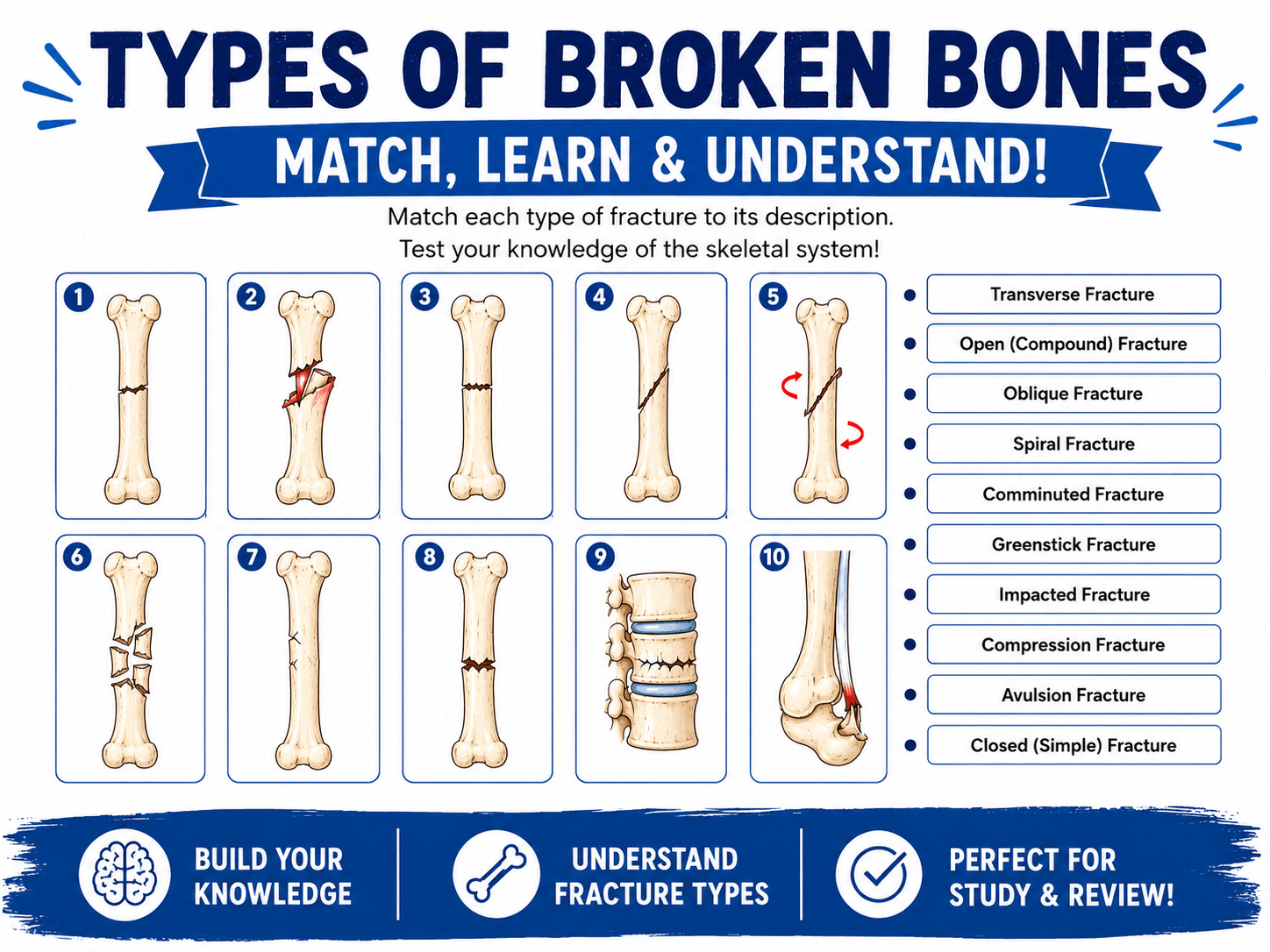
Types of Broken Bones – A Matching Activity
A broken bone might sound simple, but fractures can occur in many different ways. Some bones crack straight across, others break at an angle, and some may even shatter into several pieces. In this bone fracture matching activity, students explore the different types of fractures by examining graphics and matching each image to a written…
-
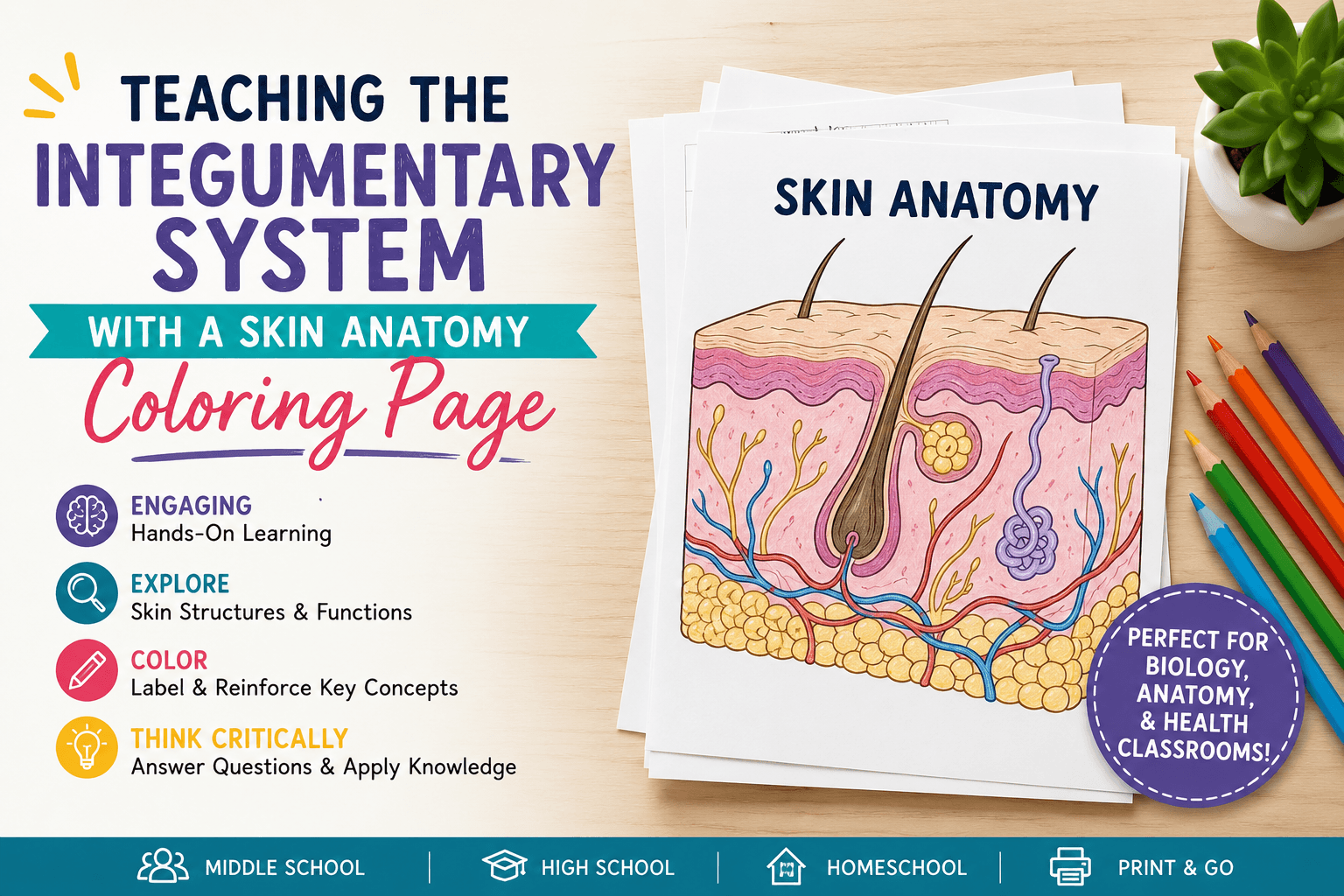
Integumentary System – Color the Layers of the Skin
When students think about the human body, they often focus on organs like the heart, lungs, or brain. Yet the body’s largest organ is something they see every day—the skin. Despite its importance, students frequently underestimate the complexity of the integumentary system and the many structures working beneath the surface. This Skin Anatomy Coloring Page…
-
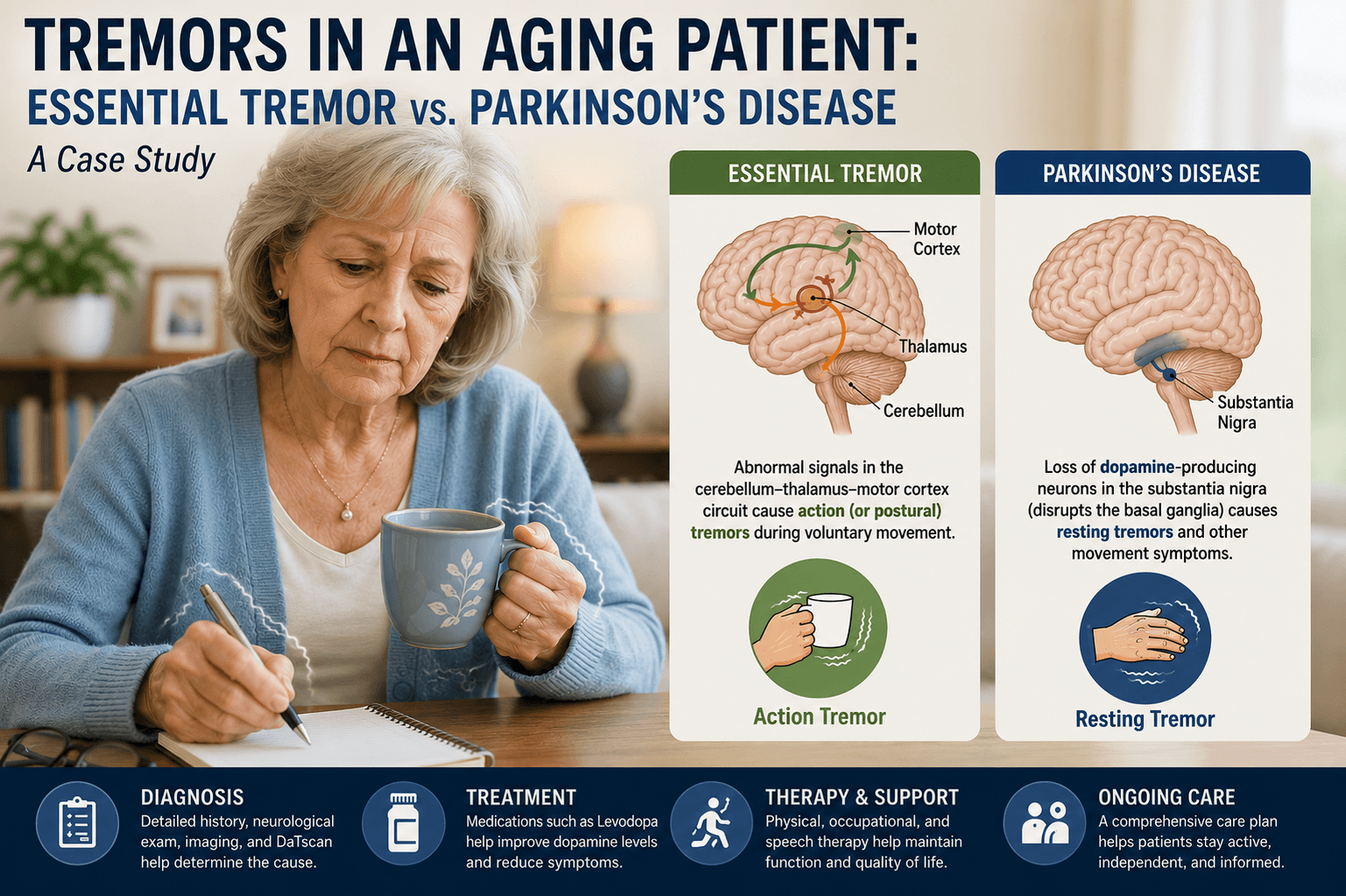
Case Study – Essential Tremor or Parkinson’s Disease?
Many students have seen a grandparent, neighbor, or older family member whose hands shake while holding a cup of coffee, writing a note, or eating a meal. These tremors are often easy to notice, but understanding why they occur can be much more complicated. This case study introduces students to June, a retired teacher who…
-
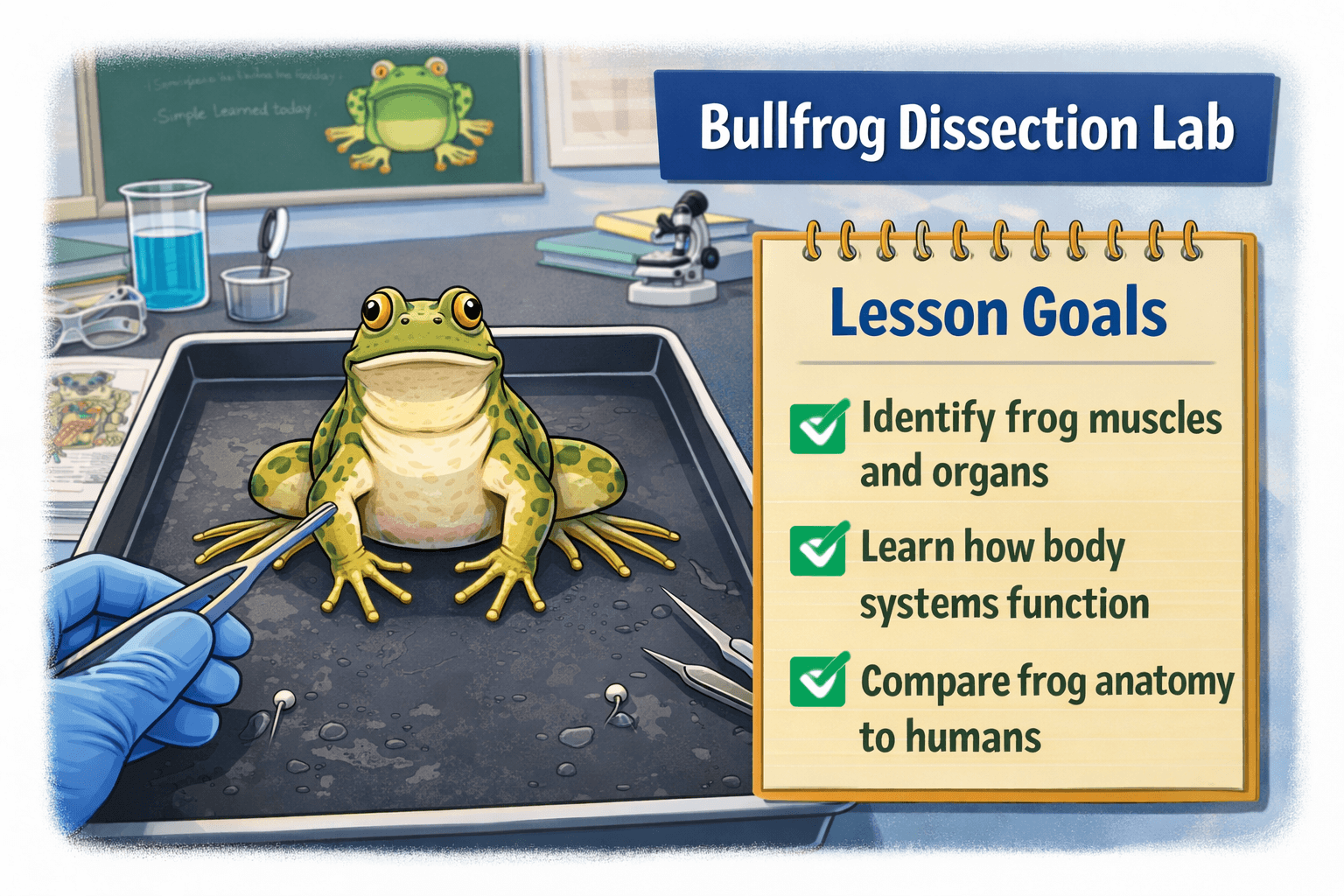
Bullfrog Dissection for AP Biology Students
Dissections have long been a cornerstone of biology education because they provide students with a unique opportunity to explore the structure and function of living organisms in a hands-on way. While diagrams and models are valuable learning tools, nothing compares to observing actual organs, tissues, and body systems as they are arranged within an organism.…
-
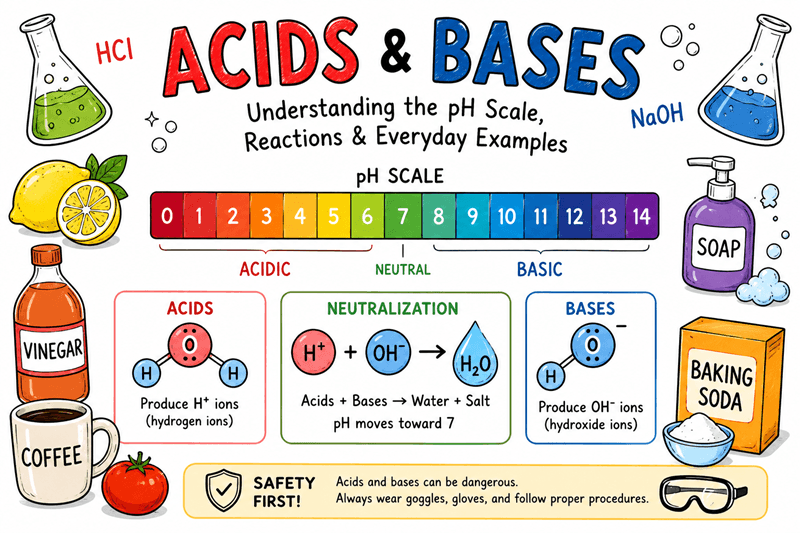
Acids, Bases, and pH Scale: A Coloring Worksheet
Teaching acids and bases can be challenging because many of the concepts are invisible. Students can’t see hydrogen ions, hydroxide ions, or the chemical reactions happening in a solution. That’s why visual learning tools are so valuable. Acidity and alkalinity are usually covered in chemistry, which is a prerequisite for AP biology, but students will…
-
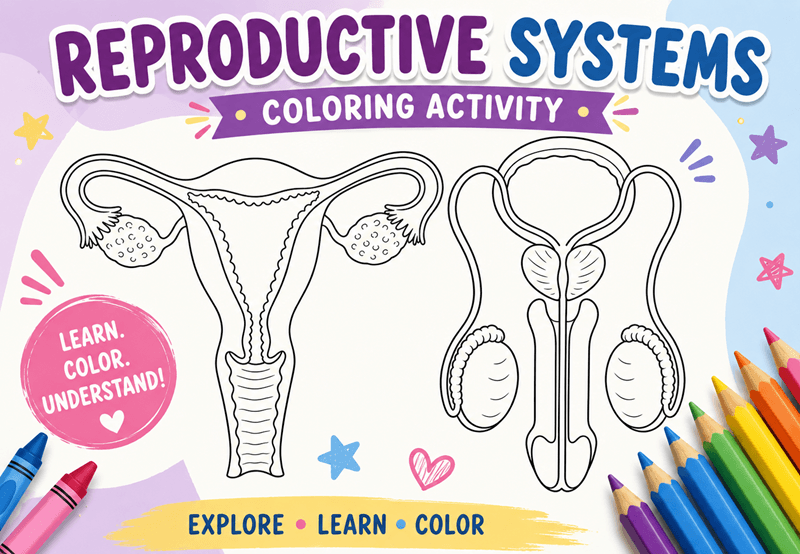
Color the Male and Female Reproductive System
Teaching anatomy can be challenging, especially when students are learning complex internal structures for the first time. One way to make anatomy lessons more engaging and memorable is through coloring activities. These male and female reproductive system coloring worksheets combine visual learning with hands-on interaction, helping students identify important structures while reinforcing anatomical terminology. Coloring…
-
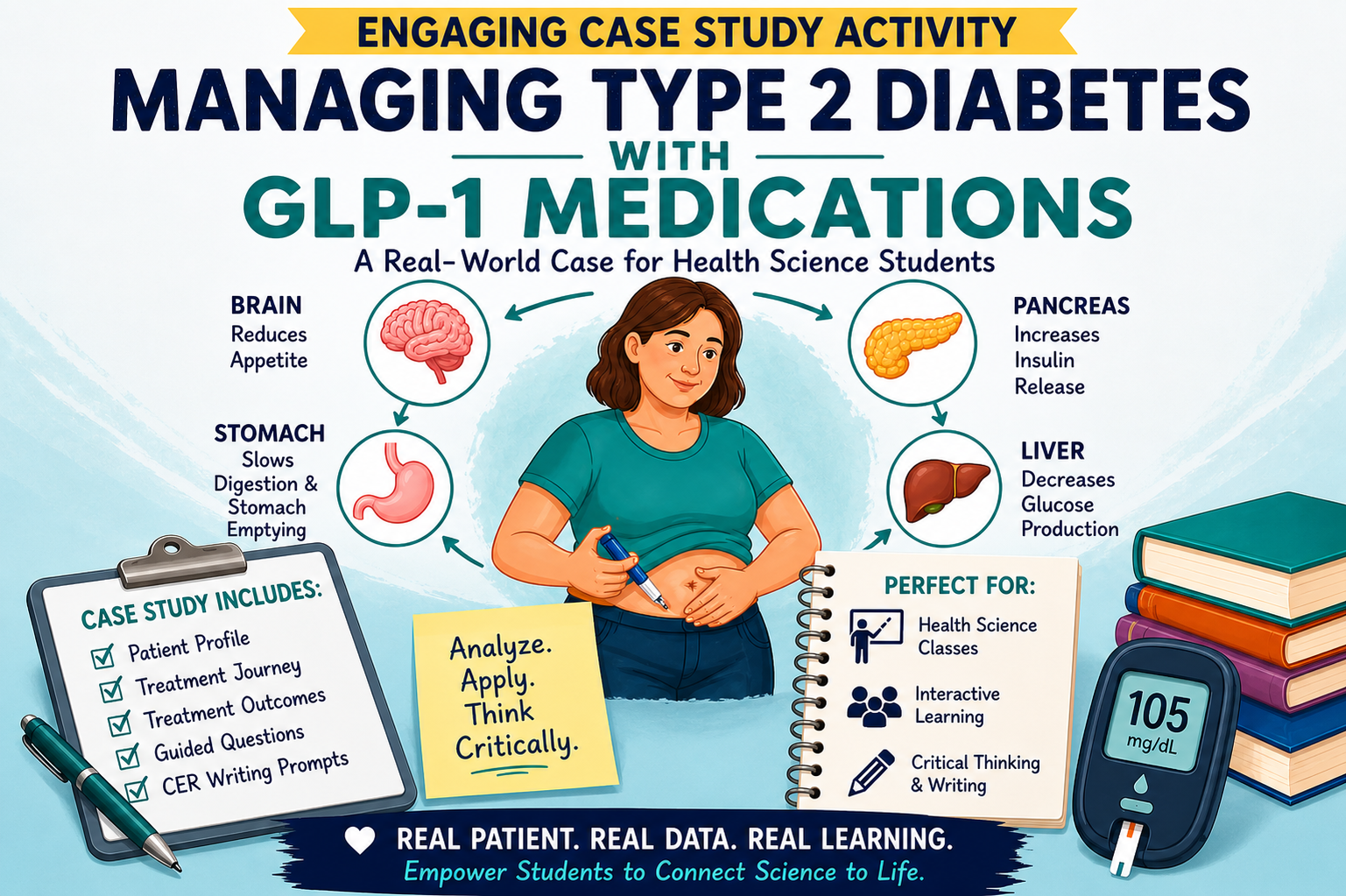
Case Study – Managing Diabetes with GLP-1
If you’re looking for a meaningful way to connect biology concepts to real life, check out this case study on managing Type 2 Diabetes. Students focus on how GLP-1 medications help the body maintain blood sugar levels. One of the most fascinating aspects of this activity is how it highlights the role of Glucagon-like peptide-1…
-
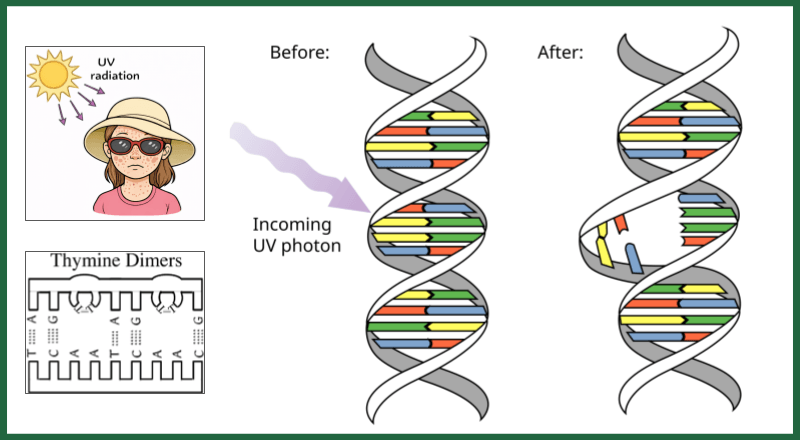
Thymine Dimers & DNA Repair
Teaching DNA damage and repair can feel abstract for students, until they can clearly visualize and apply it. This classroom-ready activity helps students understand thymine dimers and nucleotide excision repair (NER) through diagram analysis, structured questions, and real-world connections. By focusing on how DNA is damaged by UV radiation and how cells fix that damage,…
-
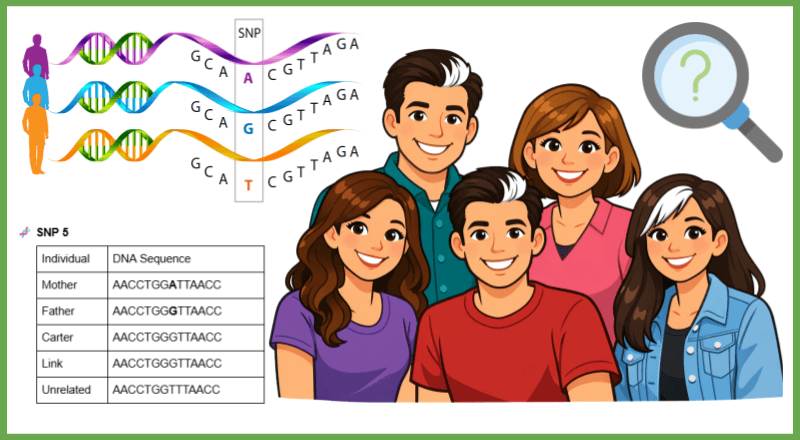
The Case of the Finch Flair: A DNA Mystery
Looking for an engaging way to introduce students to DNA variation, inheritance, and genetic evidence? The Case of the Finch Flair is a classroom investigation that combines SNP analysis, pedigrees, and Punnett squares into a fun genetics mystery your students will enjoy solving. In this activity, students investigate whether a mysterious individual could be related…