
Search results for: “teacher”
-

The Biology Corner – Resources for Teachers
Classes Biology 1 & 1ABiology 2 & 2AAP BiologyAnatomy 1 & 2Intro Biology Textbooks Miller Levine (Bee Book) Reading Guides CK 12 Reading GuidesOpenStax Reading GuidesMiller Levine (Dragonfly) Dissections Fetal PigFrog / BullfrogSquidCatRatEarthwormHeart / Brain Assessments KahootQuizzizQuizletPractice Quizzes Teachers Pay Teachers Support Biology Corner All student resources are available for free. To support this site,…
-
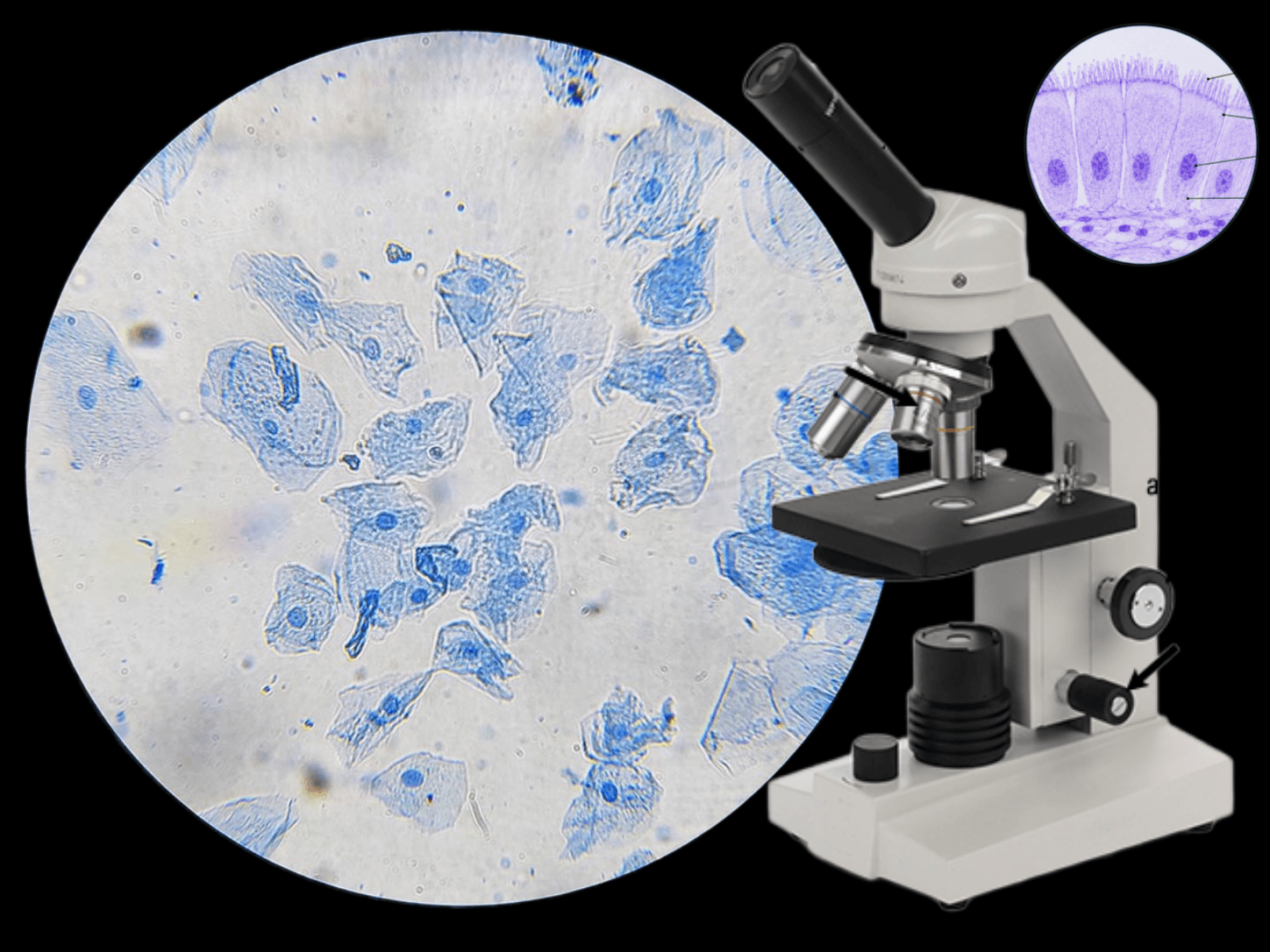
Investigation: Human Cheek Cells and Body Cells
This cell activity introduces students to cell size, scale, and specialization through a hands-on microscope investigation. Students prepare and observe a slide of their own cheek cells with simple laboratory instructions. Basically, students use a toothpick to gently scrape the inside of their mouth. Then, they swirl the toothpick in a drop of methylene blue…
-
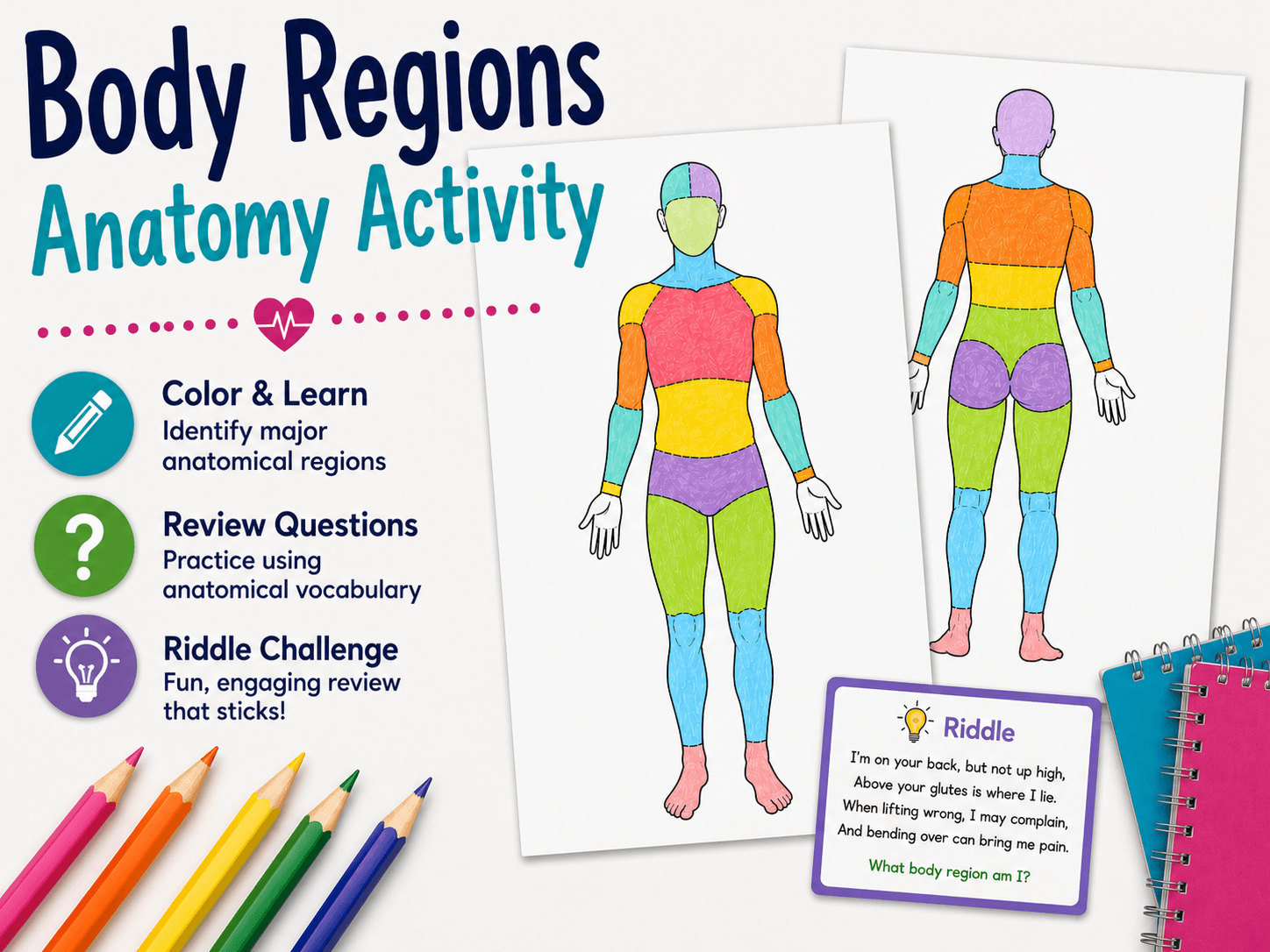
Learn the Anatomical Regions of the Body
Learning anatomical terminology is one of the first challenges students encounter in an anatomy class. Before students can describe the location of a bone or organ, they need a common language for identifying areas of the body. This Body Regions Anatomy Activity gives students a visual and approachable way to learn these important terms. Rather…
-
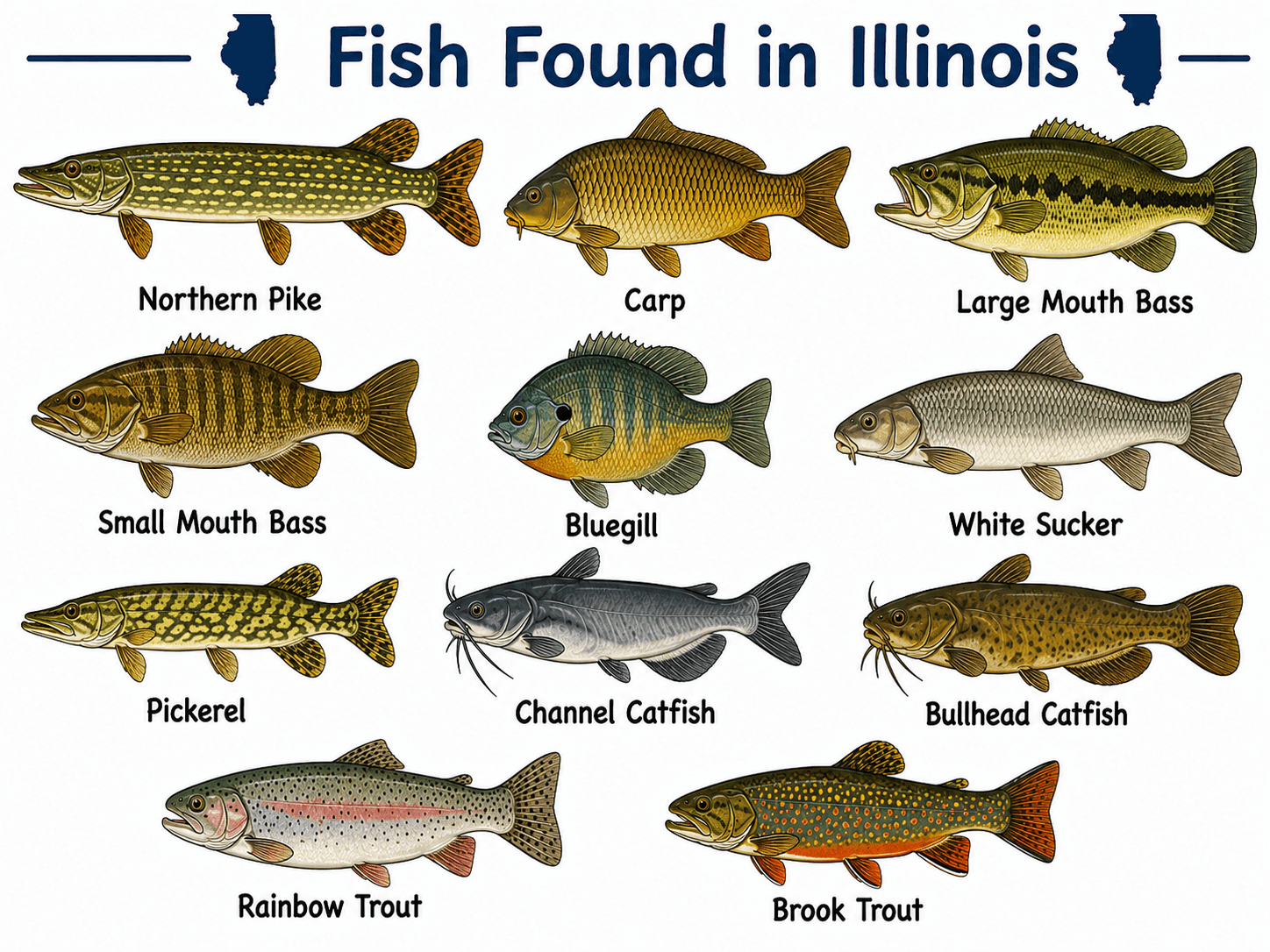
Identifying Fish Species with a Dichotomous Key
When students think about fishing, they often imagine catching the biggest bass or the most colorful trout. But for wildlife biologists, identifying a fish correctly is an important part of conservation. This Fish Identification activity gives students the opportunity to practice classification skills while exploring how scientists and conservation agencies protect native species. I focused…
-
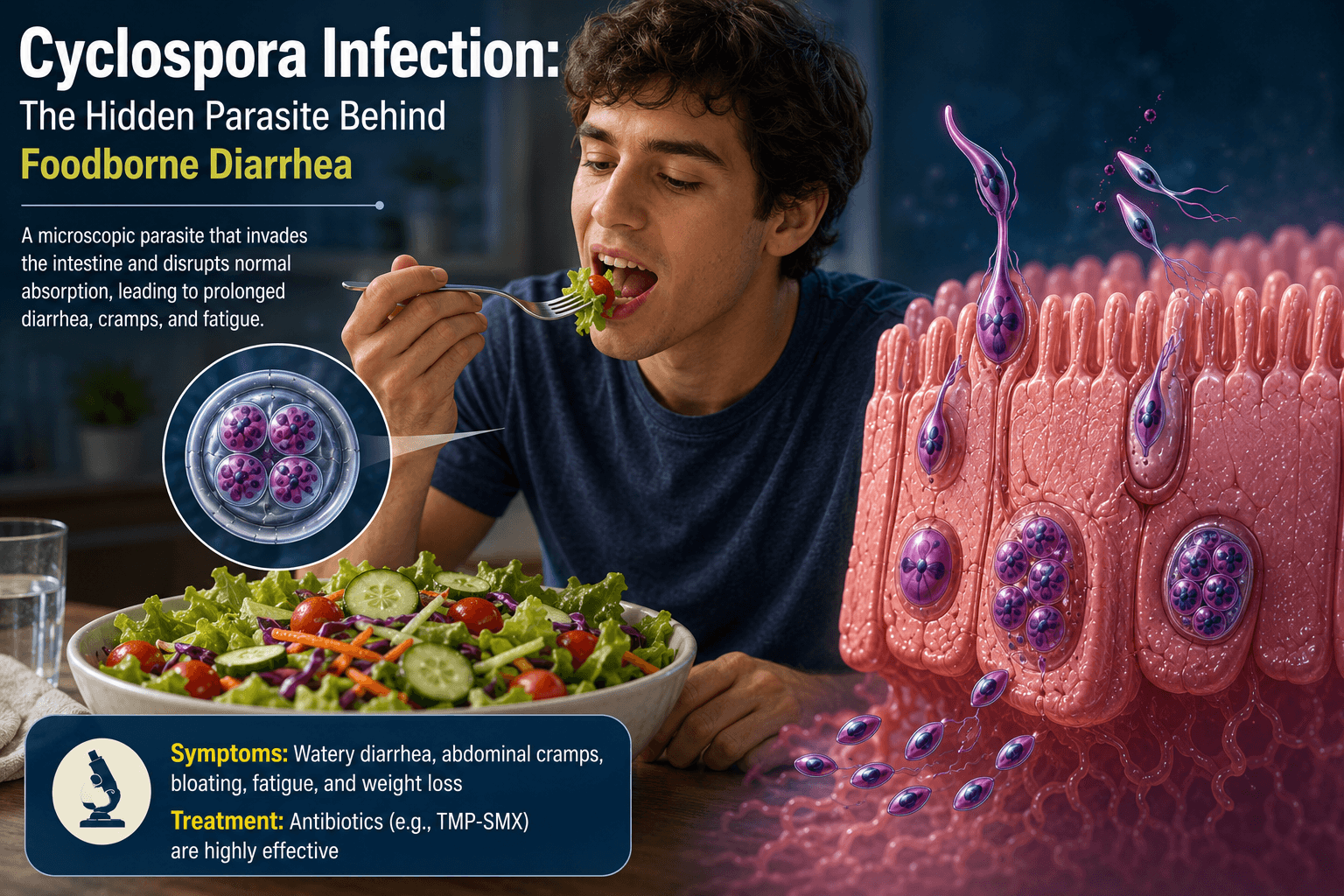
Case Study: Understanding Cyclospora Infection
Inspired by the ongoing 2026 Cyclospora outbreaks linked to contaminated fresh produce. Foodborne illnesses often make headlines, but students rarely get the opportunity to explore the biology behind these outbreaks. This Cyclospora Case Study uses a current food safety event to help students connect microbiology, anatomy, physiology, and public health through the story of a…
-
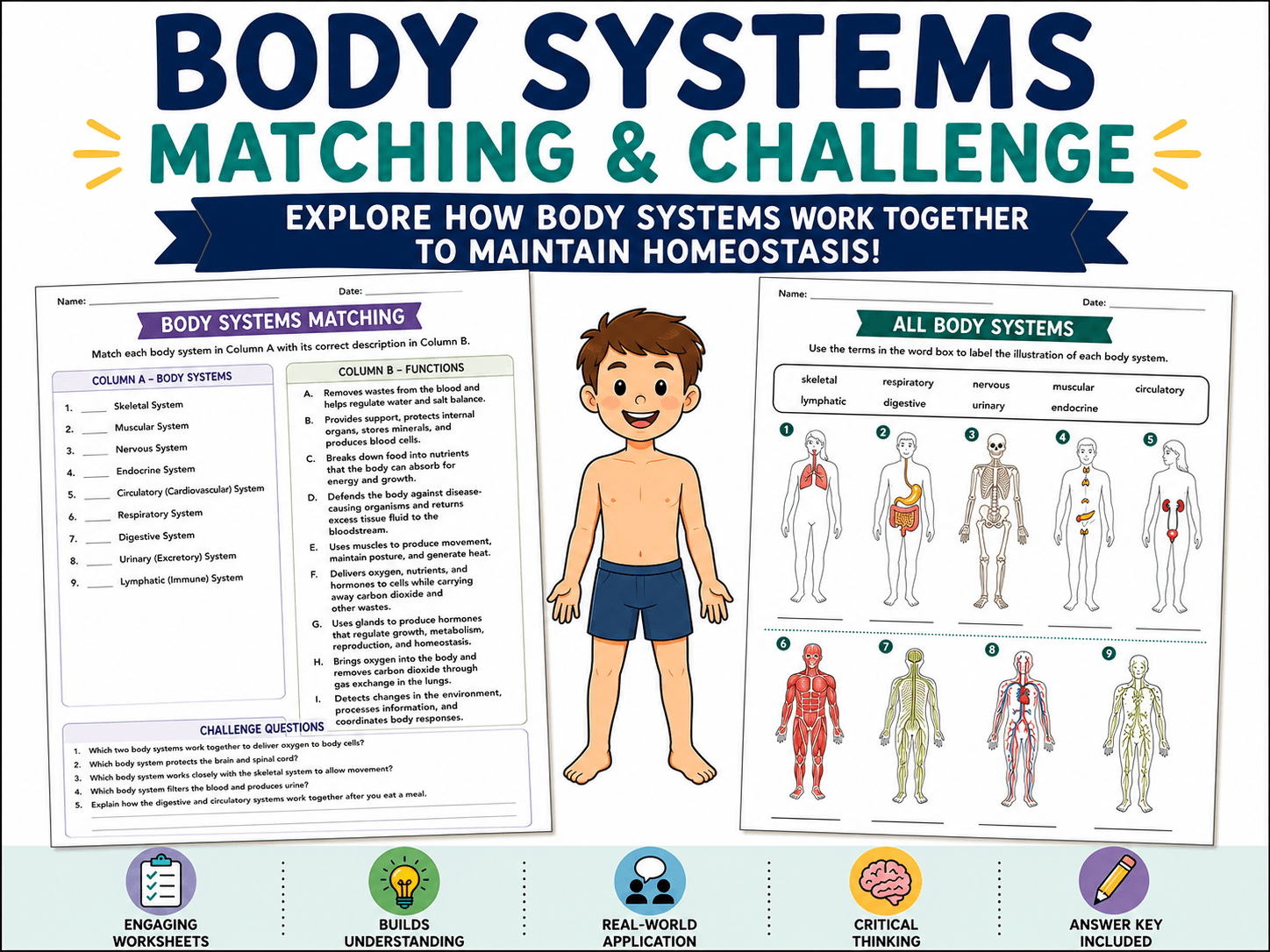
Reinforcement: Overview of the Body Systems
One of the biggest challenges when teaching anatomy is helping students move beyond memorizing lists of organs and instead understand that every body system works together to keep us alive. Students may know that the lungs belong to the respiratory system or that the kidneys are part of the urinary system, but they often struggle…
-
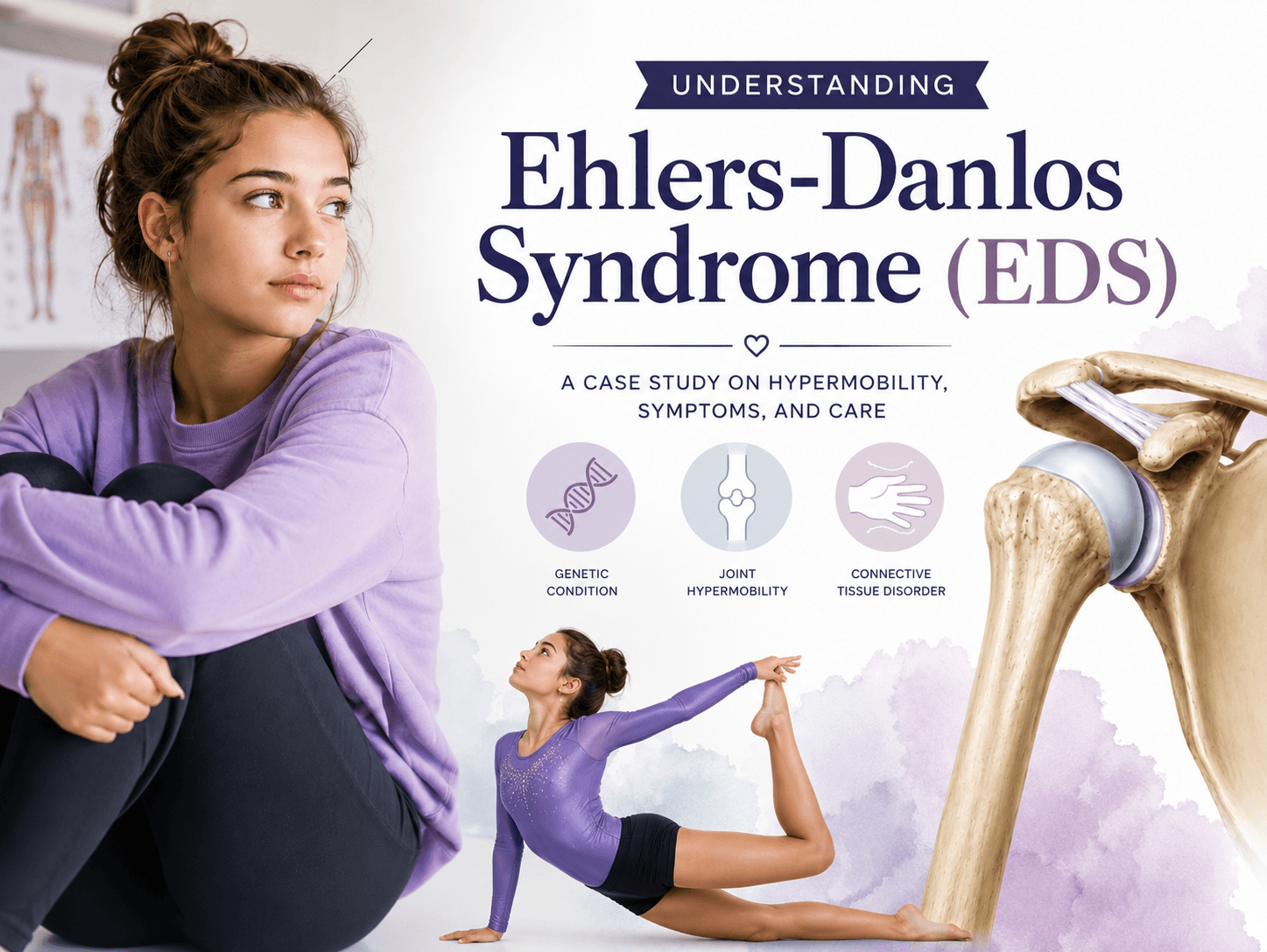
Case Study: Ehlers-Danlos Syndrome
One of the best ways to help students understand anatomy is to connect body systems to real people. This Ehlers-Danlos Syndrome (EDS) Case Study introduces students to a teenage girl whose unusual flexibility turns out to be more than a talent. EDS is the result of a connective tissue disorder that affects the entire body.…
-
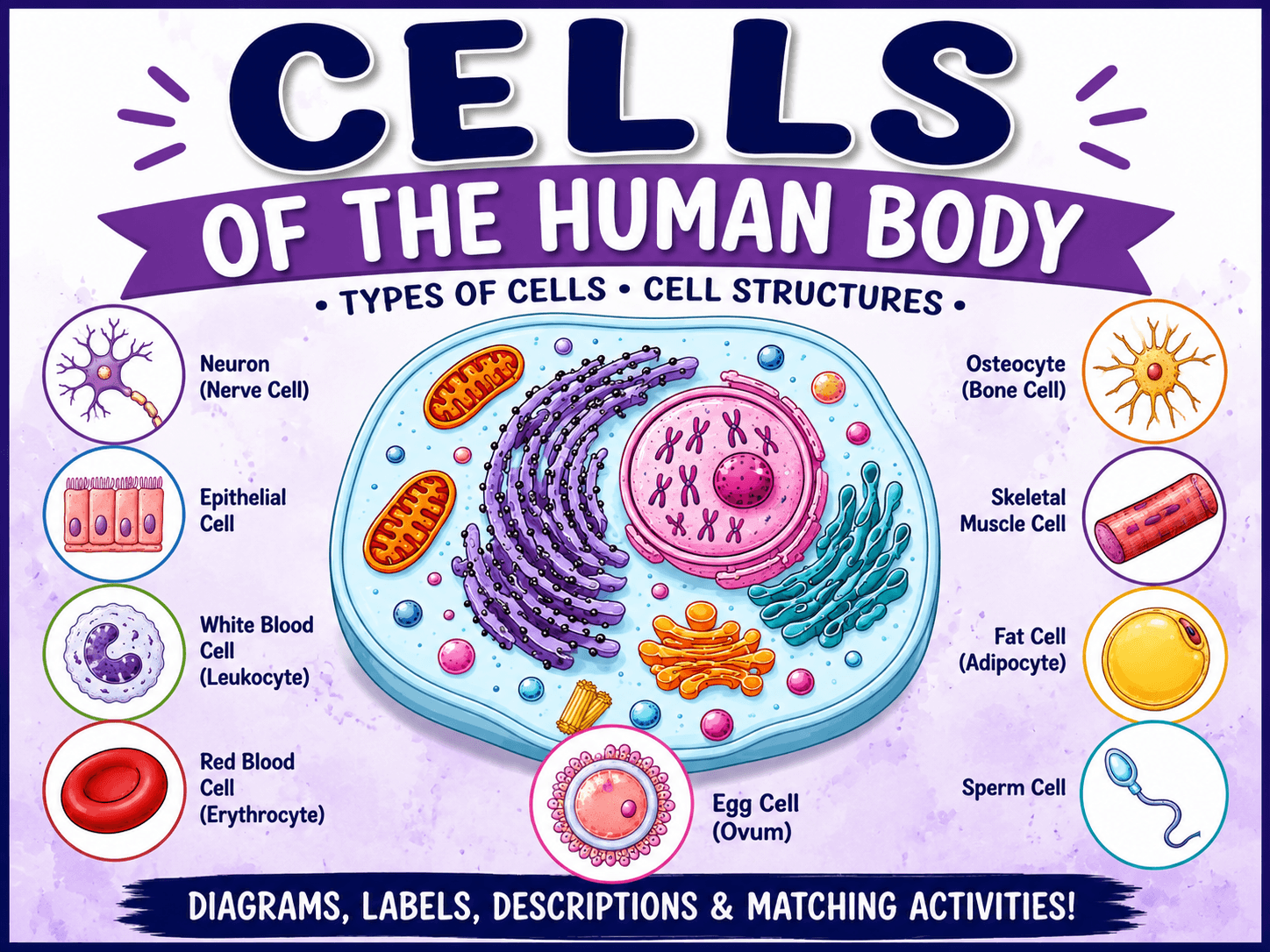
Types of Cells Coloring and Matching Activity
Every living organism is made of cells, but not all cells look—or function—the same. One of the biggest challenges for students in biology and anatomy is understanding how a single basic cell plan can be modified into hundreds of specialized cell types. This Cells of the Human Body Coloring and Matching Activity helps students make…
-
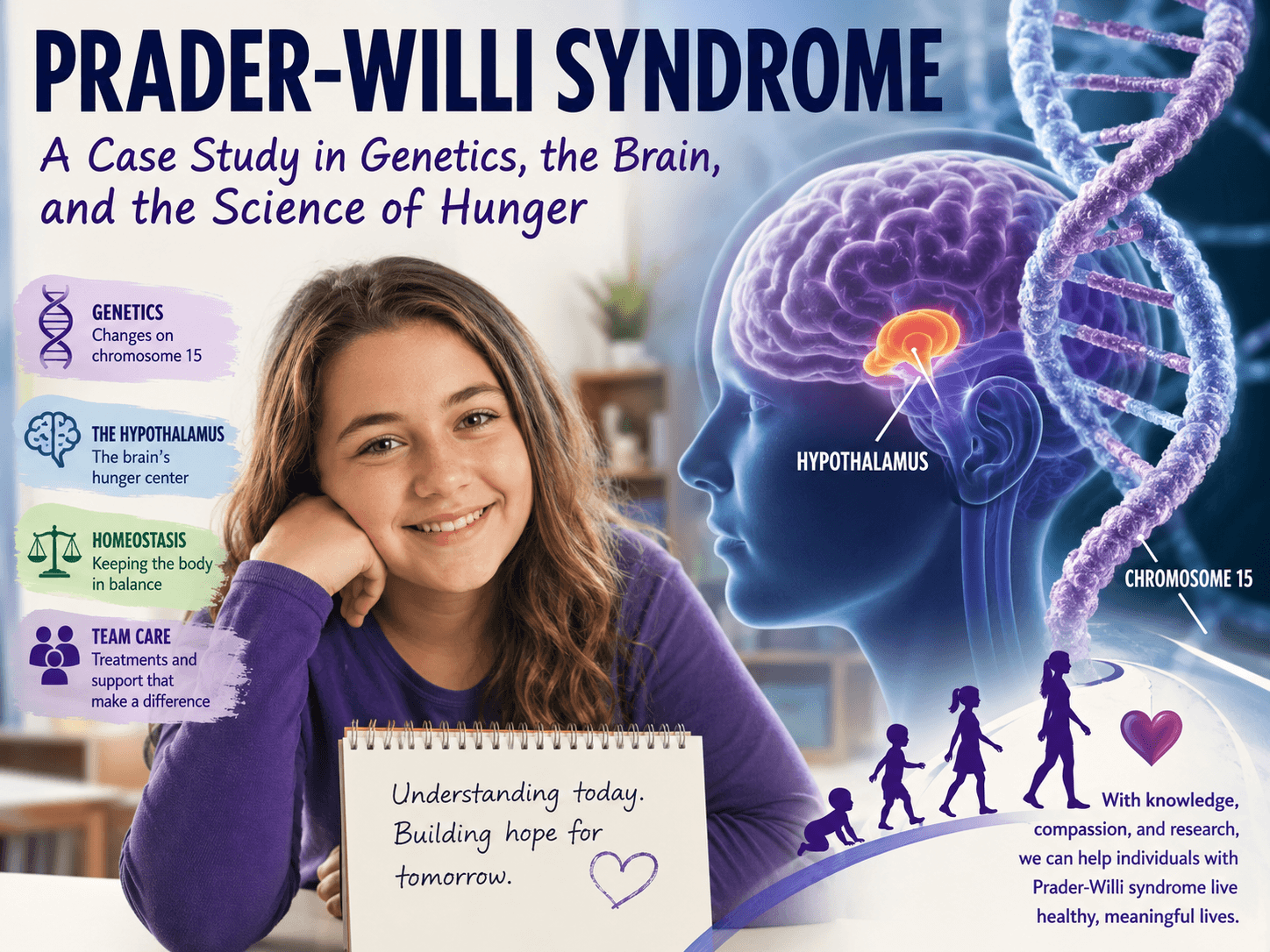
Case Study – Understanding Prader-Willi Syndrome
Rare genetic disorders provide some of the best opportunities for students to see how multiple body systems work together. While many lessons teach genetics, the nervous system, or the endocrine system separately, Prader-Willi syndrome (PWS) demonstrates how a single genetic change can affect nearly every aspect of human physiology. This case study follows Ella, an…