
Search results for: “teacher”
-
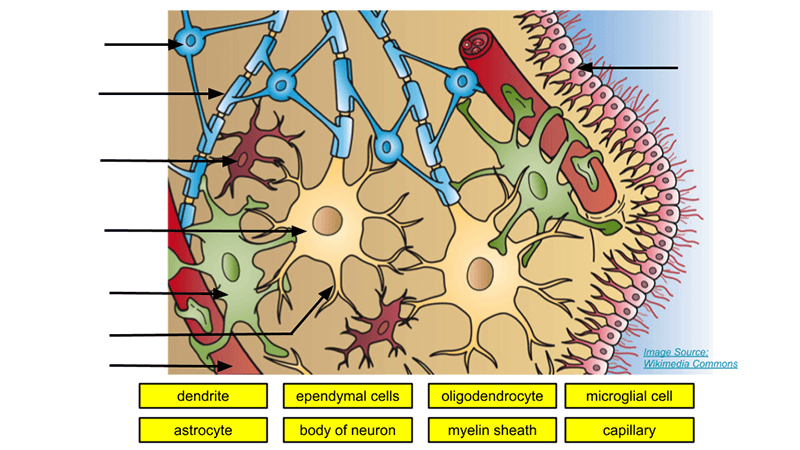
Neuroglia Labeling with Google Slides
Save paper by assigning labeling worksheets on Google Classroom. Instead of writing in labels, students drag and drop the labels to the appropriate area on the image. The labeling focuses on the neuron and supporting neuroglia (or glial) cells. These cells provide provide physical and metabolic support to neurons. Neuroglia cells are different from nerve…
-
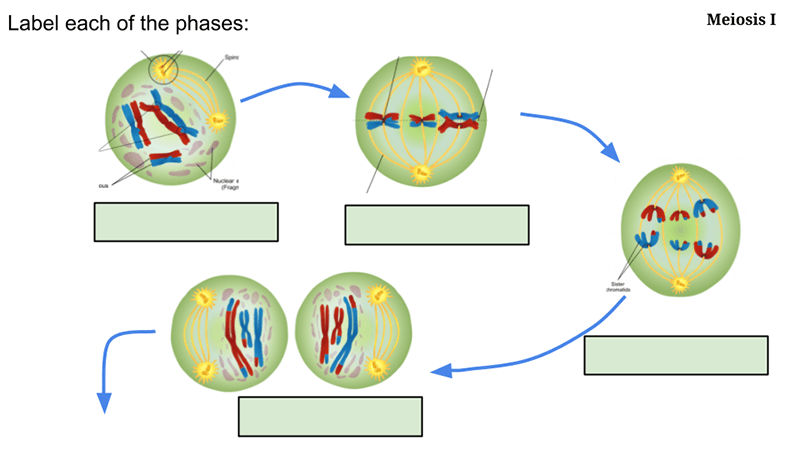
Modeling Meiosis and Independent Assorting Using Slides
Meiosis is a difficult topic for beginning biology students. There’s a lot going on in the cell to ensure that each new gamete receives half the DNA of the parent cell. In addition, each new cell is completely unique. This is the result of independent assortment and crossing over. Lessons on meiosis generally involve labeling…
-

Investigation: Sticklebacks
This investigation was modified from the HHMI Stickleback Modeling activity where students examine two different forms of the the stickleback fish. One form has spines and bony armor and is found in the ocean. The other has less armor and is missing its pelvic girdle, and is found in fresh water lakes. The activity has…
-
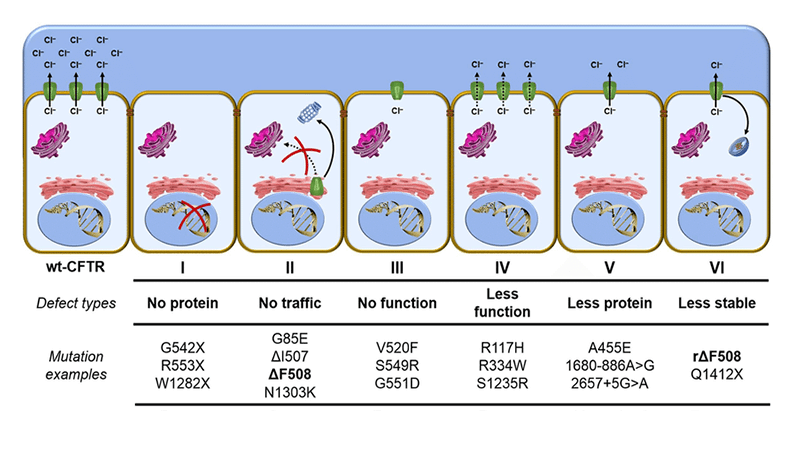
Case Study: Cystic Fibrosis Mutations
This case study is a follow-up to the Cystic Fibrosis Case Study where students explore how changes in transport proteins affects the movement of ions, resulting in a build-up of chloride ions and the symptoms of the disease. Students were introduced to the idea that different mutations can cause differences in the transport proteins, but…
-
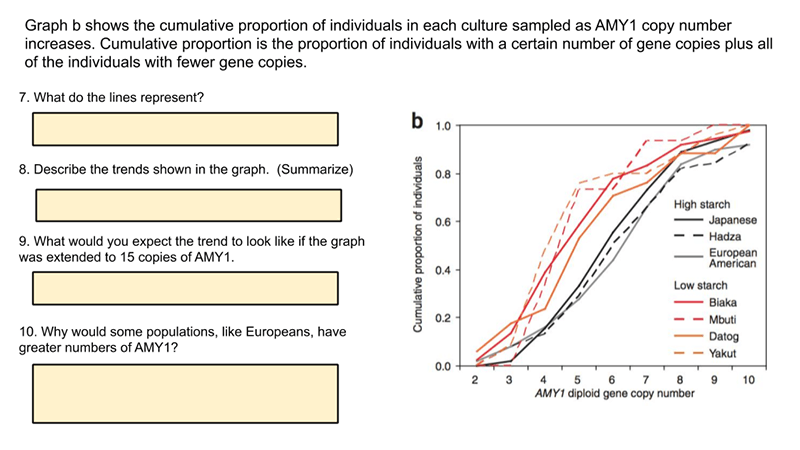
Amylase Enzyme and Copy Number Variant
This activity explores a data set on the frequency of copy number variants in the gene AMY1 that codes for amylase activity in the saliva. Amylase is an enzyme that breaks down starch into sugar. The activity builds on the HHMI data point showing how presence of multiple copies of the gene correlate to populations…
-
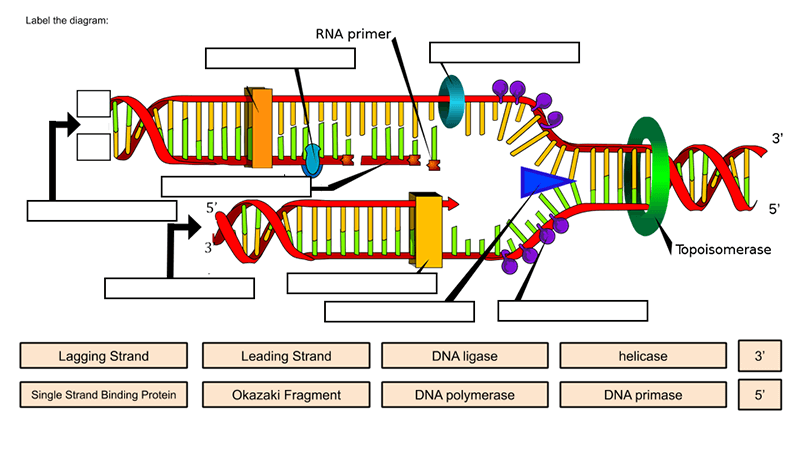
DNA Drag and Drop
Label DNA models by dragging boxes to the correct spot on Google Slides. Models show major events in DNA replication, and molecules involved.
-
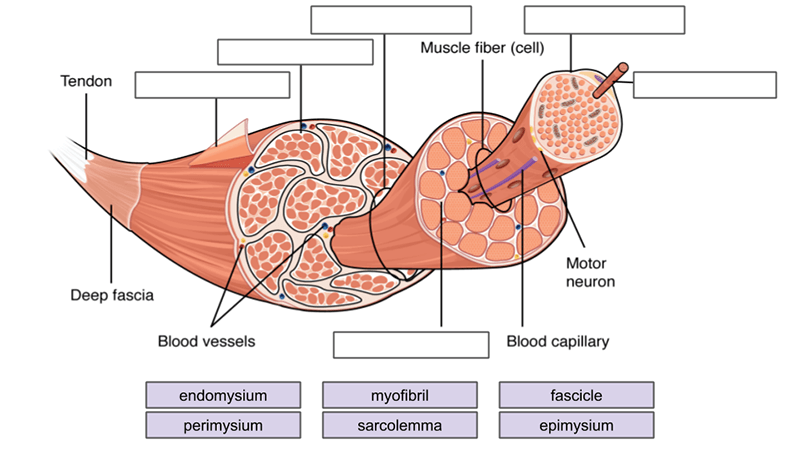
Muscles Labeling
This activity is aligned to my anatomy and physiology curriculum where students study the structure and function of muscle tissues. This has been a challenging topic to cover remotely because I can’t use traditional models. Typically, I would use straws and rubber bands to model fascicles and myofibrils. This activity is part of a unit…
-
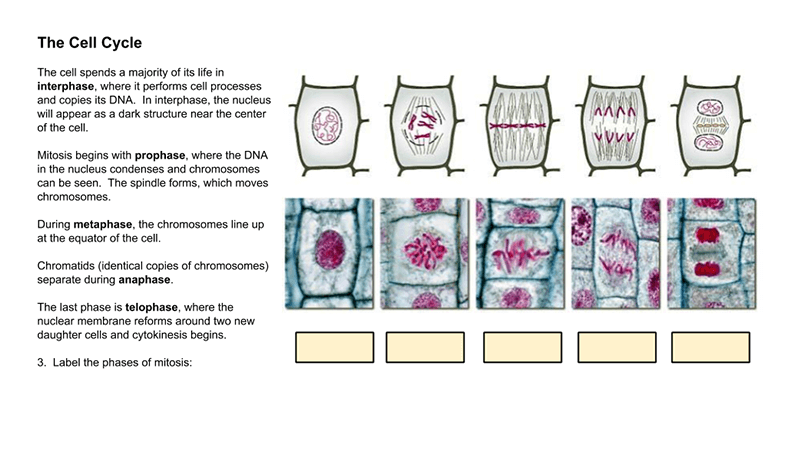
Investigation: Mitosis
This mitosis investigation was created during the 2020 pandemic for remote learning. In previous years, biology students would view slides in the lab and analyze data on cancer and mitotic index. This at-home activity only looks at the mitosis of onion cells and I plan to add cancer and mitotic index as a separate activity.…
-
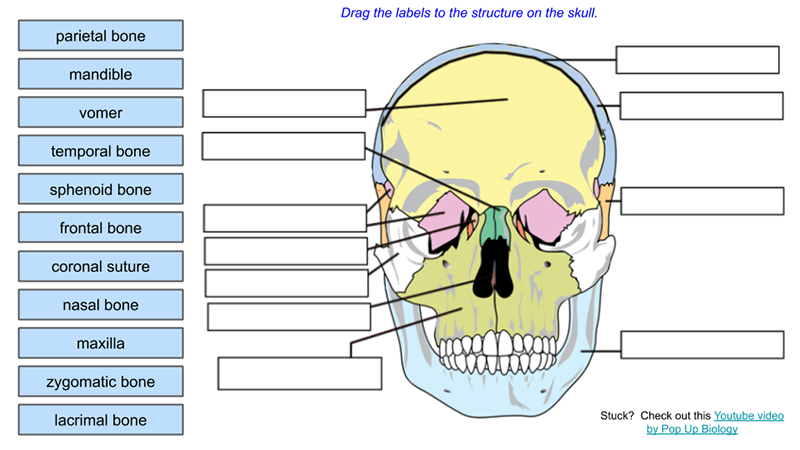
Skull Label (remote)
This activity was designed for anatomy and physiology with students working remotely during the 2020 pandemic. Students are given a short overview of the skull during virtual class and then encouraged to watch the Pop Up Biology video which explains the features of the skull (foramen, condyles, process…etc.) The activity is made on google slides…