
Search results for: “3d”
-
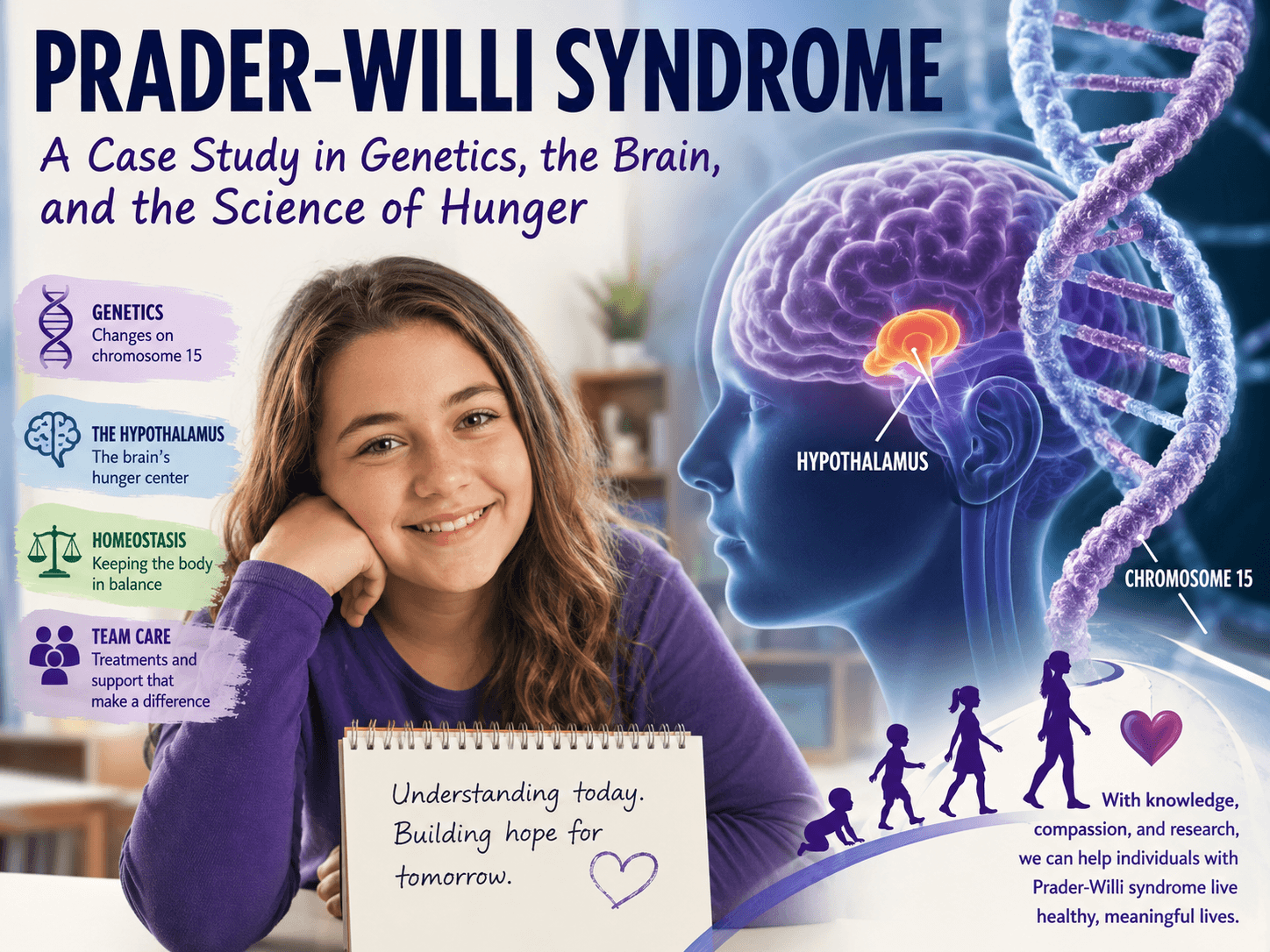
Case Study – Understanding Prader-Willi Syndrome
Rare genetic disorders provide some of the best opportunities for students to see how multiple body systems work together. While many lessons teach genetics, the nervous system, or the endocrine system separately, Prader-Willi syndrome (PWS) demonstrates how a single genetic change can affect nearly every aspect of human physiology. This case study follows Ella, an…
-
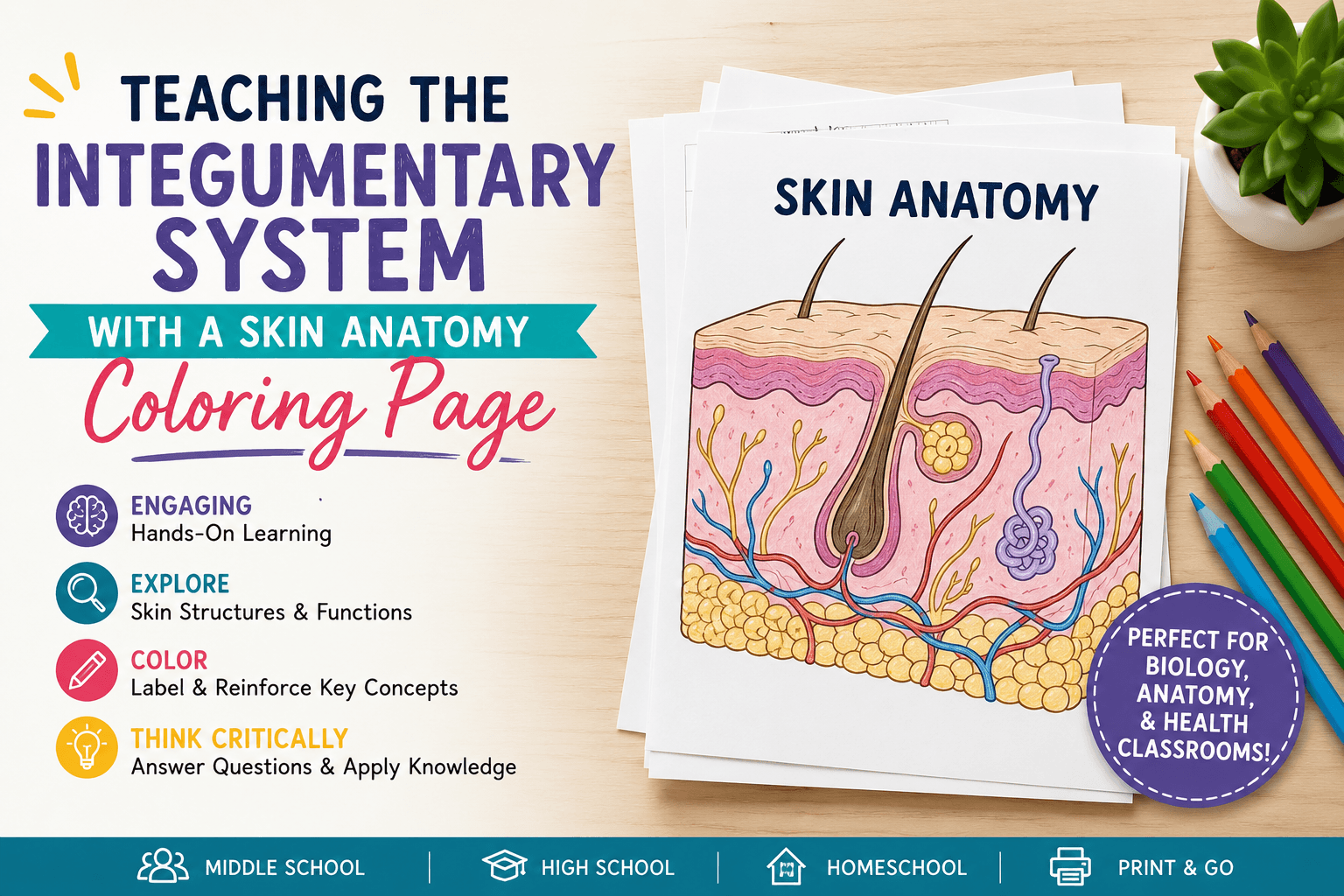
Integumentary System – Color the Layers of the Skin
When students think about the human body, they often focus on organs like the heart, lungs, or brain. Yet the body’s largest organ is something they see every day—the skin. Despite its importance, students frequently underestimate the complexity of the integumentary system and the many structures working beneath the surface. This Skin Anatomy Coloring Page…
-
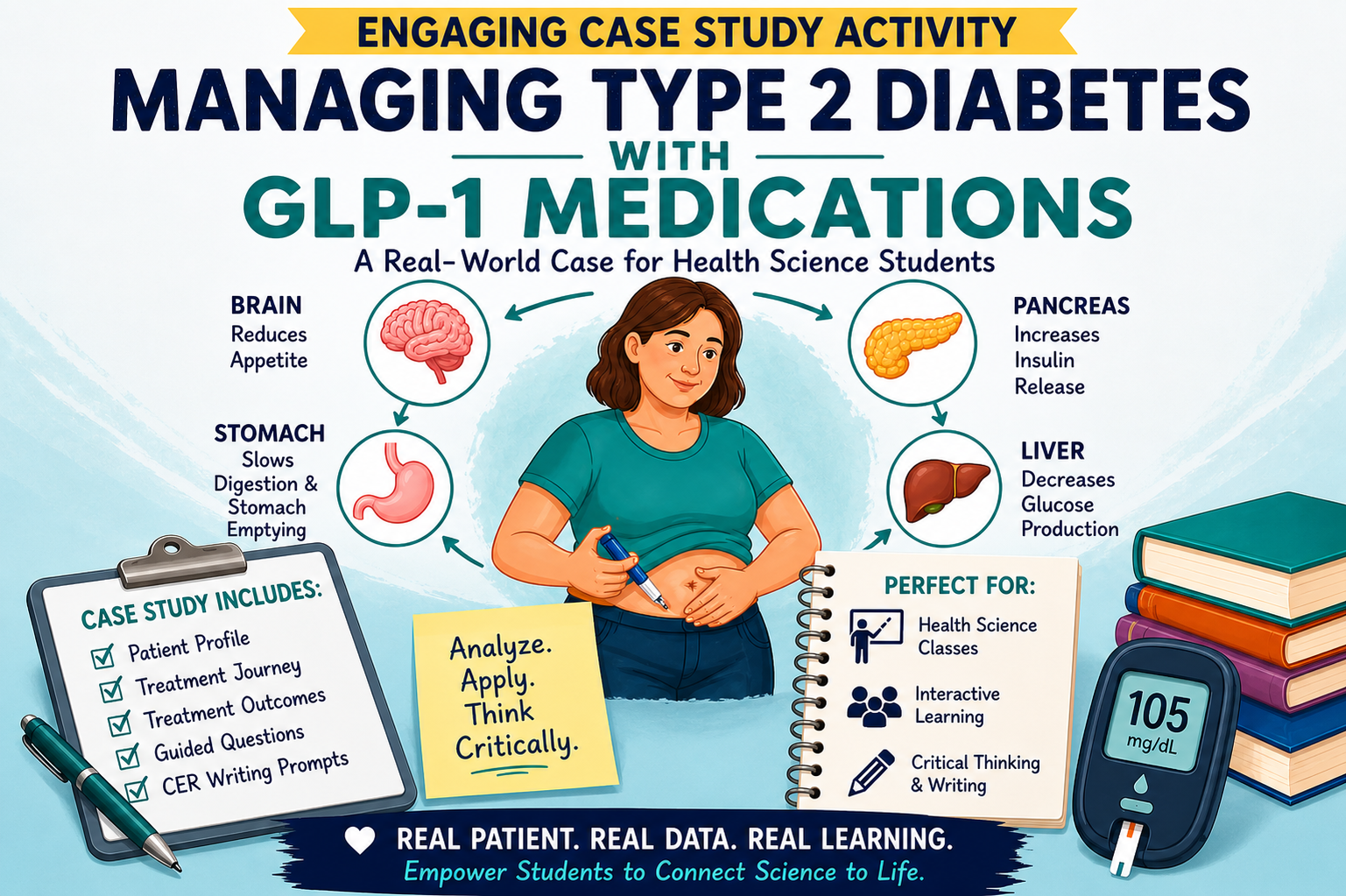
Case Study – Managing Diabetes with GLP-1
If you’re looking for a meaningful way to connect biology concepts to real life, check out this case study on managing Type 2 Diabetes. Students focus on how GLP-1 medications help the body maintain blood sugar levels. One of the most fascinating aspects of this activity is how it highlights the role of Glucagon-like peptide-1…
-
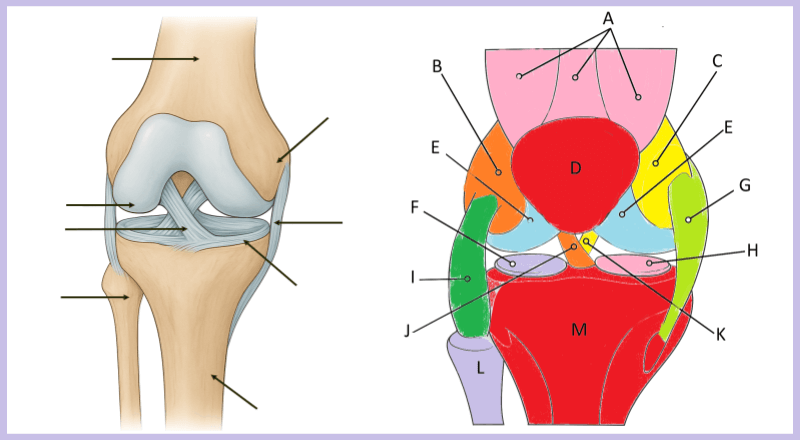
Explore the Anatomy of the Knee and ACL Injuries
Are you teaching the skeletal of muscular system and want a way to make knee anatomy more engaging for your students? This worksheet explores the most common knee injury in sports, a tear in the anterior cruciate ligament. This injury occurs when an extreme twisting of the knee tears the ligament that stabilizes the joint.…
-
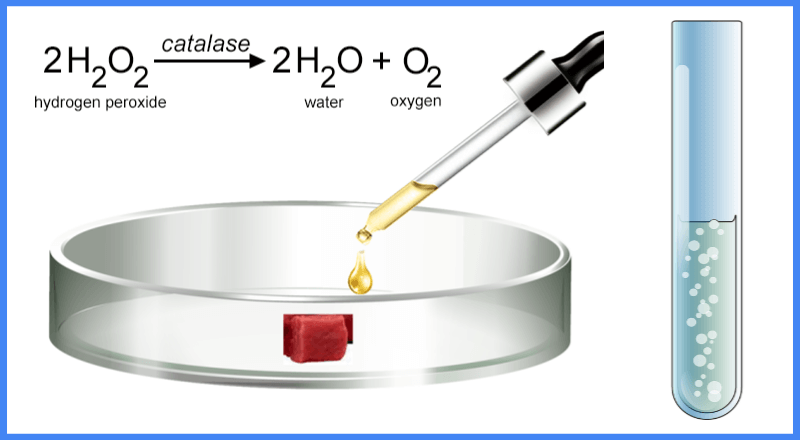
Lab: How Do Enzymes Work
Explore how enzymes work with this engaging lab. I redesigned this lab with freshman students in mind. The directions are simple. Students drop hydrogen peroxide onto raw liver, and observe the bubbling. The bubbles are oxygen as it is being released in the reaction. The lab handout includes a background section that explains how enzymes…
-
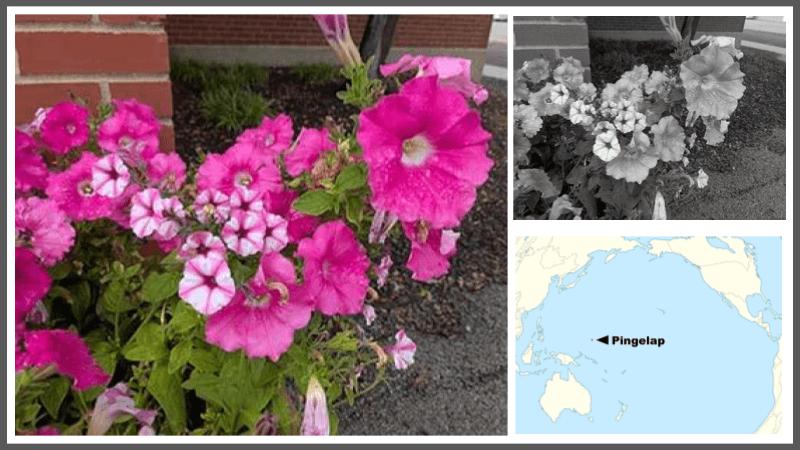
Case Study – The Island of the Colorblind
Looking for a high-impact, real-world genetics case study to bring recessive inheritance and population genetics to life? Let me introduce you to Pingelap Atoll, a remote island in Micronesia with a powerful story that blends biology, history, and human resilience. 🧬 What’s the Story? Pingelap is known as “The Island of the Colorblind”, thanks to…
-
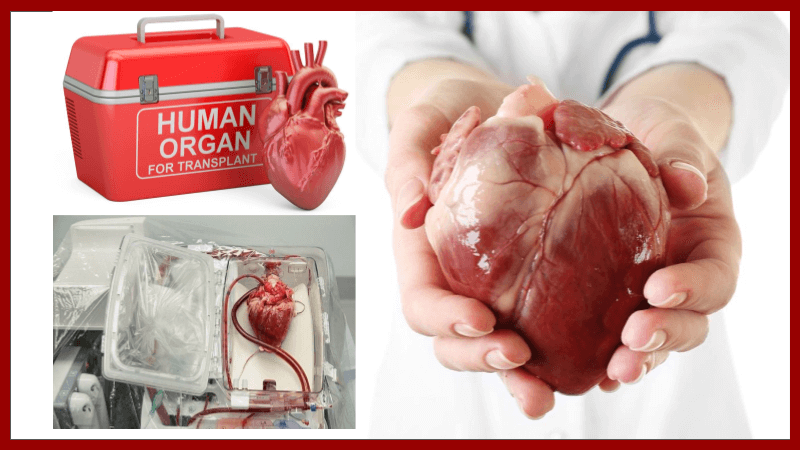
Case Study: Heart Transplant Recipients
A heart transplant is a life-saving procedure for patients with end-stage heart failure, but not everyone qualifies. This process involves strict medical evaluations, organ matching, and precise surgical techniques. In this case study, students explore the procedures involved in this life saving technology. The case includes three major sections, which questions and diagrams for students…
-
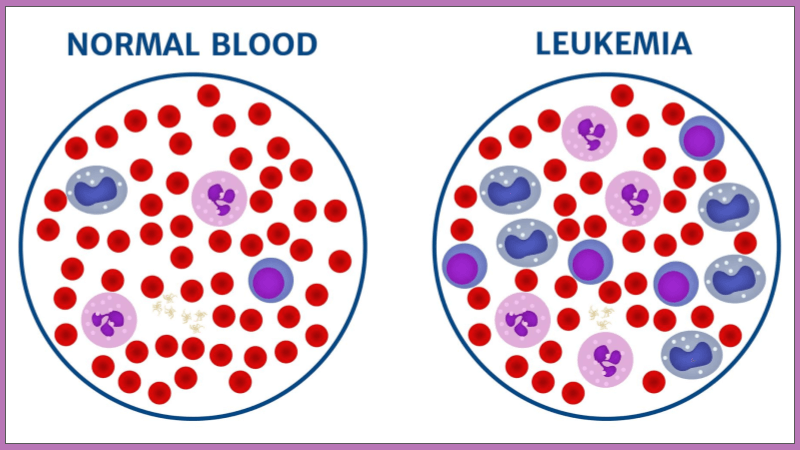
Case Study – Ethan’s Journey with Leukemia
Are you looking for an engaging way to teach high school biology? Real-world connections can make a huge impact on your students’ understanding of complex topics like the human body, cell function, and diseases. That’s why we’ve created Case Study: Understanding Leukemia Through Ethan’s Story—a resource designed to bring the science of leukemia to life…
-

Facebook Suspended and Disabled
If you are wondering why I haven’t been active on my Facebook/biologycorner page, then let me share the story of how I got cancelled by Meta. Before you ask, I didn’t do anything wrong, and my last post showed my pet bearded dragon in a Santa hat. I have been a Facebook user for over…
-
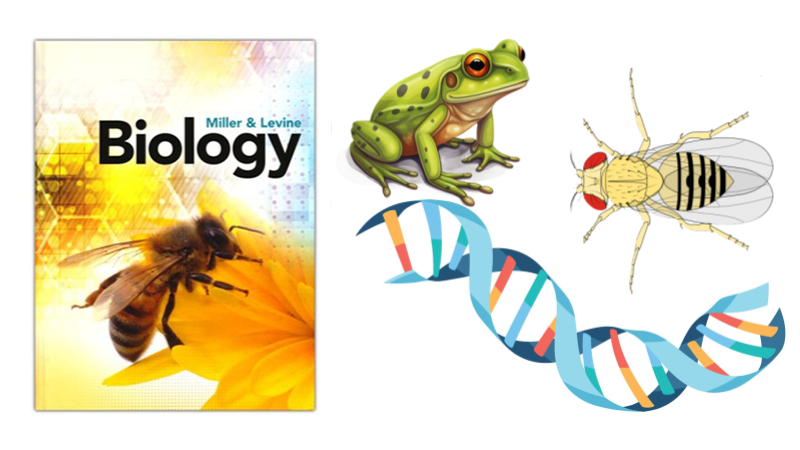
Biology 2 Curriculum and Course Map Materials
Biology teaching resources aligned to Miller and Levine’s Bee Book. 2nd semester content covers, genetics, DNA, evolution, and animal systems Materials are available for free!
-
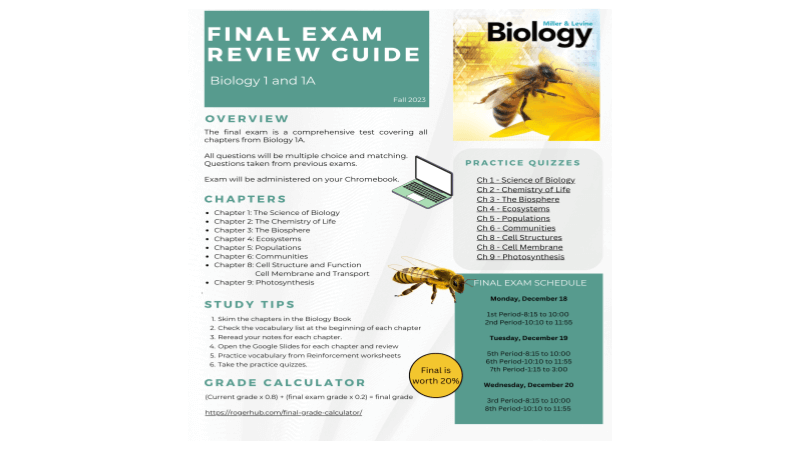
Biology 1 Final Exam Review Guide (Bee Book)
Study for your biology final exam with these comprehensive resources! Access study guides, practice tests, and key materials to ace your test!
-
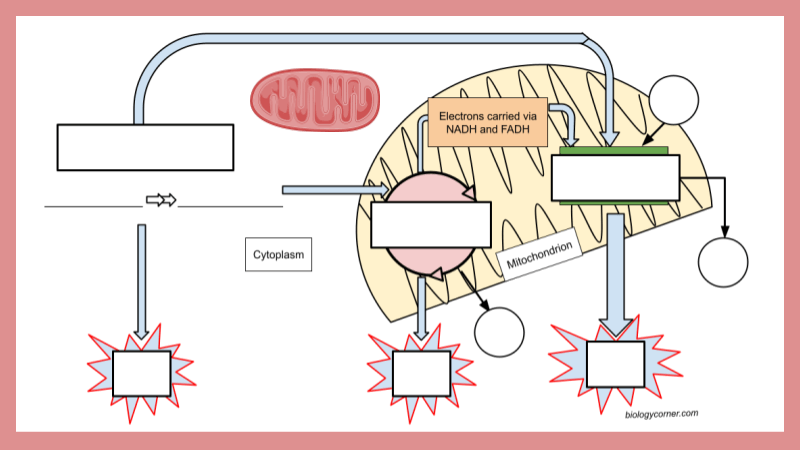
Cellular Respiration Overview
Explore the intricacies of cellular respiration with this engaging worksheet designed for students. Covering glycolysis, the citric acid cycle, and the electron transport chain