
Category: Genetics
-
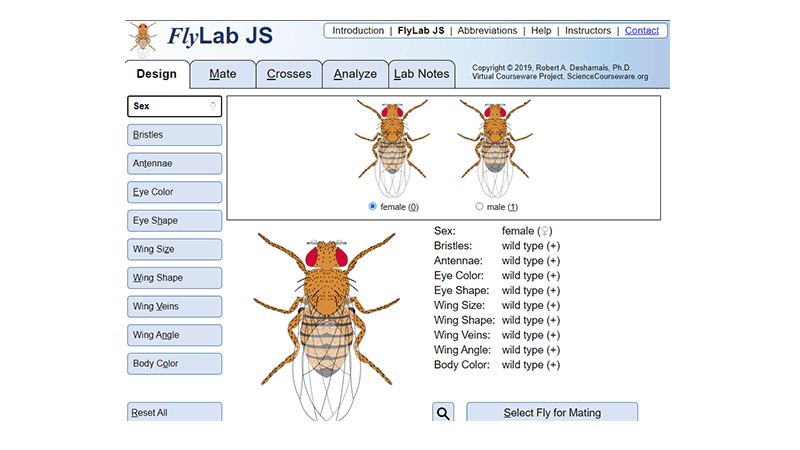
Virtual FlyLab (New!)
Virtual fruit fly genetics lab where students can explore phenotypes and genotypes of flies, design experiments, and perform chi square analysis
-
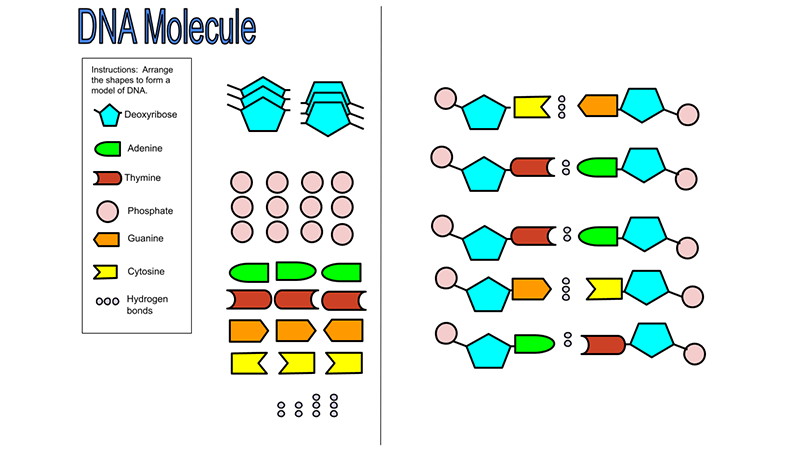
DNA Model – Cut and Paste Nucleotides
This digital modeling activity allows students to build a DNA model by dragging the individual parts into a completed diagram
-
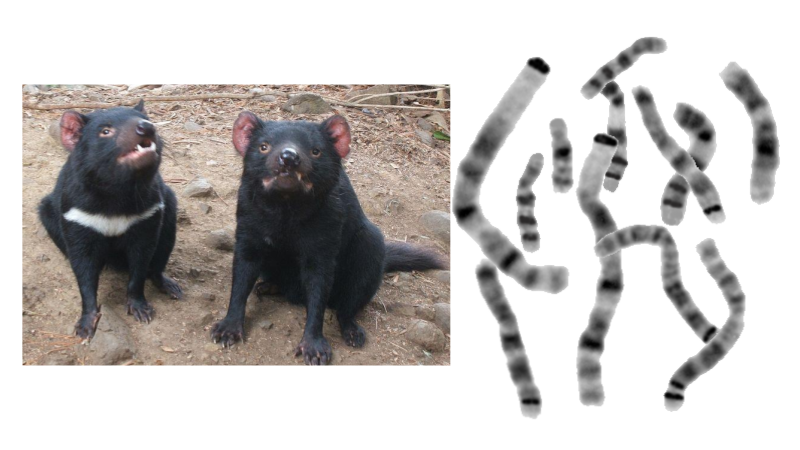
Tasmanian Devil Karyotype (Remote Version)
Examine a karyotype showing the chromosomes of a Tasmanian devil. Arrange chromosomes and determine diploid number.
-
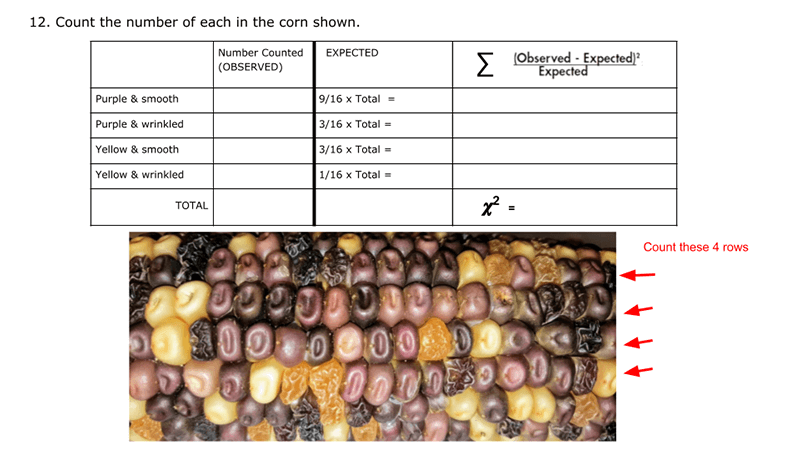
Corn Chi Square (remote)
This is the remote version of a classroom activity I do with corn ears. Students would count the kernels (smooth, wrinkled, purple, yellow) and determine if the ears of corn are the result of a dihybrid cross, RrPp x RrPp. This gives students the opportunity to apply statically analysis to data sets and determine if…
-
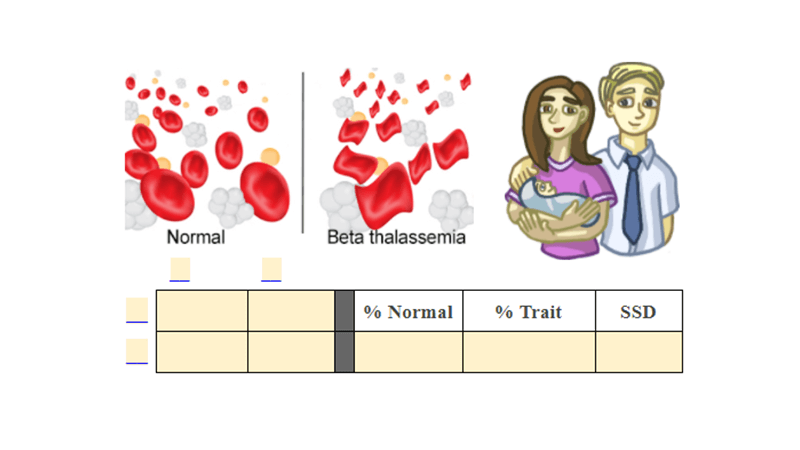
Genetics of Blood Disorders – Hemophilia and Sickle Cell
I created this worksheet for anatomy students to practice using Punnett squares and comparing different types of mutations that affect the blood. Ideally, students will have already learned about genetics of blood types. Because I use this worksheet in my anatomy class, I don’t spend a lot of time teaching genetics. However, students do need…
-
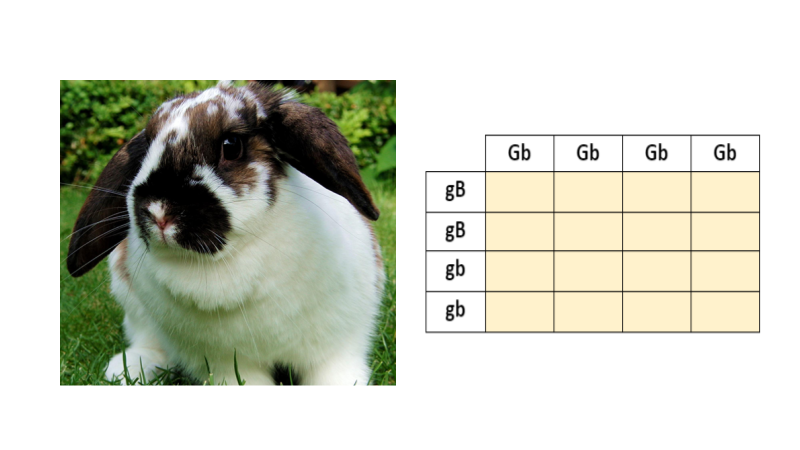
Genetic Crosses in Rabbits (Remote)
Students learn how to do Punnett squares with two traits by practicing completing 4×4 squares.
-
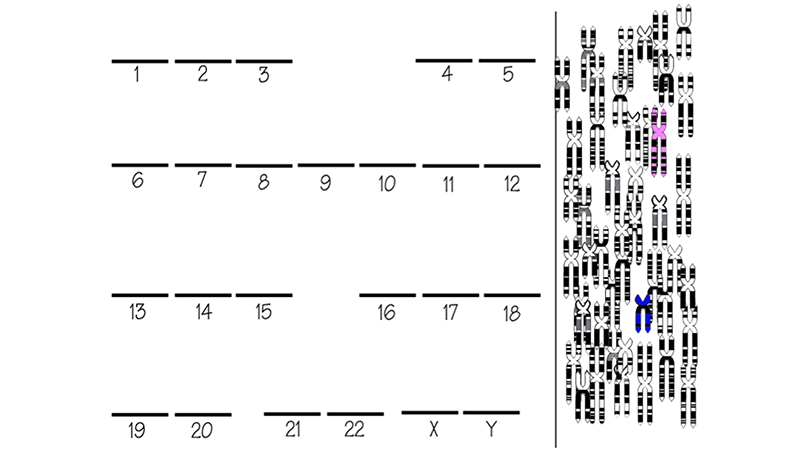
Karyotype Analysis Using Google Slides
Students group homologous pairs of chromosomes and arrange them by size on the grid using google slides. Diagnose the genetic disorder.
-
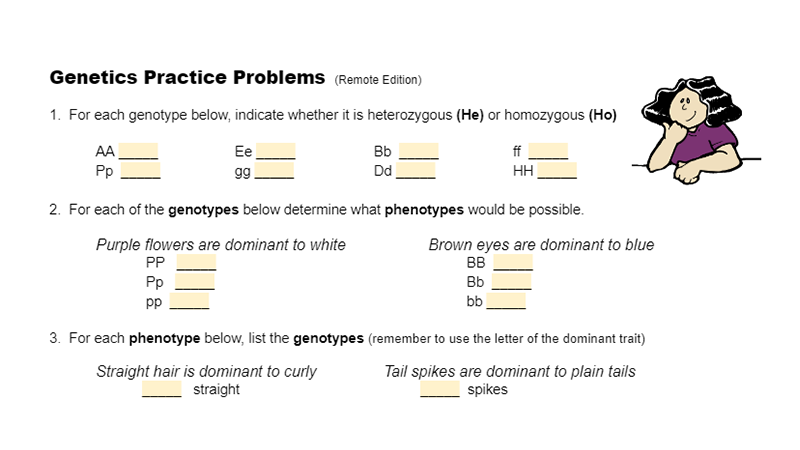
Genetics Practice (Remote)
This worksheet was modified from a popular (and long-standing) worksheet where students practice genetics crosses: Simple Genetics Practice Problems. This version was created for remote learning during the 2020 pandemic. It is similar to the printout students would normally use, but in the case, I used inserted tables in Google docs to set up the…
-
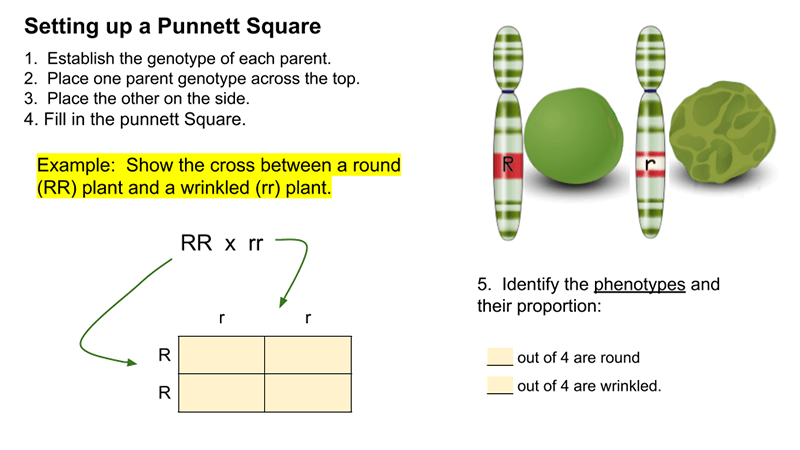
Genetics Practice Problems with Google Slides
For students who are learning remotely, genetics lessons that involve Punnett squares and probability may be challenging. In a traditional class, I would give students small whiteboards and we would practice doing crosses together. I could circulate around the room to help students who are struggling, and they could help each other. Plus, they love writing…
-

Investigation: Sticklebacks
This investigation was modified from the HHMI Stickleback Modeling activity where students examine two different forms of the the stickleback fish. One form has spines and bony armor and is found in the ocean. The other has less armor and is missing its pelvic girdle, and is found in fresh water lakes. The activity has…
-
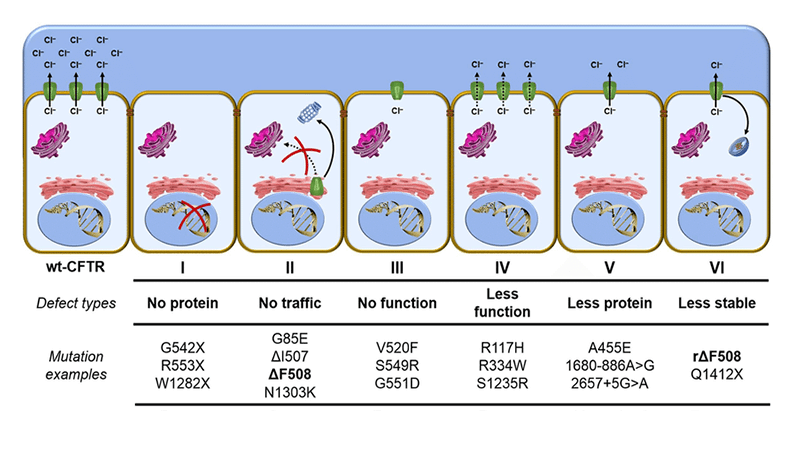
Case Study: Cystic Fibrosis Mutations
This case study is a follow-up to the Cystic Fibrosis Case Study where students explore how changes in transport proteins affects the movement of ions, resulting in a build-up of chloride ions and the symptoms of the disease. Students were introduced to the idea that different mutations can cause differences in the transport proteins, but…
-
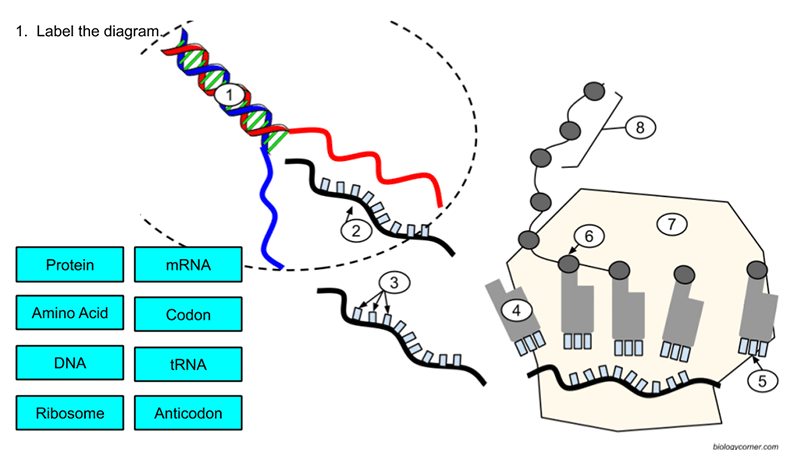
Label: Protein Synthesis
Label and image of the cell membrane and ribosome, showing transcription and translation.
-
Amylase Enzyme and Copy Number Variant
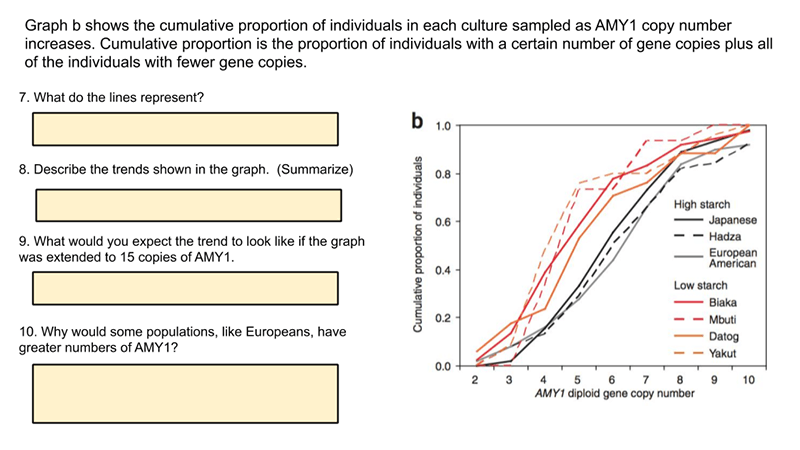
This activity explores a data set on the frequency of copy number variants in the gene AMY1 that codes for amylase activity in the saliva. Amylase is an enzyme that breaks down starch into sugar. The activity builds on the HHMI data point showing how presence of multiple copies of the gene correlate to populations…
-
DNA Drag and Drop
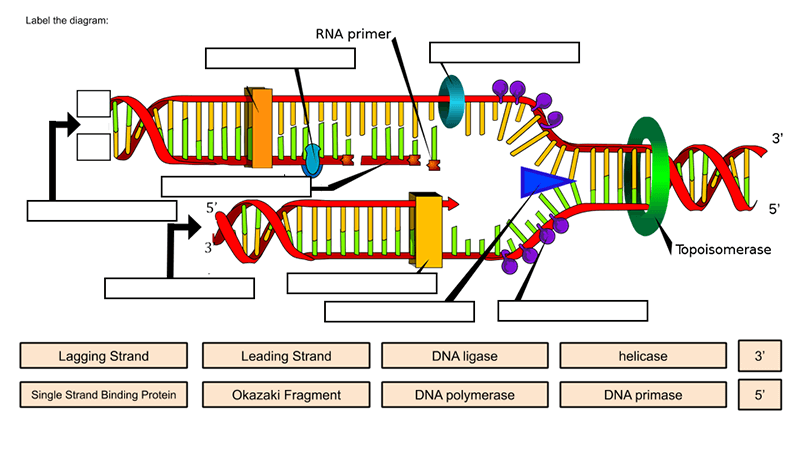
Label DNA models by dragging boxes to the correct spot on Google Slides. Models show major events in DNA replication, and molecules involved.
-
Genetics – Lop Ears
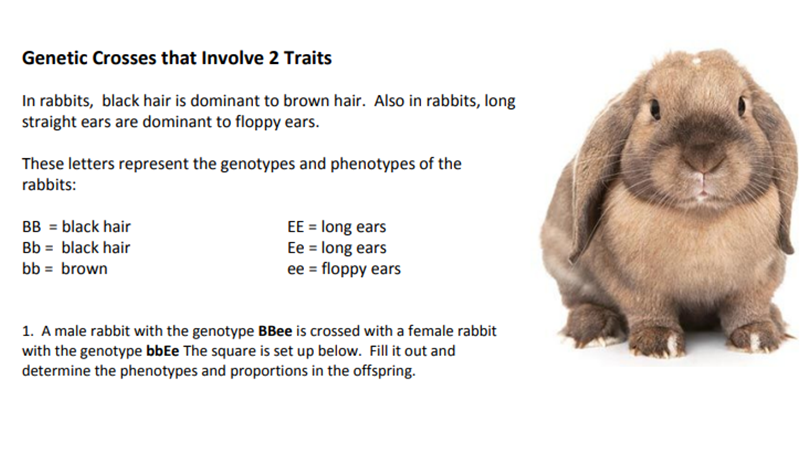
This worksheet allows students to practice doing genetic crosses that involve two traits. The first problem has the 4×4 Punnet square already set up. Once they fill out the square, they determine how many of the bunnies have floppy or long ears, and how many have black or pink noses. Note, these genetic traits are…