
Category: Cell Biology
-
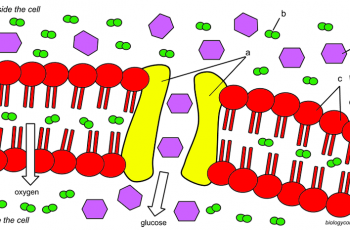
Cell Membrane Coloring
Color the cell membrane with a focus on diffusion, osmosis and transport proteins. Students color the structures of a cell membrane according to the directions. Then they answer questions about cell transport. I designed this worksheet for an introductory biology course to reinforce concepts related to cell transport. An image shows the phospholipid bilayer with…
-
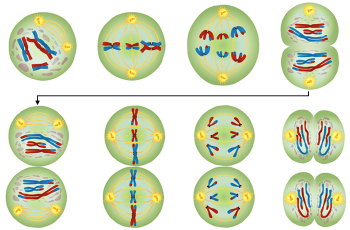
Meiosis Worksheet
Reinforce concepts related to meiosis and sexual reproduction. Students compare terms such as diploid and haploid, and label an image.
-
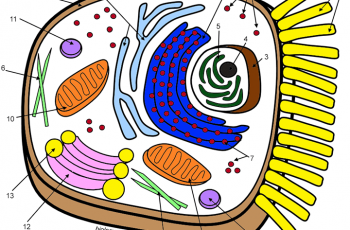
Learn the Animal Cell
This animal cell coloring worksheet can be used with freshman biology for years as a supplemental way to learn the parts of the cell. I assign it as a review or reinforcement exercise. It’s also a good activity for rainy days and sub days. This version of the cell coloring includes a cell diagram that…
-
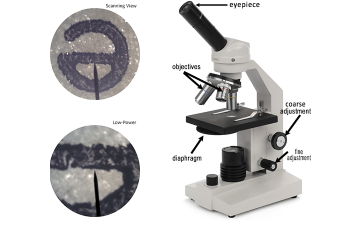
StoryLab – Microscope “E”
This Storylab aligns with a basic microscope lab where students learn the parts of the microscope and locate the letter “e’ on a prepared slide.
-
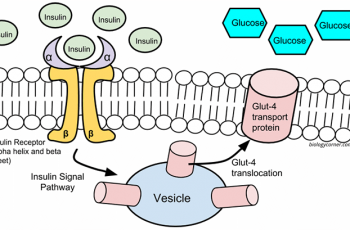
How is Glucose Taken Up by Cells?
This worksheet takes a closer look at the cell membrane and how insulin binds to the receptor on the cell membrane which creates a signal cascade, resulting in the movement of the Glut-4 transport protein to the surface of the cell. Students interpret a graphic showing the membrane, receptors, and the Glut-4 transport protein.
-

Cellular Respiration Graphic Organizer
Students complete a graphic organizer that shows the process of cellular respiration.
-
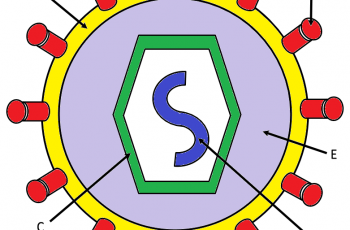
How Do Viruses Infect Cells (Coloring)?
A simple worksheet that explains how viruses infect cells which include diagrams to label and an image of a typical virus for students to color the envelope, proteins, DNA, and the capsid.
-
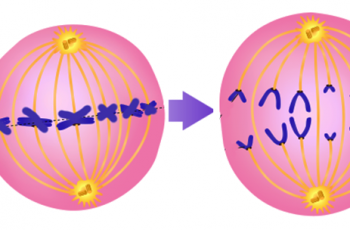
Reinforcement: Cell Division
This worksheet was created for an introductory biology class because they struggled with the difficult vocabulary associated with mitosis and the cell cycle.
-
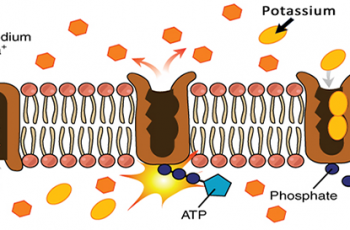
Cell Membrane Captions
Students examine images of transport across the cell membrane and identify key features such as the phospholipid bilayer, channel proteins, and receptors. Students then provide a title, such as “osmosis” and create a caption that describes the process being shown.
-
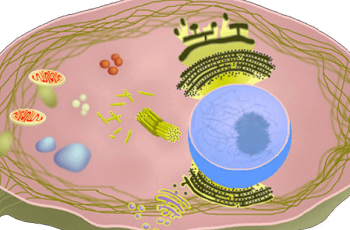
Cells Alive Worksheet
This worksheet follows diagrams and activities at CellsAlive.com which focuses on the size of cells compared to other objects, such as viruses and pollen. Students view interactive plant, animal, and bacteria cells to learn about the different structures associated with each.
-
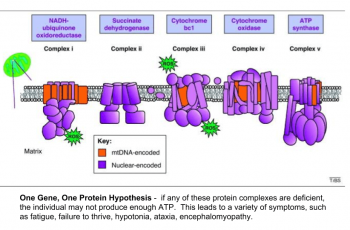
What Causes Mitochondrial Disease – CER
Describes genes in the nuclear DNA and in the mitochondrial DNA and proteins found in the inner membrane of the mitochondria. Mutations can lead to disorders.
-
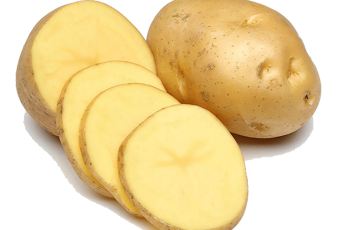
Investigation: The Effect of Salt on a Potato
Students observe how the mass of a potato slice changes when soaked overnight in salt water. The activity is intended to be done as part of a lesson on osmosis and hypertonic and hypotonic solutions. Students will need about 15 minutes to set up their cups, weigh their slices and make predictions about what they…
-
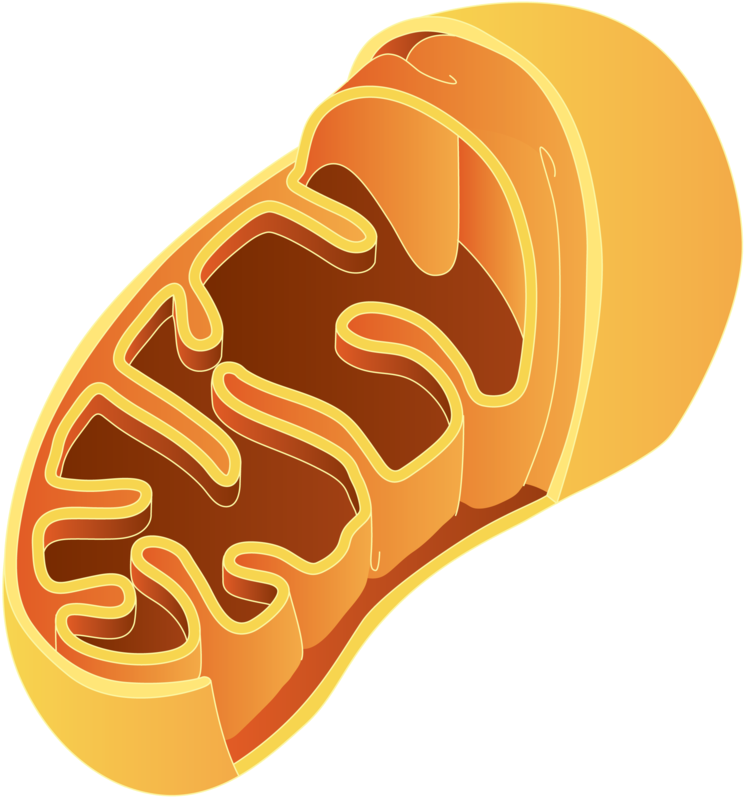
Mitochondria, DNA, and the Aging Process
This short article was designed for anatomy and physiology students studying the cell. The class focuses on how disease states can often be traced back to problems with cells. Senescence, or aging, has been linked to a build-up of mutations in mtDNA.
-
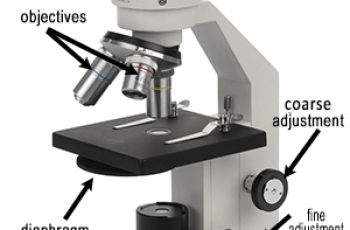
Microscope Introduction – Basic “e” Lab
This lab is similar to the “e” lab used with freshman biology, but designed for students in the vocational track. It has less reading and more detailed steps for using the microscope as well as a larger font and bigger spacing.
-
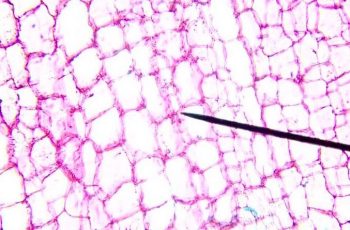
Investigation: Exploring Cells
While biologists might find the history of the cell theory fascinating, I notice that many of my students seem to tune-out when you bring up the history of scientific discoveries. In order to save time and improve engagement, I created this lab to include a short history of the cell theory as students explore prepared…