
Author: Shannan Muskopf
-
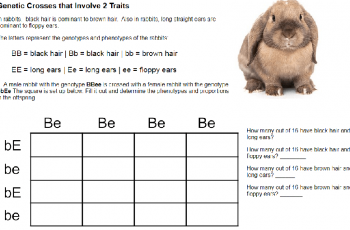
Genetic Crosses with 2 Traits with Rabbits
Beginning biology students can struggle with dihybrid crosses and setting up Punnett squares that have two traits. When tackling this concept, make sure students are familiar and competent with basic genetic crosses and setting up Punnett squares for a single trait. For example, a tall (Tt) plant is crossed with a short plant (tt). Once…
-
What Happened to Virtual Dissections?
Many of us may have used virtual dissection platforms to supplement classroom activities or provide make-up work for students who missed lab days. Unfortunately, many of the platforms for virtual dissections were created using flash animation. Web browsers no longer support flash, mainly because they create security risks. Viruses and malware can be delivered through…
-
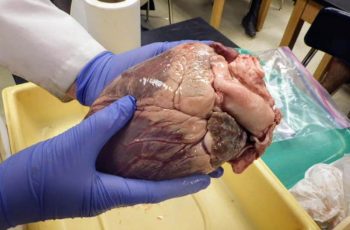
Sheep Heart Dissection
Students use this dissection guide to learn the anatomy of the heart, using a sheep as a model. The sheep heart is similar to a human, and students can identify the major vessels: aorta, pulmonary artery, pulmonary vein, and the vena cava. The guide includes instructions on how to determine which side of the heart…
-
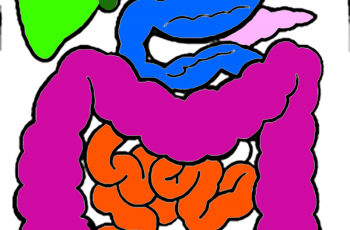
Model the Digestive System with Coloring
The digestive system is a series of organs that work together to break down food into nutrients that the body can use. The digestive system includes the mouth, esophagus, stomach, small intestine, large intestine, rectum, and anus. Coloring activities can be helpful to give students a chance to model the organ systems. I short, coloring…
-
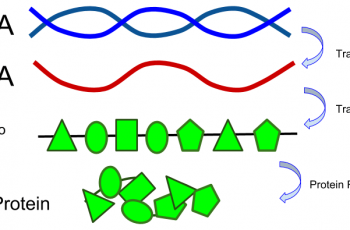
DNA, Proteins, and Mutations
Students explore how DNA becomes a function protein by using a codon chart to transcribe and translate a gene. They compare the gene found in humans to that found in other animals, deducing that the genes are very similar with only slight changes. Finally, students examine the different types of mutations and how a…
-
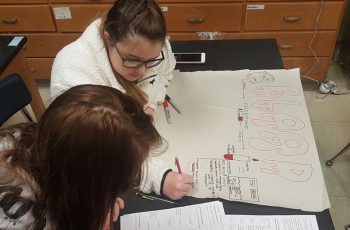
Concept Map on Blood
Students studying blood and the lymphatic students can get overwhelmed with the terminology used to describe blood and how blood is categorized. This project is designed to help students organize these difficult terms by creating a large concept map which groups related ideas together and connects them to other ideas – a concept map! …
-
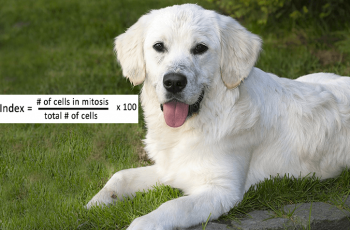
Investigation: Mitosis and Cancer Cells
The first part of this investigation, students examine slides of mitosis in an onion root tip and count the number of cells in each phase of the cell cycle. An equation is then used to estimate the percentage of time the cell spends in each phase and students create a bar graph to display results. …
-
Investigation: Taste Buds and Signal Transduction
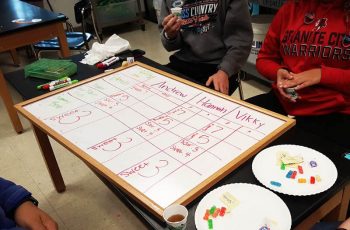
As a part of the chapter on cell signal pathways, students perform a lab that examines how their taste buds are affected by Gymnema. For this lab, I simply placed a question on the board “How does Gymnema tea affect your ability to taste sweet foods?” I provided them with a list of…
-
Photosystems and Chemiosmosis Coloring
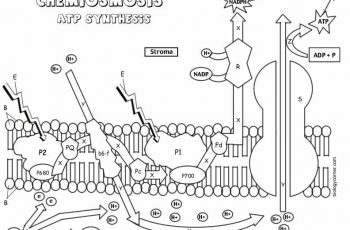
Use this coloring worksheet to explore how plant cells harvest energy form the sun to generate ATP in the process known as chemiosmosis.
-
Data Analysis – Stature and Bone Length
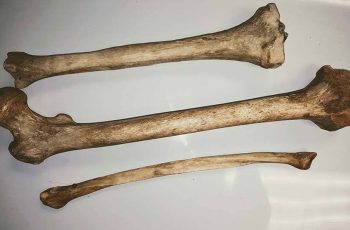
Does the length of a person’s legs and arm bones correlate to the height of the person? The following graph shows a scatterplot of lengths of the humerus, tibia, femur and tibia. Examine the graphs shown below. What CLAIMS can be made to answer the question? Summarize the EVIDENCE shown in the graphs. Develop a…
-
Investigation: Enzyme and Substrate Concentrations
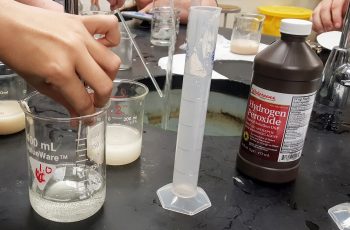
Students who complete the Enzyme Investigation lab can further explore enzymes with this lab on how concentrations of the substrate (hydrogen peroxide) and the enzyme ( catalase) can affect the rate of reaction. In the first experiment, students simply made a judgement about the amount of bubbling to indicate reaction speed, though this is a…
-
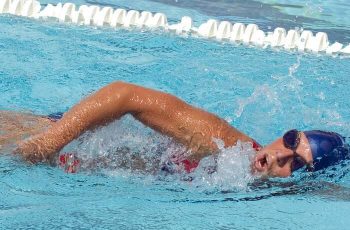
Case Study – The Tired Swimmer
This case study was modified from the National Center for Case Study Teaching in Science so that it is more appropriate for basic high school students in anatomy and physiology. This case is intended to be used during the chapter on muscles as it requires students to examine how the neurotransmitter, acetylcholine is used…
-
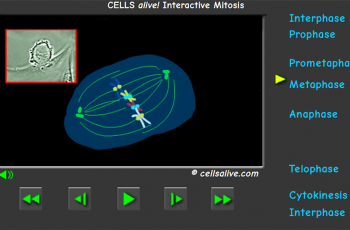
Mitosis – Internet Exploration
This assignment can be a stand-alone activity to help students learn to identify the phases of mitosis by viewing various animations. There are several sites to visit, where students perform tasks, such as labeling and making comparisons. Site 1: Bioman Mitosis Mover This is a game site where you progress through levels. Students can print…
-
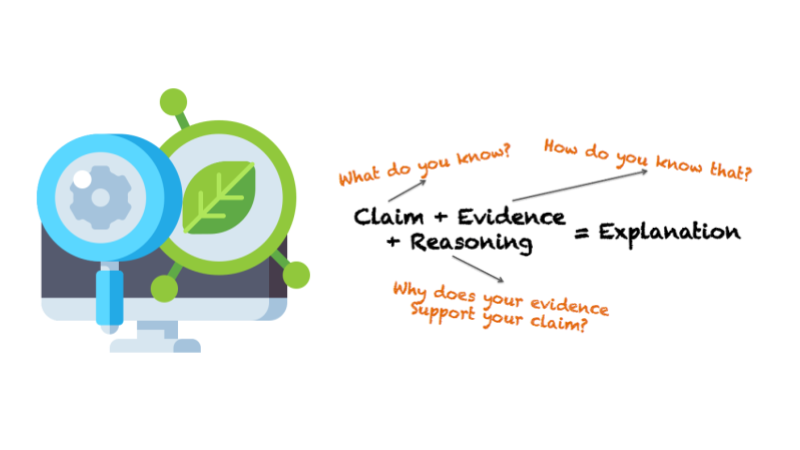
Claim, Evidence, Reasoning (CER) Science Topics
A list of topics and articles for students to use to practice claim, evidence, and reasoning.
-
Macromolecules: Sketchnotes
In the past, I’ve had students create concept maps to help them organize the four macromolecules and related details. This year, I modified the assignment to try to encourage the use of sketching to help students remember the details. Students were asked to focus on one of the four macromolecules: lipids, carbohydrates, nucleic acids, or…