
Author: Shannan Muskopf
-
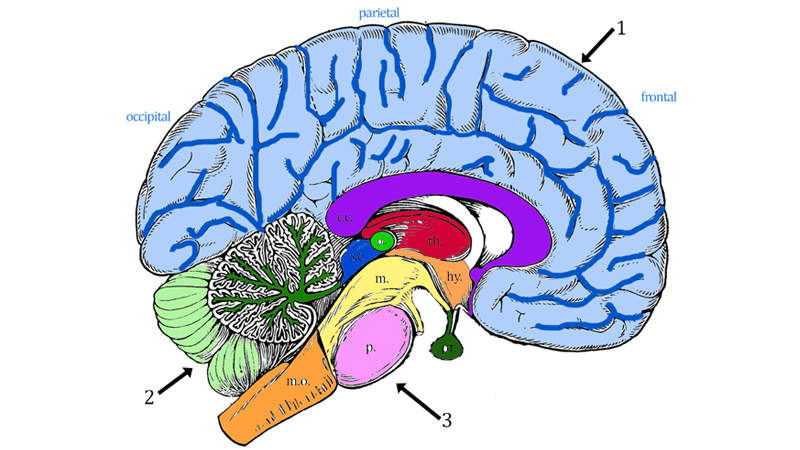
Brain Anatomy (Coloring)
Students learn brain structures and their functions by reading short descriptions and coloring an image. The description are organized into three main areas of the brain: cerebrum, cerebellum, and brain stem. The brain stem also includes structures of the diencephalon (thalamus and hypothalamus). In addition to coloring the image according to the directions, students identify…
-
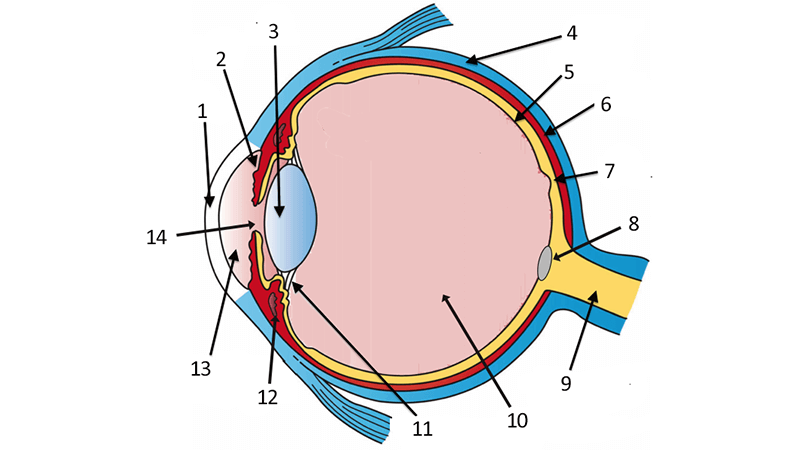
Label the Eye
This worksheet shows an image of the eye with structures numbered. Students practice labeling the eye or teachers can print this to use as an assessment. There are two versions on the google doc and pdf file, one where the word bank is included and another with no word bank for differentiation. You could also…
-
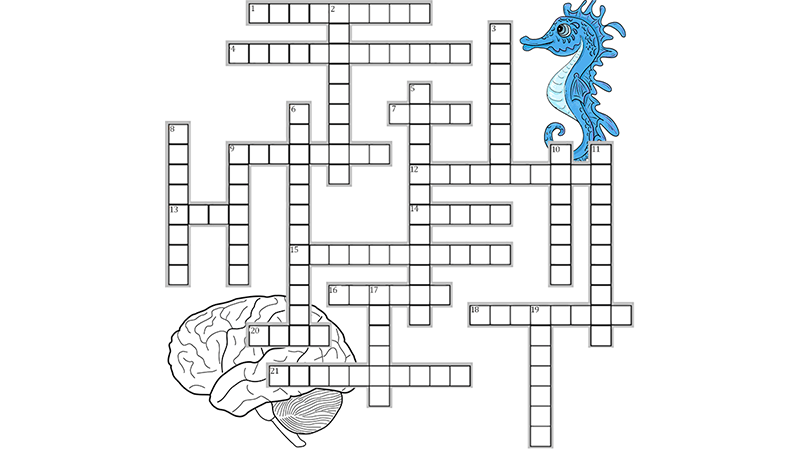
Brain Crossword
Students can practice their knowledge of the brain by completing this crossword puzzle. The puzzle includes information about the lobes of the brain (frontal, occipital, parietal, and temporal) as well as specific structures within the brain and their function. The terms are intended for students of anatomy and physiology, where they must explore details of…
-
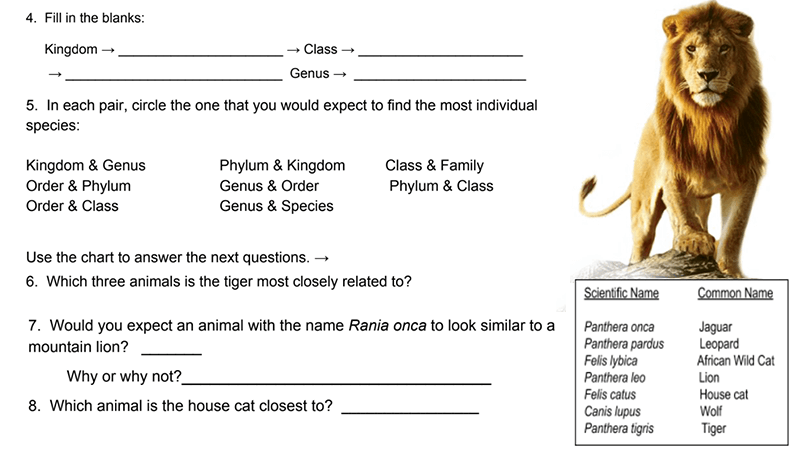
Practice with Taxonomy
Though Next Generation Science Standards does not emphasize the memorizing of major groups anymore, students can benefit from learning the basics of how animals are classified. Taxonomy is often introduced with evolution, where students learn how to analyze phylogenetic trees and create cladograms. This worksheet is a simple reinforcement exercise that covers the six kingdoms…
-
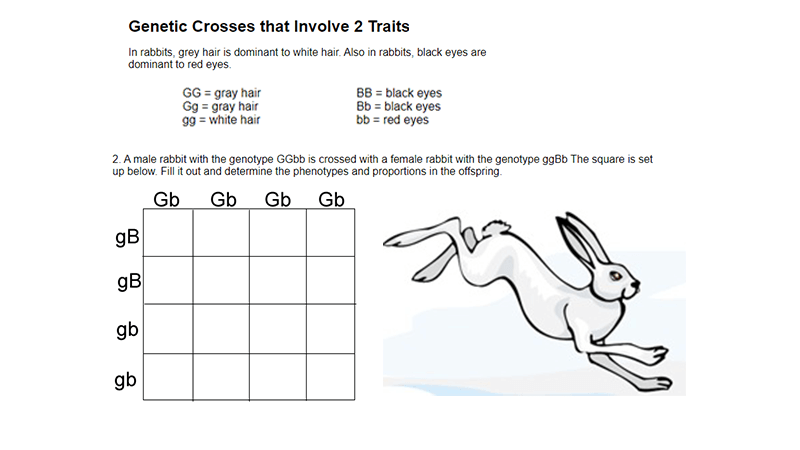
Genetic Crosses – 2 Traits
This worksheet was designed for freshman learning dihybrid crosses. Students struggle with setting up Punnet squares, so the squares are set up for them at first. Students only need to fill in the letters of the genotype can determine the phenotype proportions. A final task requires students to set up their own 4×4 square when…
-
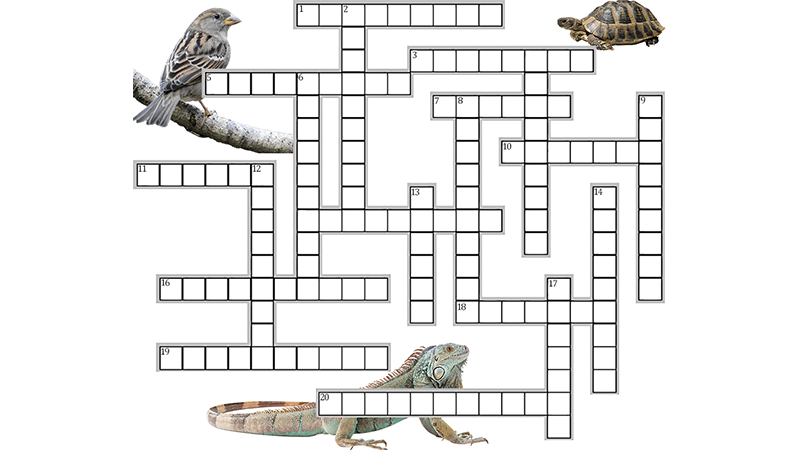
Evolution Crossword
This simple worksheet is designed to help students with vocabulary and study for their test over the Theory of Evolution by Natural Selection.
-
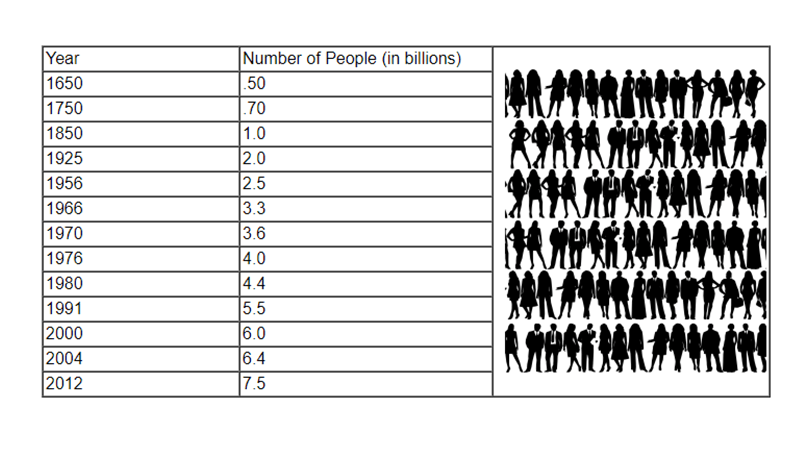
Human Population Growth
Students graph population estimates for years ranging from 1650 to 2012. The graph will show an exponential growth curve which students analyze to determine how frequently the population doubles. Students also explore the concepts of carrying capacity and growth rates. Questions ask students to discuss what happens when the earth exceeds its carrying capacity and…
-
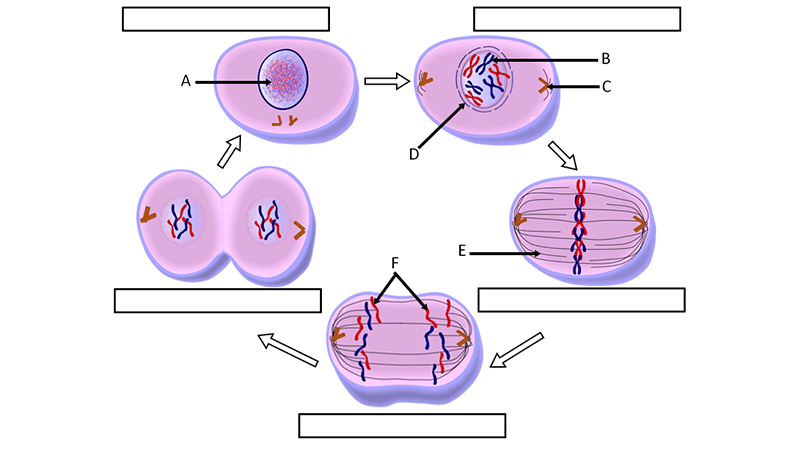
Cell Cycle Label
This worksheet was created for freshman level biology and is a simpler version of a worksheet I use in the advanced classes showing the cell cycle. The image shows a cell in interphase, prophase, metaphase, anaphase, and telophase. Students label each phase and then identify structures within the cell that are important for cell division,…
-
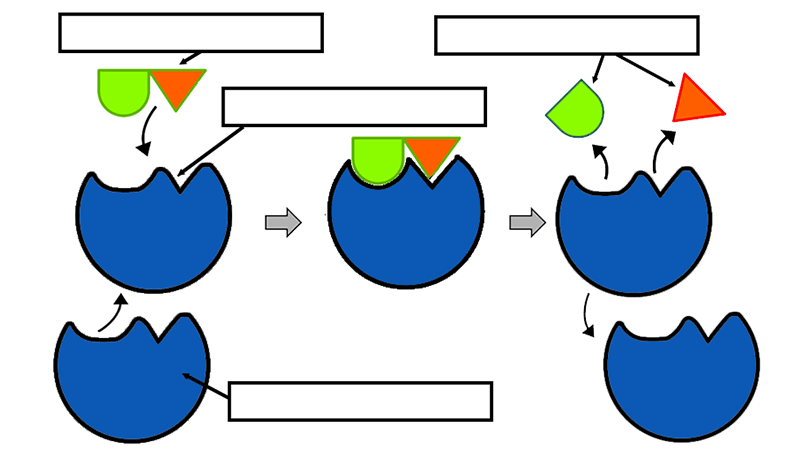
Exploring Enzymes by Analyzing Graphics
Students examine several images related to enzymes and answer questions. Worksheet covers how enzymes act on substrates, how they lower the activation energy of a reaction, how they have optimal temperature and pH, and how they can be inhibited.
-
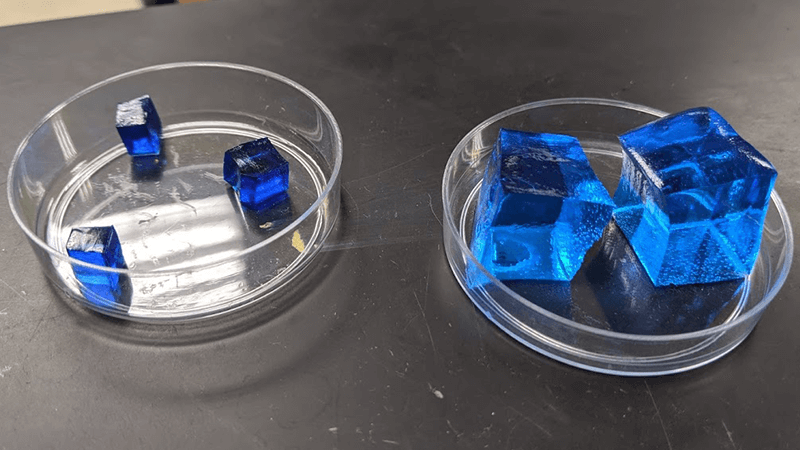
Modeling Osmosis
This basic lab uses Deco-cubes to show how they change in size when soaked in salt water, distilled water, and tap water.
-
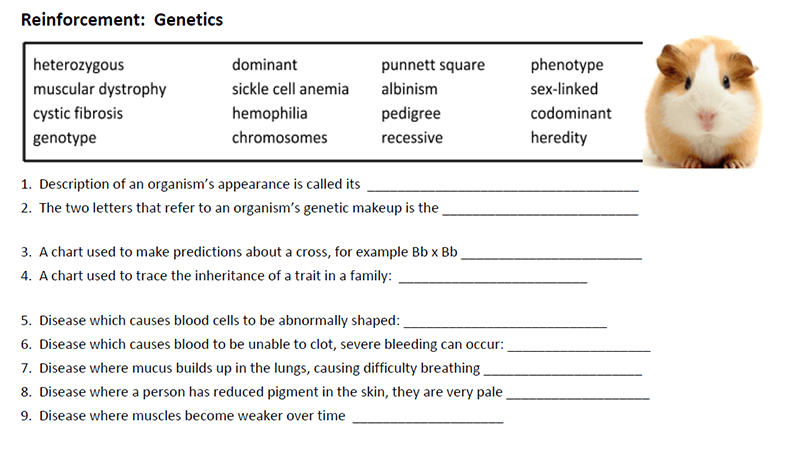
Reinforcement: Genetics
This exercise was created for an intro bio class though it would also be appropriate for other levels or students who struggle with basic vocabulary. The word list includes terms such as: phenotype, genotype, heterozygous, dominant, and recessive. Also included on the list are several genetic disorders like hemophilia and sickle cell. The worksheet was…
-
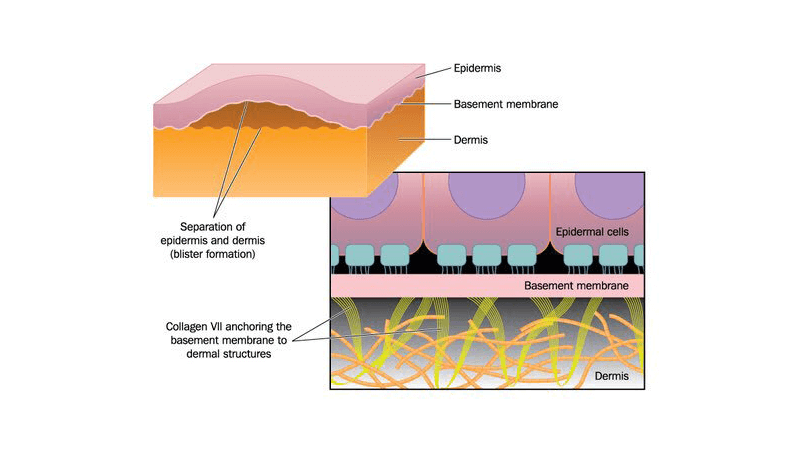
Anatomy and Physiology Lesson on Tissues
Phenomenon based unit where students examine the case of a child with the epidermolysis bullosa.
-
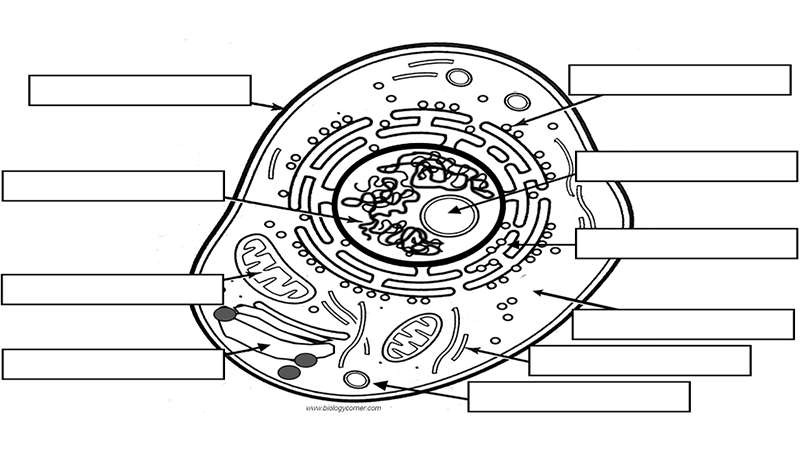
Reinforcement: Cell
This is a practice worksheet for students who are learning structures found in the cell. A list of terms can be matched with descriptions and definitions. The same terms can be used to label a diagram of an animal cell. I use reinforcement worksheets for review or remediation. I will give students 10 minutes to…
-
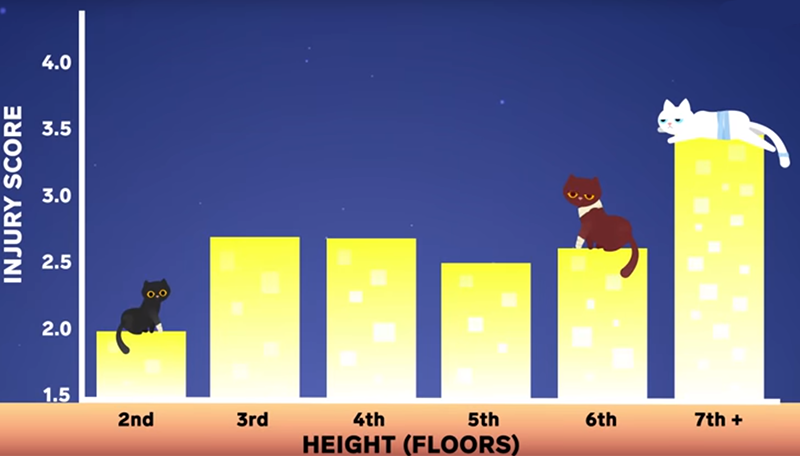
Falling Cats – CER
Students practice Claim, Evidence, and Reasoning (CER) while examining the relationship between falling height and cat injuries. The graphs show that cats who fall 2-7 stories often suffer more injuries than cats who fall from greater distances. Not much information is given about how the data was collected, though the original source is included, I…
-
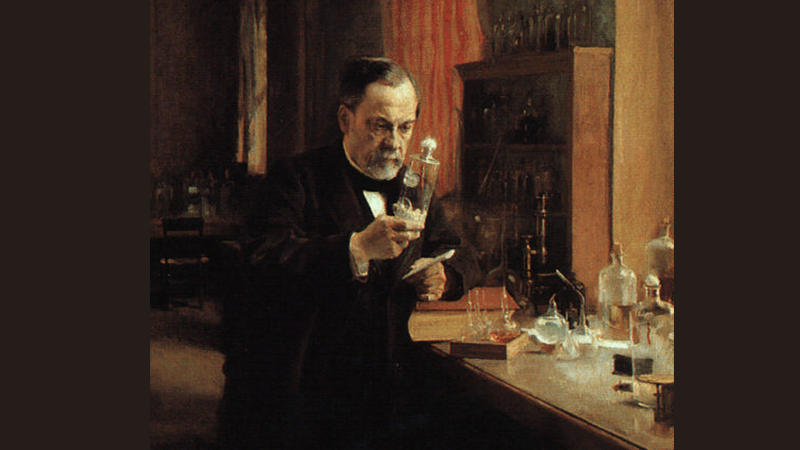
Early Discoveries – CER
Explore historical scientific discoveries, like Pasteur’s experiments to learn about the scientific method.