
Tag: practice
-
Horse Genetics
Practice genetic crosses with horse traits. The gait-keeper gene controls whether a horse will trot or pace and the flaxen gene determines mane color.
-
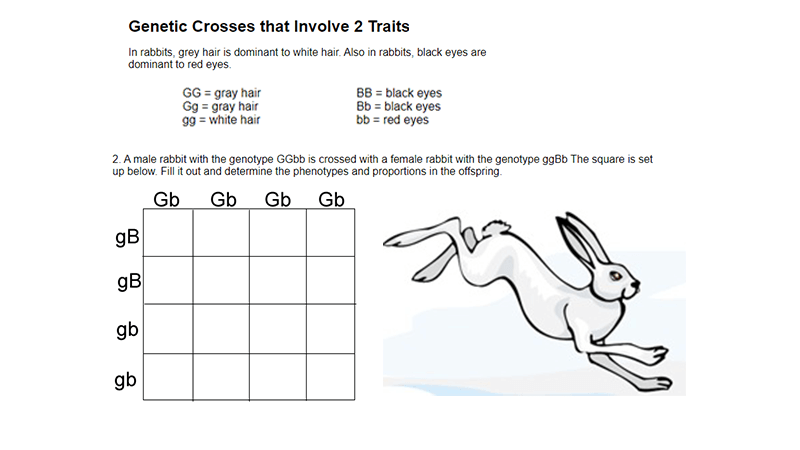
Genetic Crosses – 2 Traits
This worksheet was designed for freshman learning dihybrid crosses. Students struggle with setting up Punnet squares, so the squares are set up for them at first. Students only need to fill in the letters of the genotype can determine the phenotype proportions. A final task requires students to set up their own 4×4 square when…
-
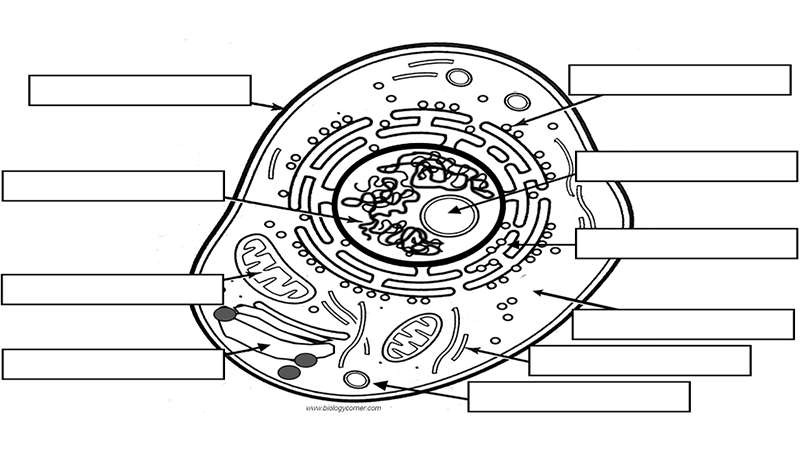
Reinforcement: Cell
This is a practice worksheet for students who are learning structures found in the cell. A list of terms can be matched with descriptions and definitions. The same terms can be used to label a diagram of an animal cell. I use reinforcement worksheets for review or remediation. I will give students 10 minutes to…
-
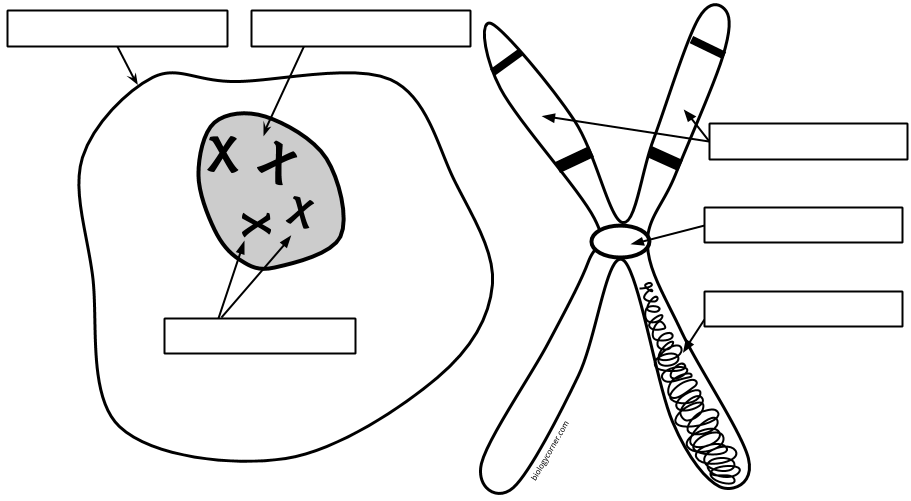
Simple Diagram Labeling on the Parts of a Chromosome
A diagram of a chromosome in the nucleus of the cell. Students label the chromatid, centromere, chromosomes, cell membrane, DNA, and nucleus.
-

Label and Color the Urinary System
This simple worksheet asks students to label the major structures of the urinary system. They can also choose to color the diagram. I use coloring sheets in anatomy and physiology classes but this could also be used in biology or as a supplemental graphic for a frog or fetal pig dissection. Though many of my…
-
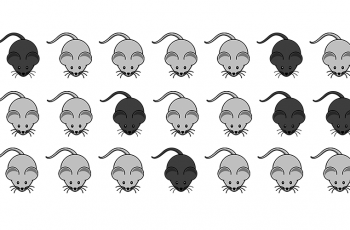
Hardy Weinberg Problemset
Hardy-Weinberg equilibrium (HWE) is a fundamental concept in population genetics that describes the theoretical relationship between allele frequencies and genotype frequencies in an ideal, non-evolving population. Students can practice using the Hardy Weinberg equilibrium equation to determine the allele frequencies in a population. This set of 10 questions gives students just enough information to solve…
-
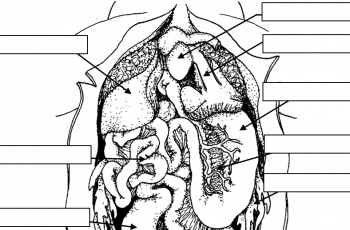
Frog Anatomy Label
This worksheet is intended to help students review the anatomy of the frog after they have completed the dissection of the frog. Images show the internal anatomy of the frog with blanks for students to fill in the names of structures, like the liver, intestine, lungs, spleen, and heart. Guide also compares the male and…
-
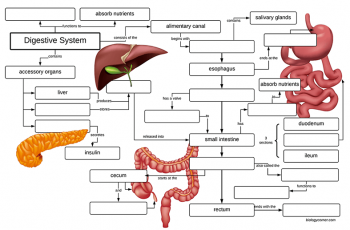
Digestive Concept Map
Students use this concept map to reinforce their understanding of the digestive system and how structures within that system are related. The mouth is where food is chewed and mixed with saliva. Saliva contains enzymes that start to break down food. The esophagus is a muscular tube that connects the mouth to the stomach. The…
-
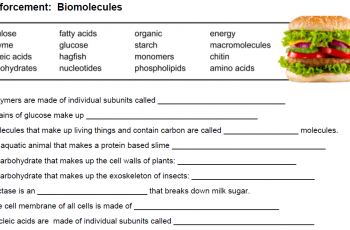
Reinforcement: Biomolecules
This worksheet is used with a unit on biological molecules in an introductory biology class. Students match definitions or descriptions to words provided in a word bank. The anchoring phenomenon in this unit is hagfish slime, which explains the inclusion of this concept in the list. Google Slides and Student Notes for the unit are…