
Tag: DNA
-
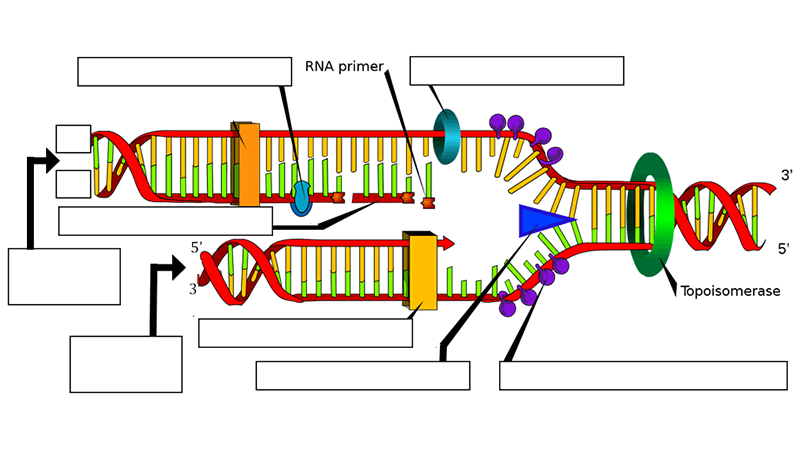
Label Steps of DNA Replication
For freshman, DNA replication is only covered in basic terms, where students are told that the process is semi-conservative and leads to the production of two new identical strands. AP Biology students are required to learn te steps of DNA replication and the roles that enzymes like DNA polymerase, helicase, and ligase, play in the…
-
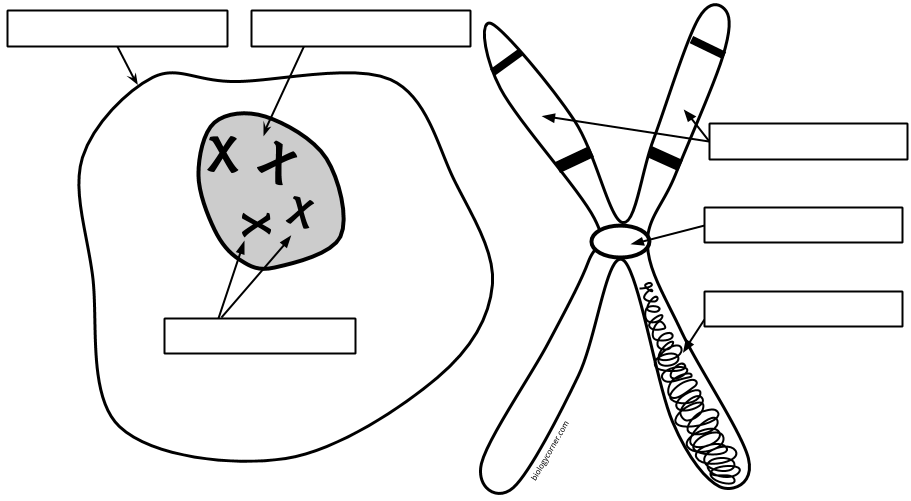
Simple Diagram Labeling on the Parts of a Chromosome
A diagram of a chromosome in the nucleus of the cell. Students label the chromatid, centromere, chromosomes, cell membrane, DNA, and nucleus.
-
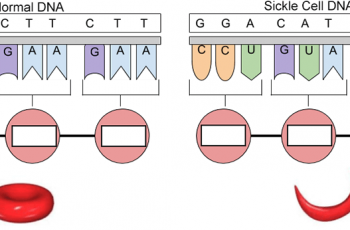
Genetics of Sickle Cell
This assignment was created for students who miss class and can be completed independently. There are sections to read with questions to answer, focusing on how DNA provides the instructions to make protein. A single base substitution in the gene that codes for hemoglobin results in sickle cell anemia. Students are walked through the process…
-
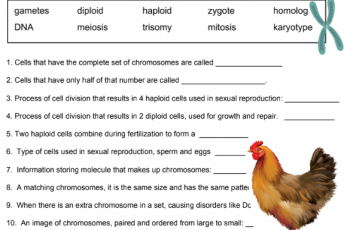
Reinforcement: Chromosomes
Helpful review on chromosomes which focuses on terms such as diploid and haploid, mitosis and meiosis, and zygote versus gamete. Students also practice chromosome math using chickens as a model, which have 78 chromosomes in body cells. Worksheet is intended as a review for basic level biology students.
-
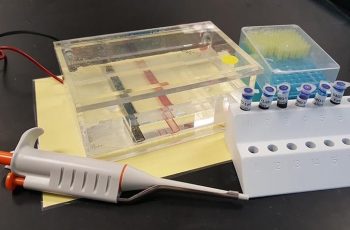
Investigation: Gel Electrophoresis and DNA
This procedural lab is a great compliment for genetic studies where students learn about sex linked genes and mutations. The allele for Duchenne Muscular Dystrophy is located on the X chromosome and is associated with a deletion mutation for that region.
-
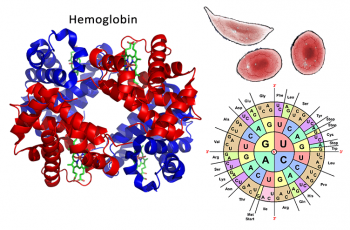
DNA, Proteins, and Sickle Cell
In this activity, students use a codon chart to compare the DNA sequence of HbA (normal hemoglobin) to HbS (sickle cell). The DNA differs in a single base, where the codon for normal hemoglobin codes for glutamine, and the mutant form codes for valine.
-

Dog SNPs and Curly Hair
In an effort to add more real data to the DNA (genetics) unit, I added a shortened form of the HHMI activity: “Mapping Genes to Traits in Dogs Using SNPs” The activity on HHMI is too advanced for freshman level biology, but I thought it would be a good introduction to DNA sequences. The activity…
-
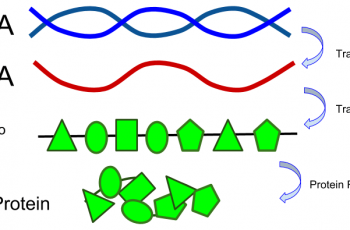
DNA, Proteins, and Mutations
Students explore how DNA becomes a function protein by using a codon chart to transcribe and translate a gene. They compare the gene found in humans to that found in other animals, deducing that the genes are very similar with only slight changes. Finally, students examine the different types of mutations and how a…
-
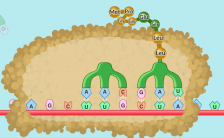
Manipulate DNA in a Simulation to Explore Mutations
This activity uses a simulation from the Concord Consortium. It shows how DNA is transcribed to RNA and then turned into a protein. It’s a very clear animation and can be used on its own as part of a lecture on protein synthesis. I have even used this as a demonstration to show protein folding…