
Search results for: “cell lab”
-
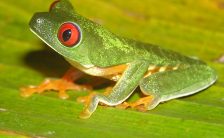
Frog Dissection Resources for High School Biology
This student guide (dissection manual) walks students through the frog dissection. Each step has a check box to help students focus and stay on track. Detailed descriptions of structures will help students locate organs with minimal help from the instructor.
-
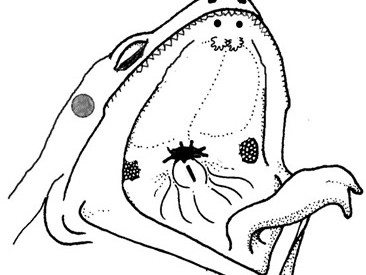
Student Guide to Frog External Anatomy
Lab handout over the external anatomy of the frog. Can be used as part of a frog dissection unit. Includes instructions and images to label.
-
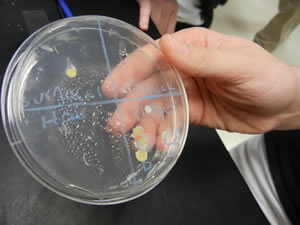
Why I Teach Pathology in Biology
When you examine the AP Biology Course Description, there is no mention of pathology (the study of diseases) in the list of Big Ideas. Bacteria are mentioned in the context of comparison between prokaryotes and eukaryotes, lines of descent, and endosymbiosis. Viruses are mentioned within the context of genetics and how DNA can be transferred…
-
How to Make Group Activities and Grading Fair
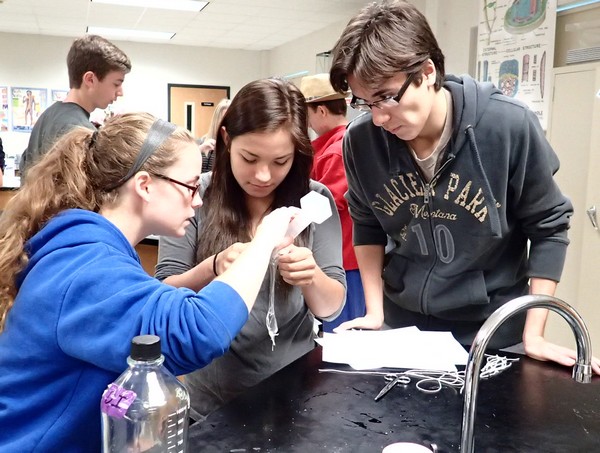
During the cell unit of Advanced Placement biology, students are required to do three investigations (labs): Diffusion and Osmosis, Photosynthesis, and Cellular Respiration. Students work in groups of 3 to 4 to work through these investigations and analyze data. I often have them only turn in ONE copy of the lab guide because as a…
-
Why I’m Changing My Classroom Phone Policy
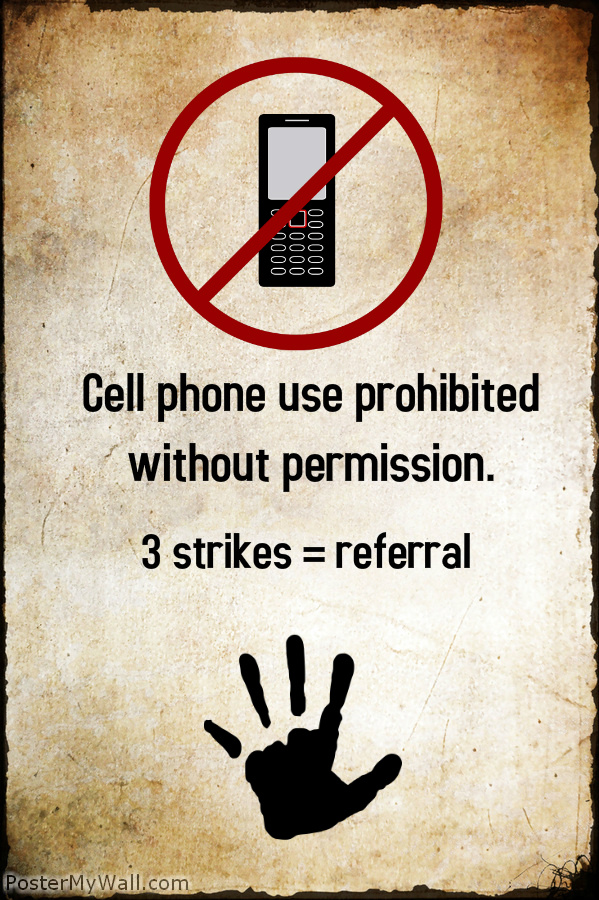
Last year, I decided to run a social experiment with my honors class. This was a small class of 18 students taking Advanced Placement Biology, with a mix of juniors and seniors. The experiment was to see if these digital natives could handle having an open policy on cell phones. I allowed them…
-

Video Worksheets on Animals and Biology
These are videos that I show in class, either in their entirety of just clips. The worksheets simply ask questions that can be answered as the movie progress, which helps keep students focused.
-
Resources for Teaching and Modeling Mitosis
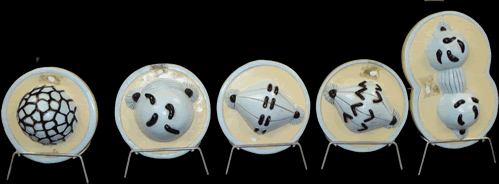
Teaching resources to help students understand the process of mitosis. Use models and internet simulations to illustrate the process.
-
Observing Diffusion Using Iodine and Plastic Bags
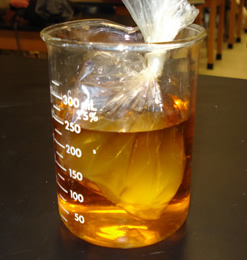
Use simple materials to model diffusion. Place corn starch in a bag and then submerge into a solution of iodine.
-
Simple Instructions for Using the Light Microscope
A three step method for basic use of the light microscope. Easy to post for students to follow when using the microscope.
-
Animal Groups and Phyla
A phylum is the next category beneath kingdom. Most biology textbooks are organized by phyla with chapters covering topics such as “reptiles” or “mammals”. This collection includes various worksheets related to animal groups. Introductory Slides and Overview of the Animal Kingdom Animal Symmetry – identify types of symmetryAnimal Phyla Matching – match the phylum…
-
Resources for Teaching Genetics
Genetics includes the study of heredity, or how traits are passed from parents to offspring. The topics of genetics vary and are constantly changing as we learn more about the genome and how we are influenced by our genes. Inheritance Patterns and Punnett Squares Notes and Slides on Mendelian Genetics – basic lesson to introduce…
-
Lesson Plans
I have compiled various lesson plans and worksheets for units covered in most basic biology classes. You are free to use these for your own classes. Most of the content is not your traditional lesson plan (where you have objectives and resources and attention grabbers) but is simply a worksheet that is ready to pass…
-
Practice Quizzes for Biology Learners
List of quizzes for anatomy and biology classes, these are self-grading and used for practice; organized by topic.
-
The Biology Corner
Biology is the study of life and living organisms, from the smallest bacteria to giant sequoias. Biologists use observation and experimentation to gain an understanding about the natural world. Branches of biology include anatomy, biotechnology, botany, cell biology, ecology, genetics, medicine, microbiology, molecular biology, and zoology. Many people entering the field of biology…
-
About Biologycorner
Biology is the study of living organisms, from the smallest bacteria to giant sequoias. Biologists use observation and experimentation to gain an understanding about the natural world. Branches of biology include anatomy, biotechnology, botany, cell biology, ecology, genetics, medicine, microbiology, molecular biology, and zoology. As a course, biology encompasses four main themes: About Me…