
Search results for: “ass”
-

Investigation: Temperature and Fish Respiration Rate
Students investigate what happens to the respiration rate of a fish as the temperature is decreased. Analyze data and create a graph.
-
Investigation: Plop Plop Fizz Fizz
This investigation asks beginning students to develop a hypothesis about how quickly an effervescent tablet will dissolve and then design an experiment.
-
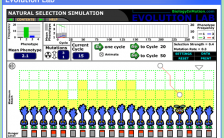
Investigation: What Factors Influence Evolution
Explore the relationship between mutation, selection strength and the rate of evolution by using a simulation, which shows how a population evolves.
-
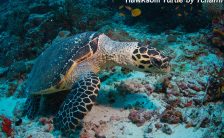
Endangered Species Project
Students create a publication (website, infographic) to educate their classmates about a specific animal that is on the endangered species list.
-
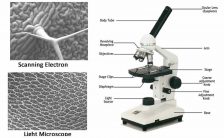
Investigation: Microscope Lab for AP Biology
Activity begins with an overview of different types of microscopes. Students learn to focus objectives, measure the viewing field, and create a wet mount.
-
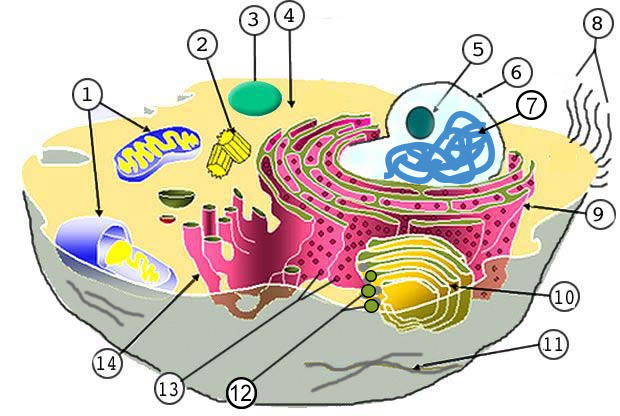
Label the Parts of the Plant and Animal Cell
Label a diagram of an animal cell and a plant cell; a diagram showing how proteins are produced by ribosomes, and finally packaged by the golgi apparatus.
-
Scientific Method – Answering Causal Questions
Examine a flow chart which considers a question about water evaporation; hypotheses are proposed to test the effects of air flow, light, and temperature.
-
Case Study – A Tiny Heart (old version)
Students examine the symptoms of a newborn baby who has a problem with his heart and suggest treatment options.
-
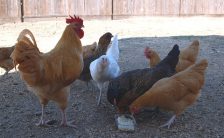
How Can the Scientific Method Solve Real-World Problems?
Read short stories about how scientists used the scientific method to solve real problems, such as the discovery of penicillin and the cause of beriberi.
-
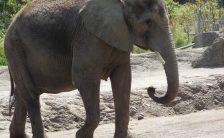
Student Activities on the Importance of Observation
This activity combines literature with science as a fun way to show students how important it is to make good observations in science.
-

Stickleback Fish – An Evolution Story
Students to examine two lakes and compare the types of fish in each. They learn how lakes form, and why spines may be an advantage for some populations.
-
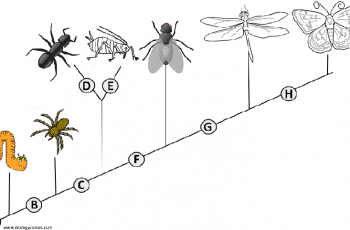
Cladogram Analysis
A short explanation of phylogeny and using cladograms, where students analyze a diagram, identify derived characters, and then construct their own cladogram.
-
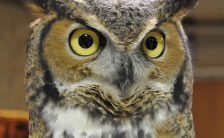
Investigation: Owl Pellets
Students open owl pellets to reveal the skeletons and fur of the owl’s last meal, and then reconstruct the skeletons using an bone chart.
-
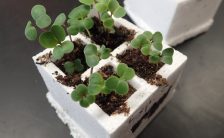
AP Biology – Investigation on Genetics with Plants
A modified AP Lab where students learn to grow plants from a seed, cross pollinate plants and conduct an inquiry investigation about plant genetics.
-
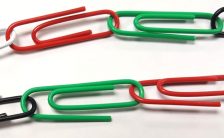
How Can DNA Replication Be Modeled?
Hands-on activity uses colored paperclips to model DNA double helix and show how semi-conservative replication takes place.