
Search results for: “3d”
-
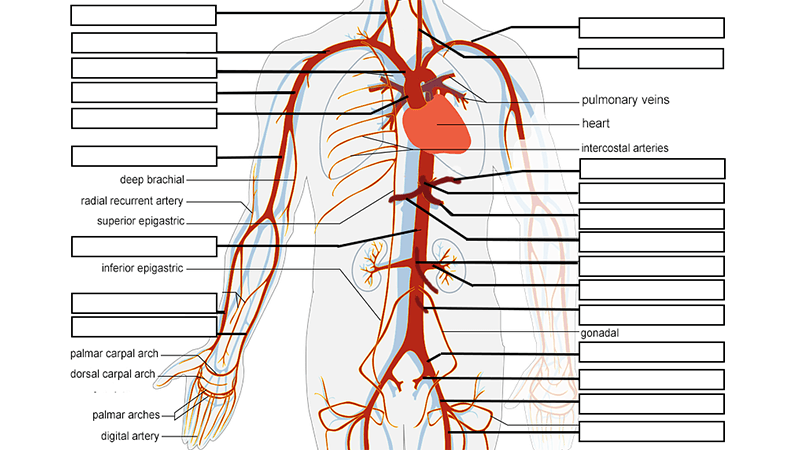
Learn the Arteries and Veins of the Circulatory System
Learn the major vessels of the body by labeling diagrams and following a lab guide. This lesson is intended for anatomy and physiology students.
-
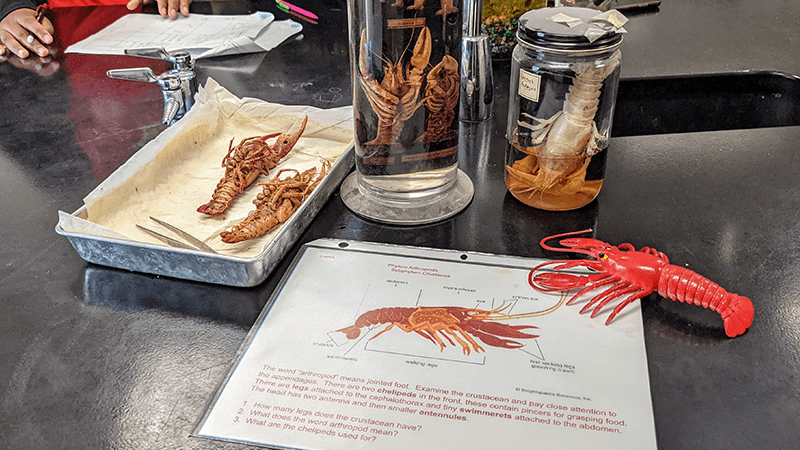
Invertebrate Diversity Lab Station Activity
Learn invertebrate diversity by setting up activity stations showcasing different phyla: Platyhelminthes, Nematoda, Porifera, Arthropoda, and Annelida.
-
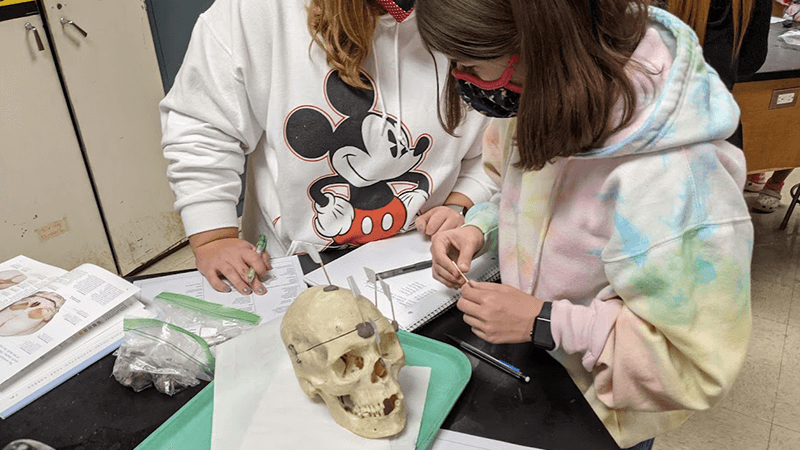
A Student’s Guide to Learning the Human Bones
Students use a lab guide to identify bones and major features. Activity is part of a unit on the skeletal system
-
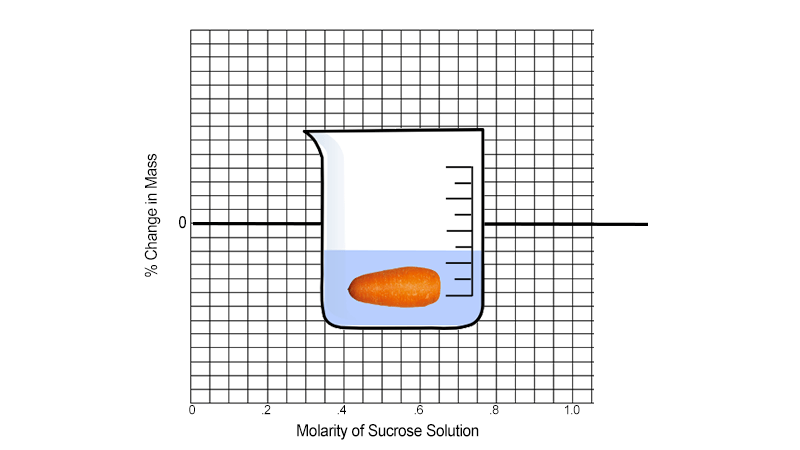
Investigation: Water Potential and Carrot Molarity
Determine the molarity of baby carrots by soaking them overnight in different solutions. The point at which the carrot does not change mass is the molarity.
-
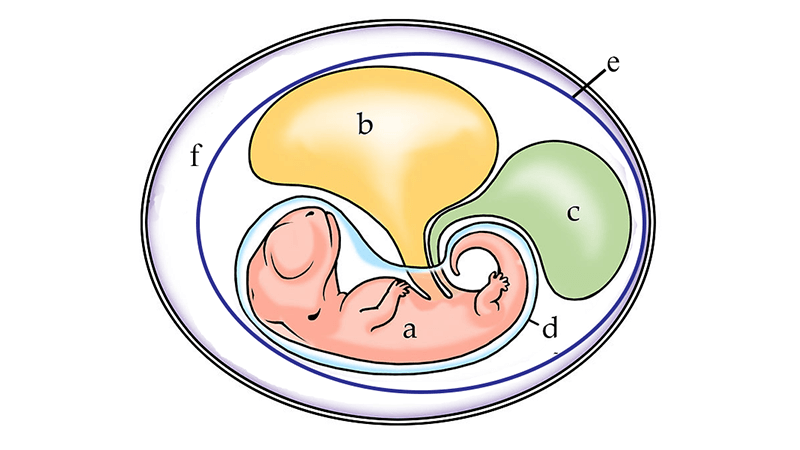
Animal Reproduction and the Egg – Guided Learning
Guided learning activity to compare the reproductive strategies of groups of vertebrates, focusing on the amniote egg and placental mammals.
-

Urinary System – Label the Kidney and Nephron
I created this version of a labeling activity for students who are learning from home during the 2020 pandemic. You will not need to hand out papers with this version! Instead, students use their Chromebook to open Google Slides and drag the labels to the correct position. I usually assign this activity after students have…
-
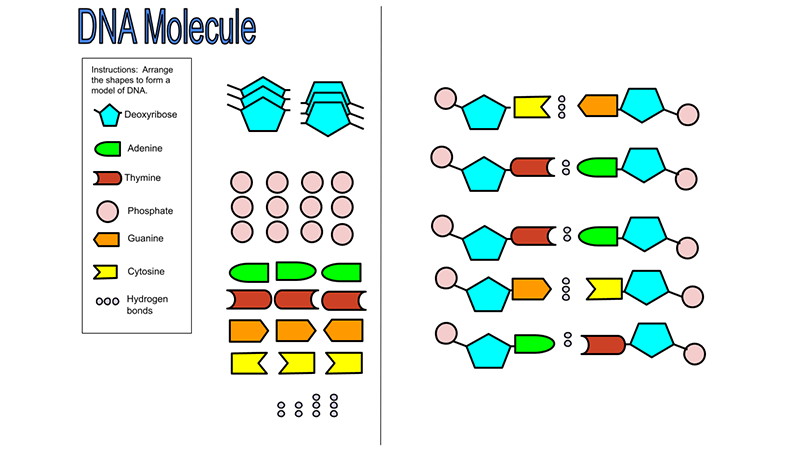
DNA Model – Cut and Paste Nucleotides
This digital modeling activity allows students to build a DNA model by dragging the individual parts into a completed diagram
-
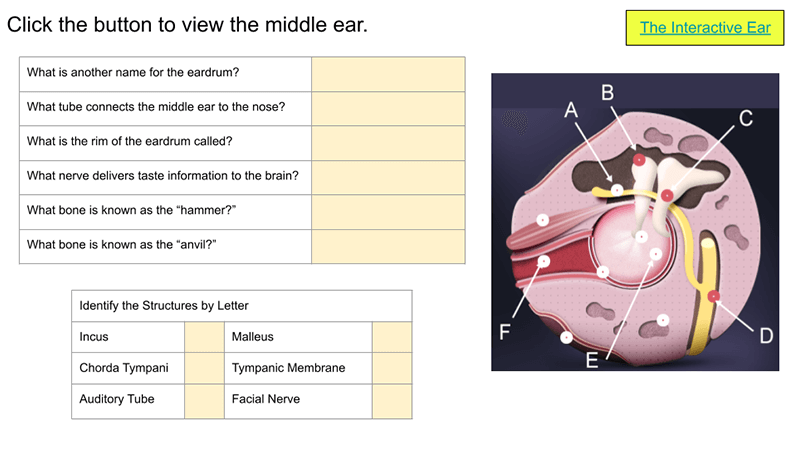
Learn the Anatomy of the Ear
In this activity, students learn about the ear by exploring google slides and going to an interactive site that explores how the ear works. Students use a simulation called “The Interactive Ear” which guides them though the outer, middle, and inner ear while explaining what each structure does. Students click through the virtual ear to…
-
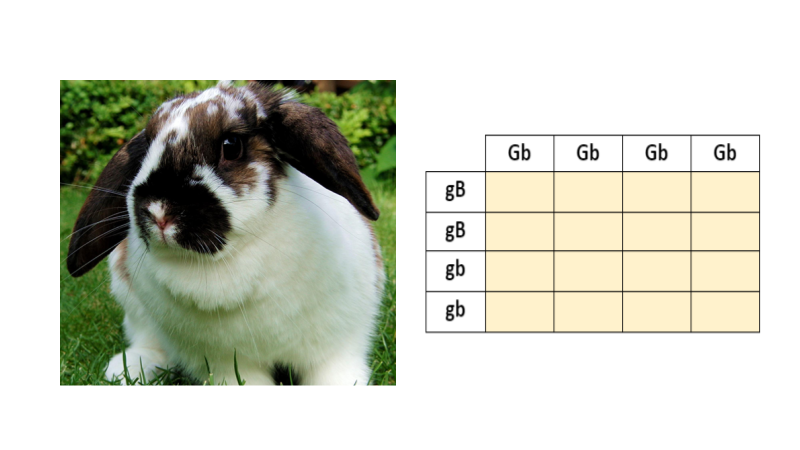
Genetic Crosses in Rabbits (Remote)
Students learn how to do Punnett squares with two traits by practicing completing 4×4 squares.
-
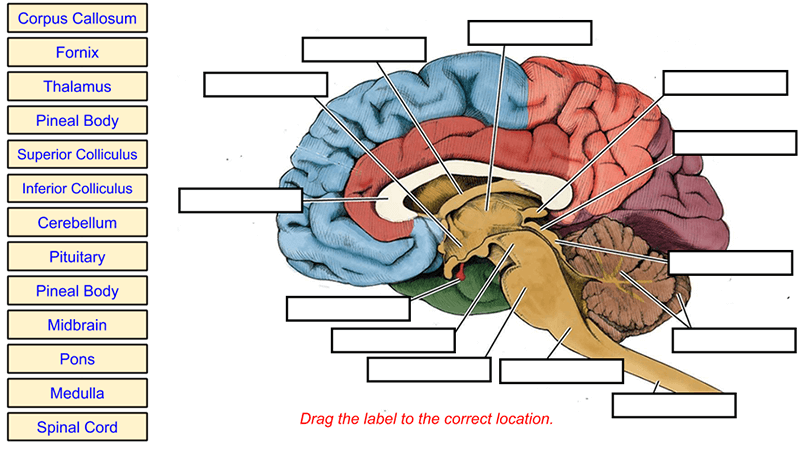
Brain Label (Remote)
This brain labeling activity was created for remote learners as an alternative to the labeling and coloring worksheet we would traditionally do in class. Instead of coloring and labeling on printouts, students use google slides to drag labels to the images or type the answers into text boxes. The slides do not have labeled diagrams…
-
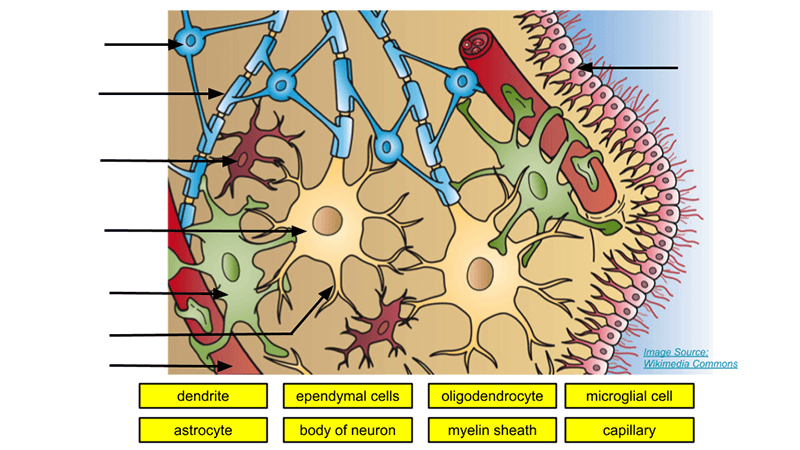
Neuroglia Labeling with Google Slides
Save paper by assigning labeling worksheets on Google Classroom. Instead of writing in labels, students drag and drop the labels to the appropriate area on the image. The labeling focuses on the neuron and supporting neuroglia (or glial) cells. These cells provide provide physical and metabolic support to neurons. Neuroglia cells are different from nerve…
-
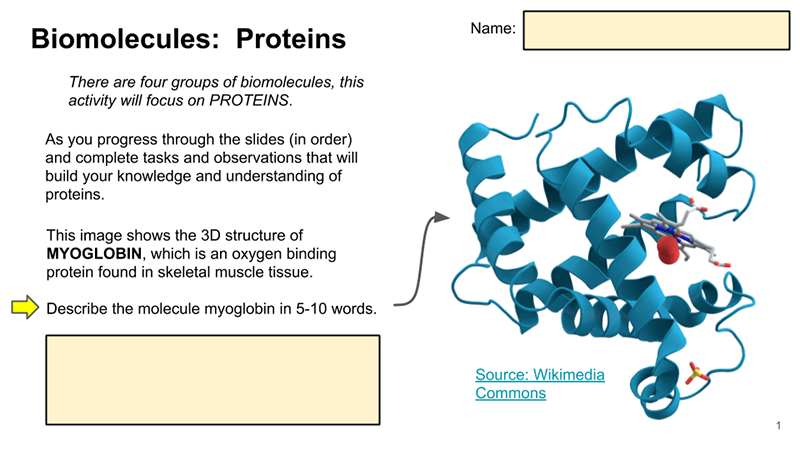
Biomolecules – Guided Learning
This lesson was inspired by a POGIL lesson on proteins. Like other process oriented guided learning activities, students examine graphics and information. Then they perform tasks to build their knowledge and understanding of the topic. The slides start with the basic structure of an amino acid, where students identify the carboxyl and amine groups. Then…
-
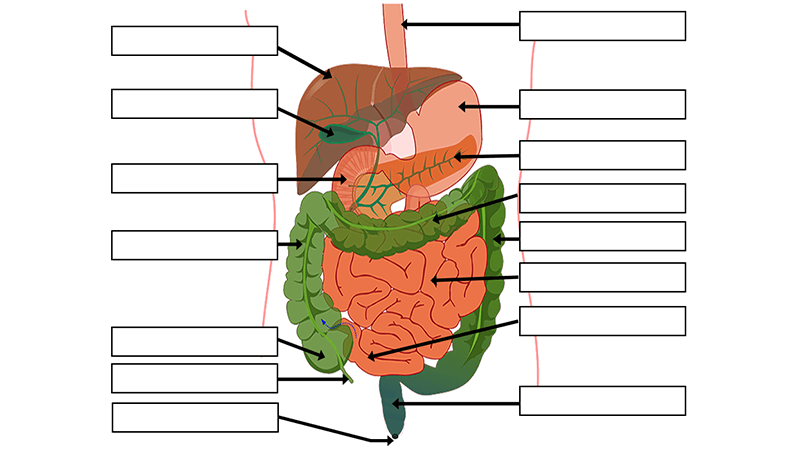
Label Digestive System
This worksheet was designed for anatomy students to practice labeling the organs of the digestive system. It is a little more advanced than what is typically seen in health or basic biology classes because it includes the three sections of the small intestine (duodenum, jejunum, ileum) and the three sections of the colon. (Note: I…
-
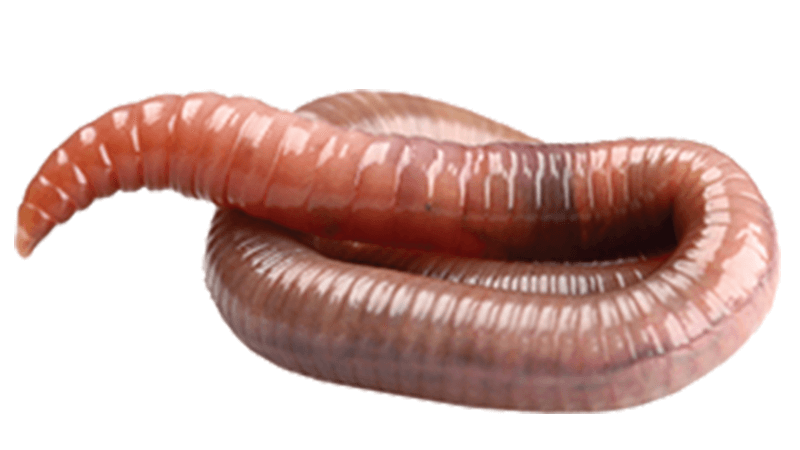
Investigation: Earthworm
This earthworm lab is a revised version of the observation lab that I have used for years. I wanted to make the lab more open-ended and include terminology within the lab instead of expecting them to know it from their notes or textbooks. Taxonomy chapters on annelids and other invertebrates are being phased out, and…
-
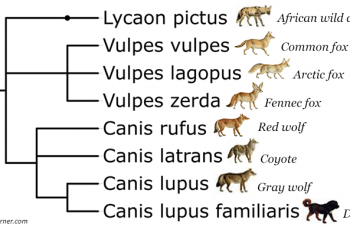
Phylogenetic Tree – Canines
Students examine a phylogenetic tree which has questions for them to discover how the tree is organized. Students will learn what a node is, and how branches on the tree represent descendants from a common ancestor.