
Category: Science Methods
-
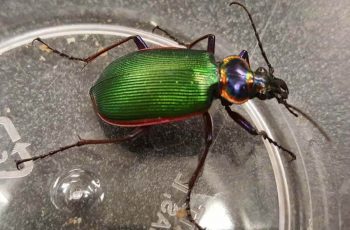
Investigation: How Do Insects Move?
Have you ever thought about how insects with 6 legs actually crawl? Human movement on two legs is pretty simple: left-right-left-right, but all insects have 6 legs attached to a thorax. In this activity, I ask students to observe an insect closely, usually a dubia roach.
-
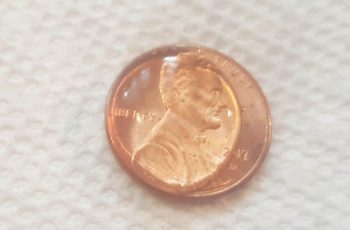
Penny Lab: Soap and Surface Tension
Most science classes begin the year with an exercise on the scientific method. It can be difficult to plan a short activity that will reinforce the main ideas of developing and testing a hypothesis. This lab is simple and doesn’t require much in the way of materials: pennies, water, and pipettes (and paper towels for…
-
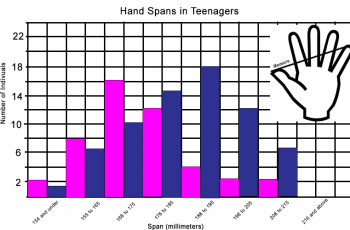
Graphing Hand Span and Height
This exercise illustrates the difference between bar graphs and scatter plots and walks students through the process of representing data they collect.
-
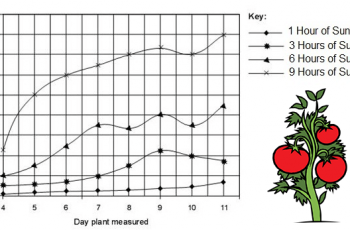
Data Analysis and Interpreting Graphs
Students practice analyzing pie charts, scatter plots, and bar graphs in the basic worksheet that is designed to pair with lessons on the scientific method. Most beginning biology students (in high school) are fairly adept at interpreting basic information from graphs, though scatter plots are sometimes challenging for them. I usually do this type…
-
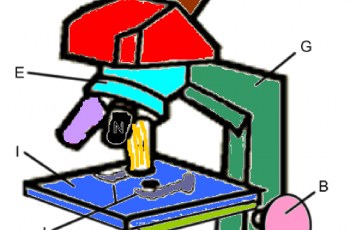
Color the Parts of a Microscope
Students read text that describe the parts and functions of the microscope and ask them to color the parts as they read.
-
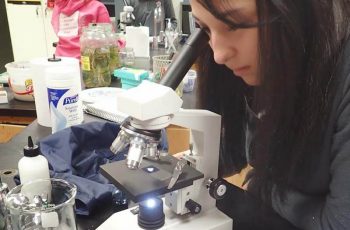
Microscope Labeling
This simple worksheet pairs with a lesson on the light microscope, where beginning biology students learn the parts of the light microscope and the steps needed to focus a slide under high power.
-
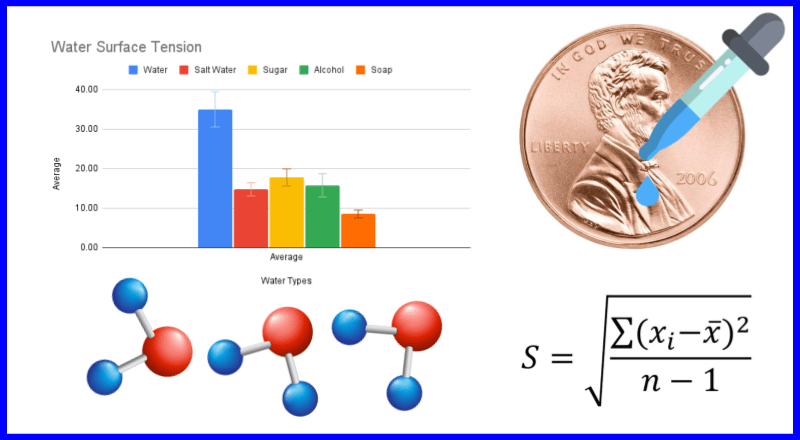
Investigation: Properties of Water (with Stats)
This investigation asks students to review the properties of water as they relate to life, usually a topic covered in the first or second chapter of most biology textbooks. Students then perform an experiment where they test the number of drops that can be placed on penny and compare that test to drops that…
-
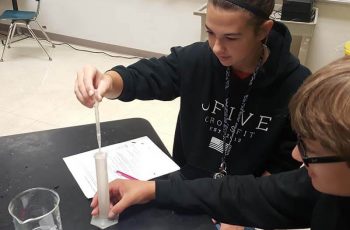
Investigation: Tools and Measurements
I designed this activity to help students become familiar with basic equipment found in the lab. Students take volume measurements using a graduated cylinder, beaker, and a 3ml pipette. Ultimately, they must determine how many single drops of water are in 1 milliliter by designing a way to test this given the tools provided.…
-
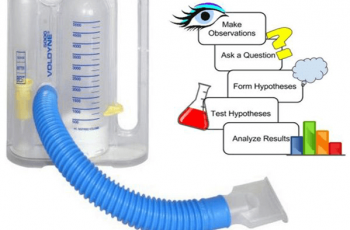
Investigation: Processes of Science
Students must develop their own causal question about what biological factors affect a person’s lung capacity, Then test their hypothesis using a respirometer.