
Category: Cell Biology
-
Cell City
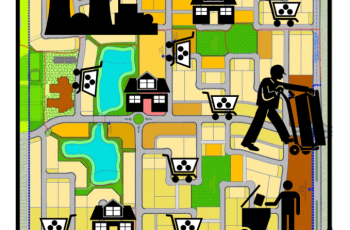
This popular activity asks students to read a story about a fictional town where each part of the city is compared to the parts of a cell. For example: “Widgets are generally produced in small shops around the city, these small shops can be built by the carpenter’s union (whose headquarters are in town hall.)” In this…
-
Investigation: Comparing Plant and Animal Cells
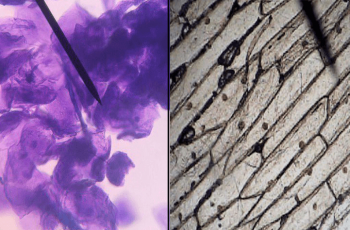
This simple investigation asks students to view cells under the microscope and compare differences between plant and animal cells. Students are instructed in the procedure for removing the epithelial cells of an onion and staining with iodine. These cells are fairly easy to see and most beginning students will have no trouble locating the…
-
Feedback Loops: Insulin and Glucagon
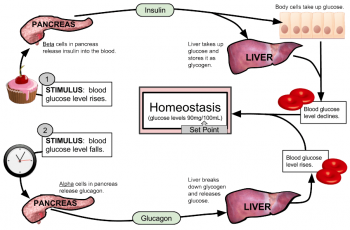
The Next Generation Science Standards includes feedback loops and homeostasis as a standard for life science. While homeostasis is a theme for many units in biology, feedback mechanisms are fairly specific. In fact, this is probably the most oddly specific topic found in NGSS. If you are trying to include it, most younger students…
-
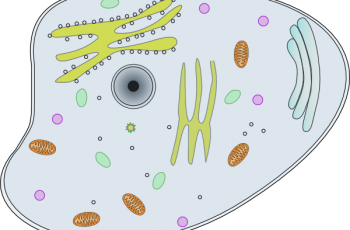
Investigation: Why Are Cells So Small?
This activity requires students to practice math skills by measuring the surface area and the volume of boxes. Collect boxes for students to use, these can be any type of box, such as tissue boxes, food boxes, or shoe boxes. Ideally, you want a range of sizes, with at least one box being overly…
-
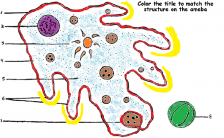
Color the Cellular Structures of the Ameba
This worksheet describes the structures of the unicellular protist known as the ameba. Though NGSS standards do not require units on protozoans, this can still be a useful exercise for examining how structure relates to function and how single-celled organisms move, consume food, and reproduce. What is the amoeba? An amoeba is a type of…
-
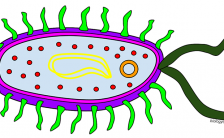
Color a Typical Prokaryote Cell
This worksheet is similar to the animal cell coloring and the plant cell coloring, where the focus is on structures found in the cell and how those structures relate to the cell’s function. Students read a short passage about prokaryotes and the two kingdoms of bacteria: archaeabacteria and eubacteria. The passage includes information about…
-

Meiosis Case: SRY not SRY
Students are given a scenario about a female athlete who was stripped of her medal when it was discovered that her cells contain a Y chromosome.
-
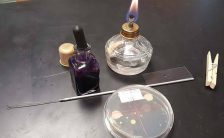
Investigation: Bacteria
This investigation asks students to take samples from the school and grow bacteria on agar plates. Students learn to use sterile technique to transfer and stain the bacteria and view under a microscope. Lab guide includes instructions for how to analyze and compare colonies and identify the three shapes of bacteria: bacillus, cocci, and…
-
Activity: Which Disease Is the Worst?
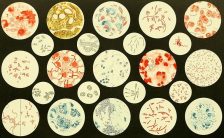
In this activity, students work in groups to read about different types of diseases and ultimately rank them from the least dangerous to the most dangerous. There is no actual right answer to this, and the cards are designed to foster discussion and provide a basic overview of the types of pathogens that cause…