
Category: Cell Biology
-
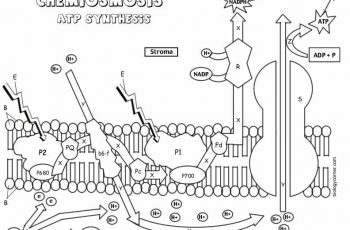
Photosystems and Chemiosmosis Coloring
Use this coloring worksheet to explore how plant cells harvest energy form the sun to generate ATP in the process known as chemiosmosis.
-
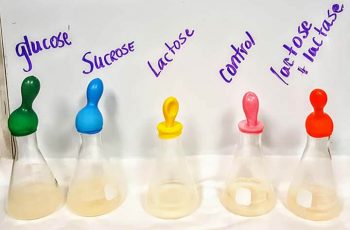
Demonstration: Can Yeast Digest Lactose?
This activity can be performed as student lead inquiry lab or as a class demonstration activity. Students should have a basic understanding of how enzymes work and the relationship between lactose and lactase. If you use Openstax, this is a great lesson to bridge the chapter on enzymes to the next one on respiration and…
-
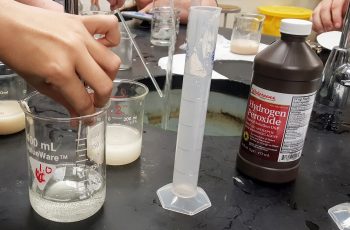
Investigation: Enzyme and Substrate Concentrations
Students who complete the Enzyme Investigation lab can further explore enzymes with this lab on how concentrations of the substrate (hydrogen peroxide) and the enzyme ( catalase) can affect the rate of reaction. In the first experiment, students simply made a judgement about the amount of bubbling to indicate reaction speed, though this is a…
-
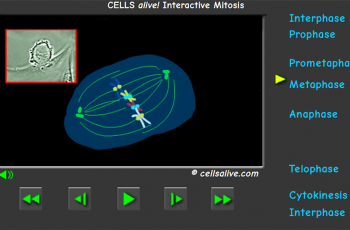
Mitosis – Internet Exploration
This assignment can be a stand-alone activity to help students learn to identify the phases of mitosis by viewing various animations. There are several sites to visit, where students perform tasks, such as labeling and making comparisons. Site 1: Bioman Mitosis Mover This is a game site where you progress through levels. Students can print…
-
Macromolecules: Sketchnotes
In the past, I’ve had students create concept maps to help them organize the four macromolecules and related details. This year, I modified the assignment to try to encourage the use of sketching to help students remember the details. Students were asked to focus on one of the four macromolecules: lipids, carbohydrates, nucleic acids, or…
-
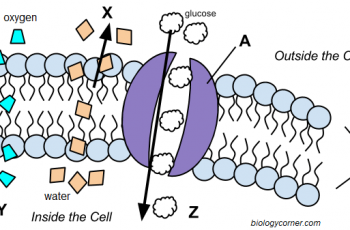
Cell Membrane and Transport
This reinforcement worksheet displays a graphic of the cell membrane showing the phospholipid bilayer and embedded proteins. Students identify structures within the bilayer and use reasoning to determine how molecules are moving across the membrane in response to a hypertonic solution. Worksheet was designed for freshman level biology classes who are studying osmosis and…
-
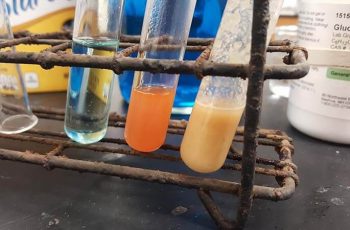
McMush Lab
I designed this investigation for AP biology though it could be modified to work with students in introductory biology classes. First students learn the four macromolecules important to life: carbohydrates, lipids, proteins, and nucleic acids. They can then venture into the lab where they use indicators to test for the presence of these molecules in…
-
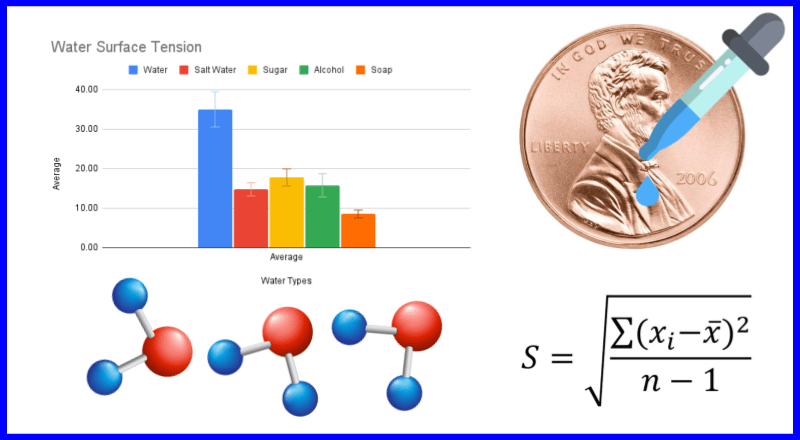
Investigation: Properties of Water (with Stats)
This investigation asks students to review the properties of water as they relate to life, usually a topic covered in the first or second chapter of most biology textbooks. Students then perform an experiment where they test the number of drops that can be placed on penny and compare that test to drops that…
-
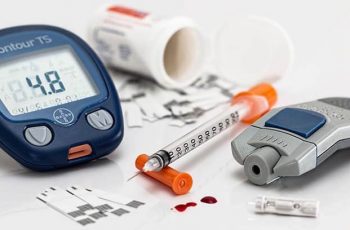
Case Study: Can a Virus Cause Diabetes?
This case asks students to examine data on children diagnosed with Type 1 Diabetes after reading a short story about a young girl who was losing weight and feeling thirsty. The content looks at a possible connection between diabetes and infection by the coxsackie virus, a virus that is responsible for “hand, foot, and mouth”…