
Category: Cell Biology
-
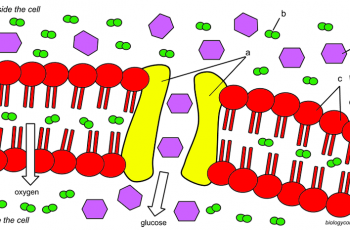
Cell Membrane Coloring
Color the cell membrane with a focus on diffusion, osmosis and transport proteins. Students color the structures of a cell membrane according to the directions. Then they answer questions about cell transport. I designed this worksheet for an introductory biology course to reinforce concepts related to cell transport. An image shows the phospholipid bilayer with…
-
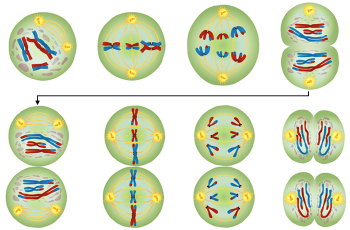
Meiosis Worksheet
Reinforce concepts related to meiosis and sexual reproduction. Students compare terms such as diploid and haploid, and label an image.
-
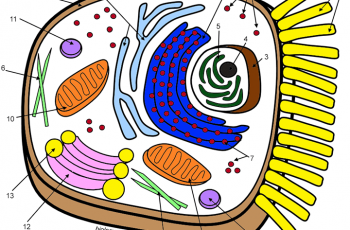
Learn the Animal Cell
This animal cell coloring worksheet can be used with freshman biology for years as a supplemental way to learn the parts of the cell. I assign it as a review or reinforcement exercise. It’s also a good activity for rainy days and sub days. This version of the cell coloring includes a cell diagram that…
-
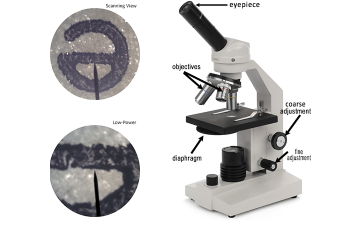
StoryLab – Microscope “E”
This Storylab aligns with a basic microscope lab where students learn the parts of the microscope and locate the letter “e’ on a prepared slide.
-
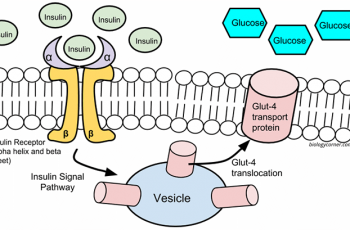
How is Glucose Taken Up by Cells?
This worksheet takes a closer look at the cell membrane and how insulin binds to the receptor on the cell membrane which creates a signal cascade, resulting in the movement of the Glut-4 transport protein to the surface of the cell. Students interpret a graphic showing the membrane, receptors, and the Glut-4 transport protein.
-

Cellular Respiration Graphic Organizer
Students complete a graphic organizer that shows the process of cellular respiration.
-
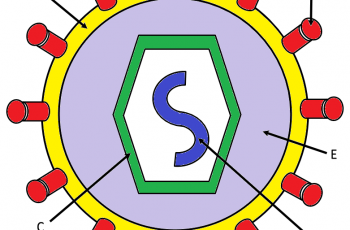
How Do Viruses Infect Cells (Coloring)?
A simple worksheet that explains how viruses infect cells which include diagrams to label and an image of a typical virus for students to color the envelope, proteins, DNA, and the capsid.
-
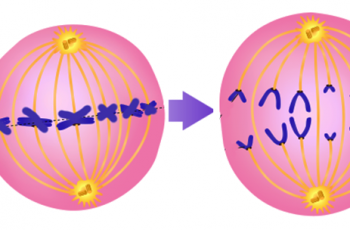
Reinforcement: Cell Division
This worksheet was created for an introductory biology class because they struggled with the difficult vocabulary associated with mitosis and the cell cycle.
-
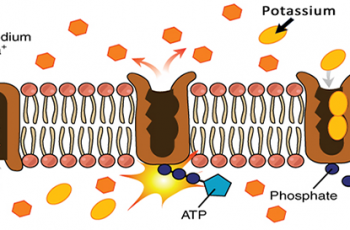
Cell Membrane Captions
Students examine images of transport across the cell membrane and identify key features such as the phospholipid bilayer, channel proteins, and receptors. Students then provide a title, such as “osmosis” and create a caption that describes the process being shown.