
Author: Shannan Muskopf
-
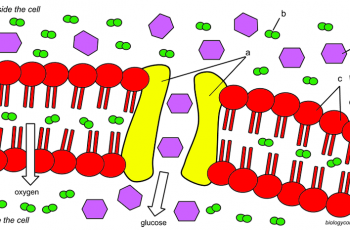
Cell Membrane Coloring
Color the cell membrane with a focus on diffusion, osmosis and transport proteins. Students color the structures of a cell membrane according to the directions. Then they answer questions about cell transport. I designed this worksheet for an introductory biology course to reinforce concepts related to cell transport. An image shows the phospholipid bilayer with…
-
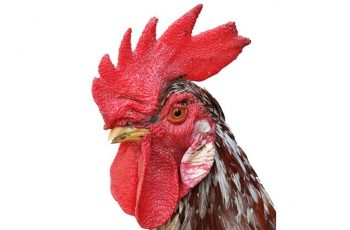
Genetics of Chicken Combs
The combs of chickens are controlled by four alleles, which interact to produce four distinct phenotypes: single, rose, pea, and walnut. In this exercise, students predict the outcomes of chicken crosses. Ideally, students should already know how to do crosses that involve two traits, the mechanisms for solving these problems are similar. My honors biology…
-
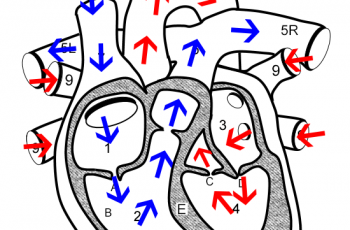
Anatomy of the Heart by Number
In this exercise, read about the structures of the heart and how blood flows through the systemic and pulmonary circuit. The text describes each structure (by number), you label with the names of the vessels and chambers of the heart. Use arrows to trace the flow of blood from the body, to the heart, then…
-
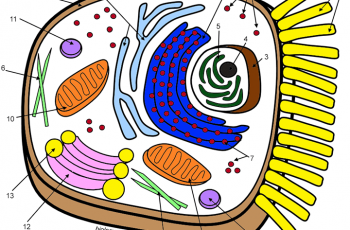
Learn the Animal Cell
This animal cell coloring worksheet can be used with freshman biology for years as a supplemental way to learn the parts of the cell. I assign it as a review or reinforcement exercise. It’s also a good activity for rainy days and sub days. This version of the cell coloring includes a cell diagram that…
-
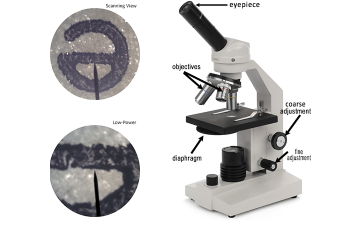
StoryLab – Microscope “E”
This Storylab aligns with a basic microscope lab where students learn the parts of the microscope and locate the letter “e’ on a prepared slide.
-
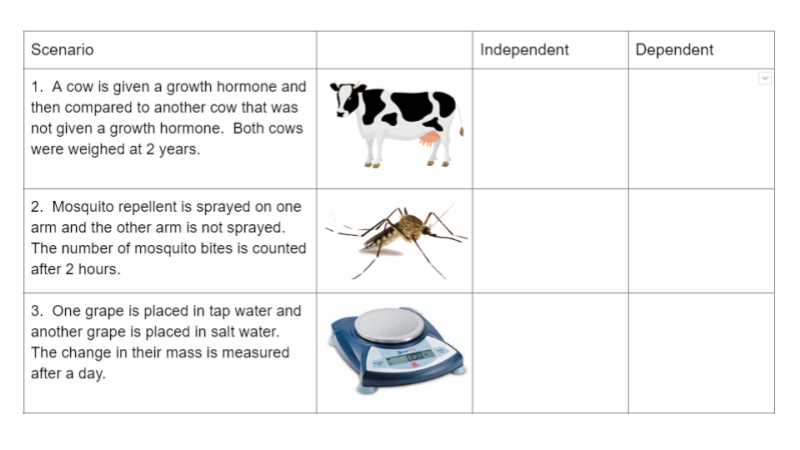
Independent & Dependent Variables Practice
Students reach short scenarios about scientific experiments. They identify the controls and variables in each story.
-

The Lion in Your Living Room
A video worksheet to follow the documentary The Lion in Your Living Room. Includes multiple choice questions to keep students focused while watching the film.
-
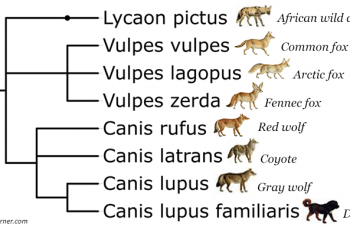
Phylogenetic Tree – Canines
Students examine a phylogenetic tree which has questions for them to discover how the tree is organized. Students will learn what a node is, and how branches on the tree represent descendants from a common ancestor.
-
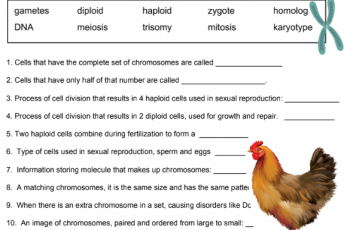
Reinforcement: Chromosomes
Helpful review on chromosomes which focuses on terms such as diploid and haploid, mitosis and meiosis, and zygote versus gamete. Students also practice chromosome math using chickens as a model, which have 78 chromosomes in body cells. Worksheet is intended as a review for basic level biology students.
-
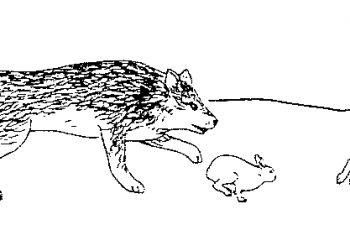
How Do Bunny Populations Change Over Time?
A set of images show how rabbits change over time as a result of selective pressure from wolf predation. Students match each graphic with one of the four steps of evolution on the VIDA chart: variation, inheritance, differential survival, and adaptation.
-
Dogs Decoded – Nova Video
One of my favorite evolutionary videos is this Nova production on dogs, called “Dogs Decoded.” This is a great program to bridge the topic of genetics to evolution. The program starts by examining the unique relationship humans have with dogs, and how dog evolution was shaped by that relationship.
-
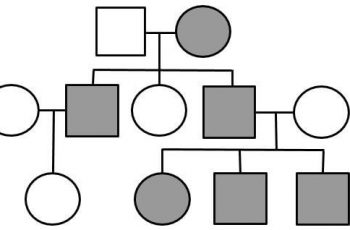
Pedigrees – Human Genetic Disorders
Students practice identifying genotypes on pedigree charts. Focus on human genetic diseases, such as albinism, dwarfism, tay-sachs, and sickle cell anemia.
-
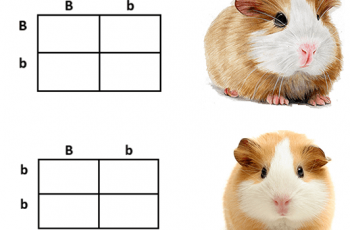
Genetics Practice Problems – Easy Mode
This worksheet was created for an introductory level biology class. This worksheet is designed to move through difficulty levels, so students start with “easy mode,” then moving to “normal” and then finally “hard mode.” Students can move at their own pace, which instructors can help students who are struggling.
-
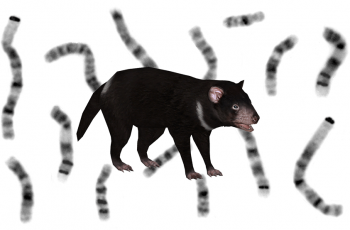
Karyotype of Tasmanian Devil Chromosomes
Students cut out each chromosome and organize them in pairs based on their patterns and size, they number them to determine the diploid number for the species and then consider a situation where the animal has an extra chromosome. Students must determine which set has the extra chromosome and consider the concept of trisomy.
-
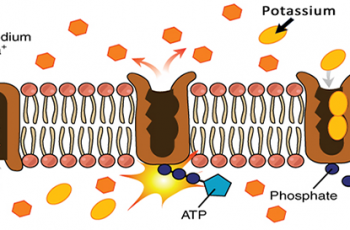
Cell Membrane Captions
Students examine images of transport across the cell membrane and identify key features such as the phospholipid bilayer, channel proteins, and receptors. Students then provide a title, such as “osmosis” and create a caption that describes the process being shown.