
Tag: species
-
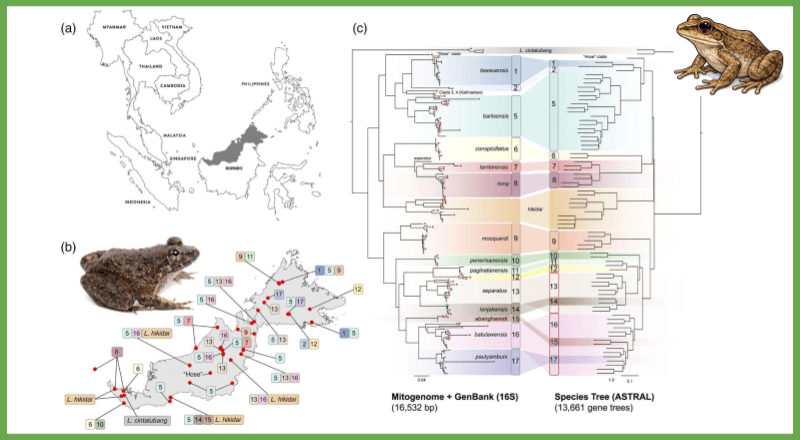
Teaching Evolution: The Case of the Fanged Frog
Helping students understand evolution, gene flow, and speciation can be challenging because these processes often occur over long periods of time and involve complex genetic evidence. One effective way to make these concepts more engaging is to use real scientific research simplified for classroom use. The Fanged Frog Genomics Study activity introduces students to modern…
-
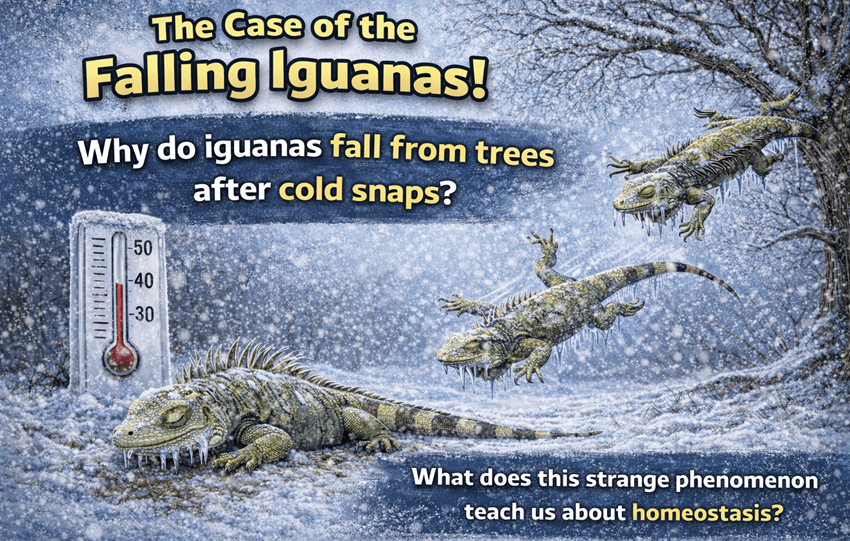
A Chilling Case Study – Raining Iguanas
Engage your students with a real-world, biology-based phenomenon: Florida’s “raining iguanas.” During sudden cold snaps, iguanas lose muscle control and fall from trees, providing a dramatic example of ectothermy, torpor, and homeostasis. This case study combines observation, data interpretation, and critical thinking to help students connect behavior, physiology, and environmental influences. Students can complete this…
-
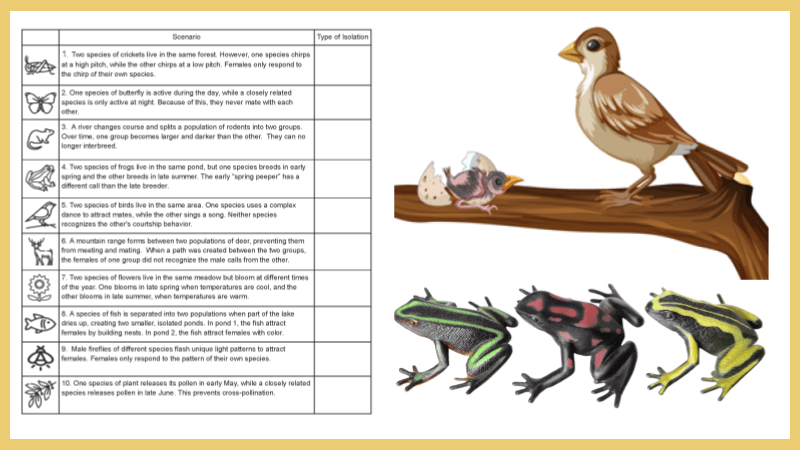
Why Can’t We Be Friends – Isolating Mechanisms
Are you teaching evolution, speciation, or mechanisms of reproductive isolation and need an engaging, ready-to-go resource? I’ve got you covered! Introducing “Why Can’t We Be Friends: Species Isolation Scenarios”, a student-friendly worksheet designed to help your class master the concepts of behavioral, geographic, and temporal isolating mechanisms. 🎯 What Are Isolating Mechanisms? In simple terms,…
-
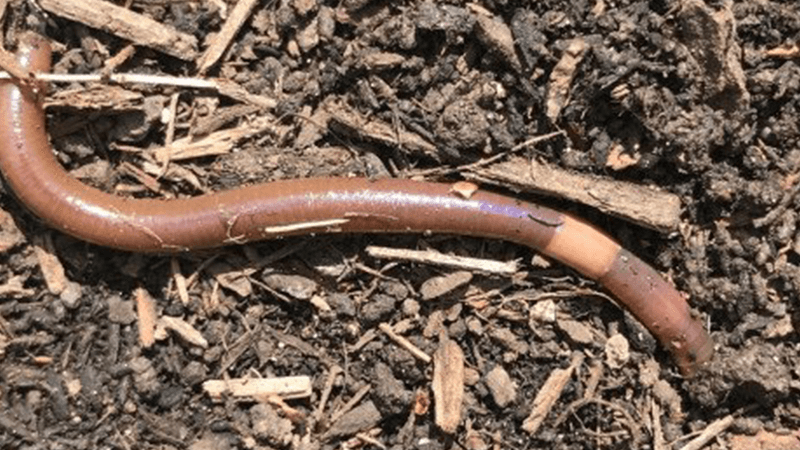
Data Analysis – Invasion of the Jumping Worms
Lesson plan uses the 5E model to explore the invasive Asian Jumping Worm and its impact on soil and forests; includes data analysis.
-
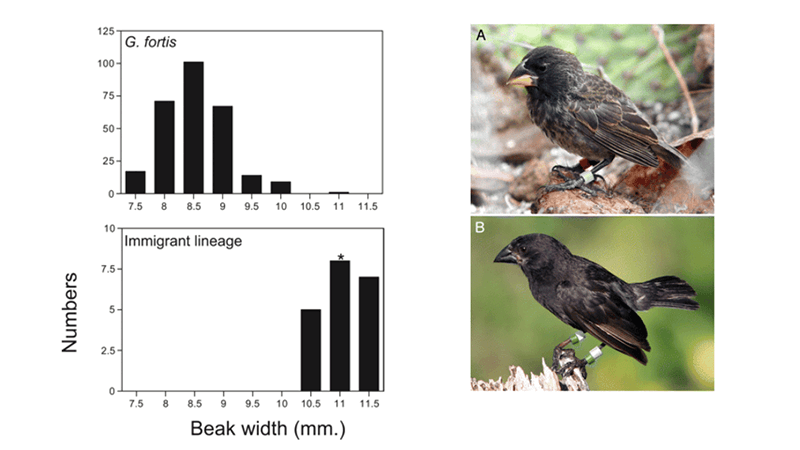
Speciation on Daphne Major – Big Birds Get No Love
The beaks of finches on the island changed in size after a catastrophic draught. Students analyze graphs and explore how natural selection affects populations.
-
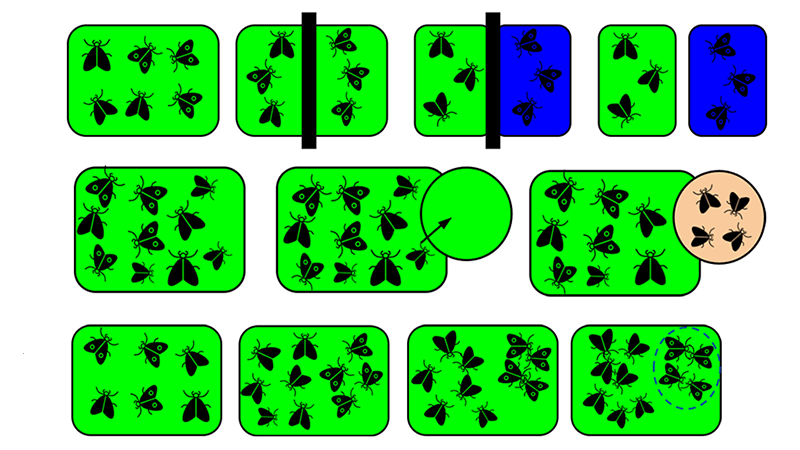
Speciation Modes – Reinforcement
Students distinguish between allopatric and sympatric speciation and then identify what types of isolating mechanisms are described in scenarios.
-
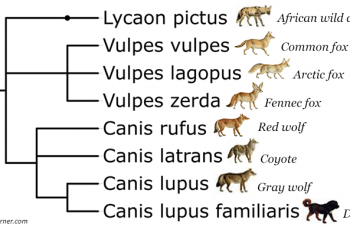
Phylogenetic Tree – Canines
Students examine a phylogenetic tree which has questions for them to discover how the tree is organized. Students will learn what a node is, and how branches on the tree represent descendants from a common ancestor.
-

Measuring Biodiversity Using Beans
Students analyze a community of beans (pinto, lima, navy) to determine the richness, abundance, and biodiversity index of two communities.
-

Ecology Lesson on Trophic Cascades
This year I decided to change the way I teach the last unit of the year, which is ecology. Our textbook is really old, and not aligned to NGSS. The lessons followed a familiar “old-school” pattern: take notes mainly about definitions, do an activity or lab, then take a quiz. This year, I wanted to…