
Tag: human
-
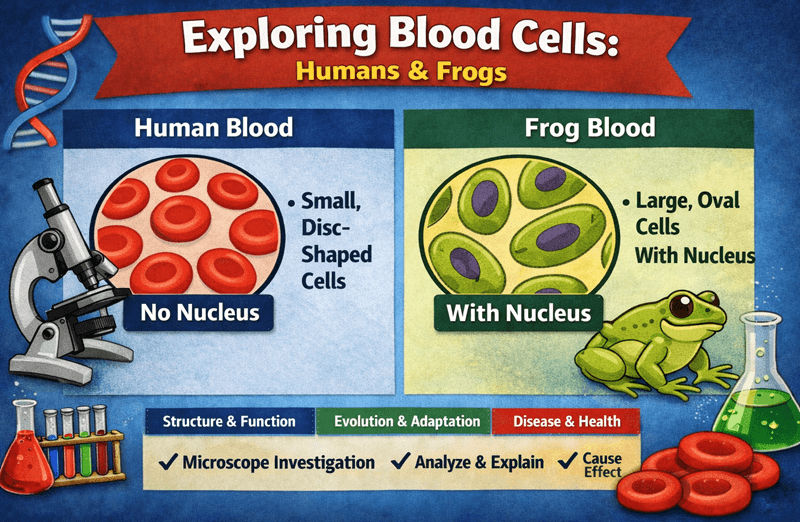
Lab – Comparing Human and Frog Blood Cells
In this hands-on microscopy lab, students investigate how blood cell structure varies across species by comparing human blood and frog blood. Using prepared blood slides, students observe red blood cells under the microscope. They document key differences in size, shape, and internal structures. Human red blood cells are small, circular, and lack a nucleus, an…
-
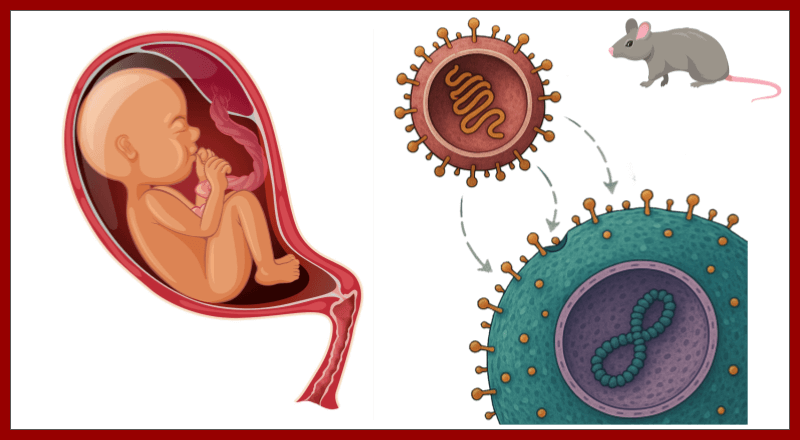
Case Study – The Placenta, MS, and a Viral Past
What if we told your students that a gene critical to human pregnancy came from a virus? And what if that same gene, when turned on in the wrong place, might play a role in multiple sclerosis? This is the real and fascinating story behind Syncytin-1, a protein that reveals just how tangled the relationship…
-
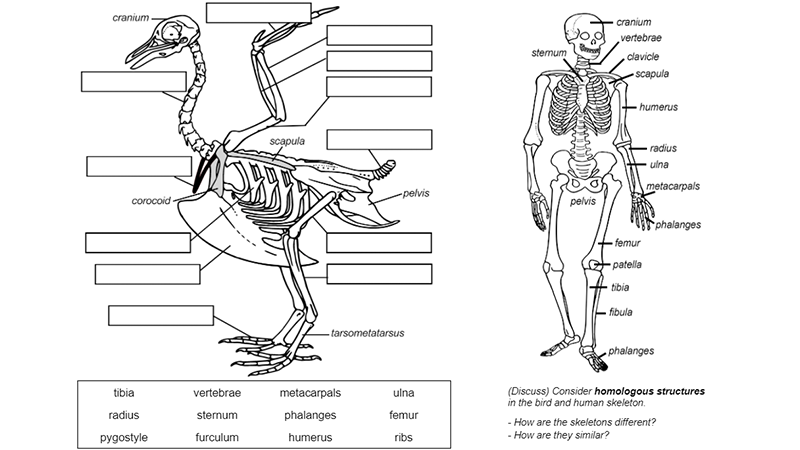
Label the Bones of a Bird and Human Skeleton
Labeling worksheet showing a bird skeleton compared to a human. Students fill in the labels using a word bank and discuss similarities to the human skeleton.
-
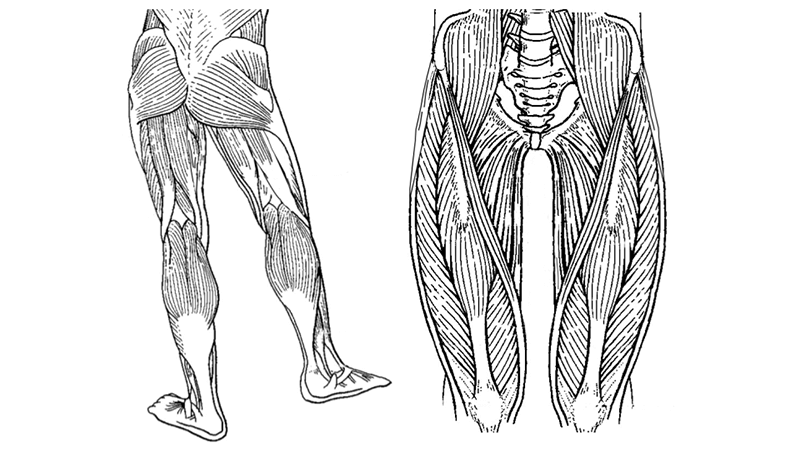
How to Teach the Muscles of the Human Body
Resources for high school anatomy students to learn the major muscles of the body; includes slides, handouts, and links to quizzes.
-
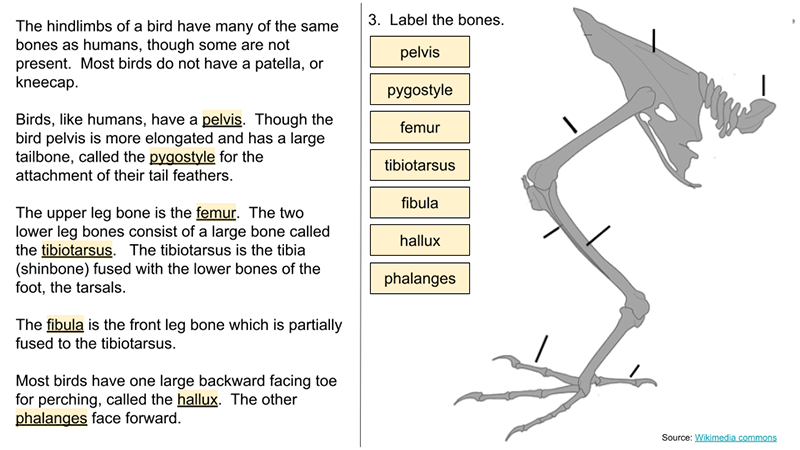
Comparing a Human and Bird Skeleton (Guided Learning)
Use google slides to label bird and human skeletons. Compare similarities and differences between leg bones of each species.
-
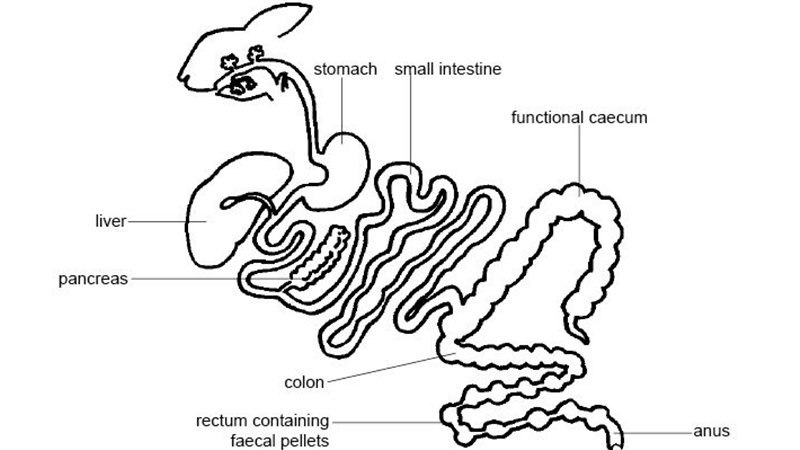
Label the Digestive System of a Rabbit
Students in biology may or may not do extensive dissections, but most biology classes do include a unit on comparative anatomy. Many teachers substitute dissections with virtual labs or paper versions of dissections where students label, color, or cut out parts. This worksheet shows a simplified diagram of a human and a rabbit digestive system…
-
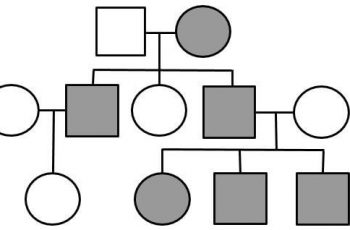
Pedigrees – Human Genetic Disorders
Students practice identifying genotypes on pedigree charts. Focus on human genetic diseases, such as albinism, dwarfism, tay-sachs, and sickle cell anemia.
-
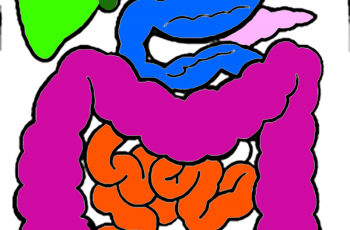
Model the Digestive System with Coloring
The digestive system is a series of organs that work together to break down food into nutrients that the body can use. The digestive system includes the mouth, esophagus, stomach, small intestine, large intestine, rectum, and anus. Coloring activities can be helpful to give students a chance to model the organ systems. I short, coloring…
-
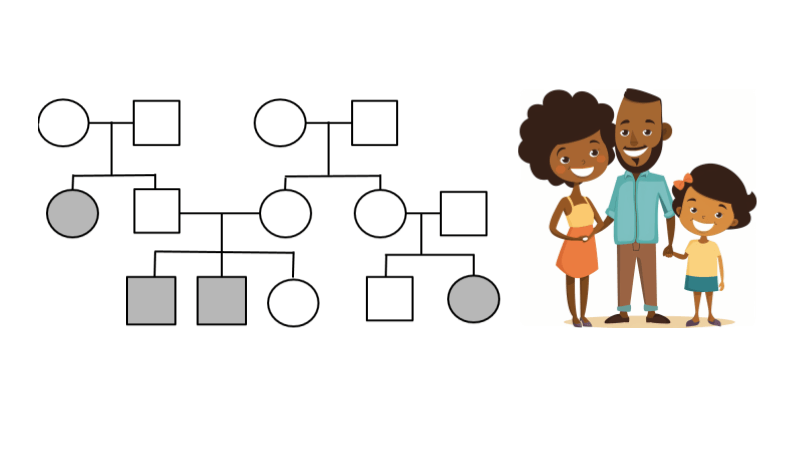
Analyzing Human Pedigrees
Examine pedigrees to determine carriers in a family and inheritance patterns.