
Tag: claim
-
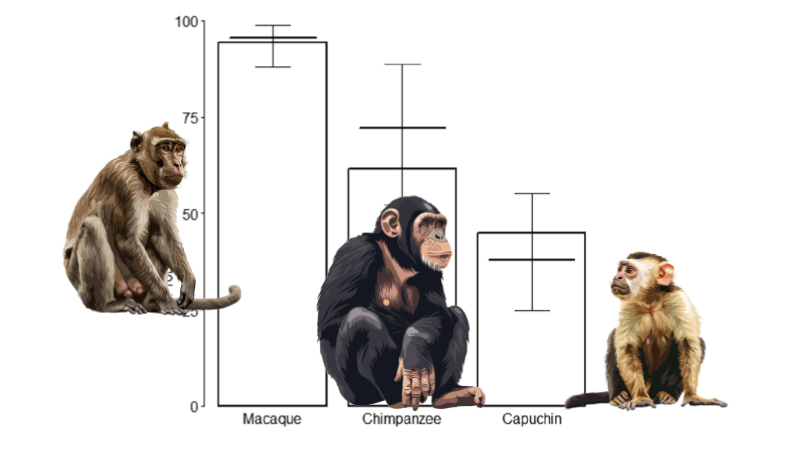
Data Analysis – Tool Use in Primates (CER)
Chimpanzees, capuchins, and long-tailed macaques use tools to crack the shells of nuts. They place the nut on a hard surface, like a flat rock, and strike it with a stone to crack the shell. These three primate species use different techniques. Chimpanzees and macaques crack the nuts while sitting, but the capuchin stands on…
-
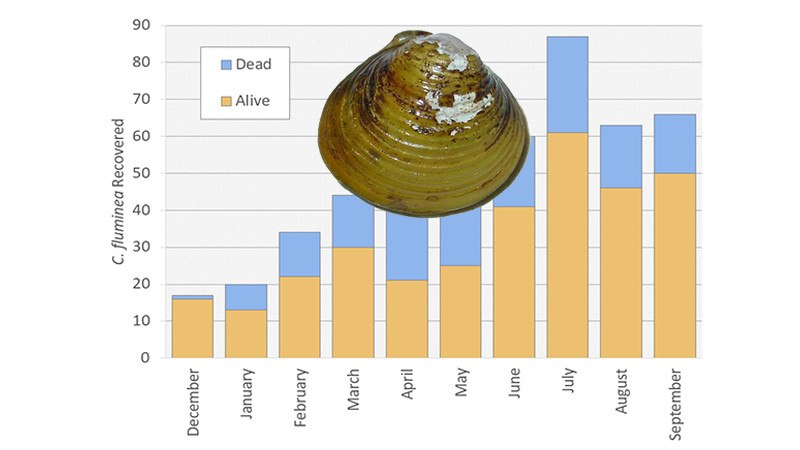
A Clammy Problem – Invasive Mollusks in Michigan
Examine a graph showing the numbers of invasive clams collected in a lake in Michigan. Answer basic questions about data and write a CER.
-
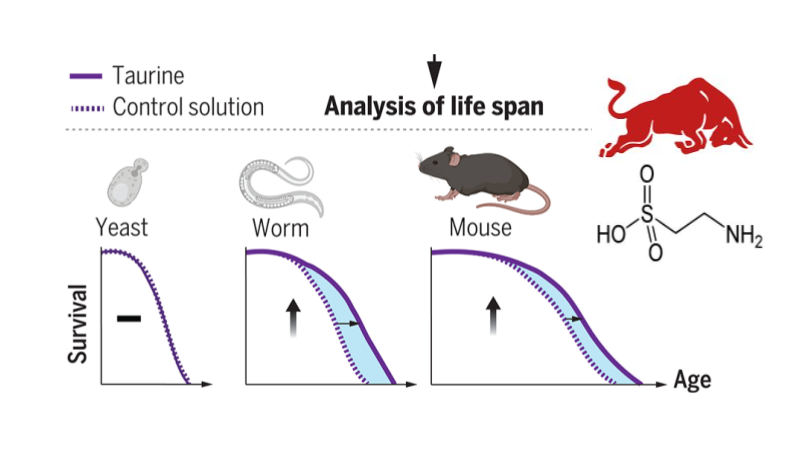
Interpreting Diagrams – Taurine and Aging (CER)
Students analyze a graph showing the effects of the amino acid taurine on aging. The data is from a primary source. Identify claim, evidence and reasoning.
-
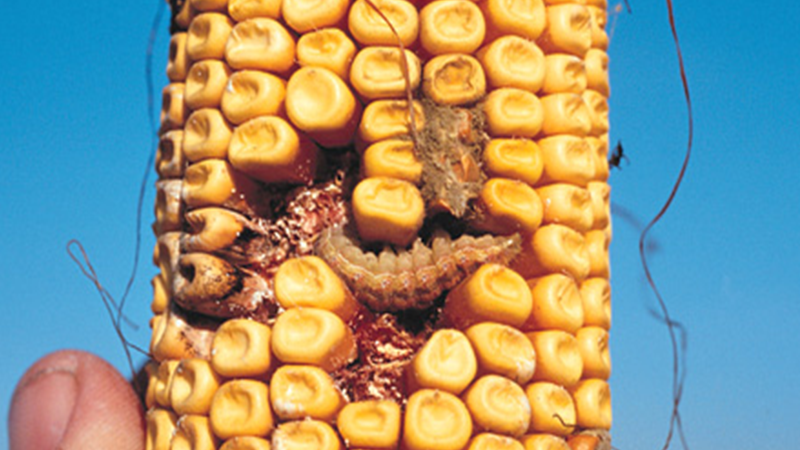
Can Genetic Modification Protect Corn?
The European corn borer (ECB) is a major pest of corn in the United States. It is a small, black and white moth that lays its eggs on the leaves of corn plants. The larvae hatch and tunnel into the stalks, ears, and leaves of the plant, causing significant damage. Bt corn is a type…
-
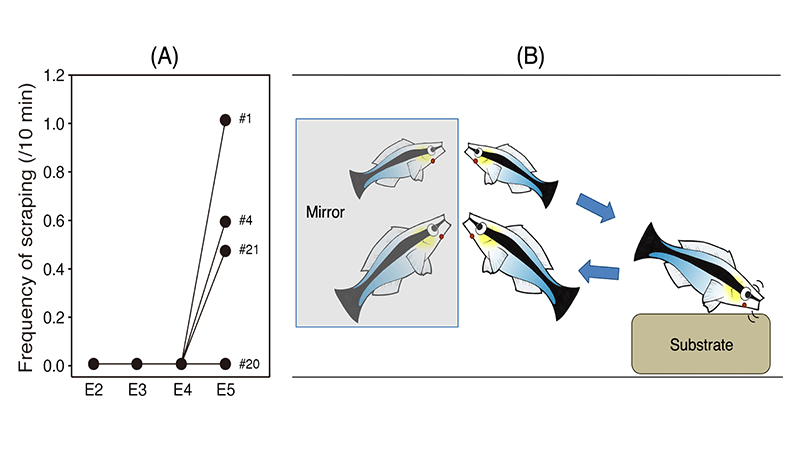
Can Fish Recognize Themselves in a Mirror (CER)
Examine data that supports the claim that fish exhibit self awareness. Fish scrape their bodies on substrate when they see a mark on themselves in the mirror.
-
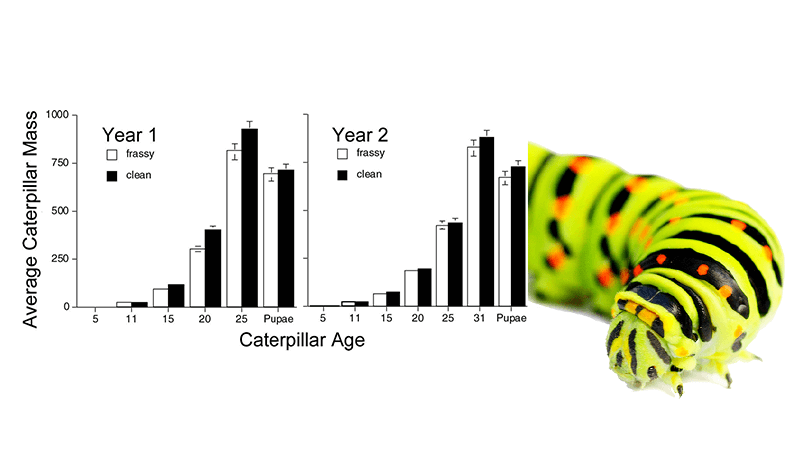
Why Do Caterpillars Fling Their Frass? (CER)
Students examine data on caterpillars to determine an evolutionary reason for an observed behavior. Caterpillars will fling their feces far from the nest!
-
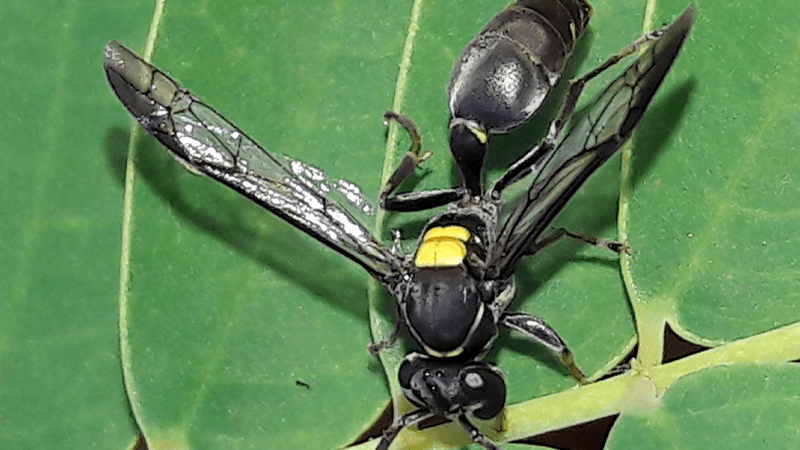
Brazilian Wasp Venom Kills Cancer Cells – CER
Students complete an CER on how Brazilian wasp venom can disrupt the cell membrane of cancer cells which can potentially be used to treat disease.
-

CER – How Effective Are Masks at Preventing Disease
Students examine data that show the effectiveness of mask wearing and the prevention of disease. The activity is a CER format (claim, evidence, reasoning.)
-
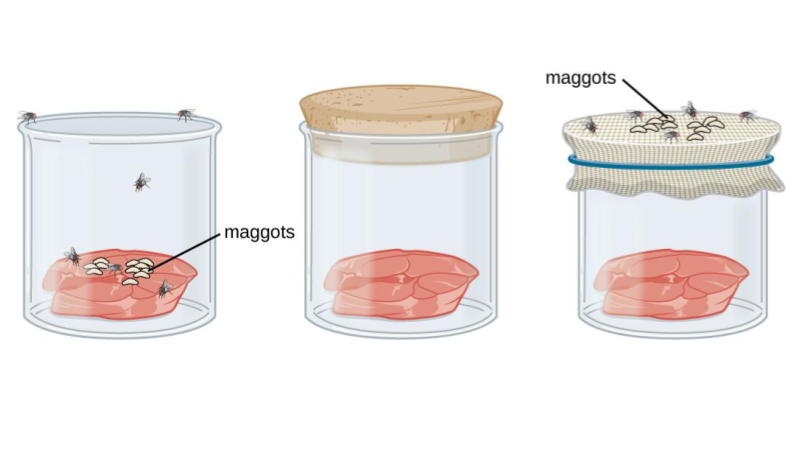
Early Discoveries in Science – Remote Version
Remote version of early discoveries in science. Slides present scenarios about how the scientific method is used to solve real-world problems.