
Search results for: “teacher”
-
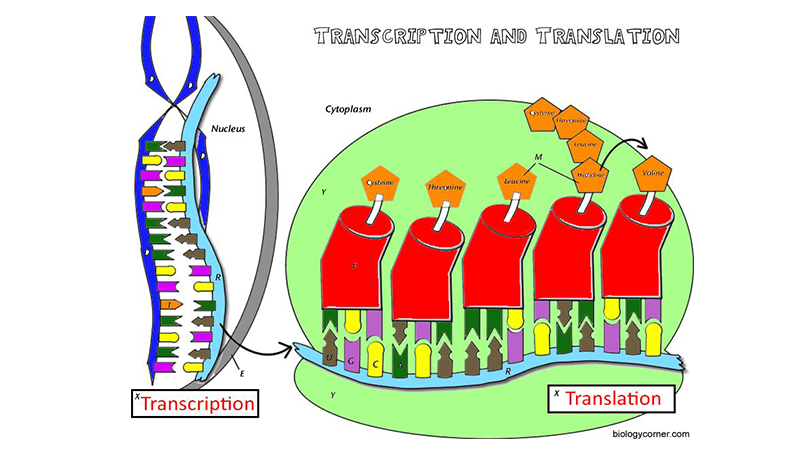
Learn Transcription and Translation by Coloring
Graphic shows the process of transcription and translation. Color the parts of the model as your learn about them!
-
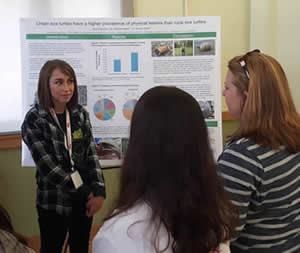
High School Students Doing Field Biology
If you are fortunate enough to teach near a university, there is a very good chance that programs at the college are in place to help high school teachers. For years, I have been able to borrow equipment from Southern Illinois University and Washington University to alleviate the costs of buying the equipment for…
-
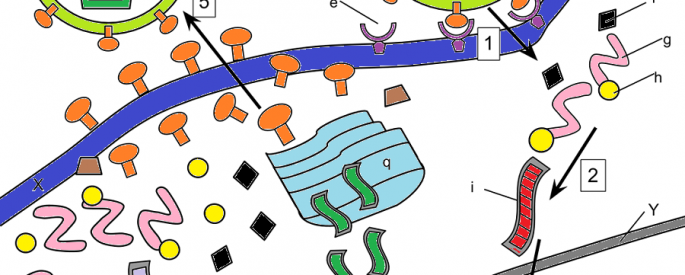
Human Immunodeficiency Virus (HIV) Coloring
The virus that causes AIDS (Acquired Immunodeficiency Syndrome) is called the Human Immunodeficiency Virus, commonly known as HIV. HIV is a member of the retrovirus family, which means it contains RNA as its genetic material instead of DNA. HIV coloring worksheet uses a model to understand viral transmission. Students identify and color the major structures…
-
Top 10 Classroom Pets
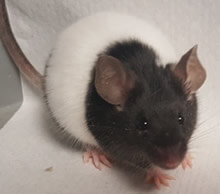
Many science teachers have classroom specimens (or pets) to serve as model organisms, to teach students how to care for animals, and to generally liven up the space. When I first started teaching, I inherited a room that had beautiful cabinets full of specimens preserved in formaldehyde. I wanted a pet in that space…
-
Can Bacteria Be Designed to Create Gasoline?
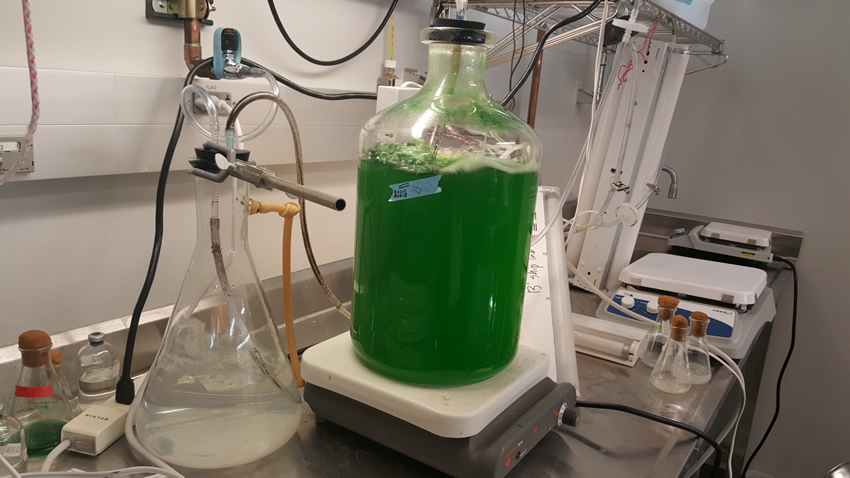
I’ve heard the term “biofuel” before, and that usually conjures up images of corn fields and ethanol. I recently attended a lecture at Washington University presented by Fuzhong Zhang. The title of the workshop was quite intimidating: “Synthetic Regulatory Systems for Dynamic Metabolic Pathways.” Teachers don’t just spend our summers lazing about at the pool!…
-
Is Group Work Really Effective?
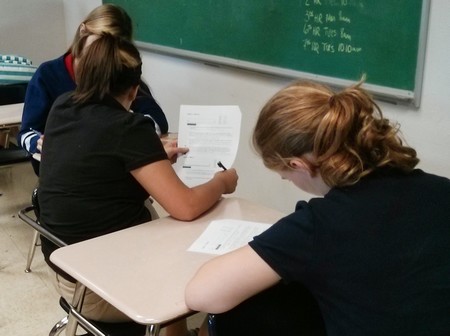
I was out for a day last week and left a case study for my anatomy students. The case was about six pages long and starts with a doctor examining a pregnant woman and hearing what he thought was a heart murmur in the fetus. The pages build upon each other, asking students to…
-
How to Make Group Activities and Grading Fair
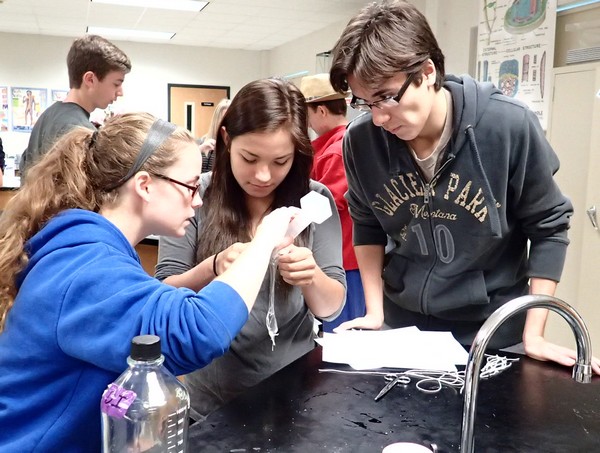
During the cell unit of Advanced Placement biology, students are required to do three investigations (labs): Diffusion and Osmosis, Photosynthesis, and Cellular Respiration. Students work in groups of 3 to 4 to work through these investigations and analyze data. I often have them only turn in ONE copy of the lab guide because as a…
-

How to Use Google Docs to Leverage Student Engagement
Google docs can make grading and commenting more engaging for students. When students upload their google docs, you can comment and have discussions.
-
How to Create Your Classroom Seating Chart
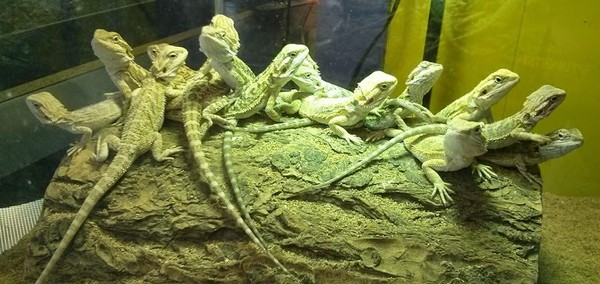
Ideas for assigning seats in the classroom on the very first day without the awkward role call.
-
Why I’m Changing My Classroom Phone Policy
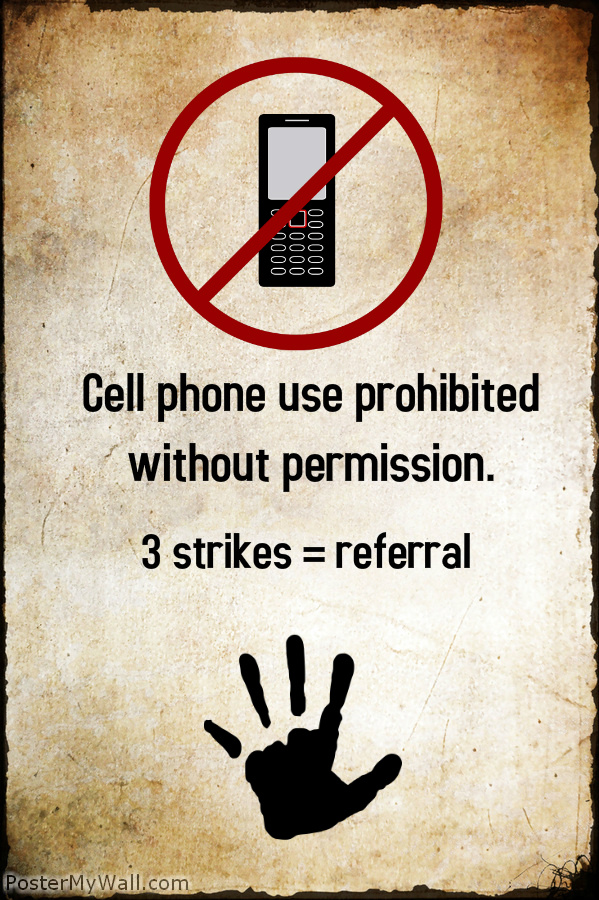
Last year, I decided to run a social experiment with my honors class. This was a small class of 18 students taking Advanced Placement Biology, with a mix of juniors and seniors. The experiment was to see if these digital natives could handle having an open policy on cell phones. I allowed them…
-

Writing to Learn – A Common Core Standard
A collection of activities for students to use writing assignments to engage in lessons and learn scientific concepts.
-
Are Exit Tickets a Good Way to Assess Understanding?
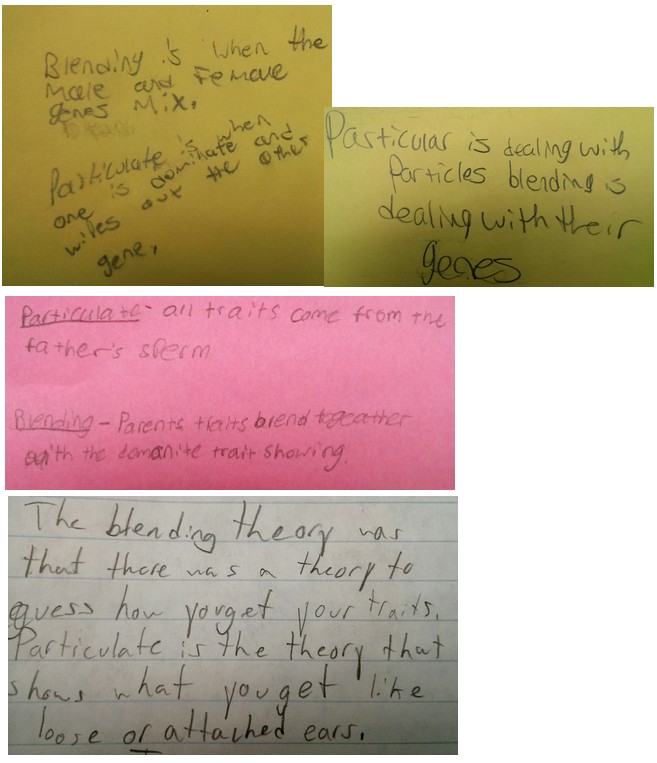
My genetics unit for Freshman Biology always starts with a history lesson on Mendel and our understanding of heredity at that time. One of the main themes of this lesson is a comparison between two ways of thinking about inheritance and two competing theories: The Particulate Theory and the Blending Theory. Students struggle…
-
Are Kids Out of Touch with Nature?
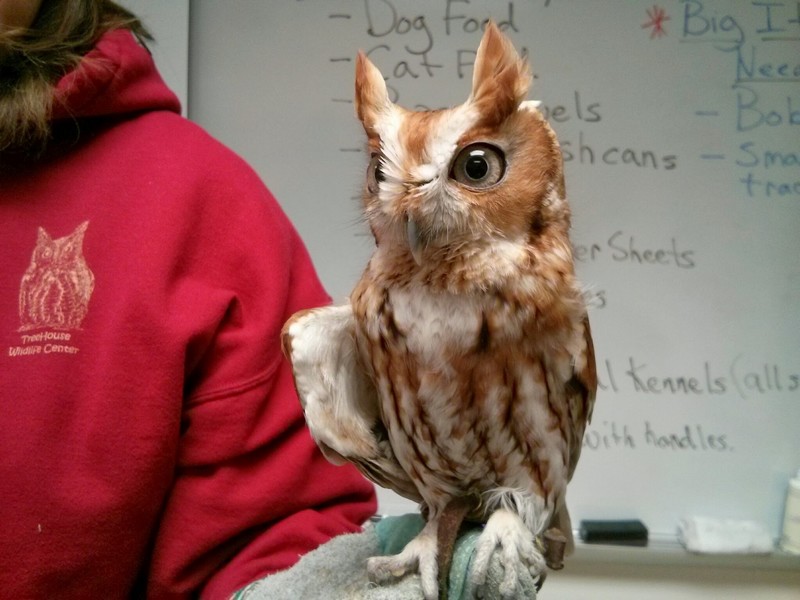
My students are suburban raised and have very little experience in the wild. After reading the article, “Give Childhood Back to Children,” I considered that playing outside not only helps kids learn social structures, it also allows them to explore nature.
-
What is “Mastery” and Why is It Important?
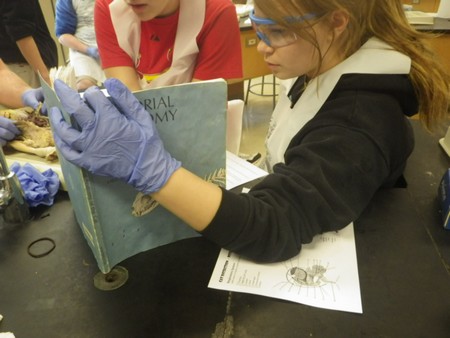
Education leaders often talk about mastery. Here’s what it means to me and how I can assess whether students have mastered content.
-
Mini Field Trip to the Park
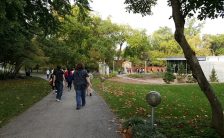
If you’re on the last days before school is out for the summer, you are probably encountering a lot of excited kids who really aren’t interested in sticking their nose in a book. Why not take them outside onto the school grounds or a nearby park and do outdoor projects?