
Search results for: “system”
-
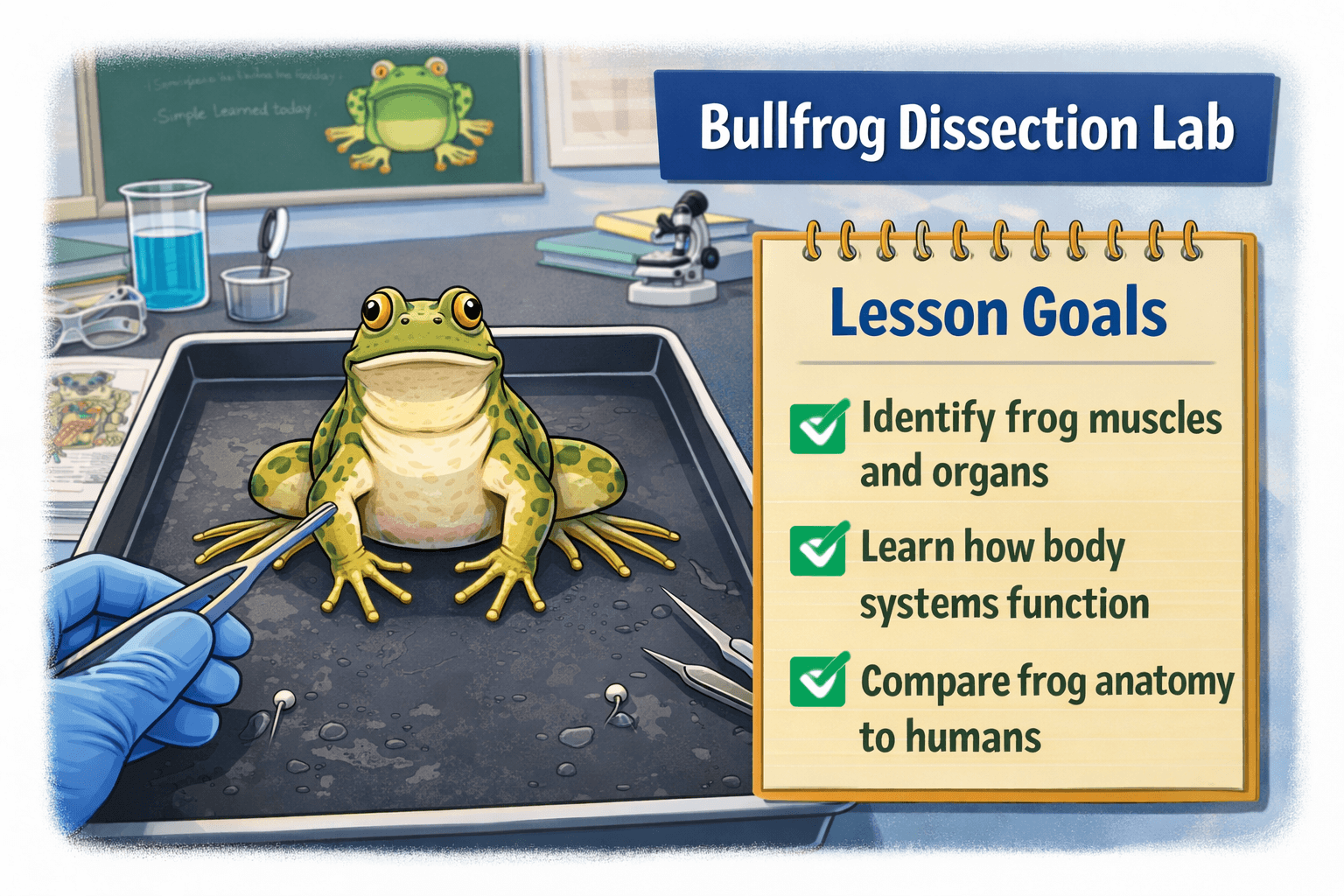
Bullfrog Dissection for AP Biology Students
Dissections have long been a cornerstone of biology education because they provide students with a unique opportunity to explore the structure and function of living organisms in a hands-on way. While diagrams and models are valuable learning tools, nothing compares to observing actual organs, tissues, and body systems as they are arranged within an organism.…
-

Bamboo Bioplastic – An Ecofriendly Alternative
Looking for a meaningful way to connect cell biology, polymers, environmental science, and biotechnology in your classroom? This free classroom resource adapts a recent scientific research study into a student-friendly reading passage designed specifically for high school biology students. Students often hear about plastic pollution, but rarely get to explore how scientists are actively developing…
-
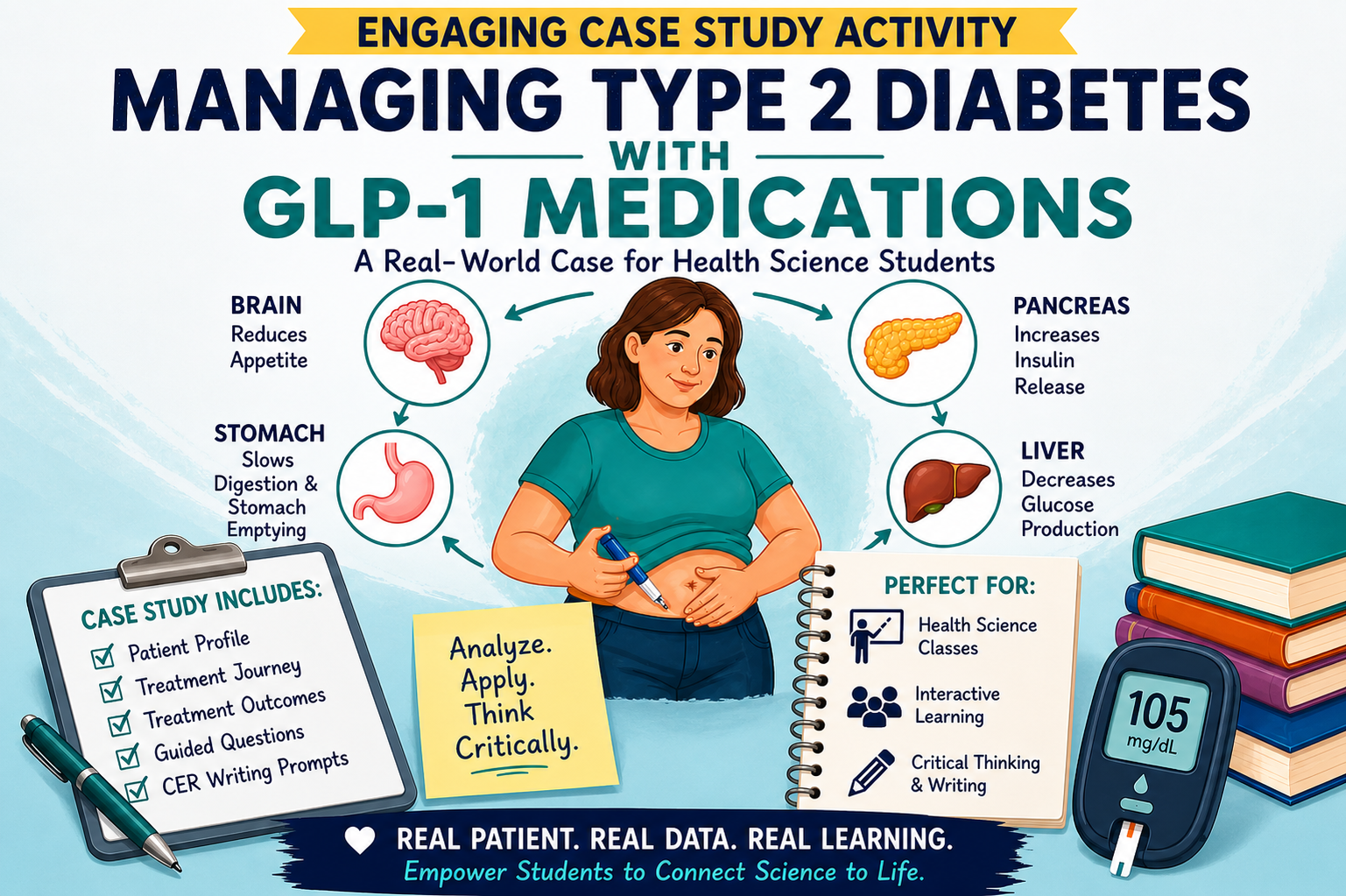
Case Study – Managing Diabetes with GLP-1
If you’re looking for a meaningful way to connect biology concepts to real life, check out this case study on managing Type 2 Diabetes. Students focus on how GLP-1 medications help the body maintain blood sugar levels. One of the most fascinating aspects of this activity is how it highlights the role of Glucagon-like peptide-1…
-
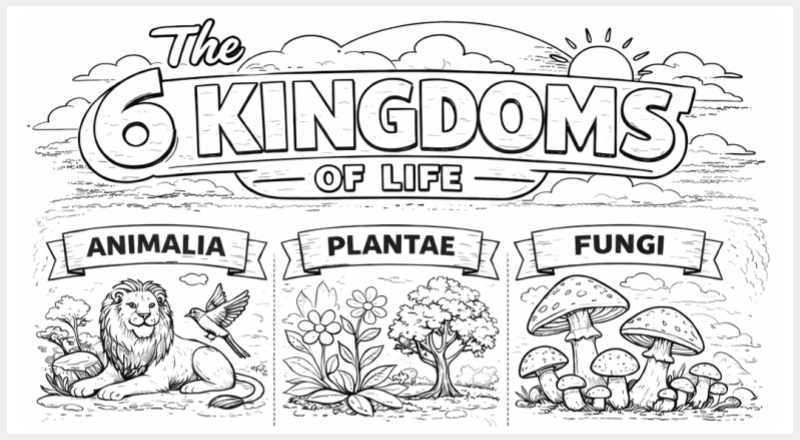
The Six Kingdoms – Coloring and Graphic Organizer
Students often learn about biodiversity and taxonomy prior to learning the animal systems. We spend several days going over why animals need to be organized into groups. They learn about the taxonomic structure: Kingdom, Phylum, Class, Order, Family, Genus, Species. To help remember the list, a helpful mnemonic is: “King Philip Came Over For Great…
-
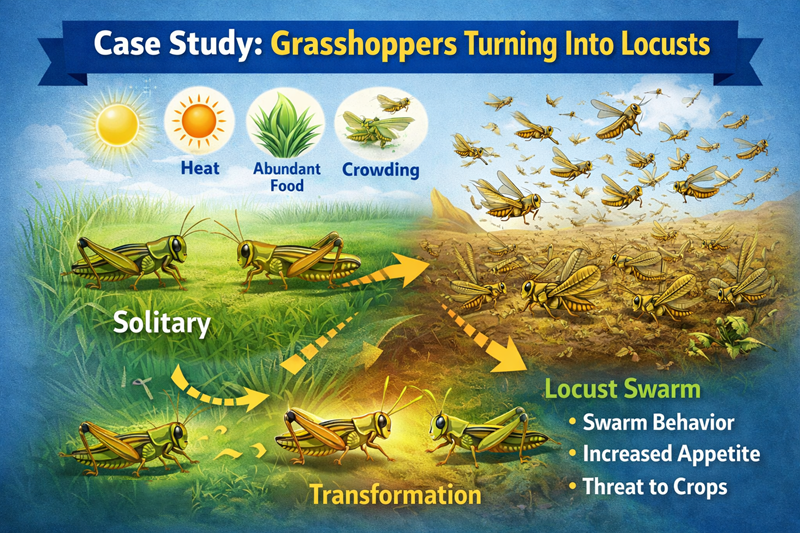
Case Study – When Grasshoppers Become Locusts
What if your students could explore one of the most dramatic transformations in the natural world, where a harmless insect suddenly becomes part of a swarm capable of destroying entire ecosystems? The lesson opens with a vivid, story-driven scenario of a locust swarm descending on farmland, instantly pulling students into the phenomenon. Instead of starting…
-
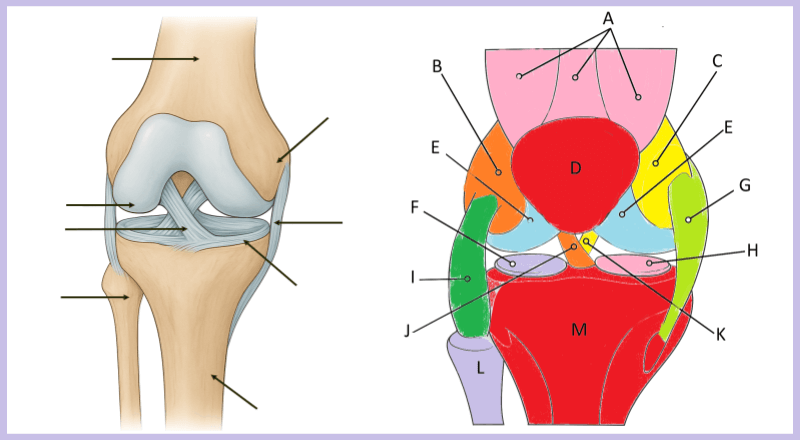
Explore the Anatomy of the Knee and ACL Injuries
Are you teaching the skeletal of muscular system and want a way to make knee anatomy more engaging for your students? This worksheet explores the most common knee injury in sports, a tear in the anterior cruciate ligament. This injury occurs when an extreme twisting of the knee tears the ligament that stabilizes the joint.…
-
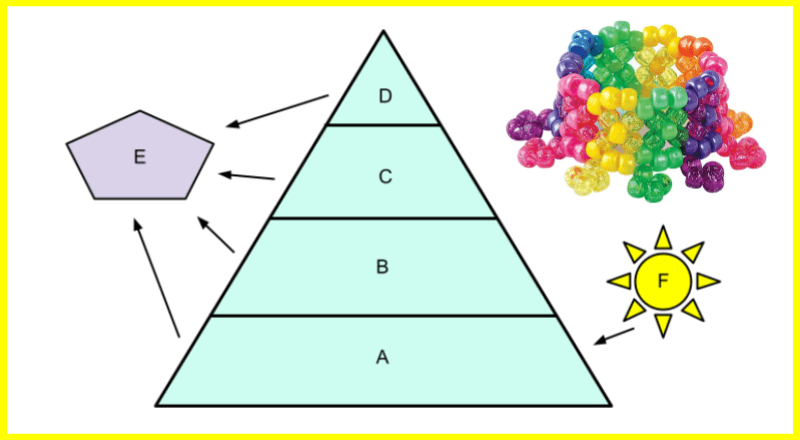
Modeling Ecological Pyramids
Looking for a way to include hands-on activities in an ecology unit? I’ve struggled with student engagement in this unit, mainly because so many of the concepts involve models. In this activity, students use beads to model the three types of ecological pyramids: pyramid of numbers, pyramid of biomass, and pyramid of energy. Each group…
-
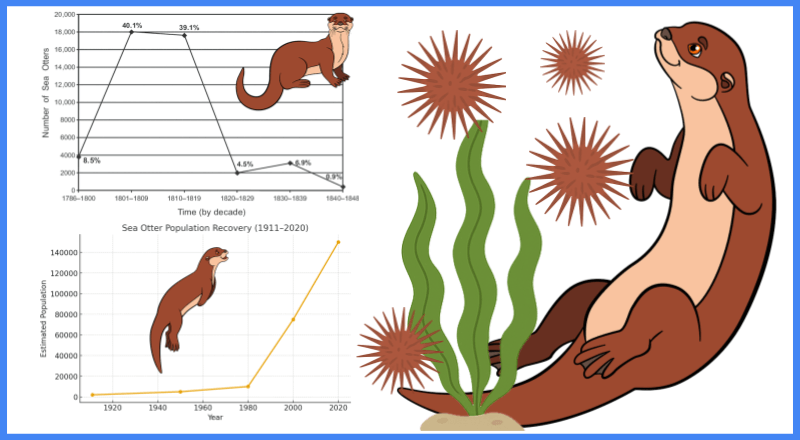
Case Study – Sea Otters and Kelp Forests
What if one small, furry animal could decide the fate of an entire ecosystem? That’s the story of the sea otter, a species once hunted nearly to extinction for its valuable fur, and now celebrated as a hero of the ocean. This case study resource is designed to bring that powerful story into the biology…
-
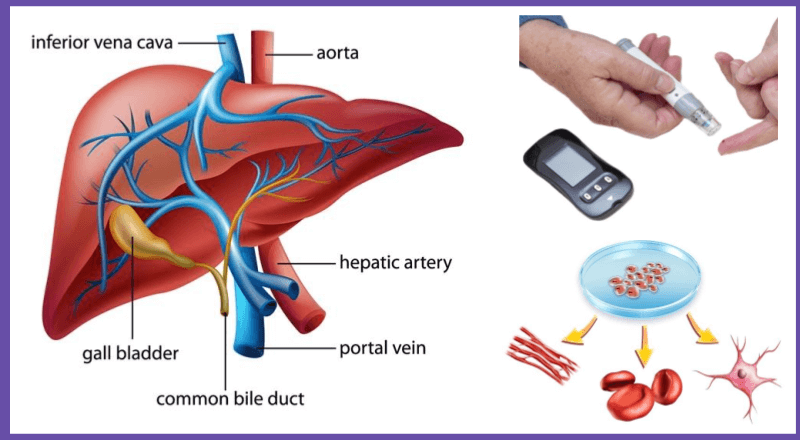
Stem Cell Therapy for Type 1 Diabetes
Teaching stem cells and medical applications can be tough, and students often struggle to connect it to the real world. That’s why I created this worksheet about a new treatment for Type 1 diabetes. Zimislecel, a cell therapy that uses lab-grown islet cells to restore insulin production. This stem cell therapy could reduce the need…