
Looking for a meaningful way to connect cell biology, polymers, environmental science, and biotechnology in your classroom? This free classroom resource adapts a recent scientific research study into a student-friendly reading passage designed specifically for high school biology students.
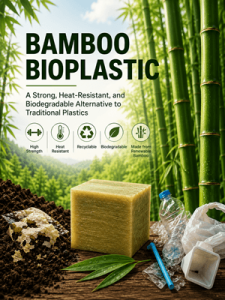
Students often hear about plastic pollution, but rarely get to explore how scientists are actively developing solutions. This adapted article introduces students to cutting-edge materials science research focused on creating a strong, heat-resistant, biodegradable plastic made from bamboo cellulose. The reading simplifies complex scientific language while preserving the core ideas and experimental findings from the original study.
The article explores how researchers transformed bamboo into a high-performance bioplastic by reorganizing cellulose molecules to create a material that rivals traditional plastics in strength while remaining recyclable and biodegradable.
What’s Included
- A high school–level adapted article based on current scientific research
- Student-friendly explanations of challenging concepts
- Scientific vocabulary support
- Higher-level comprehension and discussion questions
- Short answer and essay-style prompts
- Connections to environmental science and biotechnology
Concepts Covered
- Cellulose and plant structure
- Bioplastics and sustainable materials
- Hydrogen bonding and molecular interactions
- Recycling and biodegradability
- Environmental impacts of plastic pollution
- Scientific innovation and engineering design
The included discussion questions move beyond recall and ask students to evaluate evidence, consider trade-offs, and apply scientific ideas to real-world environmental challenges.
Students are encouraged to think like scientists by considering questions such as: Should biodegradable plastics replace traditional plastics? What makes a material sustainable? Can environmental solutions also meet performance demands?
This activity aligns especially well with units on macromolecules, plant biology, ecology, biotechnology, human impacts on ecosystems, and engineering design.
Related Activities
Analyze Data and Create a Climate Graph – students look at climate graphs from different regions and determine temperature and rainfall values
Exploring Range of Tolerance in Steelhead Trout – create a graph showing population changes in trout in response to environmental conditions
Human Activities and Water Quality – mini-case study that looks at a map showing where water pollution is concentrated and its affect on populations
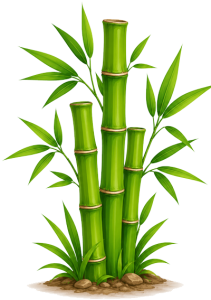
Live Bamboo Plant – want to show kids what the plants look like? You can purchase live plants on Amazon or at your local greenhouse