
Search results for: “system”
-

Frog Anatomy Coloring Worksheet
This simple worksheet can supplement a lab or dissection of the frog. Each of the numbers on the frog image corresponds with a text description of the structure and instructions on how to color it. There are a few questions at the end, mainly matching the structure to it’s function, but overall this activity is…
-
Case Study – What’s Wrong with Timothy?
The endocrine system can be a difficult subject to cover in anatomy. It isn’t as showy as the other systems where you can label organs or dissect an eyeball. Students must also memorize a number of hormones and their functions which have complicated names like thyroxine and tri-iodothyronine. When I first started teaching anatomy,…
-
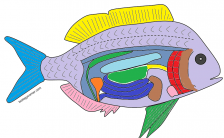
The Anatomy of a Bony Fish
Learn the anatomy of the fish with this coloring worksheet. Student Activity This coloring worksheet. provides a basic overview of the anatomy of a bony fish. Students color the fish according to the directions with each organ and fins being labeled by number. Students will not need a reference to complete the activity, as…
-
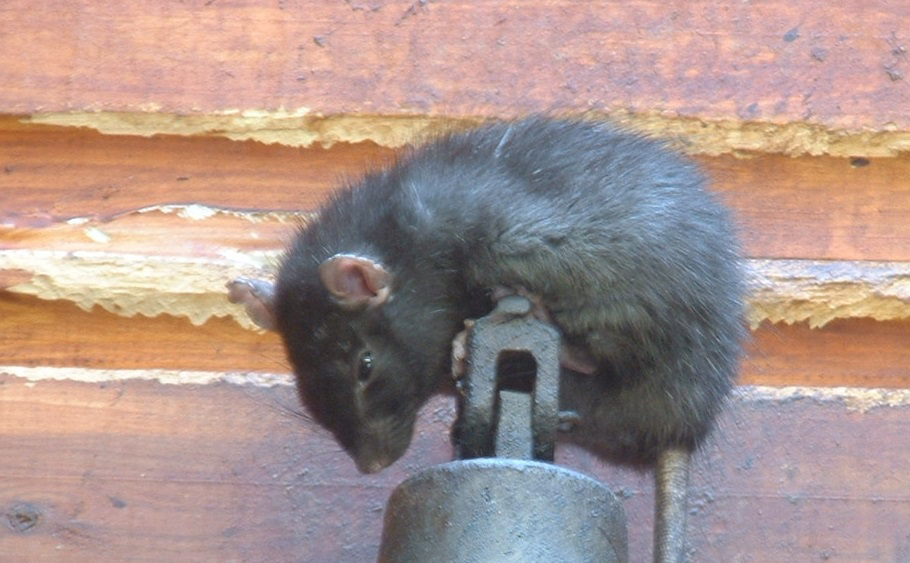
Investigation: Rat Dissection
Provides instructions for dissecting a preserved rat. Students start with the external anatomy, then locate muscles, bones, and then the major organs.
-
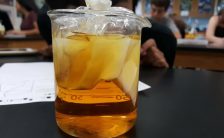
Investigation: Observing Diffusion & Semi-Permeable Membranes
Units on the cell will also include lessons about how the cell transports materials across the membrane. For beginning biology students who don’t have a strong foundation in physical science, the ideas of entropy, solutions, and concentrations can be overwhelming. Diffusion is easy to explain with a perfume bottle or food coloring. …
-

Toxicology Resources for the Biology Class
Resources for investigating how poison affects animal physiology. Students can read the “Poisoner’s Handbook” and perform experiments on worms.
-
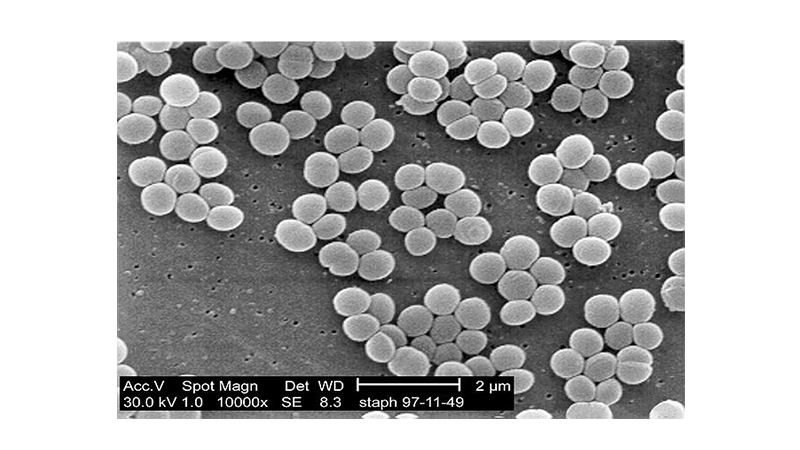
Case Study – Are Nanobacteria Alive?
In this case study, students review the evidence of scientists on both sides of the controversy questioning whether nanobacteria are living organisms.
-
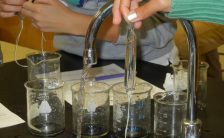
Investigation: Osmosis and Water Potential
Students models osmosis using dialysis tubes that contain different concentrations of sucrose. The tubes will gain water dependent upon the molarity of solution they are placed in. You can make sucrose solutions with table sugar, and instructions are included in the teacher’s guide to the lab. The second part of the investigation determine the…
-
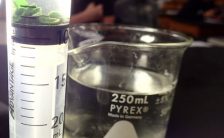
Investigation: Photosynthesis and Leaf Discs
As photosynthesis takes place, oxygen is released and causes the leaf to float. The number of floating disk is a measure of the rate of photosynthesis.