
Search results for: “option”
-
Are Bats Birds?
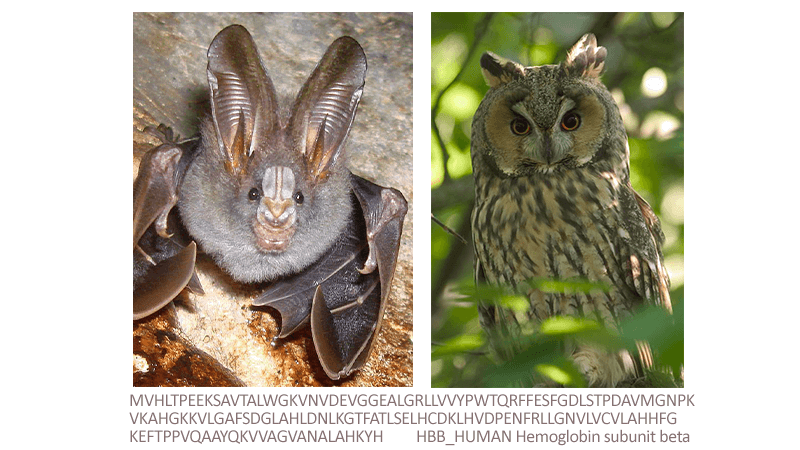
This activity gives AP students the opportunity to work with the protein database: UniProt by sequencing the protein hemoglobin in bats, birds, and other mammals.
-
Genetics of Sickle Cell
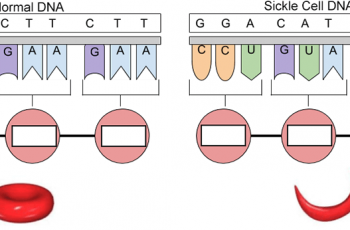
This assignment was created for students who miss class and can be completed independently. There are sections to read with questions to answer, focusing on how DNA provides the instructions to make protein. A single base substitution in the gene that codes for hemoglobin results in sickle cell anemia. Students are walked through the process…
-
Hardy Weinberg Problemset
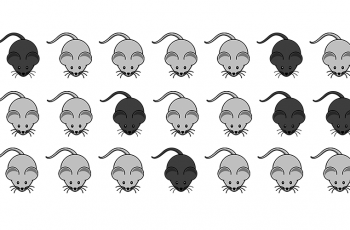
Hardy-Weinberg equilibrium (HWE) is a fundamental concept in population genetics that describes the theoretical relationship between allele frequencies and genotype frequencies in an ideal, non-evolving population. Students can practice using the Hardy Weinberg equilibrium equation to determine the allele frequencies in a population. This set of 10 questions gives students just enough information to solve…
-
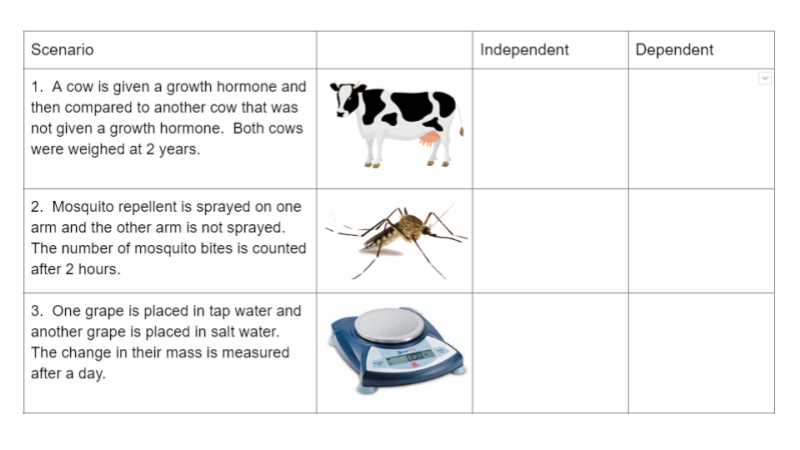
Independent & Dependent Variables Practice
Students reach short scenarios about scientific experiments. They identify the controls and variables in each story.
-
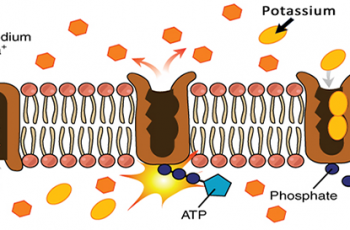
Cell Membrane Captions
Students examine images of transport across the cell membrane and identify key features such as the phospholipid bilayer, channel proteins, and receptors. Students then provide a title, such as “osmosis” and create a caption that describes the process being shown.
-
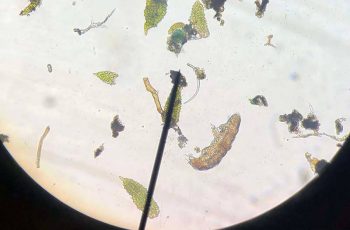
The Tardigrade Project
This project was created for AP Biology students where they scrape lichens from trees near campus and filter them over night so that tardigrades and other microorganisms can be collected from the water.
-
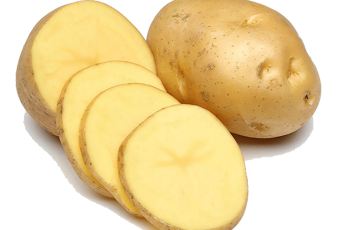
Investigation: The Effect of Salt on a Potato
Students observe how the mass of a potato slice changes when soaked overnight in salt water. The activity is intended to be done as part of a lesson on osmosis and hypertonic and hypotonic solutions. Students will need about 15 minutes to set up their cups, weigh their slices and make predictions about what they…
-
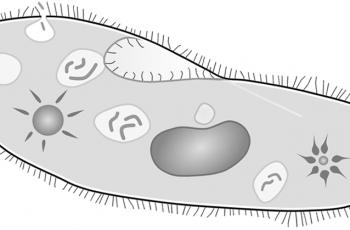
Comparing the Ameba to the Paramecium
With the adoption of NGSS, I’ve had to make cuts to some of the lessons that biology classes of the past enjoyed. I was sad to see it go, but we no longer do a unit on the Kingdom Protista, but I still manage to fit a microscope lab into other sections.
-
Macromolecules: Sketchnotes
In the past, I’ve had students create concept maps to help them organize the four macromolecules and related details. This year, I modified the assignment to try to encourage the use of sketching to help students remember the details. Students were asked to focus on one of the four macromolecules: lipids, carbohydrates, nucleic acids, or…
-
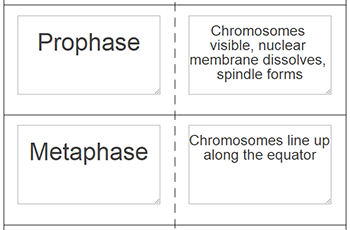
Flashcard Creators and Templates
If you teach a class that requires students to memorize information, then you have probably worked with students on developing strategies for memorization. I often tell my anatomy students that they might forget some of the details of what they have learned, but study strategies will stay with them through college. I could get…
-
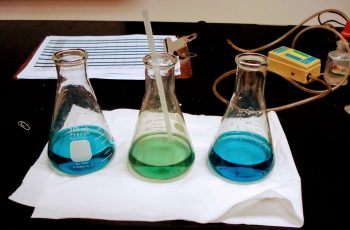
Demo: BTB and Carbon Dioxide
I have used this demonstration every year to introduce the scientific method. The worksheet below is optional and includes instructions for writing a lab report and doing a more involved investigation, but for the beginning of the year, I prefer to just have students observe and give their suggestions for how to test various hypotheses.…
-
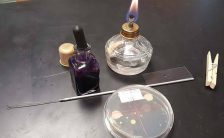
Investigation: Bacteria
This investigation asks students to take samples from the school and grow bacteria on agar plates. Students learn to use sterile technique to transfer and stain the bacteria and view under a microscope. Lab guide includes instructions for how to analyze and compare colonies and identify the three shapes of bacteria: bacillus, cocci, and…
-
Cow Eye Dissection
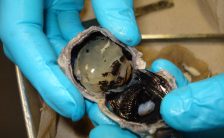
Students dissect a cow eye as part of a unit on anatomy or the senses. This guide contains step by step instructions on how to cut the eye and identify the major features. Cow eyes can be purchased from Amazon or biology supply companies. You can also use sheep eyes, which are slightly less expensive.…
-
Investigation: Rat Dissection
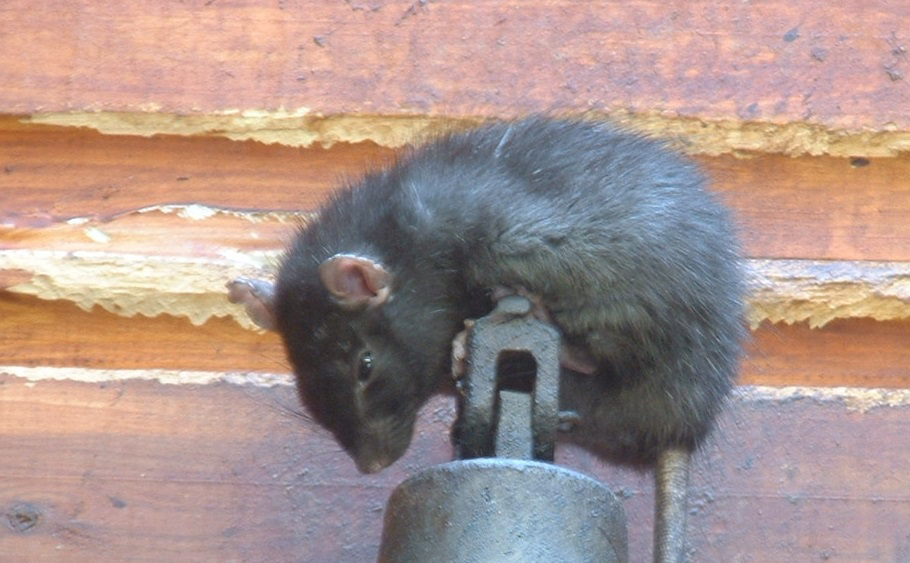
Provides instructions for dissecting a preserved rat. Students start with the external anatomy, then locate muscles, bones, and then the major organs.
-
Case Study – A Tiny Heart (old version)
Students examine the symptoms of a newborn baby who has a problem with his heart and suggest treatment options.