
Search results for: “advanced”
-
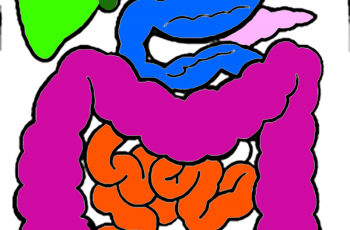
Model the Digestive System with Coloring
The digestive system is a series of organs that work together to break down food into nutrients that the body can use. The digestive system includes the mouth, esophagus, stomach, small intestine, large intestine, rectum, and anus. Coloring activities can be helpful to give students a chance to model the organ systems. I short, coloring…
-
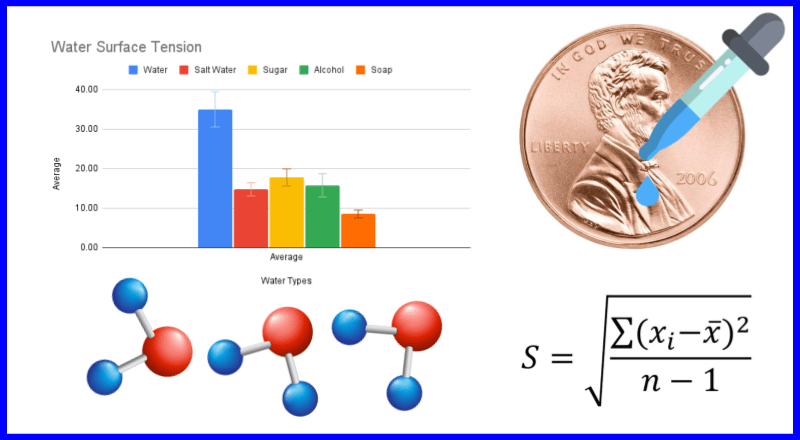
Investigation: Properties of Water (with Stats)
This investigation asks students to review the properties of water as they relate to life, usually a topic covered in the first or second chapter of most biology textbooks. Students then perform an experiment where they test the number of drops that can be placed on penny and compare that test to drops that…
-
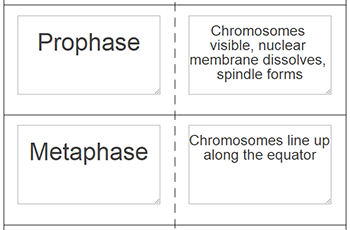
Flashcard Creators and Templates
If you teach a class that requires students to memorize information, then you have probably worked with students on developing strategies for memorization. I often tell my anatomy students that they might forget some of the details of what they have learned, but study strategies will stay with them through college. I could get…
-
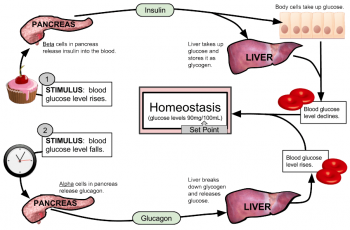
Feedback Loops: Insulin and Glucagon
The Next Generation Science Standards includes feedback loops and homeostasis as a standard for life science. While homeostasis is a theme for many units in biology, feedback mechanisms are fairly specific. In fact, this is probably the most oddly specific topic found in NGSS. If you are trying to include it, most younger students…
-
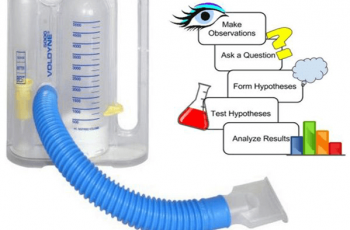
Investigation: Processes of Science
Students must develop their own causal question about what biological factors affect a person’s lung capacity, Then test their hypothesis using a respirometer.
-

How to Use a Spreadsheet to Create a Graph
High school teachers often assume that their students know how to use basic word processing programs, internet browsers, and spreadsheets. My students come to me with very little knowledge in how to do advanced tasks in those platforms, like inserting a graph or image. I created this assignment to give students an introduction into…
-
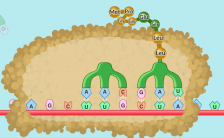
Manipulate DNA in a Simulation to Explore Mutations
This activity uses a simulation from the Concord Consortium. It shows how DNA is transcribed to RNA and then turned into a protein. It’s a very clear animation and can be used on its own as part of a lecture on protein synthesis. I have even used this as a demonstration to show protein folding…
-
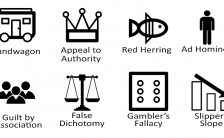
What Are Logical Fallacies?
This activity can be a good introduction to logic and how fallacies can undermine claims in an argument. This can be included in introductory lessons on the scientific method and instruction on how to formulate and support conclusions with data. I’ve also found this to be useful before lessons on evolution where we discuss myths…
-
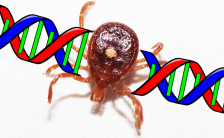
How Can Gene Editing Eliminate Lyme Disease?
This is a close reading and annotation exercise that can be completed in small groups. The article is an abridged version of “Rewriting the Code of Life” from the Annals of Science, January 2017. It includes concepts about transmission of pathogens and secondary hosts followed by an explanation of how CRISPR could be used to…
-
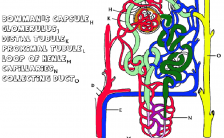
The Anatomy of the Kidney and Nephron
This coloring worksheet asks students to color the kidney to identify where structures like the medulla, cortex, renal vessels and ureters are located. Another image focuses on an individual nephron to identify the glomerulus, proximal and distal tubules, and the Loop of Henle. This worksheet is intended for advanced students of anatomy. Students will…
-
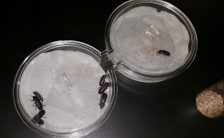
Investigation: Habitat Selection in Flour Beetles
This activity was modified from an Advanced Placement Investigation for use with freshman classes. The instructions are clear and require students to examine data and create a graph. Then students collect their own data using Choice Chambers and can choose which variables they would like to test: wet vs dry, water vs vinegar, light…
-
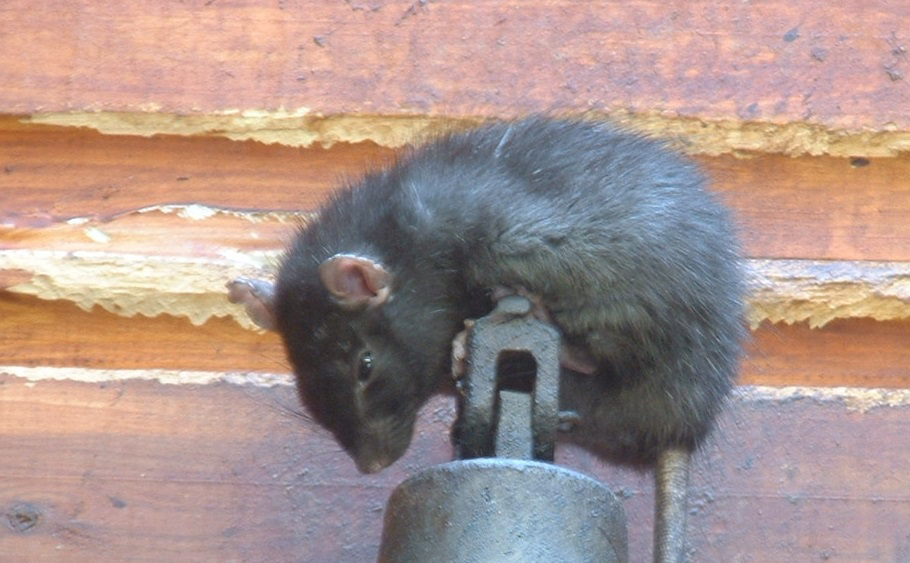
Investigation: Rat Dissection
Provides instructions for dissecting a preserved rat. Students start with the external anatomy, then locate muscles, bones, and then the major organs.
-
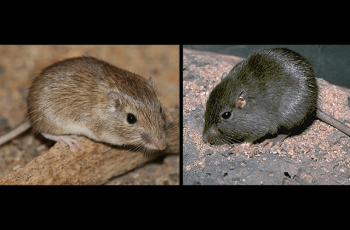
Evolution and the Rock Pocket Mouse (HHMI)
This activity was modified from the HHMI Activity on color variation in the rock pocket mouse which illustrates evolutionary concepts such as fitness, natural selection, and mutation.
-
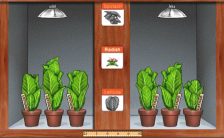
Photosynthesis Lab – How Light Color Affects Growth
A virtual simulator that shows how plant growth changes in response to the color of light. Students measure the heights of plants grown under different colors.
-
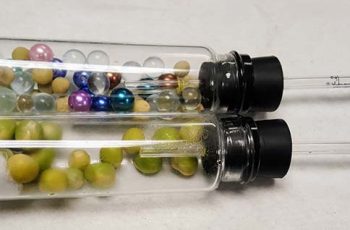
Investigation: Cellular Respiration
Students set up respirometers to measure the oxygen consumption of germinating peas in cold and warm water, and compared to a living organism.