
Category: Worksheets
-
Zoo Scavenger Hunt
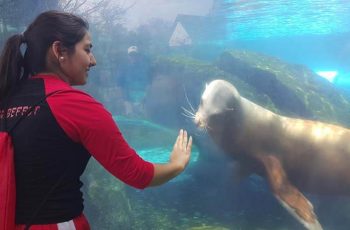
A scavenger hunt for the zoo. Students to find animals from the list and photograph them with their cell phones and upload them to Google classroom.
-
Investigation: How Can Diffusion Be Observed?
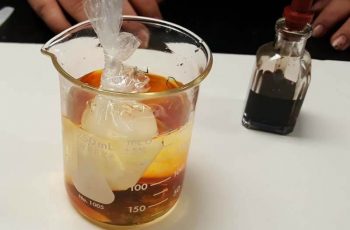
This investigation provides a hands-on way to observe what happens when a chemical moves across a semipermeable membrane. In this case, a cheap plastic bag serves as a model for the cell membrane and shows that iodine will move into the bag and turn the contents purple.
-
Create a Concept Map of Biomolecules
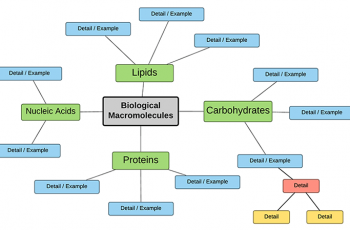
This activity asks students to work in groups to create a concept map (graphic organizer) on the biological macromolecules: carbohydrates, lipids, fats, and nucleic acids. Students are given brief instructions and a sample map to get them started, but they are responsible for determining what details are important in each section.
-
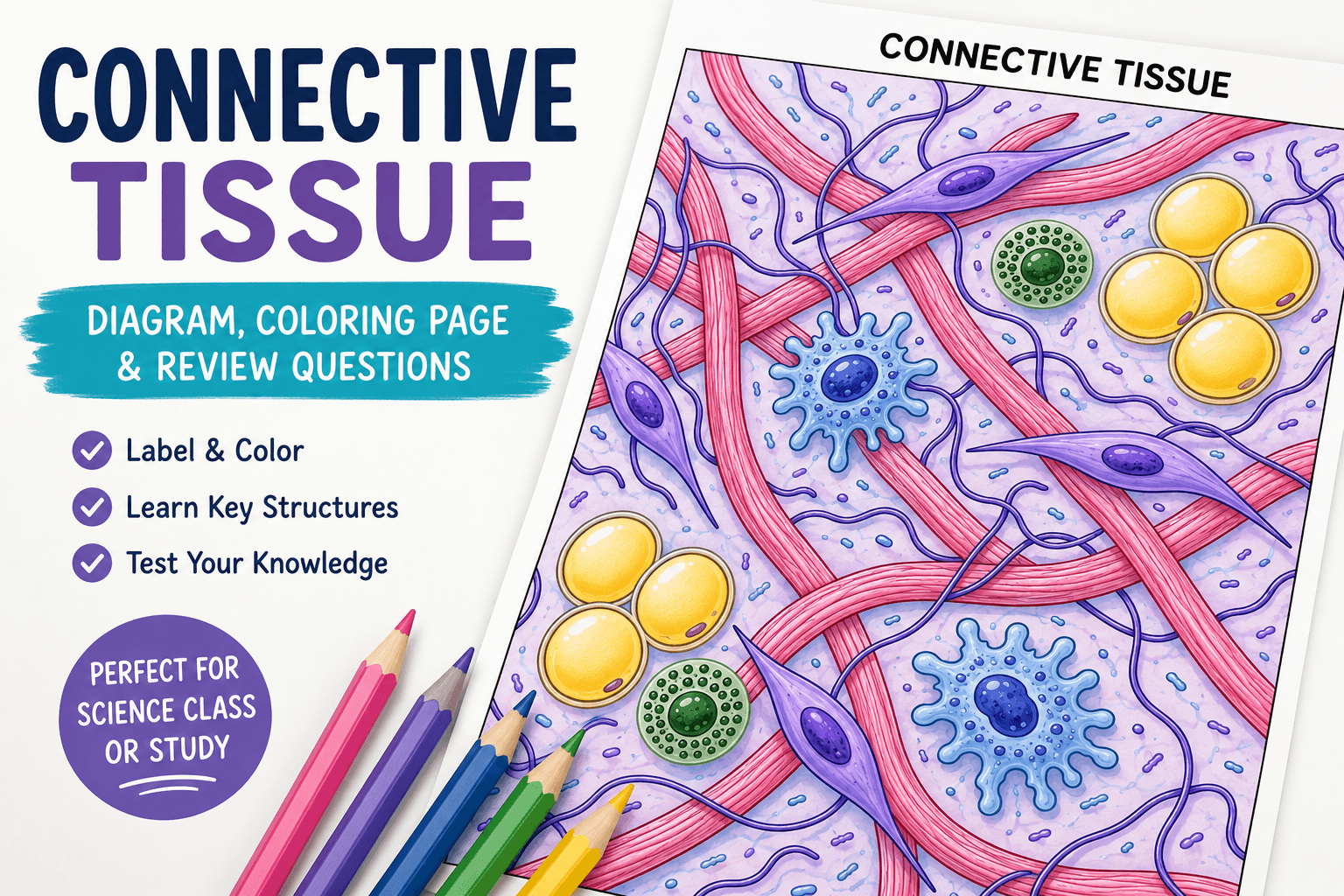
Color the Connective Tissue Matrix
This worksheet was designed for anatomy and physiology students to compliment a lesson on the body tissues. This coloring exercise is not intended to take very long and is mostly to help students gain an appreciation for the complexity of the matrix. The entire unit, which includes google slides and other resources can be seen…
-
Cell Labeling: Simple and Complex
Students practice labeling organelles on a simple model (2D) and a more complex model. The idea is for students to gain an appreciation for how cell diagrams are created. They don’t all look alike, and are often artistically created. Cell organelles tend to follow basic design rules, like the mitochondria will generally look like a…
-
Investigation: How Do Insects Move?
Have you ever thought about how insects with 6 legs actually crawl? Human movement on two legs is pretty simple: left-right-left-right, but all insects have 6 legs attached to a thorax. In this activity, I ask students to observe an insect closely, usually a dubia roach.
-
Using Anchoring Phenomenon with Lessons
Start lessons on osmosis with an activity and anchoring phenomenon. View cells exposed to salt and observe how they change!
-
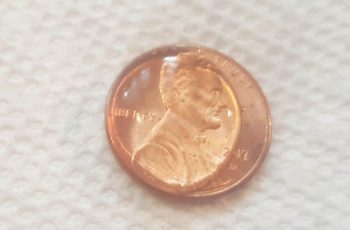
Penny Lab: Soap and Surface Tension
Most science classes begin the year with an exercise on the scientific method. It can be difficult to plan a short activity that will reinforce the main ideas of developing and testing a hypothesis. This lab is simple and doesn’t require much in the way of materials: pennies, water, and pipettes (and paper towels for…
-
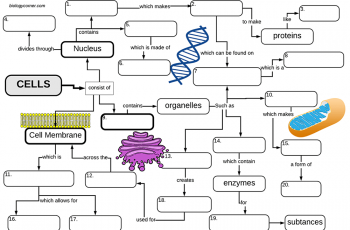
Cell Structures: A Graphic Organizer
This graphic organizer (concept map) organizes the cell structures around three main parts of the eukaryotic cell: the nucleus, cytoplasm, and cell membrane.