
Category: Worksheets
-
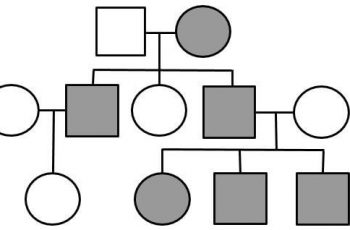
Pedigrees – Human Genetic Disorders
Students practice identifying genotypes on pedigree charts. Focus on human genetic diseases, such as albinism, dwarfism, tay-sachs, and sickle cell anemia.
-
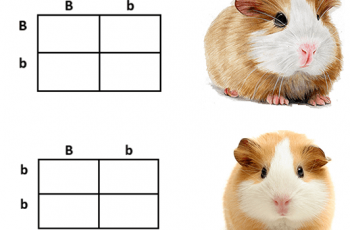
Genetics Practice Problems – Easy Mode
This worksheet was created for an introductory level biology class. This worksheet is designed to move through difficulty levels, so students start with “easy mode,” then moving to “normal” and then finally “hard mode.” Students can move at their own pace, which instructors can help students who are struggling.
-

Cellular Respiration Graphic Organizer
Students complete a graphic organizer that shows the process of cellular respiration.
-
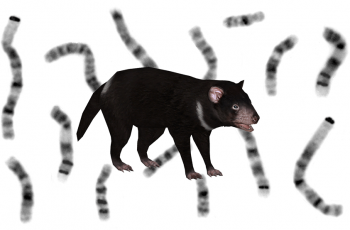
Karyotype of Tasmanian Devil Chromosomes
Students cut out each chromosome and organize them in pairs based on their patterns and size, they number them to determine the diploid number for the species and then consider a situation where the animal has an extra chromosome. Students must determine which set has the extra chromosome and consider the concept of trisomy.
-
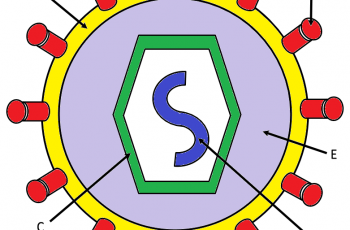
How Do Viruses Infect Cells (Coloring)?
A simple worksheet that explains how viruses infect cells which include diagrams to label and an image of a typical virus for students to color the envelope, proteins, DNA, and the capsid.
-
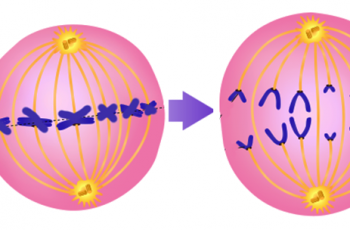
Reinforcement: Cell Division
This worksheet was created for an introductory biology class because they struggled with the difficult vocabulary associated with mitosis and the cell cycle.
-
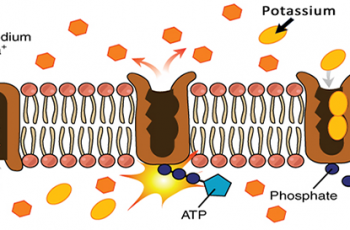
Cell Membrane Captions
Students examine images of transport across the cell membrane and identify key features such as the phospholipid bilayer, channel proteins, and receptors. Students then provide a title, such as “osmosis” and create a caption that describes the process being shown.
-
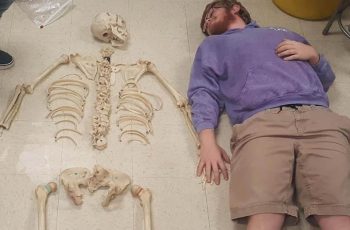
Estimate a Person’s Height from the Bones
In this activity, students use tape measures to estimate the length of their femur, ulna, and tibia. These lengths are then with an equation to estimate their height which can then be prepared to their actual height.
-
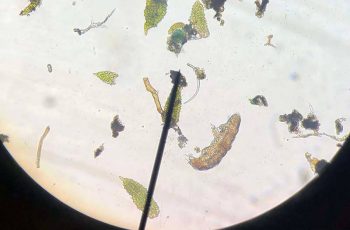
The Tardigrade Project
This project was created for AP Biology students where they scrape lichens from trees near campus and filter them over night so that tardigrades and other microorganisms can be collected from the water.