
Category: Worksheets
-
Bear, Species, & DNA
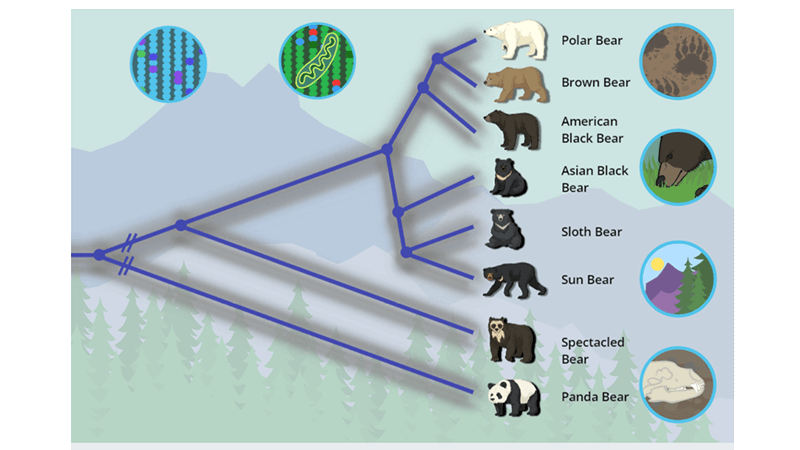
This activity was created during the Covid-19 pandemic for students to complete at home using the interactive explore at Learn.Genetics. The activity is probably best for 2nd year biology students or AP Biology, but it could potentially work with first year students. The questions aren’t hard, but the concepts can be difficult to grasp. The…
-
Case Study: Diaper Drama
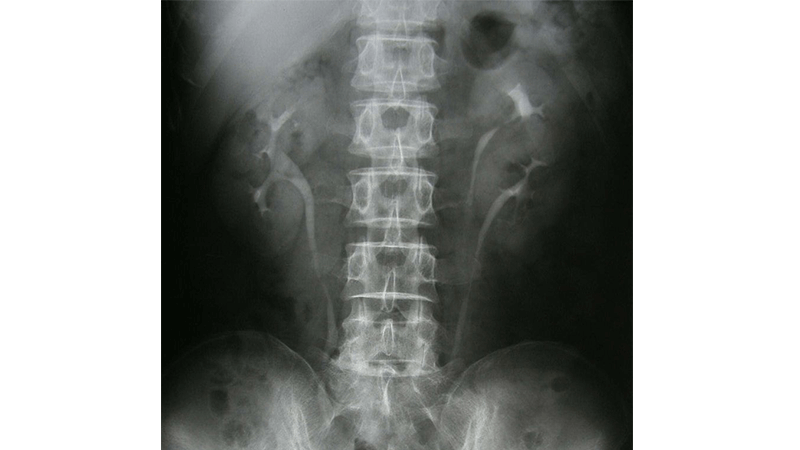
A case study on the urinary system. Students learn about a baby with recurring urinary tract infections due to a duplicate ureter.
-

Investigation: Villi Height
Use a Netlogo simulation to observe how different heights of villi within the intestine affect absorption rate. Change the height of villi or size of food.
-
Human Population Growth
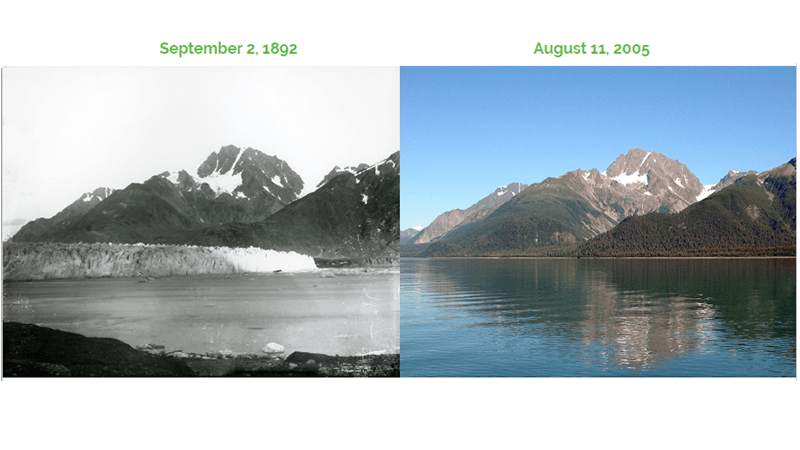
This activity was designed for home school during the Covid-19 pandemic. Students were completing a unit on ecology and had already done activities on trophic cascades. In this activity, students explore an interactive map and timeline that showcases major events in human history that impacted human populations, events like plagues or the development of new…
-

Saving a Fussy Predator, the Lynx
Read an article about the reintroduction of the lynx in Europe. A lynx is a type of feline. They are specialists, meaning that is has a very specific diet, the rabbit. Introducing the lynx poses challenges, but many people welcome its return. They are large cats, and can also pose a danger to livestock and…
-
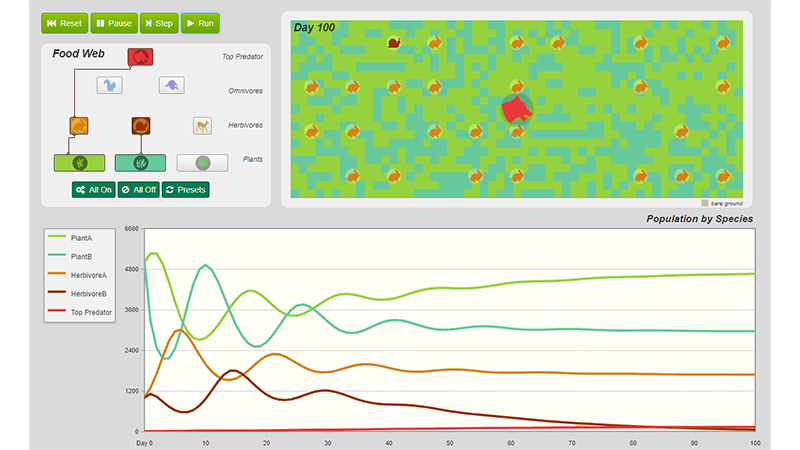
Predator Prey Simulation
Interactive program allows students to manipulate the type of organisms within a system and what they eat.
-
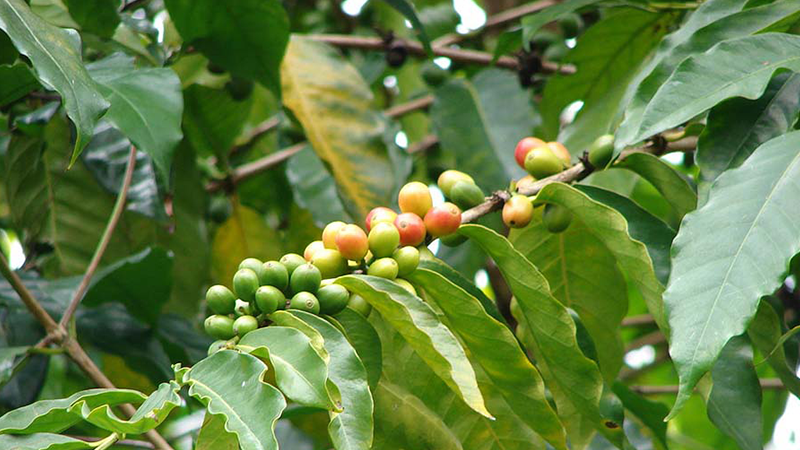
Evolution of Caffeine
In this activity, students access a database called UniProt that provides information about protein sequences derived from genome sequencing. Students search for the protein sequences of three plants that produce caffeine, Camellia sinensis, Coffea arabica, and Theobroma cacao (tea, coffee, and cocoa). They compare the protein sequences to determine if the gene to create caffeine arose independently…
-

Biological Magnification
This article discusses how toxic substances accumulate in top predators in an ecosystem, a phenomenon called biological magnification. This accumulation can have dire effects on those populations and can threaten the entire species with extinction. Students read background information on mercury and DDT and how those toxins are measured in PPM (parts per million). A…
-
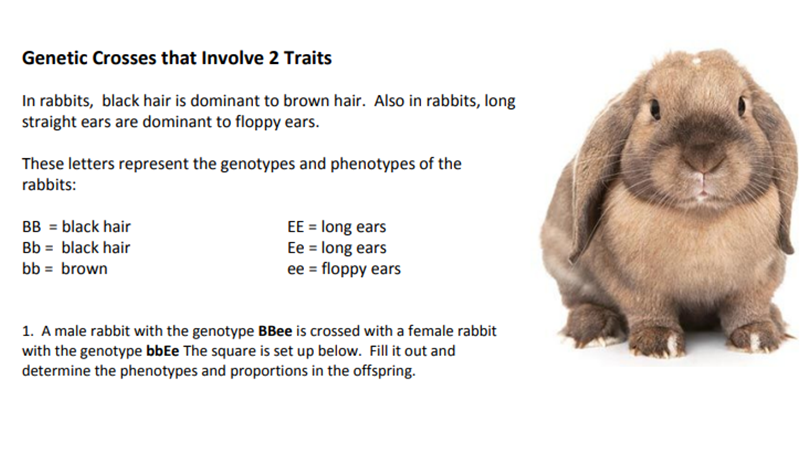
Genetics – Lop Ears
This worksheet allows students to practice doing genetic crosses that involve two traits. The first problem has the 4×4 Punnet square already set up. Once they fill out the square, they determine how many of the bunnies have floppy or long ears, and how many have black or pink noses. Note, these genetic traits are…