
Category: Worksheets
-
Investigation: Enzyme and Substrate Concentrations
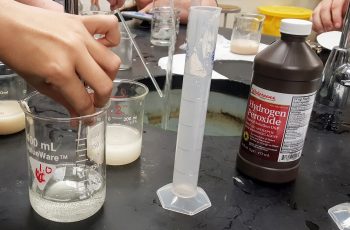
Students who complete the Enzyme Investigation lab can further explore enzymes with this lab on how concentrations of the substrate (hydrogen peroxide) and the enzyme ( catalase) can affect the rate of reaction. In the first experiment, students simply made a judgement about the amount of bubbling to indicate reaction speed, though this is a…
-
Case Study – The Tired Swimmer
This case study was modified from the National Center for Case Study Teaching in Science so that it is more appropriate for basic high school students in anatomy and physiology. This case is intended to be used during the chapter on muscles as it requires students to examine how the neurotransmitter, acetylcholine is used…
-
Mitosis – Internet Exploration
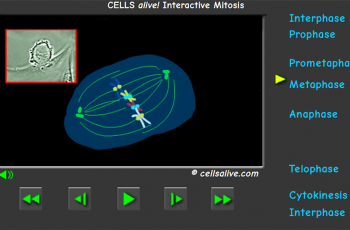
This assignment can be a stand-alone activity to help students learn to identify the phases of mitosis by viewing various animations. There are several sites to visit, where students perform tasks, such as labeling and making comparisons. Site 1: Bioman Mitosis Mover This is a game site where you progress through levels. Students can print…
-

Claim, Evidence, Reasoning (CER) Science Topics
A list of topics and articles for students to use to practice claim, evidence, and reasoning.
-
Macromolecules: Sketchnotes
In the past, I’ve had students create concept maps to help them organize the four macromolecules and related details. This year, I modified the assignment to try to encourage the use of sketching to help students remember the details. Students were asked to focus on one of the four macromolecules: lipids, carbohydrates, nucleic acids, or…
-
Cell Membrane and Transport
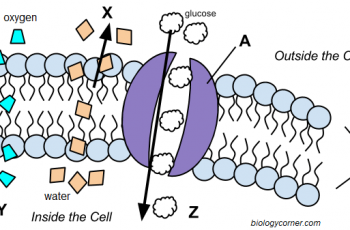
This reinforcement worksheet displays a graphic of the cell membrane showing the phospholipid bilayer and embedded proteins. Students identify structures within the bilayer and use reasoning to determine how molecules are moving across the membrane in response to a hypertonic solution. Worksheet was designed for freshman level biology classes who are studying osmosis and…
-
Explore Anatomy – Color the Bones of the Hand
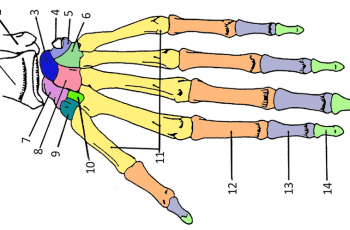
Learning anatomy can feel daunting, but there are plenty of ways to make it more engaging and interactive. One great way to help students understand the structure of the human hand is through a hands-on (pun intended!) coloring exercise. By coloring the bones of the hand, students can reinforce their understanding of how these structures…
-
McMush Lab
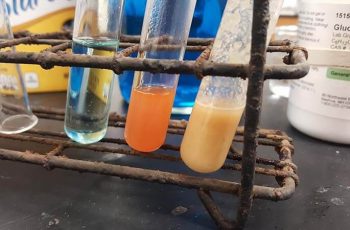
I designed this investigation for AP biology though it could be modified to work with students in introductory biology classes. First students learn the four macromolecules important to life: carbohydrates, lipids, proteins, and nucleic acids. They can then venture into the lab where they use indicators to test for the presence of these molecules in…
-
Investigation: Properties of Water (with Stats)
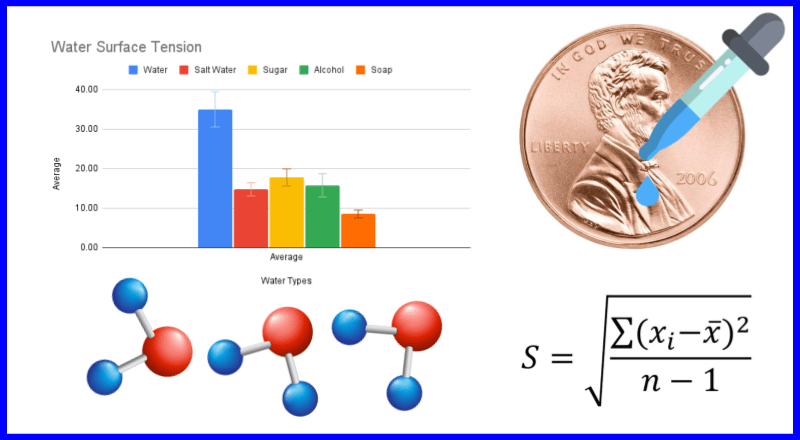
This investigation asks students to review the properties of water as they relate to life, usually a topic covered in the first or second chapter of most biology textbooks. Students then perform an experiment where they test the number of drops that can be placed on penny and compare that test to drops that…
-
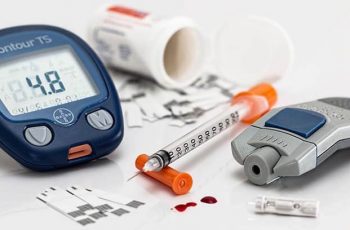
Case Study: Can a Virus Cause Diabetes?
This case asks students to examine data on children diagnosed with Type 1 Diabetes after reading a short story about a young girl who was losing weight and feeling thirsty. The content looks at a possible connection between diabetes and infection by the coxsackie virus, a virus that is responsible for “hand, foot, and mouth”…
-
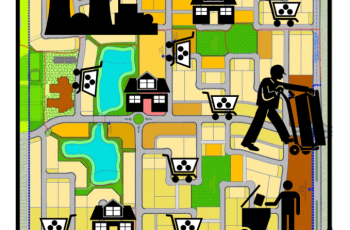
Cell City
This popular activity asks students to read a story about a fictional town where each part of the city is compared to the parts of a cell. For example: “Widgets are generally produced in small shops around the city, these small shops can be built by the carpenter’s union (whose headquarters are in town hall.)” In this…
-
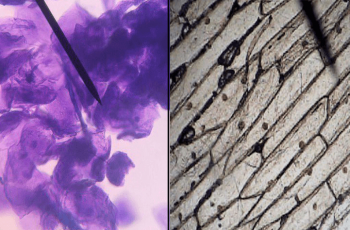
Investigation: Comparing Plant and Animal Cells
This simple investigation asks students to view cells under the microscope and compare differences between plant and animal cells. Students are instructed in the procedure for removing the epithelial cells of an onion and staining with iodine. These cells are fairly easy to see and most beginning students will have no trouble locating the…
-
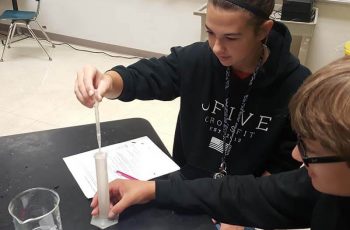
Investigation: Tools and Measurements
I designed this activity to help students become familiar with basic equipment found in the lab. Students take volume measurements using a graduated cylinder, beaker, and a 3ml pipette. Ultimately, they must determine how many single drops of water are in 1 milliliter by designing a way to test this given the tools provided.…
-
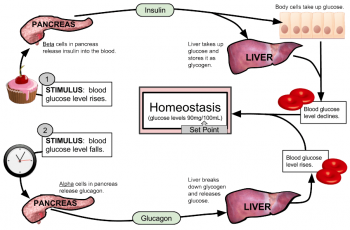
Feedback Loops: Insulin and Glucagon
The Next Generation Science Standards includes feedback loops and homeostasis as a standard for life science. While homeostasis is a theme for many units in biology, feedback mechanisms are fairly specific. In fact, this is probably the most oddly specific topic found in NGSS. If you are trying to include it, most younger students…
-
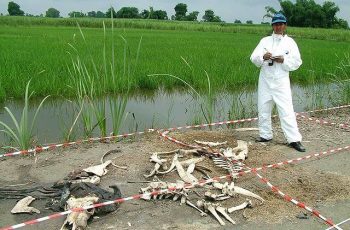
Article: The Body Farm
This article has been adapted to model standardized test questions students, where the article is divided into columns and each paragraph is labeled with a number. Students are required to find information in the text and analyze text structures. Readers are asked to used context clues to understand difficult vocabulary. Students must also make…