
Category: Genetics
-
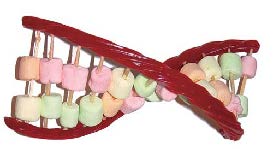
Construct a DNA Model Using Marshmallows
Use marshmallows and toothpicks to construct a model of DNA. Mini marshmallows represents the nucleotides, large marshmallows represent deoxyribose.
-

Case Study: Why Are There No Male Calico Cats?
This presentation case study asks two important questions regarding cat coloration: The case is presented as a slide presentation where students consider evidence and data related to cat coloration and chromosomes. Working in small groups, they discuss the case and eventually answer the two main questions. I usually collect their answers at the end of class…
-
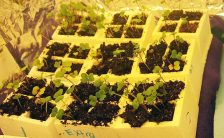
Inquiry in Genetics Using Wisconsin Fast Plants
Genetic Experiments can be intimidating for teachers due to the time and cost of breeding plants or animals in a classroom. These issues are further complicated in a public school setting which may have space issues, limited funds, and lack of access to labs. My favorite model for genetic experiments is the Wisconsin Fast…
-
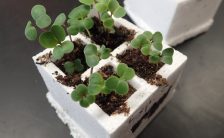
AP Biology – Investigation on Genetics with Plants
A modified AP Lab where students learn to grow plants from a seed, cross pollinate plants and conduct an inquiry investigation about plant genetics.
-
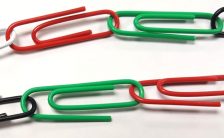
How Can DNA Replication Be Modeled?
Hands-on activity uses colored paperclips to model DNA double helix and show how semi-conservative replication takes place.
-
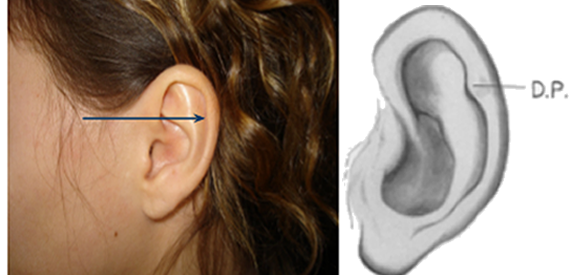
Human Traits Bingo
This activity is a good starter for genetics units. Students are often fascinated by traits that are visible. Lively discussions of human genetics will often include students asking tons of questions about what they view as “oddities.” Though, many of those traits would be difficult to establish as strictly genetics, it provides a good…
-
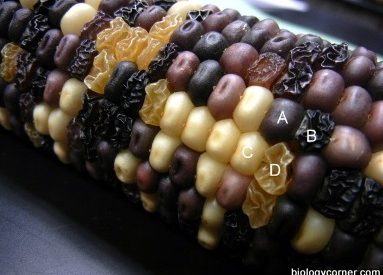
Corn Genetics and Chi Square Analysis
Students count kernels on an ear of corn. The corn is the product of a dihybrid cross, so that the phenotype of the kernels will follow a 9:3:3:1 ratio.
-

Dihybrid Crosses in Guinea Pigs
Teaching dihybrid crosses can be challenging because it involves layering several biological concepts, like independent assortment and statistics. This worksheet illustrates how gametes are formed from the parents and used to create a 4×4 punnet square that is used in basic genetic problems.
-
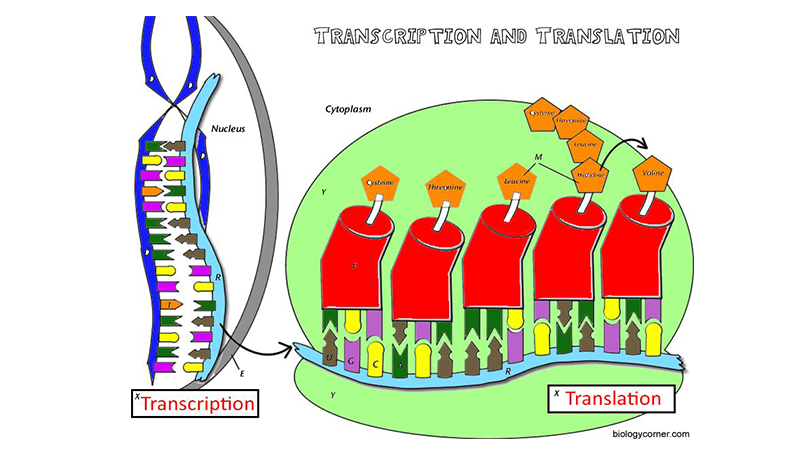
Learn Transcription and Translation by Coloring
Graphic shows the process of transcription and translation. Color the parts of the model as your learn about them!