
Category: Cell Biology
-
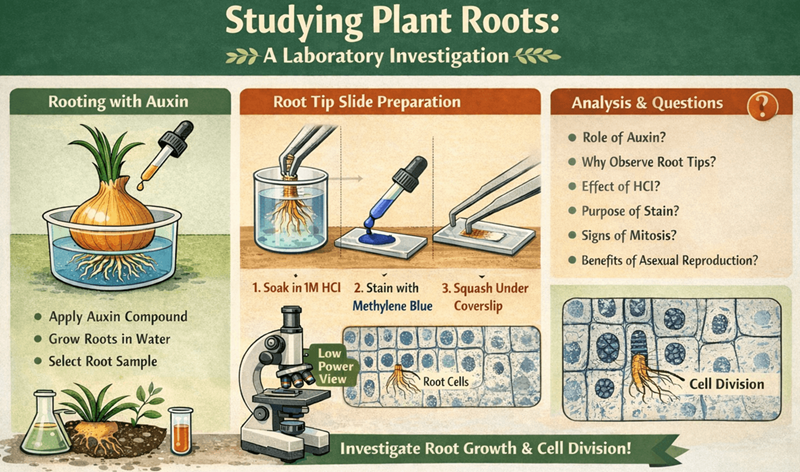
Investigation – Root Growth and Cell Division
Understanding plant hormones becomes much clearer for students when they connect hormone function directly to visible growth patterns, especially in roots of actively dividing tissues. In this classroom activity, students explore how auxin promotes root initiation, then view the dividing cells with a microscope. The introductory text explains how plant hormones work to stimulate root…
-
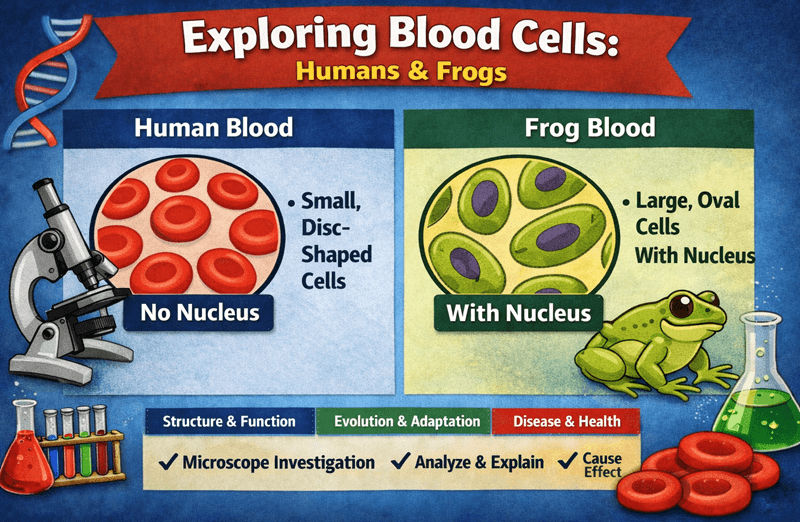
Lab – Comparing Human and Frog Blood Cells
In this hands-on microscopy lab, students investigate how blood cell structure varies across species by comparing human blood and frog blood. Using prepared blood slides, students observe red blood cells under the microscope. They document key differences in size, shape, and internal structures. Human red blood cells are small, circular, and lack a nucleus, an…
-
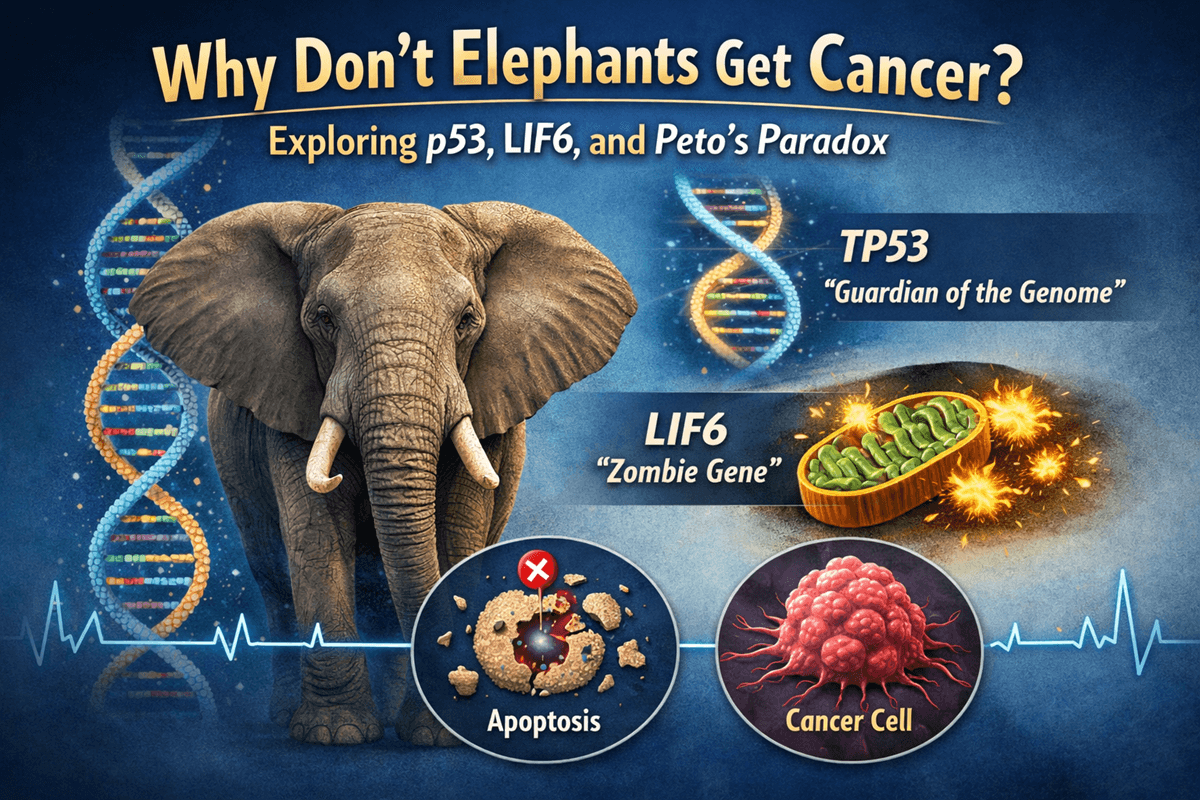
Why Don’t Elephants Get Cancer? – Peto’s Paradox
Looking for an engaging, real-world way to teach genetics, cancer biology, and evolution? This student-friendly article on why elephants rarely get cancer is a ready-to-use resource that brings abstract concepts to life using a fascinating biological mystery. This lesson centers on two powerful genes, TP53 (p53) and LIF6. Students explore how gene regulation, apoptosis, and…
-
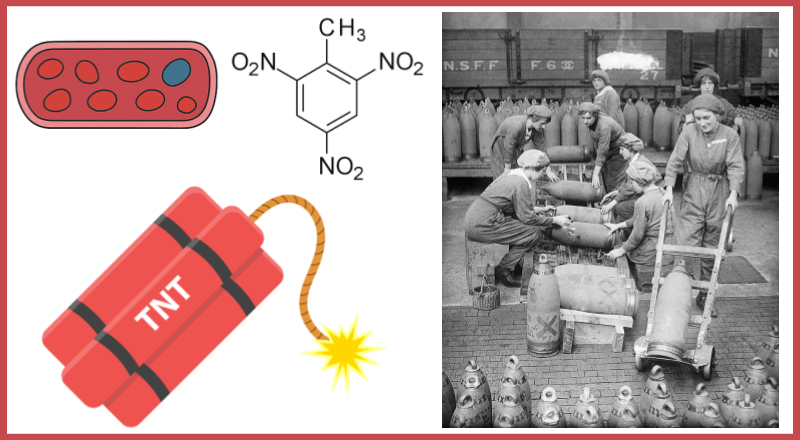
Case Study – Canary Girls and Toxicology
If you’re looking for a lesson that blends chemistry, physiology, history, and human stories in a way that truly resonates with students, the Canary Girls case study is a standout resource for your classroom. Based on the historical accounts featured in the book Canary Girls, this case study invites students to explore the real experiences…
-
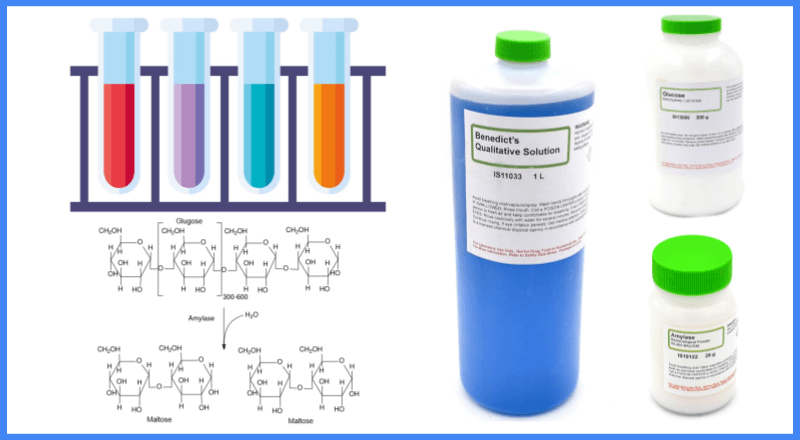
Investigation – Amylase and Carbohydrates
Are you looking for a way to give students a hands-on activity on biological macromolecules? This unit can be daunting for biology students because there is so much chemistry. This activity gives students a break from the vocabulary emphasis of the chapter and gets them into the lab and working with carbohydrates. Though I don’t…
-
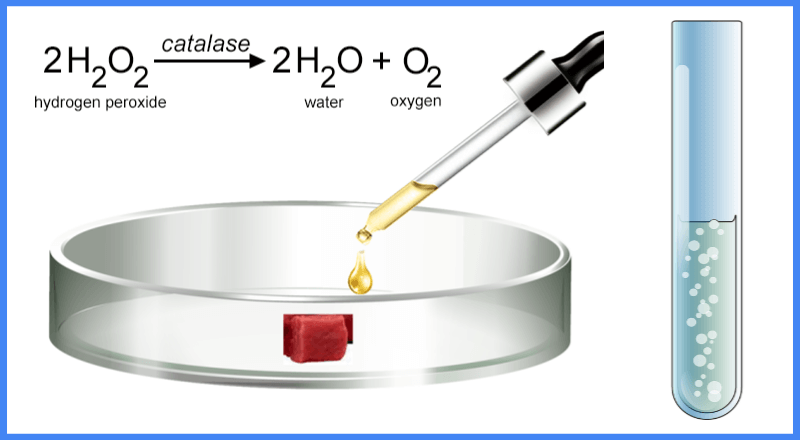
Lab: How Do Enzymes Work
Explore how enzymes work with this engaging lab. I redesigned this lab with freshman students in mind. The directions are simple. Students drop hydrogen peroxide onto raw liver, and observe the bubbling. The bubbles are oxygen as it is being released in the reaction. The lab handout includes a background section that explains how enzymes…
-
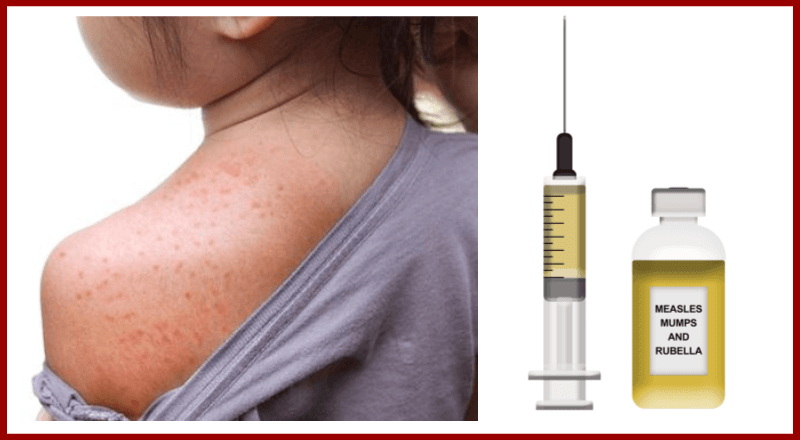
Case Study – Measles, Immunity, and Vaccines
How do you teach students that measles isn’t just “a childhood rash”? That it can erase years of immune memory—and even lead to serious complications like brain inflammation? Meet Maddie, the fictional but research-based subject of a new classroom case study. This resource brings science to life through narrative, helping students understand the biology of…
-
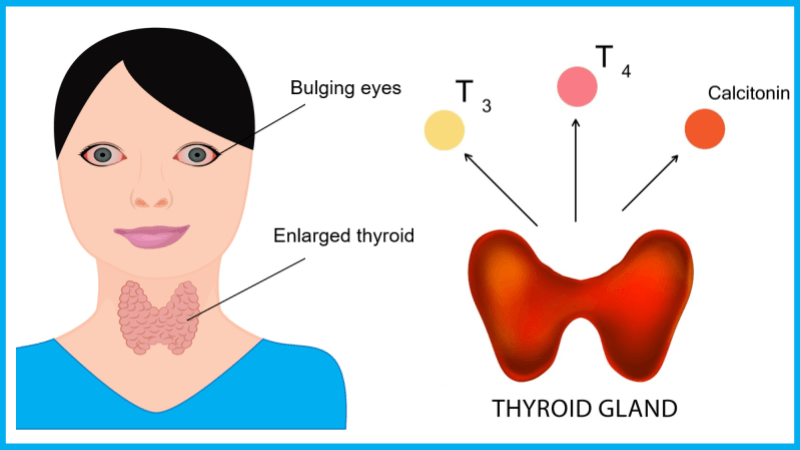
Case Study – A Grave Problem with the Endocrine System
Engage your students with a detailed, real-world case study about a young woman diagnosed with Graves’ disease. This activity introduces students to the endocrine system, focusing on the thyroid and pituitary glands. Learn about the autoimmune processes behind Graves’ disease. The story begins with a college student that is experiencing fatigue, heart palpitations, and weight…
-
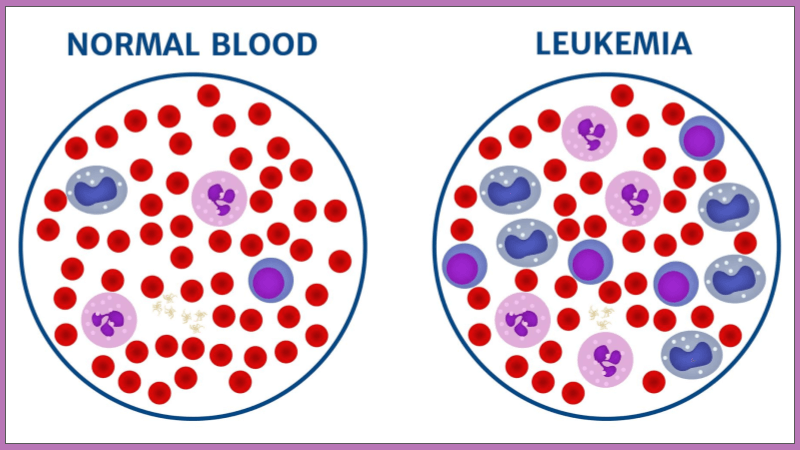
Case Study – Ethan’s Journey with Leukemia
Are you looking for an engaging way to teach high school biology? Real-world connections can make a huge impact on your students’ understanding of complex topics like the human body, cell function, and diseases. That’s why we’ve created Case Study: Understanding Leukemia Through Ethan’s Story—a resource designed to bring the science of leukemia to life…
-
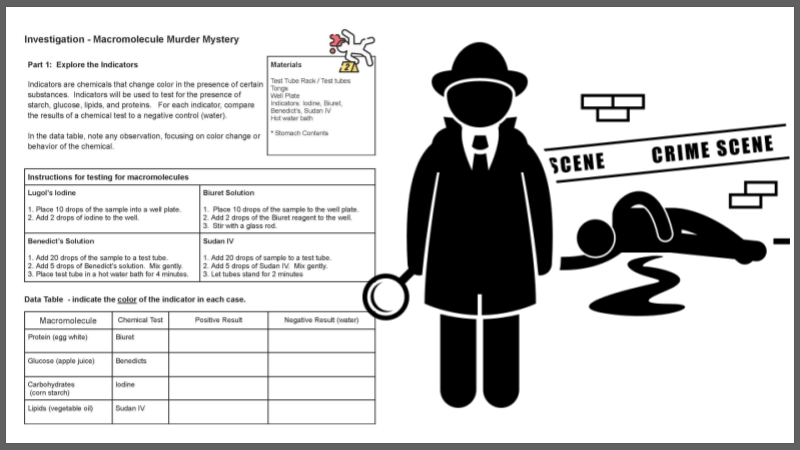
Murder Mystery Macromolecule Lab
If you’re looking for a creative and engaging way to teach biological macromolecules, look no further than this murder mystery lab activity. Students become forensic scientists, analyzing evidence to solve a crime. Using Lugol’s iodine, Biuret solution, Benedict’s solution, and Sudan IV, students will identify macromolecules in the contents of a victim’s stomach and match…
-
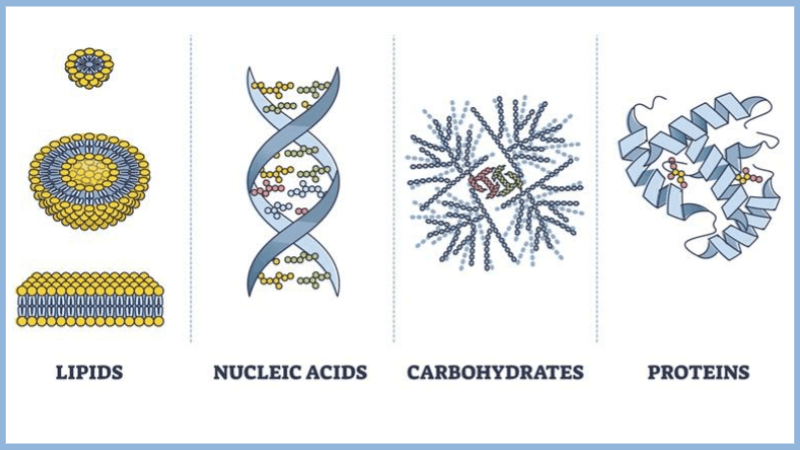
Biomolecules Practice and Reinforcement
Biological macromolecules are large, complex molecules essential for life, playing key roles in the structure, function, and regulation of cells. The four main types—carbohydrates, lipids, proteins, and nucleic acids—each serve unique and vital purposes. Students in AP Biology will need to know the properties of monomers and the types of bonds that connect them to…
-
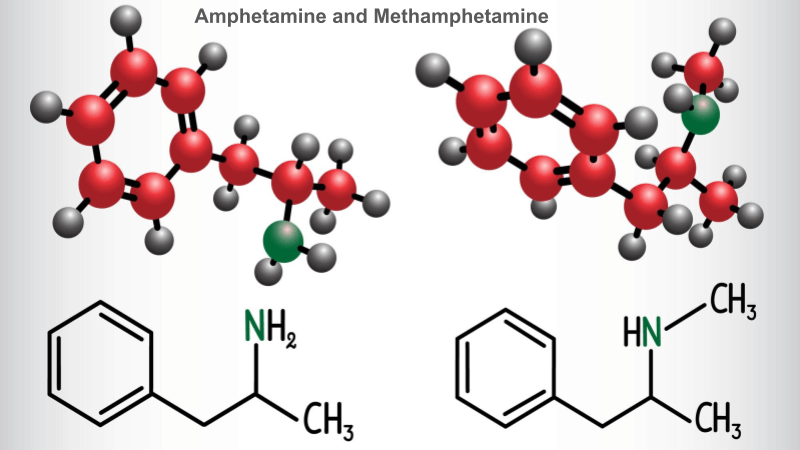
Exploring the Chemistry of Adrenaline
Explore the fascinating relationship between the structure and function of four important molecules: adrenaline, phenylephrine, pseudoephedrine, and methamphetamine. These compounds share a common framework but differ in their functional groups, which affects how they work in the body. By coloring the diagrams, students identify key features, such as hydroxyl and methyl groups. Small changes can…
-
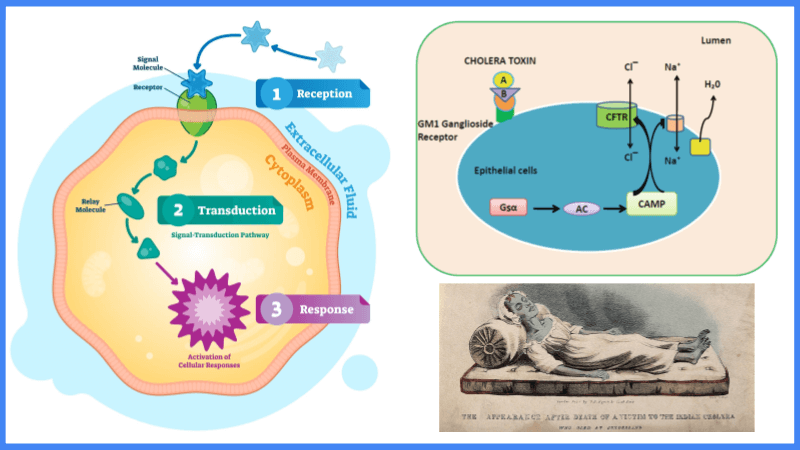
Cell Signaling – Comprehensive Unit Plan
Cell signaling is the process by which cells communicate with each other and respond to external stimuli, ensuring the coordination of vital biological functions. This system involves a signal binding to a receptor on a target cell, and triggering a series of intracellular events. These signaling pathways often include second messengers, protein kinases, and phosphorylation…
-
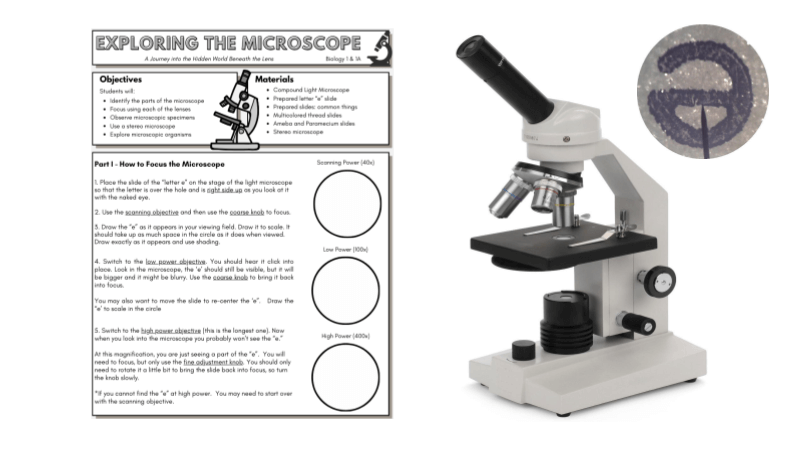
Exploring the Microscope – Canva Version
One of the most exciting tools in any science classroom is the microscope. For many students, it’s their first real glimpse into a hidden world that is usually out of reach. Microscopes open up an incredible, intricate universe filled with tiny details that tell the story of life at its smallest scales. Teaching students to…
-
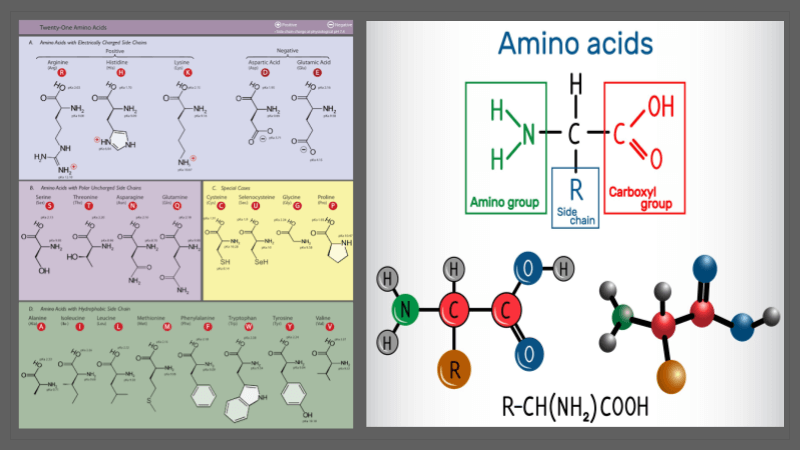
Amino Acid Card Sort – Classifying Groups
In this interactive activity, students will classify the 20 amino acids based on their chemical properties using cards that display each amino acid’s name. The cards include the chemical formula and side chain (R-group) structure. Recall that each amino acid consists of a central carbon atom, bonded to an amino group (NH2) and a carboxyl…