
Category: Anatomy
-
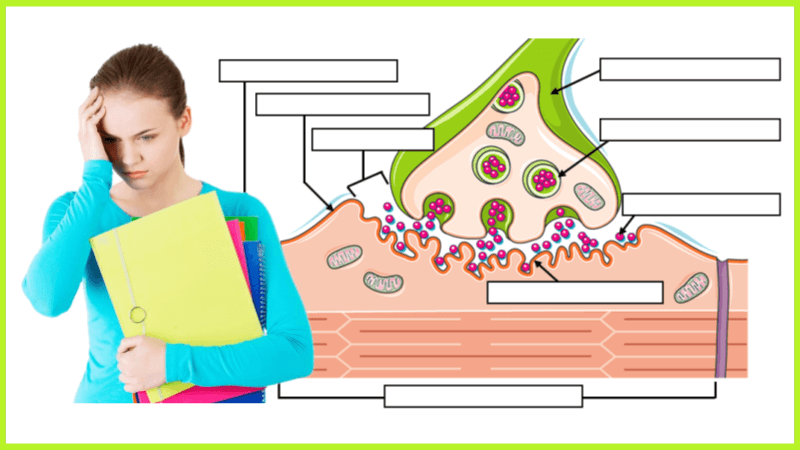
Case Study – The Mystery of Muscle Weakness
Bring neuromuscular disorders to life in your high school anatomy classroom with this case study on myasthenia gravis! Designed to illustrate the complex interactions between nerves, muscles, and the immune system, this resource uses the story of a relatable character, Elena, to make advanced anatomy concepts accessible and engaging. Discover why Elena is feeling tired…
-
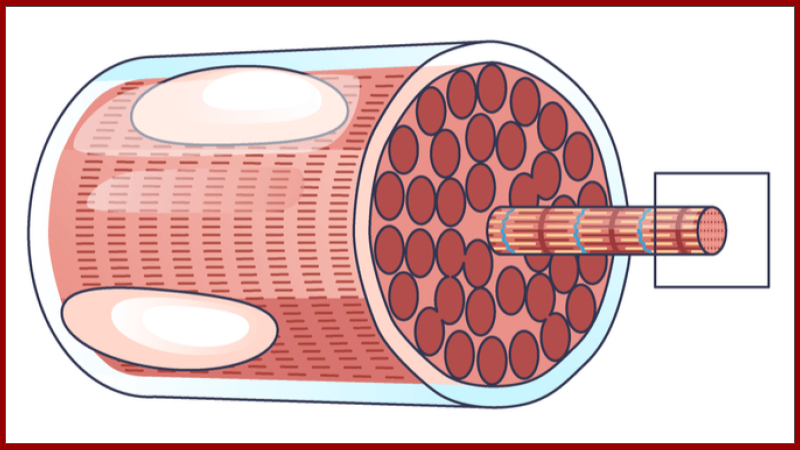
Labeling for Understanding Muscle Structure
Muscles are more than just the engines behind movement—they are complex structures that perform critical roles in our bodies. For anatomy students, getting a firm grasp of the detailed structure of muscles is essential. This worksheet helps students visualize the intricate components of muscle fibers and how they work together to produce movement. A detailed…
-
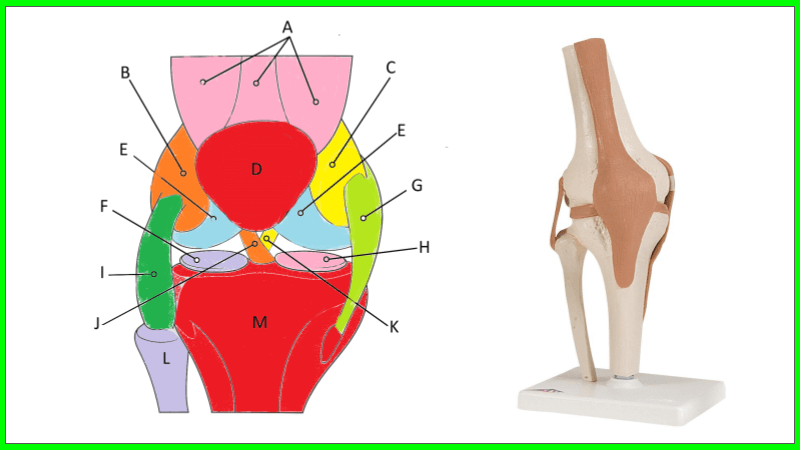
Understanding Knee Anatomy with Coloring
The knee is a complex joint that allows us to walk, run, jump, and move with ease. It connects the thigh bone (femur) to the shin bone (tibia). Ligaments connect the bones are are essential for stability of the joint. In fact, common injuries to the knee occur in sports, such as a tear to…
-
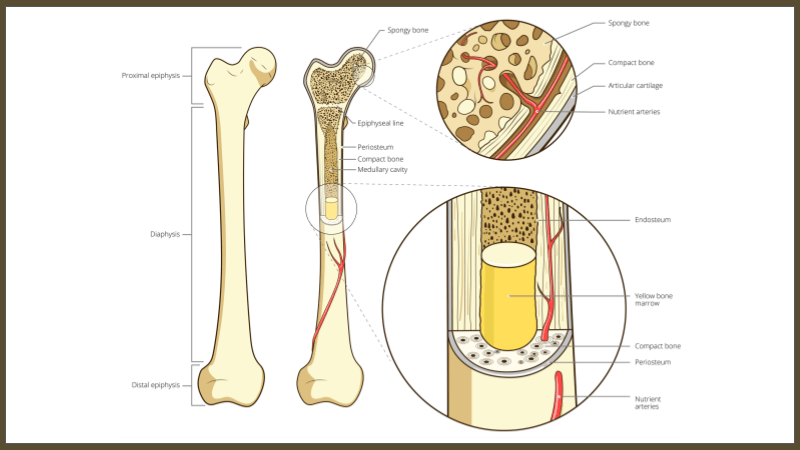
Bone Anatomy: Activities for Students
To fully understand how bones function, it’s essential to look at the structure of a long bone. Long bones, like the femur or humerus support the body’s weight and facilitate movement. They have several distinct layers and regions, each with a specific role. Within the bones, microscopic cells called osteocytes create the rings and the…
-
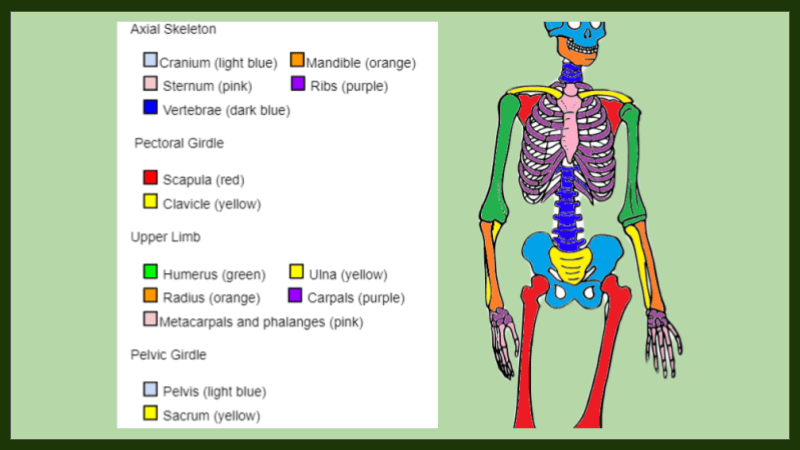
Fun Coloring Activities to Learn the Skeleton
Learning the names of the bones in the human body might sound like a challenge, but what if you could turn it into a creative and hands-on activity? That’s where coloring worksheets come in! By coloring detailed pages of the human skeleton, hand, foot, and skull, students can visualize the skeletal system and learn to…
-
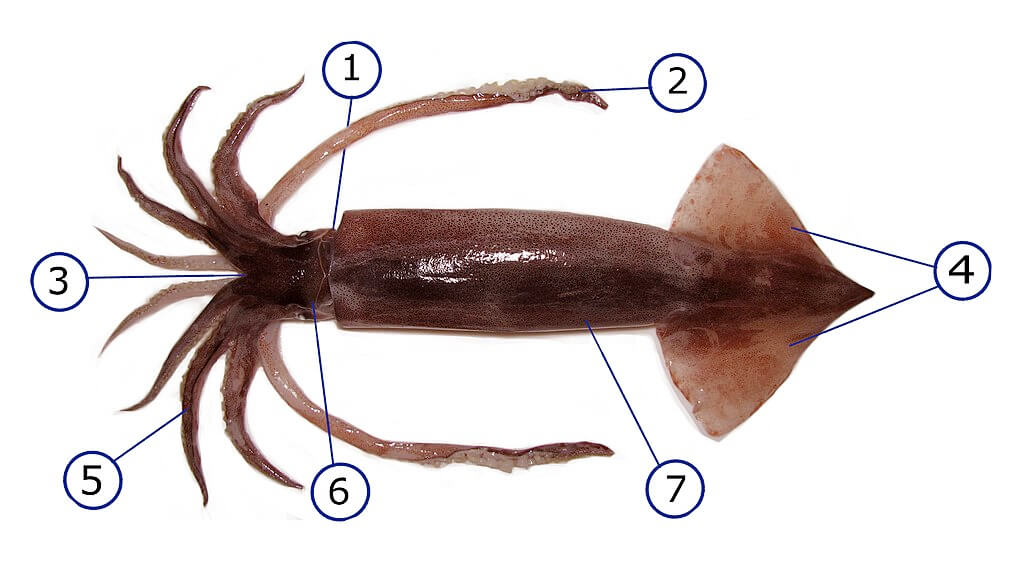
Exploring the Anatomy of a Squid
Explore internal and external anatomy of the squid with this hands-on guide perfect for educators and students, with detailed instructions and images.
-
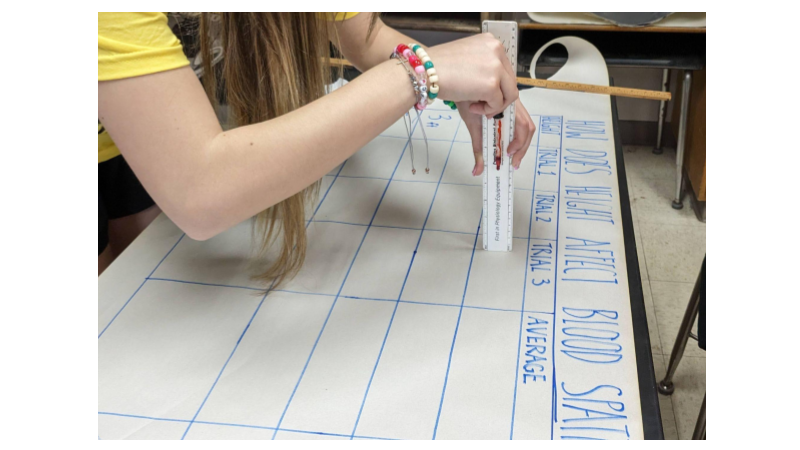
Forensics Lab on Blood Spatter
Explore forensics with this lab on blood stain analysis. Use fake blood to determine how height affects the diameter of the stain
-
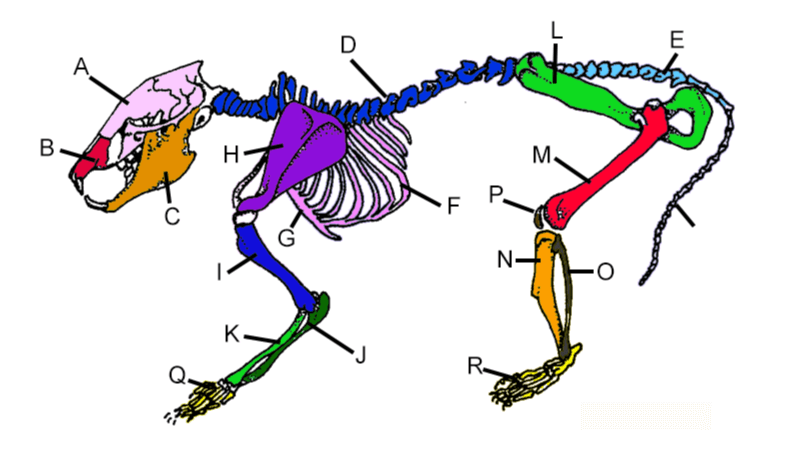
Explore the Skeleton of the Rat with Coloring
Students learn the skeletal system by coloring a diagram of a rat skeleton. Worksheet includes descriptions and locations of each of the bones of the skeleton. The rat skeleton is similar to the human skeleton!
-
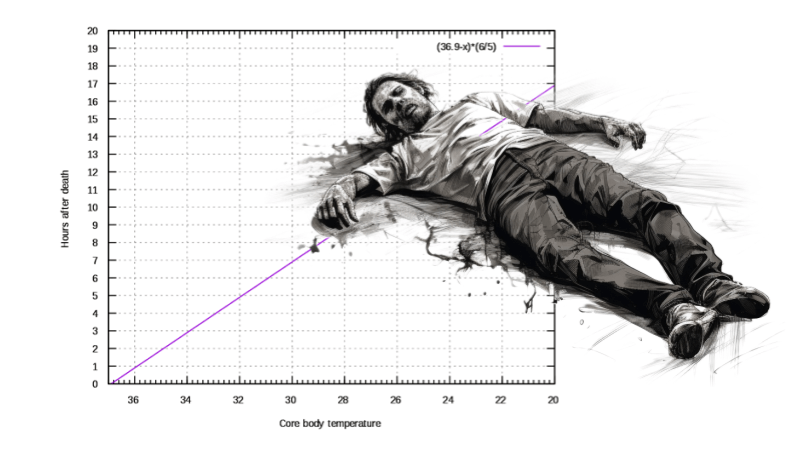
Forensic Activity – Calculating Time of Death
Student activity on forensics where time of death is calculated with an equation or graph.
-
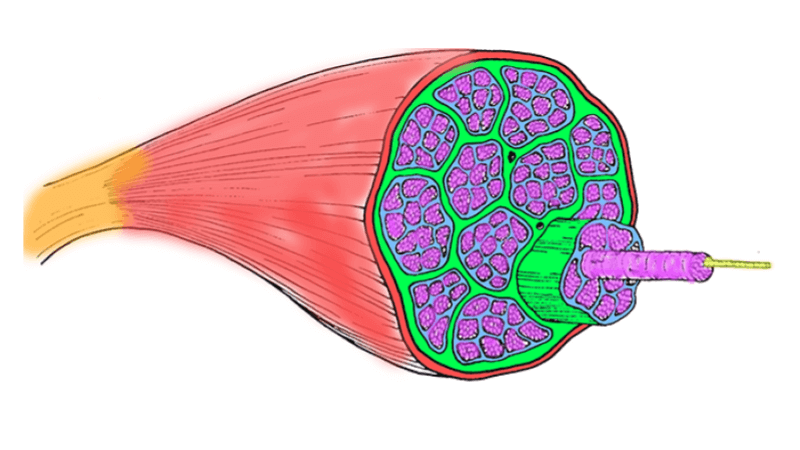
Muscle Anatomy and Coloring
Students practice naming parts of the muscle by matching terms to definitions and coloring a muscle.
-
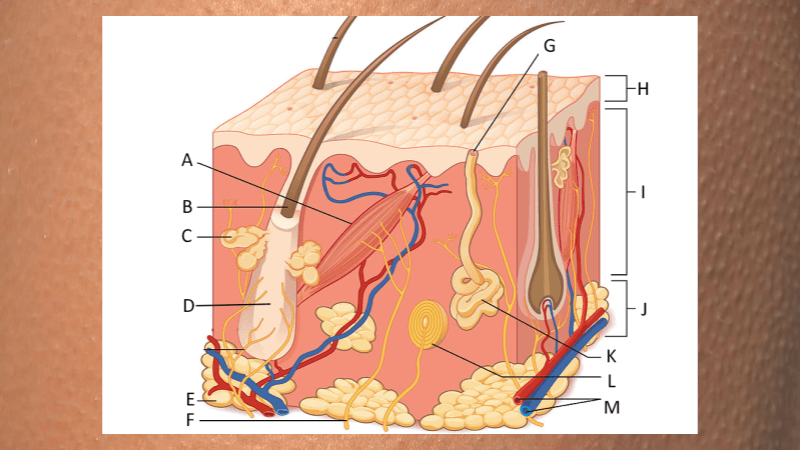
What Causes Goosebumps? – Anatomy of Skin
Students label an image showing the cross section of skin. Text explains what each structure does and focuses on the phenomenon of goosebumps.
-
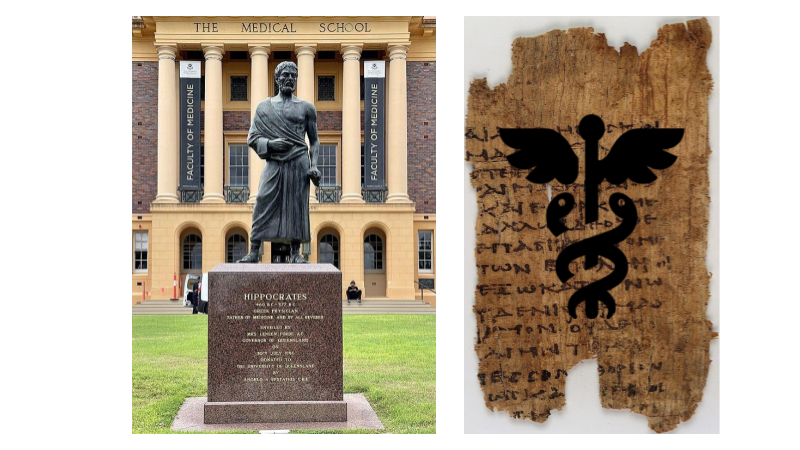
Hippocratic Oath for Anatomy Students
Students read the Hippocratic oath and rewrite the tenants in a simpler form. Working in groups, they discuss each tenant.
-
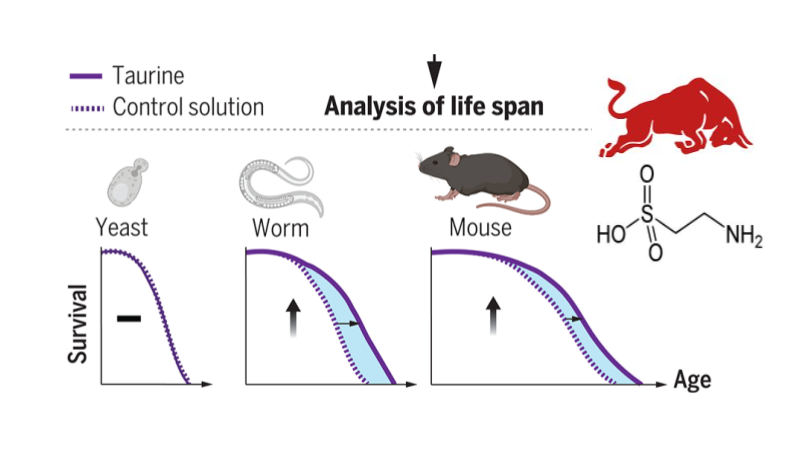
Interpreting Diagrams – Taurine and Aging (CER)
Students analyze a graph showing the effects of the amino acid taurine on aging. The data is from a primary source. Identify claim, evidence and reasoning.
-
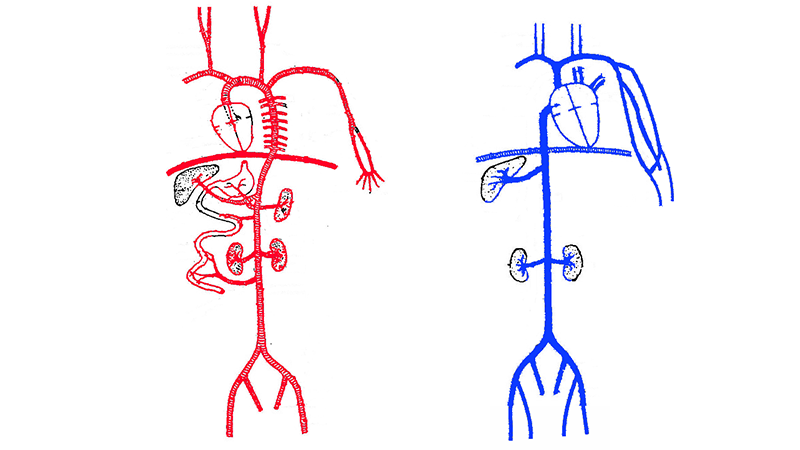
Label the Arteries and Veins of the Circulatory System
Students label a basic drawing of the arteries and veins using a word list. Students are encouraged to mentally map the vessels rather than memorize drawings.
-
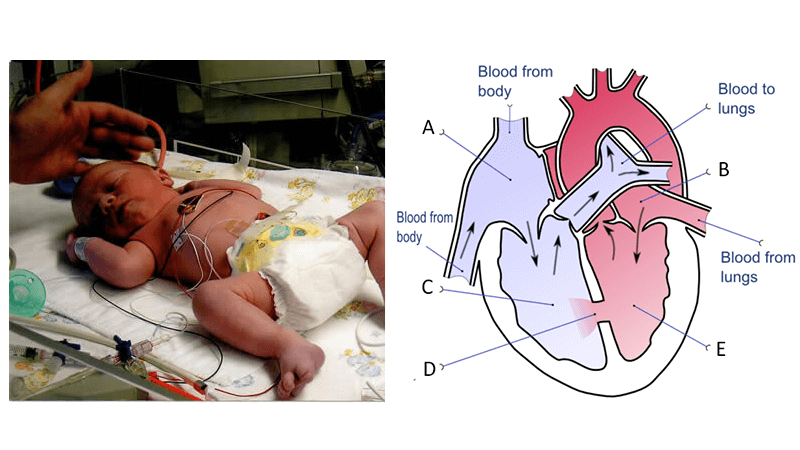
Updated Case – A Tiny Heart (Ross Procedure)
Case study exploring a heart defect in a newborn. Baby Lucas first undergoes balloon dilation to improve blood flow and later has his valve replaced.