
Author: Shannan Muskopf
-
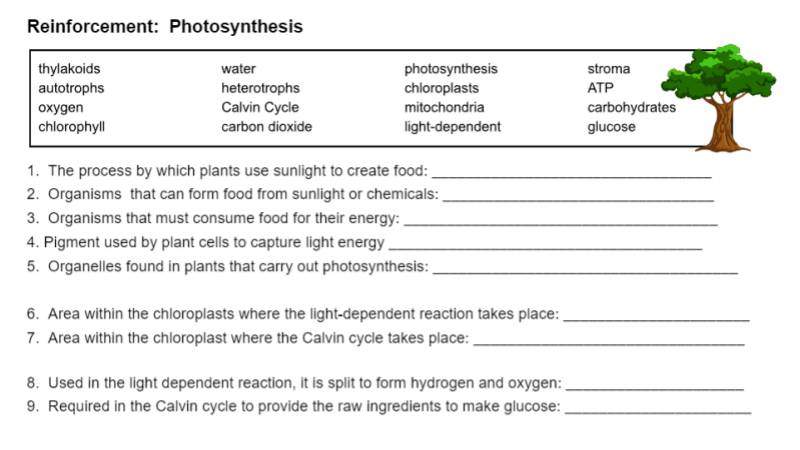
Reinforcement: Photosynthesis
This simple photosynthesis worksheet has a list of vocabulary words that students match to their definitions. Great for review and reinforcement!
-
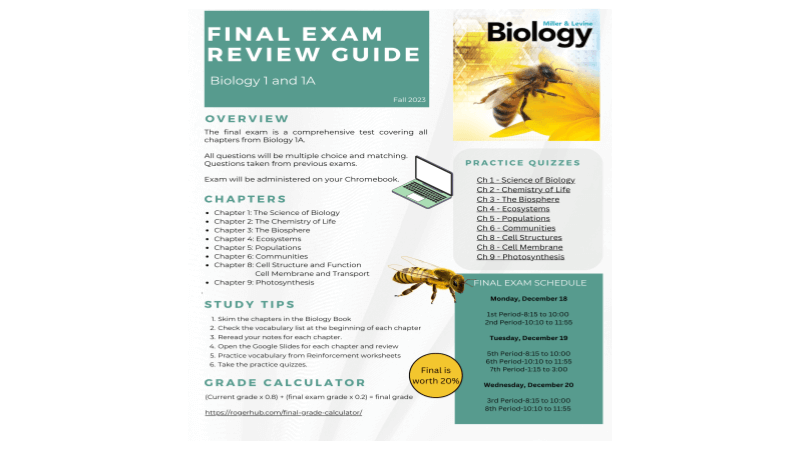
Biology 1 Final Exam Review Guide (Bee Book)
Study for your biology final exam with these comprehensive resources! Access study guides, practice tests, and key materials to ace your test!
-
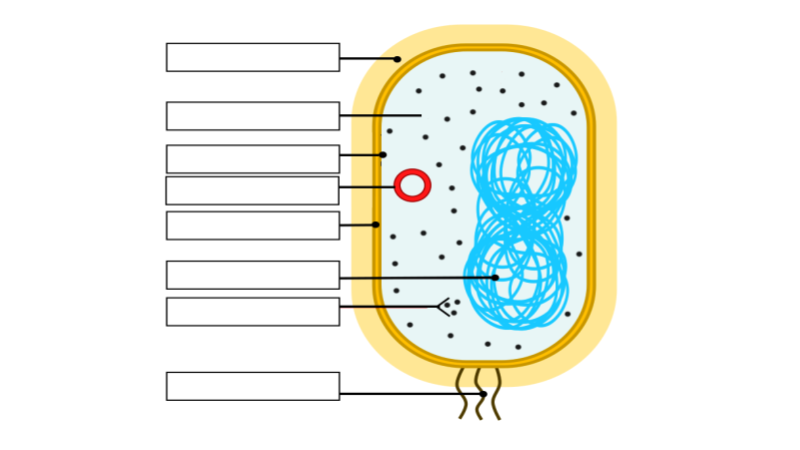
Label a Bacteria Cell
A short activity on bacteria cell form and function. Students label a diagram of a bacteria cell and answer questions.
-
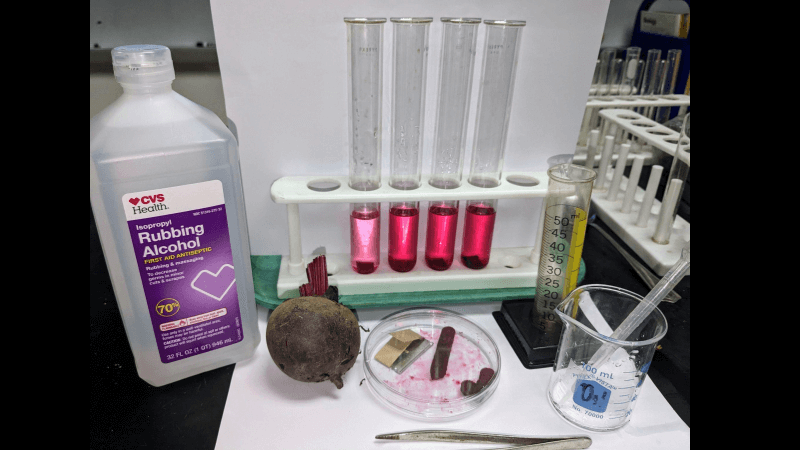
Use Beets to Explore Membrane Permeability
Students test the effects of pollution on membrane permeability using beetroot cores.
-
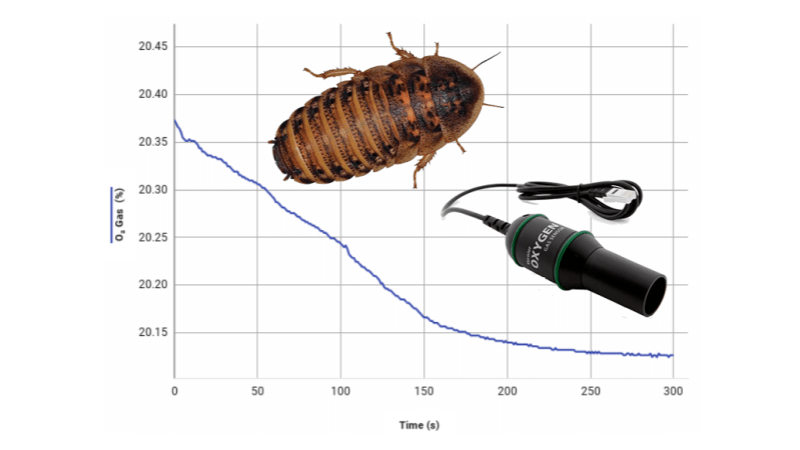
Inquiry Lab on Photosynthesis and Respiration
Discover how plants produce oxygen and energy through photosynthesis, and witness cellular respiration as it consumes oxygen. Engage in hands-on experiments, measuring real-time changes in oxygen levels.
-
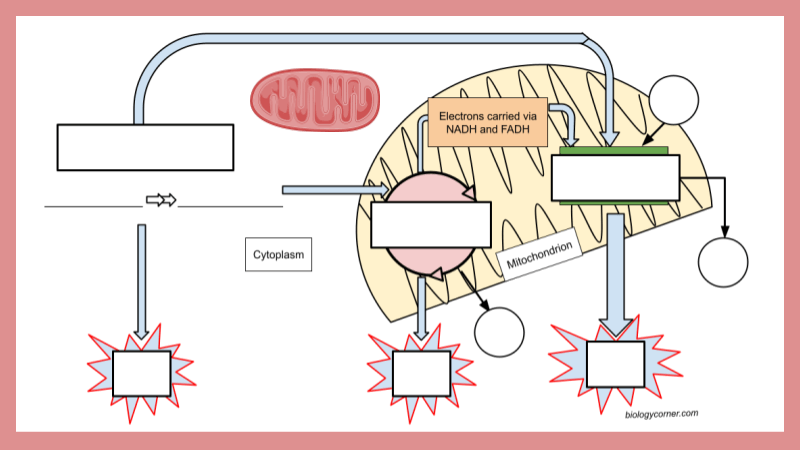
Cellular Respiration Overview
Explore the intricacies of cellular respiration with this engaging worksheet designed for students. Covering glycolysis, the citric acid cycle, and the electron transport chain
-
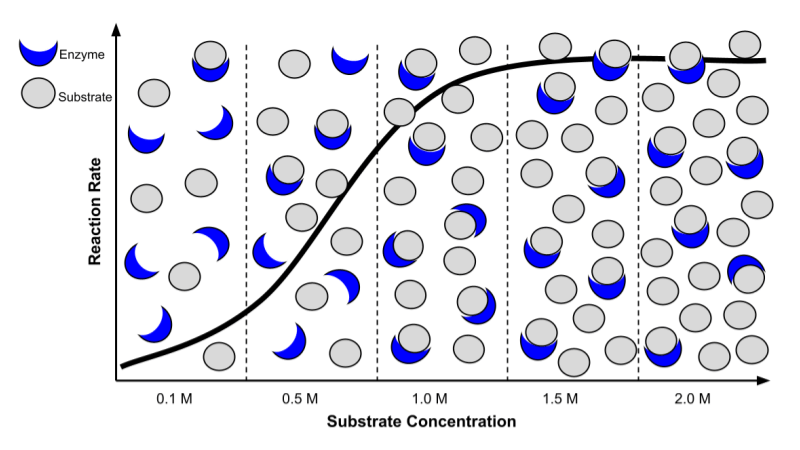
Enzyme and Substrate Concentrations
Students examine graphical models of enzyme and substrate interactions showing how the speed of reactions changes with concentration.
-
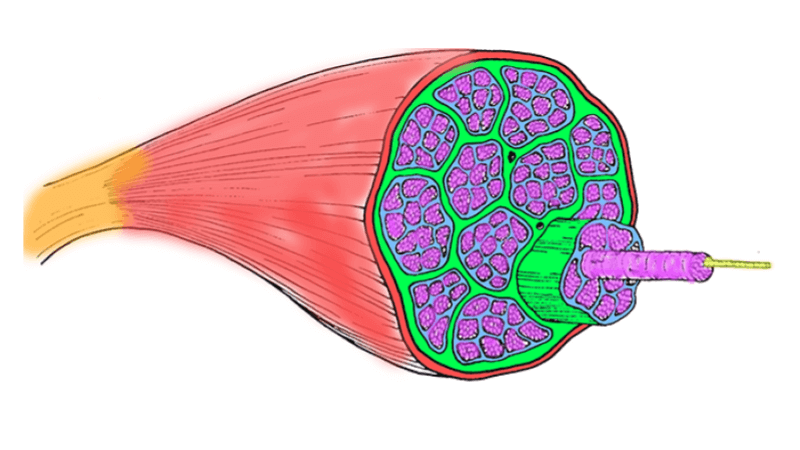
Muscle Anatomy and Coloring
Students practice naming parts of the muscle by matching terms to definitions and coloring a muscle.
-
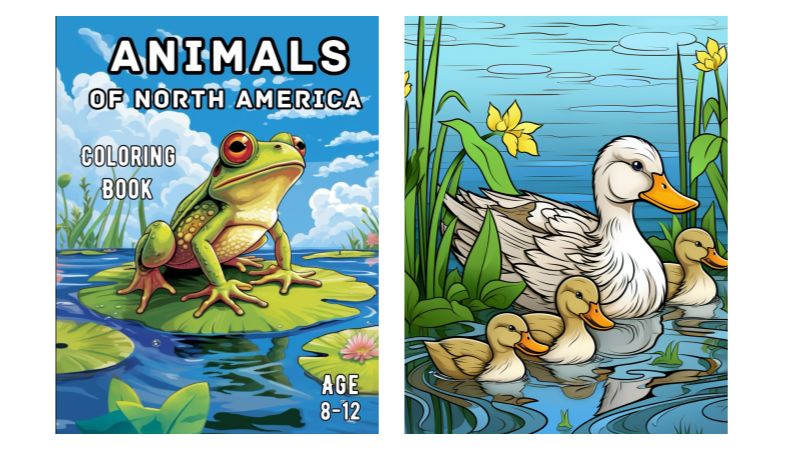
My Coloring Book – Animals of North America
A coloring book showcasing the animals of North America. Shows a variety of animals in their natural habitats!
-

Case Study – The Genetics of Eye Color
A case study exploring the genetics of eye color. Students review a pedigree and examine the role of HERC2 and OCA2 in eye color inheritance.
-
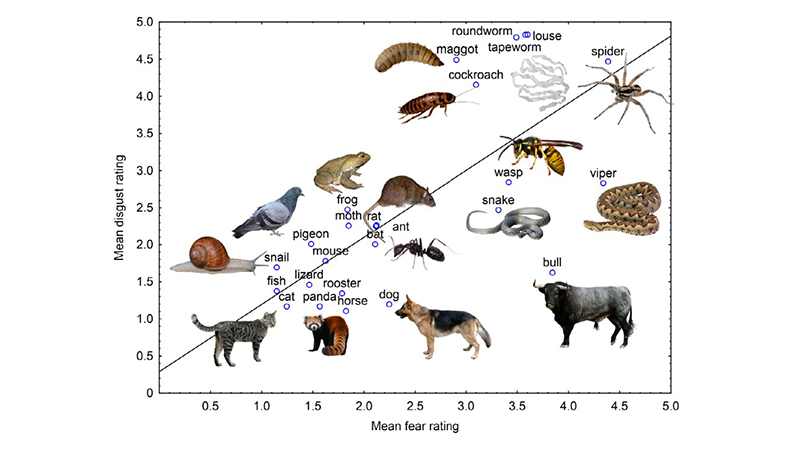
Spooky Science – Data Analysis on Fear and Disgust
Students explore what animals elicit feelings of disgust or fear. They analyze a graph and suggest evolutionary reasons for fear.
-

Interpreting a Food Web and Trophic Levels
Students analyze a food web and determine the types of consumers, herbivores, carnivores, and omnivores. Then they construct a pyramid of numbers.
-
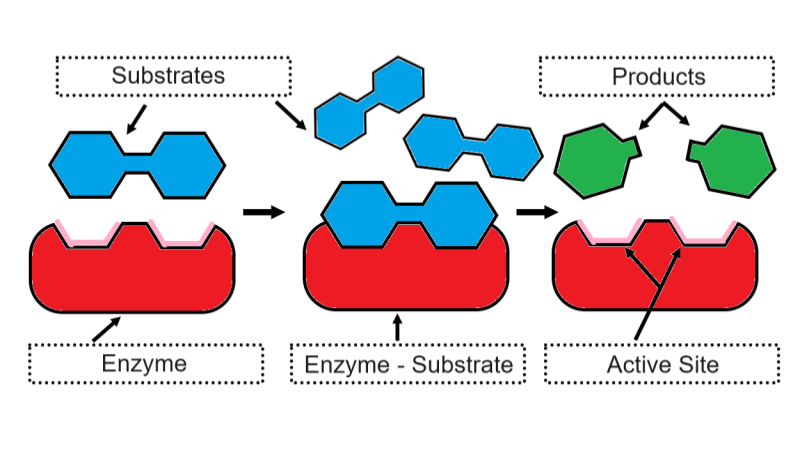
Enzymes and Substrates – Coloring
A simple worksheet showing how enzymes bind to substrates to create products. Students color a graphic and answer questions.
-
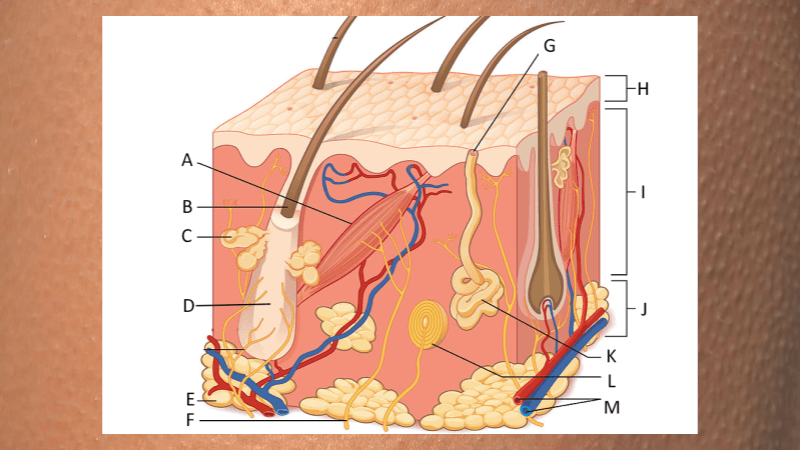
What Causes Goosebumps? – Anatomy of Skin
Students label an image showing the cross section of skin. Text explains what each structure does and focuses on the phenomenon of goosebumps.
-
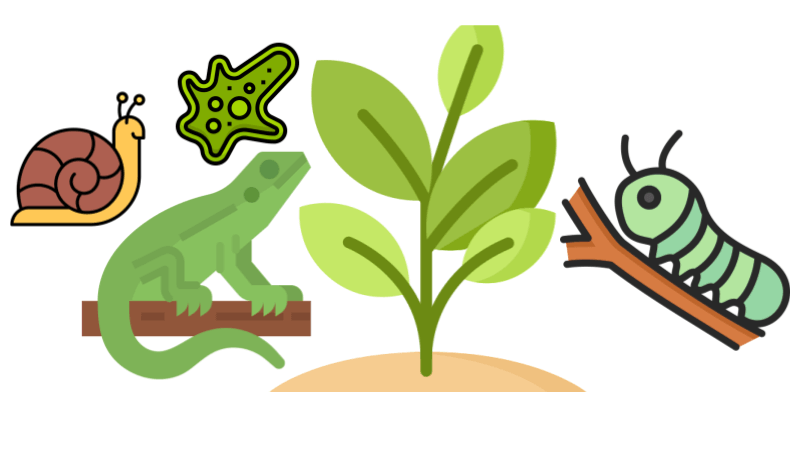
Characteristics of Life
Students read descriptions of animals and match to one of the characteristics of life: energy, cells, DNA, growth, response, and homeostasis.