
Tag: lesson
-
Random Sampling
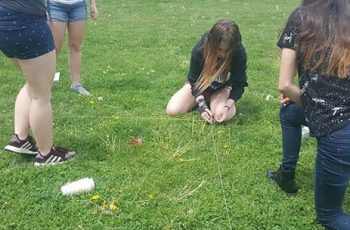
Students model how field biologists would use a sampling technique to estimate the number of sunflowers in a field. First, they choose 10 plots at random by choosing paper slips, then take the average of those plots. The worksheet walks them through the steps of then using the average and the overall size of the…
-
Niche Partitioning – Gorongosa Phenomenon
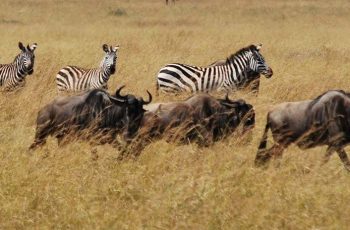
Explore niche partitioning in Gorongosa with this interactive graph and activity.
-
Ecology Lesson on Trophic Cascades
This year I decided to change the way I teach the last unit of the year, which is ecology. Our textbook is really old, and not aligned to NGSS. The lessons followed a familiar “old-school” pattern: take notes mainly about definitions, do an activity or lab, then take a quiz. This year, I wanted to…
-
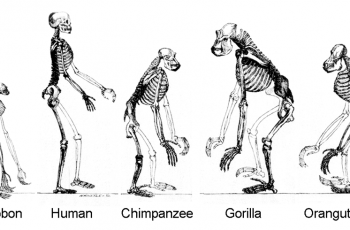
Evolution: Fact, Fiction, or Opinion
This lesson can be used to introduce evolution and establish what your students already understand (or misunderstand) about evolutionary theory. Statements can be printed and cut into slips and students work in small groups to categorize each statement as either Fact, Fiction, or Opinion. The included answer key has quick explanations as well…
-
Biome Project
Students become experts in a biome and create a product, such as a pamphlet, to showcase details about their assigned ecosystem (tundra, forest, ocean..etc.)
-
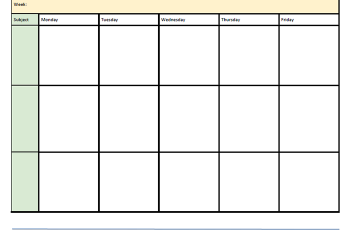
Lesson Plan Template
Lesson plan template for google docs. Save to your own drive or print.
-
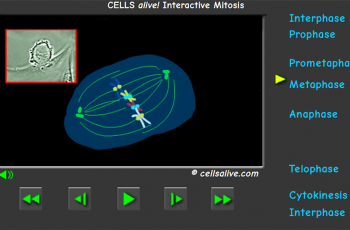
Mitosis – Internet Exploration
This assignment can be a stand-alone activity to help students learn to identify the phases of mitosis by viewing various animations. There are several sites to visit, where students perform tasks, such as labeling and making comparisons. Site 1: Bioman Mitosis Mover This is a game site where you progress through levels. Students can print…
-
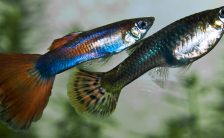
Case Study: How Did the Guppy Get His Color?
This case study examines evolution in guppies as evidenced by color variation in populations. It is based on an iconic study performed by John Endler where he collected data on guppies by scoring the size, number, and brightness of spots. Students progress though the slides (lecture and discussion), and examine details of Endler’s study, such as where…
-
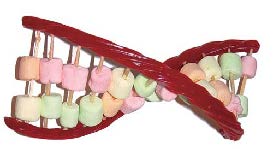
Construct a DNA Model Using Marshmallows
Use marshmallows and toothpicks to construct a model of DNA. Mini marshmallows represents the nucleotides, large marshmallows represent deoxyribose.