
Tag: enzyme
-
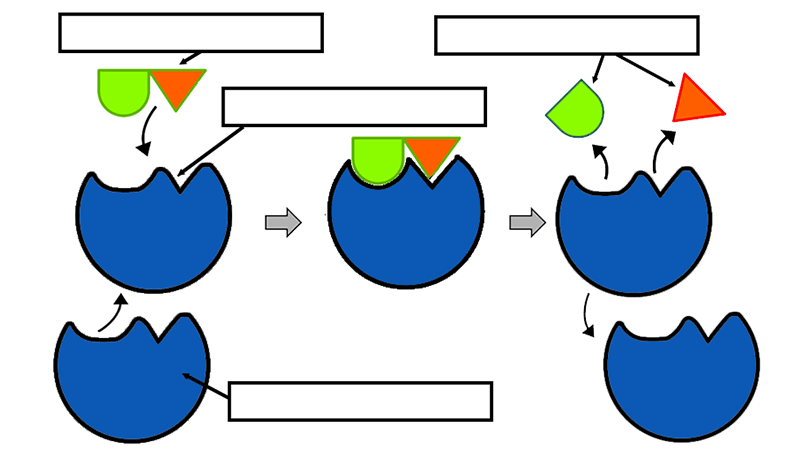
Exploring Enzymes by Analyzing Graphics
Students examine several images related to enzymes and answer questions. Worksheet covers how enzymes act on substrates, how they lower the activation energy of a reaction, how they have optimal temperature and pH, and how they can be inhibited.
-
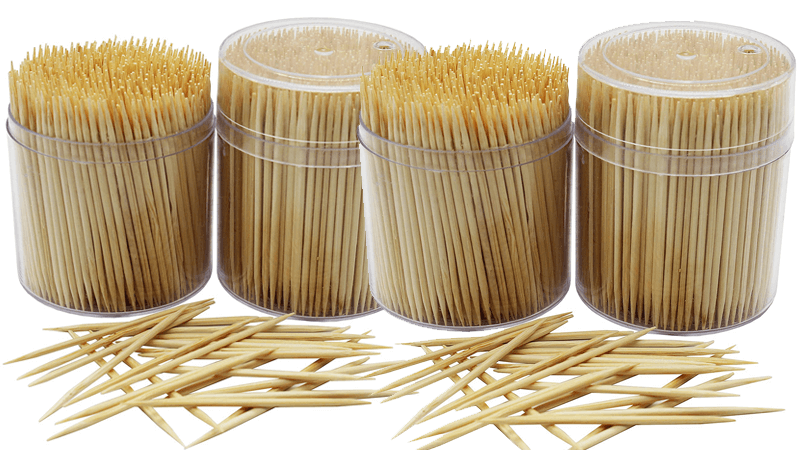
Investigation: Model Enzyme Activity with Toothpicks
Use toothpicks to model enzymes. Explore substrate and enzyme concentrations by changing toothpick numbers. Model competitive inhibition by taping fingers.
-
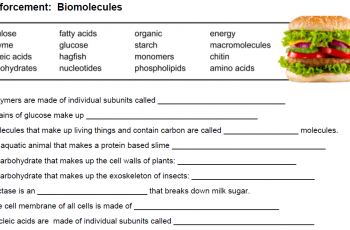
Reinforcement: Biomolecules
This worksheet is used with a unit on biological molecules in an introductory biology class. Students match definitions or descriptions to words provided in a word bank. The anchoring phenomenon in this unit is hagfish slime, which explains the inclusion of this concept in the list. Google Slides and Student Notes for the unit are…
-
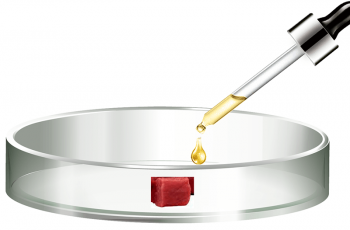
StoryLab: How Enzymes Work
This story lab aligns to an investigations students do with enzymes where they put hydrogen peroxide on liver and observe bubbles produced from the reaction with catalase. This investigation has several versions for different levels of biology (regular track, intro, and AP) though the story lab was intended for the intro track students who do…
-
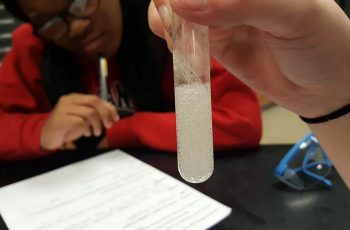
Investigation: How Do Enzymes Work?
This lab is fairly basic, but when given with guided instruction how enzymes catalyze reactions, students can have a hands-on experience into how proteins are related to function.
-
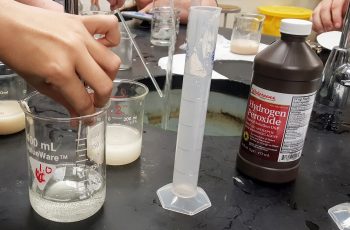
Investigation: Enzyme and Substrate Concentrations
Students who complete the Enzyme Investigation lab can further explore enzymes with this lab on how concentrations of the substrate (hydrogen peroxide) and the enzyme ( catalase) can affect the rate of reaction. In the first experiment, students simply made a judgement about the amount of bubbling to indicate reaction speed, though this is a…